

 Ver en contexto
 Enviar
 Compartir
 Detalles

 Descargar
 Similares
 Radiografía
 Presentación de diapositivas
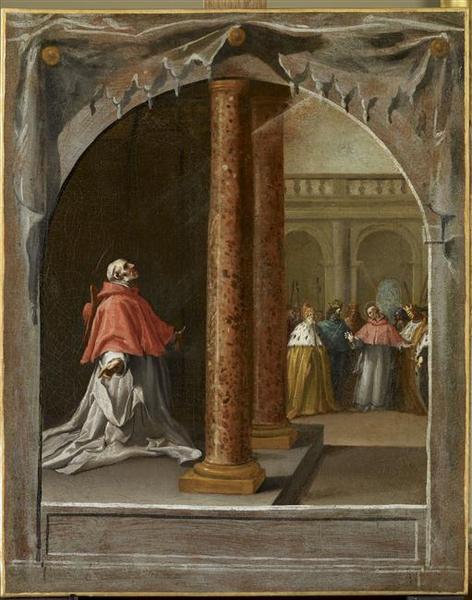
Saint Nicolas Albergati, chartreux et cardinal de Santa Croce


 Ver más
Giclée / Impresión de arte
Impresiones giclée o en lienzo de calidad de museo con producción rápida y opciones de acabado flexibles. ( Comprar pintura hecha a mano Comprar imagen)




P118B $10

P118H $10

P118W $10

P438Z $10

P508JH $12

P508YH $12

P805H $10

P805Z $10

P919BZ $10

P919G $10

P919XJ $10

P959ZH $10

P968JZ $12

W106C $8

W218G $10

W218JH $8

W218Y $10

W307PJ $10

W316G $10

W316PJ $8

W316Y $10

W398PJ $8

W4111J $10

W500HY $15

W500JH $15

W692G $12

W849H $8

W940BG $15

W953PJ $8




Elija entre nuestros tamaños predefinidos que respetan las proporciones originales de la obra.

Puede introducir sus propias dimensiones para adaptarse a un marco o espacio específico. Si el tamaño seleccionado no coincide con las proporciones de la imagen original, recortaremos la obra de arte o extenderemos la imagen con un borde con efecto espejo o de color sólido. Se enviará una maqueta digital para su aprobación antes de que comience la producción.
Tenga en cuenta que la vista previa en pantalla no refleja el recorte o la extensión real. Solo la maqueta mostrará con precisión la composición final.
Aunque existen tamaños personalizados, recomendamos seleccionar una dimensión de la lista predefinida para preservar las proporciones originales.
Envío a todo el mundo () en 2 semanas en lugar de las 4/5 semanas estándar. (25 agosto)

Envío exprés gratuito a todo el mundo

Lienzo de lino de alta calidad

Seguro de envío total

Garantía de reembolso de impuestos aduaneros

Garantía de fidelidad cromática exacta

Política de devolución de 60 días (solo por defectos)

Garantía de devolución del 100% del dinero

Descuento por cantidad
 La opción de vidrio solo está disponible en tamaños inferiores a 110 cm.

Saint Nicolas Albergati, chartreux et cardinal de Santa Croce
Giclée / Impresión de arte
Dimensiones de la reproducción
-


Precio total final
$ 62
Descripción de la pieza
The Serene Dignity of Saint Nicolas Albergati
Vicente Carducho’s “Saint Nicolas Albergati, Chartreux et Cardinal de Santa Croce,” painted around 1626 and now residing within the esteemed collections of the Louvre Museum, is more than a portrait; it's a carefully constructed tableau of piety, authority, and contemplative grace. The work embodies the height of Spanish Baroque artistry, showcasing Carducho’s mastery of light, color, and psychological depth – elements that elevate this piece beyond mere representation to become a profound meditation on faith and earthly status.
The subject himself, Saint Nicolas Albergati, was a prominent figure within the Carthusian Order, renowned for his dedication to monastic life and his cardinalate. Carducho’s depiction isn't one of bombastic grandeur, but rather of quiet dignity. The saint is presented in a pose that speaks volumes – seated upon what appears to be a simple stone plinth, he gazes directly at the viewer with an expression of serene contemplation. His hands rest gently on his lap, suggesting both humility and inner strength. The rich crimson robe, indicative of his cardinal status, contrasts beautifully with the muted tones of the background, drawing immediate attention to the central figure.
A Symphony of Light and Shadow
Carducho’s technical skill is immediately apparent in the masterful manipulation of light and shadow – a hallmark of Baroque painting. The scene is bathed in a soft, diffused illumination that seems to emanate from an unseen source, creating a sense of depth and volume. Notice how the folds of the robe are rendered with meticulous detail, each crease and pleat subtly defined by variations in tone. The artist employs *chiaroscuro* – the dramatic contrast between light and dark – not merely for aesthetic effect but to emphasize the saint’s physicality and spiritual presence. The subtle gradations of color contribute to a sense of realism while simultaneously imbuing the scene with an ethereal quality.
The background, rendered in earthy browns and ochres, provides a grounding element, anchoring the figure within a space that feels both earthly and sacred. A glimpse of architectural detail – perhaps a column or part of a wall – hints at the setting, likely a monastic chamber, reinforcing the saint’s connection to his religious order. The overall composition is carefully balanced, creating a harmonious visual experience for the viewer.
Historical Context and Symbolic Resonance
“Saint Nicolas Albergati” was commissioned as part of a larger project undertaken by Dom Juan Baeza, the prioress of the Carthusian monastery of Paular near Madrid. Baeza envisioned a cycle of fifty-four paintings to document the history and traditions of the order, and Carducho’s work represents a significant component of this ambitious undertaking. The commission itself speaks volumes about the importance placed on visual representation within the Carthusian Order – a community deeply invested in both spiritual contemplation and meticulous record-keeping.
The symbolism embedded within the painting is rich and layered. The saint’s posture, his gaze, and the simple elegance of his attire all contribute to a message of humility, devotion, and unwavering faith. The Carthusian Order, known for its emphasis on solitude and prayer, sought to embody these virtues through their art and architecture. Carducho's depiction powerfully conveys this ethos, inviting viewers to contemplate the profound beauty and serenity of monastic life.
A Timeless Portrait of Inner Peace
“Saint Nicolas Albergati” is a testament to Carducho’s artistic vision and his ability to capture the essence of human experience. It's not merely a portrait; it’s an invitation to pause, reflect, and consider the enduring power of faith and inner peace. The painting’s quiet dignity, combined with its masterful execution, ensures that it remains a captivating work of art for generations to come. Its subtle beauty and profound symbolism make it a compelling subject for collectors seeking pieces that resonate deeply on both an aesthetic and spiritual level.
Obras relacionadas




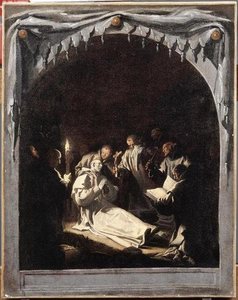
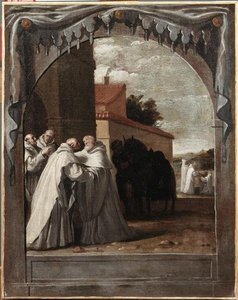
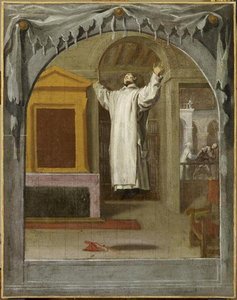
Biografía del artista
Vicente Carducho (1576-1638): Un Pilar del Barroco Español
Vincenzo Carducci, más conocido como Vicente Carducho, fue un pintor italiano fundamental que moldeó significativamente el panorama artístico español del siglo XVII. Nacido en Florencia, Italia, en 1576, falleció en Madrid, España, en 1638. Su carrera abarcó tanto Italia como España, estableciéndolo finalmente como una figura destacada dentro del movimiento barroco español.
Primeros Años y Formación
- Orígenes: Carducho nació en Florencia, Italia, en medio de un entorno artístico vibrante.
- Influencia Familiar: Recibió su formación inicial de su hermano, Bartolomé Carduccio, también pintor. Esta conexión familiar demostró ser crucial para su desarrollo temprano.
- Traslado a España: Siguiendo a su hermano, Vicente se trasladó a Madrid cuando era joven, trabajando inicialmente en Valladolid antes de obtener encargos en El Escorial bajo el reinado de Felipe II de España.
- Primeras Comisiones: Asistió a su hermano con proyectos de pintura para Felipe II y más tarde contribuyó a la decoración del Palacio del Pardo recién reconstruido durante el reinado de Felipe III. Una obra temprana notable fue una historia de Aquiles pintada allí.
Desarrollo Artístico y Logros Mayores
- Frescos Monásticos: Un punto de inflexión importante en su carrera llegó con un encargo de cuatro años por parte de los monjes de la Cartuja de El Paular para decorar su monasterio. Esto resultó en 54 grandes lienzos que representaban figuras históricas, divididos entre las vidas de San Bruno (27) y mártires (27).
- Patronazgo Real: Carducho disfrutó de un considerable patrocinio por parte de Felipe IV, produciendo algunas de sus obras más conocidas para el Prado. Estas pinturas demostraron su dominio de la composición dramática y los temas religiosos.
- Enseñanza e Influencia: Durante muchos años, Carducho sirvió como maestro en Madrid, fomentando una nueva generación de artistas españoles. Sus alumnos incluyeron a Giovanni Ricci, Pedro Obregón, Vela y Francisco Collantes, todos figuras prominentes en la escuela española del siglo XVII.
- Escritos Teóricos: Escribió "De las excelencias de la pintura", o "Diálogos sobre la Pintura", un tratado publicado en 1633. Escrito como un diálogo entre maestro y aprendiz, refleja la piedad del reino español y ofrece información valiosa sobre su filosofía artística.
Estilo Artístico e Influencias
- Características Barrocas: El estilo de Carducho está firmemente arraigado en el período barroco, caracterizado por una iluminación dramática, composiciones dinámicas y un enfoque en la intensidad emocional.
- Tradición Clásica: Su tratado demuestra un compromiso con la teoría artística clásica y la forma del diálogo.
- Crítica a Caravaggio: Notablemente, Carducho fue un crítico vocal de Caravaggio y sus seguidores, a quienes acusó de carecer de disciplina y depender demasiado del naturalismo sin suficiente estudio o preparación. Consideraba su enfoque potencialmente perjudicial para el futuro de la pintura. Su crítica se extendió al estilo de Miguel Ángel, que consideraba excesivamente dependiente de la copia superficial de la naturaleza.
- Influencias: Si bien fue crítico con Caravaggio, la obra de Carducho también refleja influencias de maestros italianos anteriores y una sensibilidad distintamente española.
Significado Histórico
Vicente Carducho ocupa un lugar significativo en la historia del arte español. Fue fundamental para establecer un estilo barroco español distinto, combinando técnicas italianas con tradiciones locales. Su papel como maestro aseguró que sus principios artísticos se transmitieran a las generaciones siguientes. Si bien sus críticas a Caravaggio revelan una perspectiva conservadora, sus contribuciones a la pintura religiosa y sus escritos teóricos brindan información valiosa sobre los debates artísticos de su época. El legado de Carducho reside en su capacidad para sintetizar diversas influencias en una estética barroca española única.
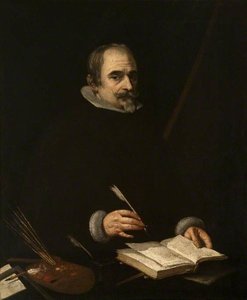
Vicente Carducho
1576 - 1638 , Italia
Datos clave
- Artistas Influenciados:
- Giovanni Ricci
- Pedro Obregon
- Artistas Que Influyeron:
- Miguel Ángel
- Caravaggio
- Fecha De Muerte: 1638
- Fecha De Nacimiento: 1576
- Lugar De Nacimiento: Florencia, Italia
- Movimiento Artístico: Barroco Español
- Nacionalidad: Italiano/Español
- Nombre Completo: Vicente Carducho
- Obras Notables:
- Historia de Aquiles
- San Lucía
- Encuentro San Bruno
Artículos relacionados
Discover the Divine: Inspiring Saint Anthony Artworks to Elevate Your Home Decor
Transform your home with the profound beauty of Saint Anthony artworks. Explore exquisite Baroque reproductions by Murillo and Zurbarán, hand-painted on 100% cotton canvas to bring divine serenity and timeless elegance to your interior design.

The Dramatic Flourish: Exploring the Baroque Movement's Enduring Legacy in Art History
Explore the dramatic world of Baroque art! Discover iconic artists like Caravaggio & Rubens, defining techniques, and its lasting impact on art history. Expert insights for collectors & enthusiasts at ArtsDot.

Barroco Sublime: 10 Obras Maestras que Definieron una Época |
Descubre las 10 obras maestras del Barroco que marcaron una época. Caravaggio, Bernini y Velázquez cobran vida en . Reproducciones de arte de calidad museo para decorar tu hogar con elegancia. ¡Explora la colección online!

Drama Barroca: Llevando la Grandeza y la Emoción a los Interiores Contemporáneos
Descubre cómo el drama y la grandeza del arte barroco pueden transformar tus interiores. Guía experta, inspiración y reproducciones de alta calidad en .
Theatricality & Triumph: Baroque Drama in Painting & Sculpture
Explore the dramatic world of Baroque art! Discover its history, defining characteristics, & lasting influence on painting & sculpture. Expert insights into Caravaggio, Zurbarán, and Bernini – plus high-quality reproductions at ArtsDot.

