

 Ver en contexto
 Enviar
 Compartir
 Detalles

 Descargar
 Similares
 Radiografía
 Presentación de diapositivas
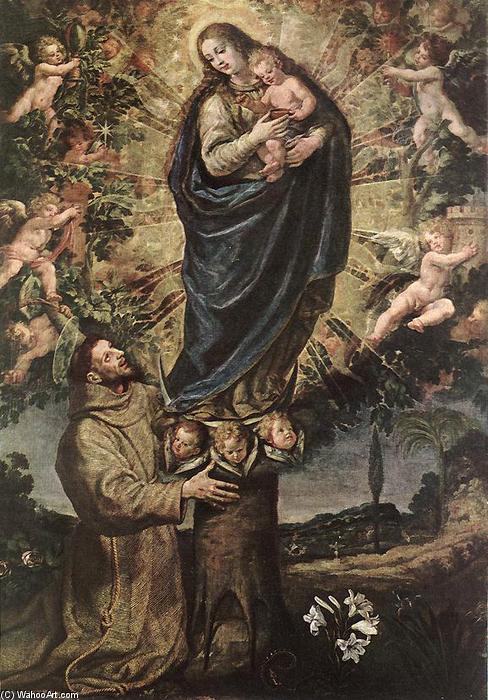
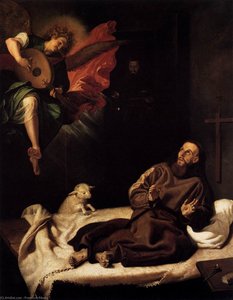
Vision of St Francis of Assisi
 Oil On Canvas
- WallArt
- Baroque
 1631
1631 246.0 x 173.0 cm
 Museo de las Artes de Budapest
 Ver más
Giclée / Impresión de arte
Impresiones giclée o en lienzo de calidad de museo con producción rápida y opciones de acabado flexibles. ( Comprar pintura hecha a mano Comprar imagen)




P118B $10

P118H $10

P118W $10

P438Z $10

P508JH $12

P508YH $12

P805H $10

P805Z $10

P919BZ $10

P919G $10

P919XJ $10

P959ZH $10

P968JZ $12

W106C $8

W218G $10

W218JH $8

W218Y $10

W307PJ $10

W316G $10

W316PJ $8

W316Y $10

W398PJ $8

W4111J $10

W500HY $15

W500JH $15

W692G $12

W849H $8

W940BG $15

W953PJ $8




Elija entre nuestros tamaños predefinidos que respetan las proporciones originales de la obra.

Puede introducir sus propias dimensiones para adaptarse a un marco o espacio específico. Si el tamaño seleccionado no coincide con las proporciones de la imagen original, recortaremos la obra de arte o extenderemos la imagen con un borde con efecto espejo o de color sólido. Se enviará una maqueta digital para su aprobación antes de que comience la producción.
Tenga en cuenta que la vista previa en pantalla no refleja el recorte o la extensión real. Solo la maqueta mostrará con precisión la composición final.
Aunque existen tamaños personalizados, recomendamos seleccionar una dimensión de la lista predefinida para preservar las proporciones originales.
Envío a todo el mundo () en 2 semanas en lugar de las 4/5 semanas estándar. (31 agosto)

Envío exprés gratuito a todo el mundo

Lienzo de lino de alta calidad

Seguro de envío total

Garantía de reembolso de impuestos aduaneros

Garantía de fidelidad cromática exacta

Política de devolución de 60 días (solo por defectos)

Garantía de devolución del 100% del dinero

Descuento por cantidad
 La opción de vidrio solo está disponible en tamaños inferiores a 110 cm.

Vision of St Francis of Assisi
Giclée / Impresión de arte
Dimensiones de la reproducción
-


Precio total final
$ 62
The Vision of St Francis – A Baroque Masterpiece
Vicente Carducho’s “Vision of St Francis of Assisi,” painted in 1631, is more than just a religious depiction; it's a profound exploration of faith, mortality, and the divine. Housed within the Szépmûvészeti Múzeum in Budapest, this oil on canvas transports the viewer to a moment of intense spiritual experience, capturing the essence of St Francis’s encounter with the Virgin Mary. Carducho, a leading figure of Spanish Baroque art, masterfully employs the dramatic techniques characteristic of the era – a potent blend of light and shadow, rich textures, and an emotionally charged composition – to create a work that resonates deeply with the viewer long after initial observation.
The painting’s genesis lies within the fervent religious atmosphere of 17th-century Spain. Following the Counter-Reformation, the Catholic Church sought powerful visual narratives to reaffirm its doctrines and inspire piety. Carducho, working in the tradition of Spanish Baroque, responded with works that were both technically brilliant and emotionally resonant. “Vision of St Francis” exemplifies this approach, serving as a testament to the period’s fascination with dramatic realism and spiritual intensity.
A Composition Steeped in Symbolism
At the heart of the composition stands St Francis himself, instantly recognizable by his simple brown habit – a deliberate choice signifying poverty and humility. He is not depicted in grand splendor but rather as a man consumed by contemplation, holding a skull before him—a stark reminder of human mortality. This isn’t presented as a morbid image, however; instead, it serves as a catalyst for spiritual reflection, prompting viewers to consider the brevity of earthly life and the importance of seeking salvation. His outstretched hand, raised towards the heavens, embodies a fervent prayer or an acknowledgement of divine grace.
Above Francis, bathed in ethereal light, appears the Virgin Mary. Carducho skillfully renders her as a luminous figure, radiating serenity and maternal compassion. The angels surrounding her—some holding musical instruments like lutes, others extending their wings in graceful motion—further amplify the sense of celestial harmony and divine intervention. The inclusion of these elements creates a layered narrative, suggesting not just a vision but an active dialogue between St Francis and the heavenly realm.
Baroque Technique and Dramatic Light
Carducho’s technical prowess is immediately evident in the painting's masterful use of chiaroscuro – the dramatic contrast between light and dark. This technique isn’t merely decorative; it serves to sculpt the figures, creating a sense of depth and volume that draws the viewer into the scene. The strong highlights accentuate St Francis’s face and hands, emphasizing his emotional state, while the shadows lend an air of mystery and reverence to the background.
The rich textures—the rough fabric of the robe, the smooth skin of the figures, the detailed foliage—are rendered with meticulous precision. Carducho's attention to detail elevates the painting beyond a simple depiction, transforming it into a tangible representation of faith and spirituality. The landscape in the background, subtly rendered, provides a grounding element while simultaneously contributing to the overall sense of depth and perspective.
A Legacy Enduring Through Reproduction
“Vision of St Francis of Assisi” remains a powerful testament to Carducho’s artistic genius and a cornerstone of Spanish Baroque art. Its enduring appeal lies in its ability to evoke profound emotions and stimulate contemplation about life, death, and the divine. Today, high-quality reproductions of this masterpiece are available through ArtsDot.com, allowing art enthusiasts worldwide to experience the beauty and spiritual depth of this iconic work firsthand. Whether viewed in person at the Szépmûvészeti Múzeum or enjoyed as a stunning addition to your home, “Vision of St Francis” continues to inspire awe and reverence.
Obras relacionadas
![Leyenda De San Francisco – [24] – Canonización De San Francisco — Giotto Di Bondone, Gothic](/media/artworks/images-thumb/81/9b/819b5f0656848eb5cb3fcd40fd5756aa.jpg)
![Vida De San Francisco - [04] - Muerte Y Ascensión De San Francisco — Giotto Di Bondone, Renacimiento Italiano](/media/artworks/images-thumb/08/8b/088b102b13c1a379233690905590f156.jpg)



Biografía del artista
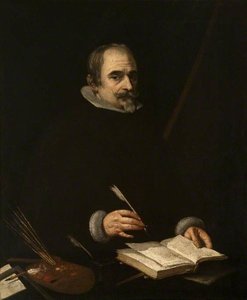
Vicente Carducho (1576-1638): Un Pilar del Barroco Español
Vincenzo Carducci, más conocido como Vicente Carducho, fue un pintor italiano fundamental que moldeó significativamente el panorama artístico español del siglo XVII. Nacido en Florencia, Italia, en 1576, falleció en Madrid, España, en 1638. Su carrera abarcó tanto Italia como España, estableciéndolo finalmente como una figura destacada dentro del movimiento barroco español.
Primeros Años y Formación
- Orígenes: Carducho nació en Florencia, Italia, en medio de un entorno artístico vibrante.
- Influencia Familiar: Recibió su formación inicial de su hermano, Bartolomé Carduccio, también pintor. Esta conexión familiar demostró ser crucial para su desarrollo temprano.
- Traslado a España: Siguiendo a su hermano, Vicente se trasladó a Madrid cuando era joven, trabajando inicialmente en Valladolid antes de obtener encargos en El Escorial bajo el reinado de Felipe II de España.
- Primeras Comisiones: Asistió a su hermano con proyectos de pintura para Felipe II y más tarde contribuyó a la decoración del Palacio del Pardo recién reconstruido durante el reinado de Felipe III. Una obra temprana notable fue una historia de Aquiles pintada allí.
Desarrollo Artístico y Logros Mayores
- Frescos Monásticos: Un punto de inflexión importante en su carrera llegó con un encargo de cuatro años por parte de los monjes de la Cartuja de El Paular para decorar su monasterio. Esto resultó en 54 grandes lienzos que representaban figuras históricas, divididos entre las vidas de San Bruno (27) y mártires (27).
- Patronazgo Real: Carducho disfrutó de un considerable patrocinio por parte de Felipe IV, produciendo algunas de sus obras más conocidas para el Prado. Estas pinturas demostraron su dominio de la composición dramática y los temas religiosos.
- Enseñanza e Influencia: Durante muchos años, Carducho sirvió como maestro en Madrid, fomentando una nueva generación de artistas españoles. Sus alumnos incluyeron a Giovanni Ricci, Pedro Obregón, Vela y Francisco Collantes, todos figuras prominentes en la escuela española del siglo XVII.
- Escritos Teóricos: Escribió "De las excelencias de la pintura", o "Diálogos sobre la Pintura", un tratado publicado en 1633. Escrito como un diálogo entre maestro y aprendiz, refleja la piedad del reino español y ofrece información valiosa sobre su filosofía artística.
Estilo Artístico e Influencias
- Características Barrocas: El estilo de Carducho está firmemente arraigado en el período barroco, caracterizado por una iluminación dramática, composiciones dinámicas y un enfoque en la intensidad emocional.
- Tradición Clásica: Su tratado demuestra un compromiso con la teoría artística clásica y la forma del diálogo.
- Crítica a Caravaggio: Notablemente, Carducho fue un crítico vocal de Caravaggio y sus seguidores, a quienes acusó de carecer de disciplina y depender demasiado del naturalismo sin suficiente estudio o preparación. Consideraba su enfoque potencialmente perjudicial para el futuro de la pintura. Su crítica se extendió al estilo de Miguel Ángel, que consideraba excesivamente dependiente de la copia superficial de la naturaleza.
- Influencias: Si bien fue crítico con Caravaggio, la obra de Carducho también refleja influencias de maestros italianos anteriores y una sensibilidad distintamente española.
Significado Histórico
Vicente Carducho ocupa un lugar significativo en la historia del arte español. Fue fundamental para establecer un estilo barroco español distinto, combinando técnicas italianas con tradiciones locales. Su papel como maestro aseguró que sus principios artísticos se transmitieran a las generaciones siguientes. Si bien sus críticas a Caravaggio revelan una perspectiva conservadora, sus contribuciones a la pintura religiosa y sus escritos teóricos brindan información valiosa sobre los debates artísticos de su época. El legado de Carducho reside en su capacidad para sintetizar diversas influencias en una estética barroca española única.
Vicente Carducho
1576 - 1638 , Italia
Datos clave
- Artistas Influenciados:
- Giovanni Ricci
- Pedro Obregon
- Artistas Que Influyeron:
- Miguel Ángel
- Caravaggio
- Fecha De Muerte: 1638
- Fecha De Nacimiento: 1576
- Lugar De Nacimiento: Florencia, Italia
- Movimiento Artístico: Barroco Español
- Nacionalidad: Italiano/Español
- Nombre Completo: Vicente Carducho
- Obras Notables:
- Historia de Aquiles
- San Lucía
- Encuentro San Bruno
Artículos relacionados
Francis Bacon: Las 25 Obras Maestras del Expresionismo y su Impacto en el Arte Moderno
Explora las 25 obras maestras de Francis Bacon, el expresionismo visceral y la angustia humana. Descubre retratos icónicos, trípticos impactantes y su legado en el arte moderno. Reproducciones de museo en ArtsDot.com.

Drama Barroca: Llevando la Grandeza y la Emoción a los Interiores Contemporáneos
Descubre cómo el drama y la grandeza del arte barroco pueden transformar tus interiores. Guía experta, inspiración y reproducciones de alta calidad en .

The Enduring Power of Painting: A Historical & Contemporary Exploration of Form and Emotion
Explore the rich history & enduring techniques of oil painting with ArtsDot. Discover masterpieces, learn about art collecting, and find authentic handmade reproductions crafted by skilled artists.

The Enduring Legacy of Oil on Canvas: Technique, History & Aesthetic Impact
Explore the rich history & techniques of oil painting – from Renaissance masters to Impressionism. Discover pigments, layering methods, and why this timeless medium endures. Expert insights for artists & art enthusiasts.

The Dramatic Flourish: Exploring the Baroque Movement's Enduring Legacy in Art History
Explore the dramatic world of Baroque art! Discover iconic artists like Caravaggio & Rubens, defining techniques, and its lasting impact on art history. Expert insights for collectors & enthusiasts at ArtsDot.

