

 Ver en contexto
 Enviar
 Compartir
 Detalles

 Descargar
 Similares
 Radiografía
 Presentación de diapositivas
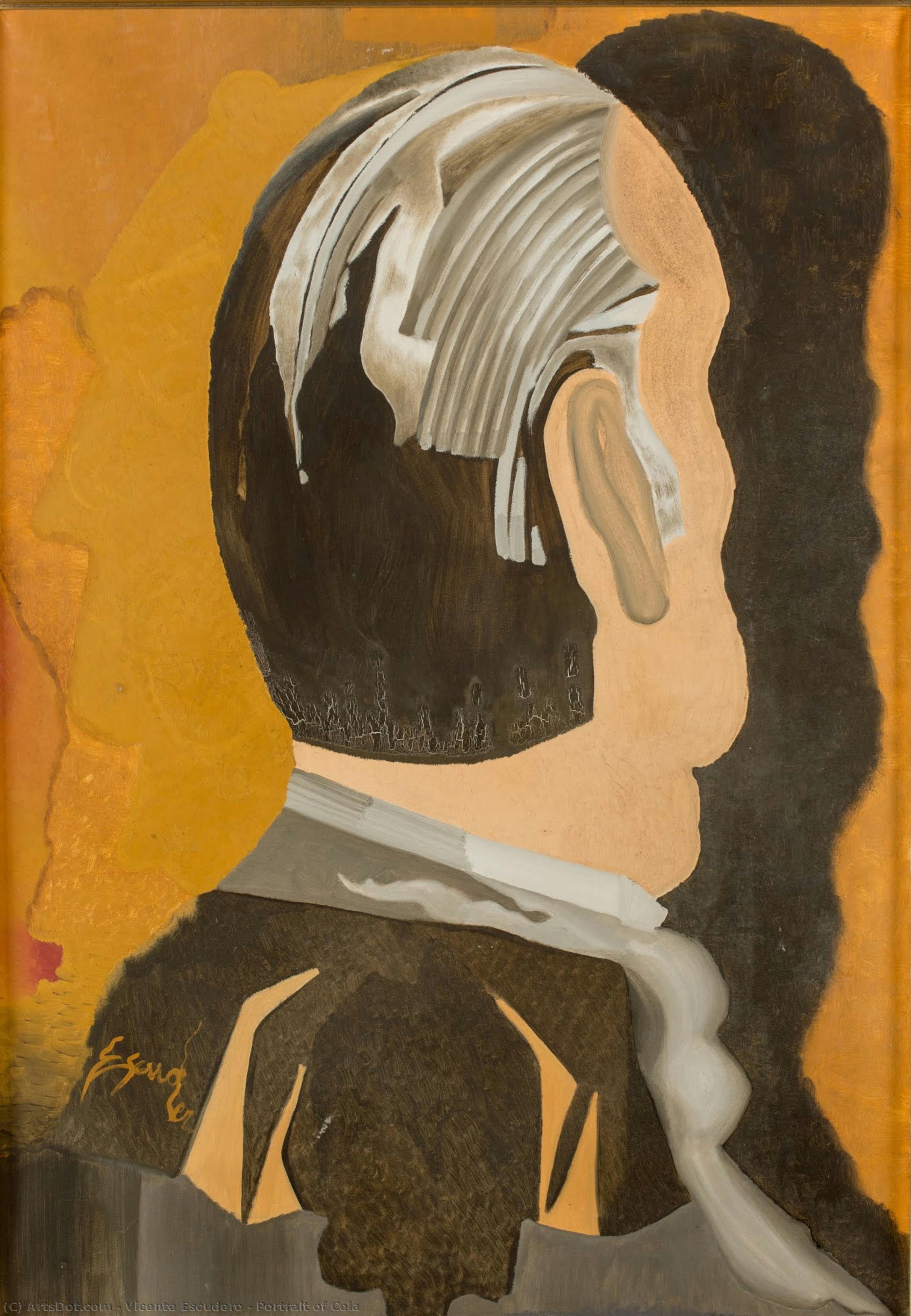
Portrait of Cela

 Ver más
Reproducción al óleo hecha a mano
Óleo sobre lienzo pintado a mano en el tamaño y marco de su elección, realizado por encargo por nuestros artistas. ( Comprar impresión Comprar imagen)




































Elija entre nuestros tamaños predefinidos que respetan las proporciones originales de la obra.

Puede ingresar sus propias dimensiones para adaptarse a un marco o espacio específico. Si el tamaño seleccionado no coincide con las proporciones de la imagen original, recortaremos la obra o extenderemos la pintura con elementos adicionales pintados a mano. Se le enviará una maqueta digital para su aprobación antes de comenzar la producción.
Tenga en cuenta que la vista previa en pantalla no refleja el recorte o la extensión reales. Solo la maqueta mostrará con precisión la composición final.
Si bien existen tamaños personalizados, recomendamos seleccionar una dimensión de la lista predefinida para preservar las proporciones originales.
Tras realizar el pedido, el equipo de ArtsDot.com enviará un correo electrónico al cliente para solicitar instrucciones y proporcionarle una vista previa del boceto.
Envío a todo el mundo () en 3-4 semanas en lugar de las 5 semanas estándar. (23 agosto). Sin comprometer la calidad.

Envío exprés gratuito a todo el mundo

Lienzo de lino de alta calidad

Seguro de envío total

Garantía de reembolso de impuestos aduaneros

Garantía de fidelidad cromática exacta

Política de devolución de 60 días (solo por defectos)

Garantía de devolución del 100% del dinero

Descuento por cantidad
 La opción de vidrio solo está disponible en tamaños inferiores a 110 cm.

Portrait of Cela
Técnica de reproducción
Dimensiones de la reproducción
-


Precio total final
$ 263
Obras relacionadas



Biografía del artista
Vicente Escudero: The Poet of Flamenco
Vicente Escudero (October 27, 1892, Valladolid, Spain – December 4, 1980, Barcelona) was a Spanish flamenco dancer whose revolutionary approach to the art form cemented his place as one of the most influential figures in modern dance. More than just a performer, Escudero was a theorist and painter who championed an uncompromising vision of flamenco rooted in masculine dignity and precise technique—a perspective that continues to resonate within the flamenco community today. His legacy extends beyond the stage; he collaborated with luminaries like Joan Miró and Antonio Gades, shaping the aesthetic landscape of his era and establishing himself as a true icon of Spanish artistic expression.Early Life and Artistic Formation
Born into a Romani family in Valladolid, Escudero’s early life was marked by exposure to flamenco traditions from a young age. Recognizing his innate talent, he began formal training with La Argentina, a celebrated flamenco dancer who instilled in him a profound respect for the art form's heritage. This formative experience profoundly shaped Escudero’s artistic sensibilities and fueled his determination to elevate flamenco beyond superficial spectacle—a goal that would define his entire career. He quickly absorbed influences from other prominent flamenco artists, establishing himself as a leading innovator within the burgeoning avant-garde movement of Spain during the 1920s. His father, a shoemaker, instilled in him a practical understanding of craftsmanship alongside an appreciation for artistic beauty.The Decálogo del Baile Flamenco: A Theoretical Breakthrough
Escudero’s contribution to flamenco scholarship transcends mere performance; he articulated a groundbreaking set of principles—the “Decálogo del baile flamenco”—that revolutionized understanding of male flamenco dance. Published in 1932, this seminal text outlined ten rules designed to guide dancers toward achieving an ideal of masculine grace and precision. These precepts emphasized elements such as sobriety, controlled wrist movements, minimal hip motion, and a harmonious blend of footwork, arm gestures, and head posture—concepts that remain central to flamenco pedagogy and artistic discourse. Escudero’s Decálogo wasn't simply a list of instructions; it was a philosophical statement about the essence of flamenco artistry. It represented a radical departure from prevailing interpretations of flamenco at the time, prioritizing technical accuracy alongside emotional depth.Collaboration with Joan Miró and Artistic Style
Escudero’s artistic vision extended beyond flamenco dance itself. He cultivated close relationships with fellow modernist painters, notably Joan Miró, whose surrealist aesthetic mirrored Escudero's own exploration of subconscious imagery and emotional depth. Together they created evocative paintings that captured the spirit of flamenco—a testament to their shared commitment to challenging conventional artistic norms. Escudero’s distinctive style was characterized by a deliberate restraint and meticulous attention to detail, reflecting his belief in honoring tradition while simultaneously pushing boundaries. He sought to convey both strength and vulnerability, embodying the complexities inherent within the flamenco idiom. His paintings often featured geometric shapes juxtaposed with organic forms—a stylistic choice that reflected Escudero’s fascination with exploring the intersection between rationality and intuition.Film Appearances and Legacy
Escudero's artistic pursuits weren't confined to the stage or easel; he graced the silver screen in films such as *Castille on Fire* (1960) and *With the East Wind* (1966), demonstrating his versatility as an entertainer. However, it was his unwavering dedication to flamenco’s integrity—his insistence on preserving its authenticity—that secured his enduring fame. He became a mentor to Antonio Gades, arguably Spain's most internationally recognized flamenco dancer, passing down his stylistic precepts and fostering the continuation of Escudero’s vision. Today, Escudero’s Decálogo remains a cornerstone of flamenco training, and his paintings continue to inspire admiration for their expressive power—a legacy that confirms Vicente Escudero as one of Spain's most significant artistic figures. He died peacefully in Barcelona in 1980, leaving behind an indelible mark on the history of Spanish art and dance.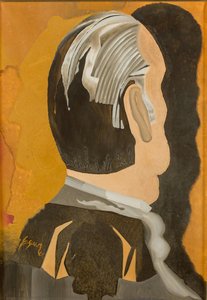
Vicente Escudero
1888 - 1980 , España
Datos clave
- Artistic Movement Or Style: Flamenco Dance
- Artists Or Movements Influenced By This Artist: ['Antonio Gades']
- Artists Who Influenced This Artist: ['Joan Miró']
- Date Of Birth: Oct. 27, 1892
- Date Of Death: Dec. 4, 1980
- Full Name: Vicente Escudero Urive
- Nationality: Spanish
- Notable Artworks: ['El amor brujo']
- Place Of Birth: Valladolid, Spain

