

 Enviar
 Compartir
 Detalles

 Descargar
 Similares
 Presentación de diapositivas
 Estadísticas
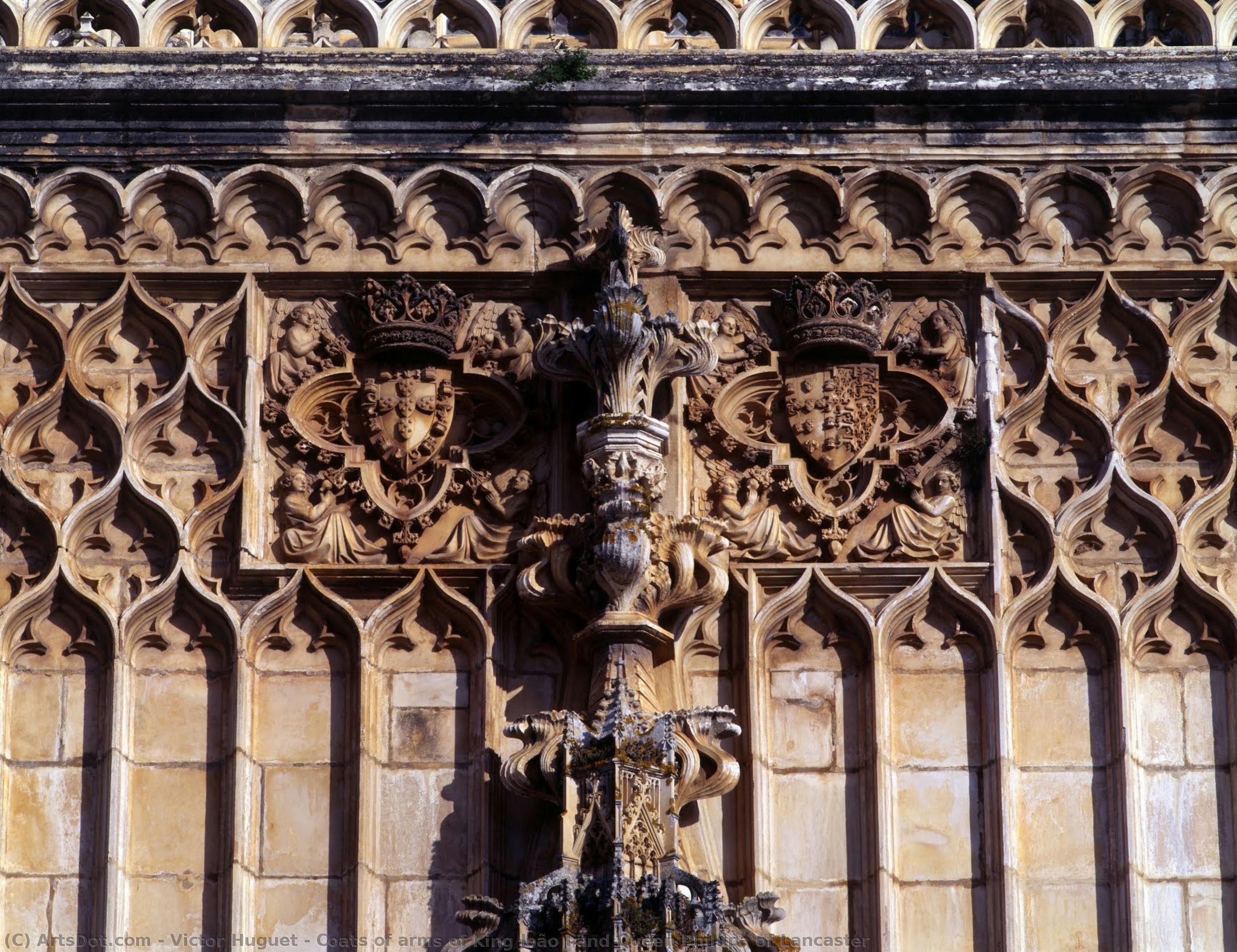
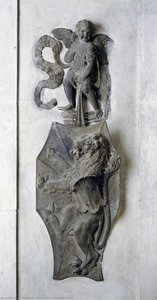
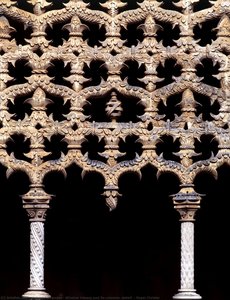
Coats of arms of King João I and Queen Phillipa of Lancaster


 Ver más
Adquiera una imagen digital de alta resolución y optimizada, muy superior a la vista previa en línea.
Cada archivo es preparado meticulosamente por nuestros especialistas internos mediante el uso de herramientas avanzadas y un experto retoque manual. Nos aseguramos de que cada imagen posea una claridad excepcional, una precisión cromática impecable y un detalle minucioso.
El archivo final se entrega por correo electrónico en un plazo de 72 horas, optimizado para su uso inmediato en entornos profesionales, editoriales y de impresión. Esta es la misma calidad en la que confían los estudios de diseño, las editoriales y las galerías de primer nivel.
Imagen Digital
Descarga un archivo de alta resolución para exhibición personal, impresión y proyectos creativos. ( Cambiar a Impresión Comprar pintura hecha a mano)
Incluido en cada pedido de imágenes digitales
Entrega digital experta, garantizada.
Al elegir ArtsDot.com, no solo está adquiriendo una imagen; está recibiendo una obra de arte digital mejorada profesionalmente, elaborada con precisión y respaldada por una garantía de satisfacción. Esto es todo lo que incluye su pedido, automáticamente:

Entrega rápida por email
Recibirá su archivo de imagen digital en alta resolución por correo electrónico en un plazo de 72 horas tras realizar su pedido, listo para su uso inmediato.

Archivo digital optimizado por IA
Su obra de arte se optimiza profesionalmente mediante herramientas avanzadas de IA y edición manual, garantizando el máximo detalle, claridad y precisión cromática.

Reenvío gratuito de por vida
¿Has borrado o perdido tu archivo por error? No te preocupes: te lo volveremos a enviar en cualquier momento, sin coste adicional.

Sin gastos de importación, siempre
Disfrute de su obra de arte al instante sin aduanas, aranceles ni gastos de envío; las descargas digitales siempre están libres de impuestos.

Garantía de fidelidad de color
Garantizamos que su imagen digital refleje los colores originales con la mayor fidelidad posible, mediante el uso de herramientas profesionales y gestión del color.

Garantía de satisfacción de 100 días
Si no está satisfecho con su imagen digital, la revisaremos o le reembolsaremos el 100% en un plazo de 100 días, sin preguntas.

100% Garantía de devolución de dinero
¿No está satisfecho? Obtenga un reembolso completo dentro de los 100 días posteriores a la recepción de su archivo digital, sin preguntas.

Descuentos por pedidos grandes
Compra 3 imágenes, ahorra 10% - Compra 5, ahorra 15% - Compra 10+, ahorra 20%. Ideal para proyectos creativos, galerías y agencias.
A Royal Legacy in Stone
In the hallowed, silent corridors of the Batalha Monastery in Portugal, history does not merely whisper; it speaks through the enduring medium of stone. The Coats of Arms of King João I and Queen Phillipa of Lancaster serves as a profound testament to a union that reshaped the destiny of nations. This exquisite piece, carved with meticulous precision into limestone, captures more than just heraldic symbols; it preserves the very essence of the Avis dynasty and the English House of Lancaster. To gaze upon these emblems is to step back into the year 1440, feeling the weight of medieval sovereignty and the romantic gravity of a political alliance that bridged the gap between the Iberian Peninsula and the British Isles.
The artistry found within this work reflects the masterful hand of Victor Huguet, whose ability to interpret historical grandeur brings a sense of life to the cold, pale limestone. While the subject matter is rooted in the mid-15th century, the execution carries a timeless elegance that resonates with the soul of any art lover. The composition is balanced and authoritative, utilizing the natural texture of the stone to create depth and shadow. Each line of the heraldry is etched with a clarity that suggests both strength and permanence, making it an ideal focal point for those who appreciate the intersection of historical narrative and classical craftsmanship.
Symbolism and the Language of Power
Every element within these coats of arms serves as a deliberate piece of visual storytelling. The heraldic devices are not merely decorative; they are a complex language of legitimacy, lineage, and divine right. Through the intricate arrangement of shields and crests, the artwork communicates the merging of two powerful bloodlines. For the discerning collector or interior designer, this piece offers a profound layer of intellectual depth. It is a study in symbolic permanence—a reminder that true greatness is etched into the foundations of our shared heritage.
The interplay between the light and the carved relief creates a dynamic visual experience that changes with the movement of the sun, much like the shifting tides of history itself. This organic quality makes a high-quality reproduction of this work particularly captivating in a modern setting. Whether placed in a grand library, a formal study, or an elegantly curated gallery, the piece introduces an atmosphere of prestige and contemplative stillness. It invites the viewer to ponder the legacies of those who came before us and the enduring beauty of art that survives the passage of centuries.
An Inspiration for Timeless Interiors
For the interior designer seeking to infuse a space with character and historical weight, the Coats of Arms of King João I and Queen Phillipa offers unparalleled inspiration. This artwork transcends simple decoration; it acts as an anchor for sophisticated design schemes that lean toward the classical, the neo-gothic, or even the contemporary minimalist. The neutral, earthy tones of the limestone-inspired palette allow it to integrate seamlessly into various color stories, providing a sense of structural stability and historical continuity.
Owning a reproduction of such a significant piece is an opportunity to curate an environment that celebrates the triumphs of human history. It provides a conversation starter that is both educational and aesthetically breathtaking. As we surround ourselves with beauty, pieces like these remind us that art is the most durable vessel for memory, capturing the splendor of royalty and the mastery of the artisan in a way that remains eternally relevant to the modern eye.
Obras relacionadas


Biografía del artista
The Visionary of Light and Stone: The Life of Victor Huguet
Victor Pierre Huguet, a name that resonates with the quiet majesty of a cathedral’s shadow and the vibrant warmth of an Egyptian sun, was a master of the French Orientalist tradition. Born on May 1, 1835, in the historic town of Le Lude, Huguet’s life unfolded against the backdrop of a France undergoing profound metamorphosis. From the industrial pulse of his early years to the political shifts of the Second French Empire and the Third Republic, his existence was inextricably linked to the changing tides of European history. He was not merely a chronicler of landscapes but a painter who sought to capture the very soul of the places he visited, bridging the gap between the rigorous classical traditions of his training and the burgeoning experimental spirit of modern art.
His artistic foundation was laid in the vibrant atmosphere of Lyon, where the early influences of local masters instilled in him a deep respect for craftsmanship. This period of formative education provided the technical scaffolding upon which he would later build his complex narratives. His journey took him to the École supérieure des beaux-arts de Marseille, where he studied under Émile Loubon. It was here that Huguet began to master the art of landscape painting, learning to capture the grandeur of mountainous vistas and the delicate serenity of rural life with a precision that hinted at his future greatness. This early mastery of light and form would become the hallmark of his later, more exotic explorations.
A Journey Through the Orient and the Crimean Shadows
The true awakening of Huguet’s creative spirit occurred far from the familiar landscapes of France. In 1852, a pivotal voyage to Egypt irrevocably altered his artistic trajectory, introducing him to a world of dazzling light, ancient textures, and cultures that stood in stark contrast to the European tradition. This expedition was not a solitary endeavor; accompanied by Jean-Baptiste Henri Durand-Brager, he witnessed the unfolding drama of the Crimean War through a painterly lens. These experiences infused his work with an ethnographic depth, allowing him to depict the Middle East and North Africa not as mere exotic backdrops, but as living, breathing entities rich with history and dignity.
Upon returning to Paris, Huguet sought further refinement under the legendary Orientalist Eugène Fromentin. This mentorship was crucial, as it allowed him to absorb the nuances of Realism while maintaining a profound sensitivity to emotional expression. By 1859, his talent had earned him simultaneous debuts at the Salon in Marseille and the prestigious Paris Salon, marking his arrival as a significant figure in the art world. His ability to blend the meticulous detail of architectural studies with the atmospheric allure of Eastern scenes created a unique stylistic signature that captivated audiences across Europe.
The Architecture of Devotion and Historical Legacy
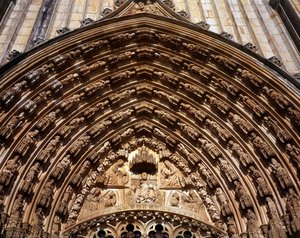
Huguet’s oeuvre is characterized by an extraordinary duality: the ability to render the heavy, enduring permanence of stone alongside the ephemeral dance of light. His works often focus on the threshold between the mundane and the sacred. In masterpieces such as West portal of the church, he invites the viewer to stand before a Gothic-inspired archway where every carved archivolt and sculpted figure tells a story of ancient devotion. He possessed a rare gift for making stone appear to breathe, using a sophisticated interplay of light and shadow to create a sense of three-dimensional depth that draws the observer into the hallowed silence of the cathedral interior.
Beyond his architectural studies, Huguet’s legacy is found in his profound respect for the cultural tapestries of the East. Whether depicting the heraldic grandeur of royal coats of arms or the quiet moments of life outside a mosque, his work remains a testament to his insatiable curiosity and empathetic vision. His contributions to the Orientalist movement helped define an era of exploration through art, leaving behind a collection of works that serve as windows into both the physical landscapes and the spiritual essences of a bygone age. Today, his paintings remain vital links to the 19th-century imagination, reminding us of a time when the brush was a primary tool for discovering the unknown.
Breves datos
- Artistic Movement Or Style: Orientalism
- Artists Or Movements Influenced By This Artist: ['Romanticism']
- Artists Who Influenced This Artist:
- Eugène Fromentin
- Émile Loubon
- Date Of Birth: May 1, 1835
- Date Of Death: August 16, 1902
- Full Name: Victor Pierre Huguet
- Nationality: French
- Notable Artworks:
- The Noble Ravine
- Arabs Outside the Mosque
- Place Of Birth: Le Lude, France