

 Ver en contexto
 Enviar
 Compartir
 Detalles

 Descargar
 Similares
 Radiografía
 Presentación de diapositivas
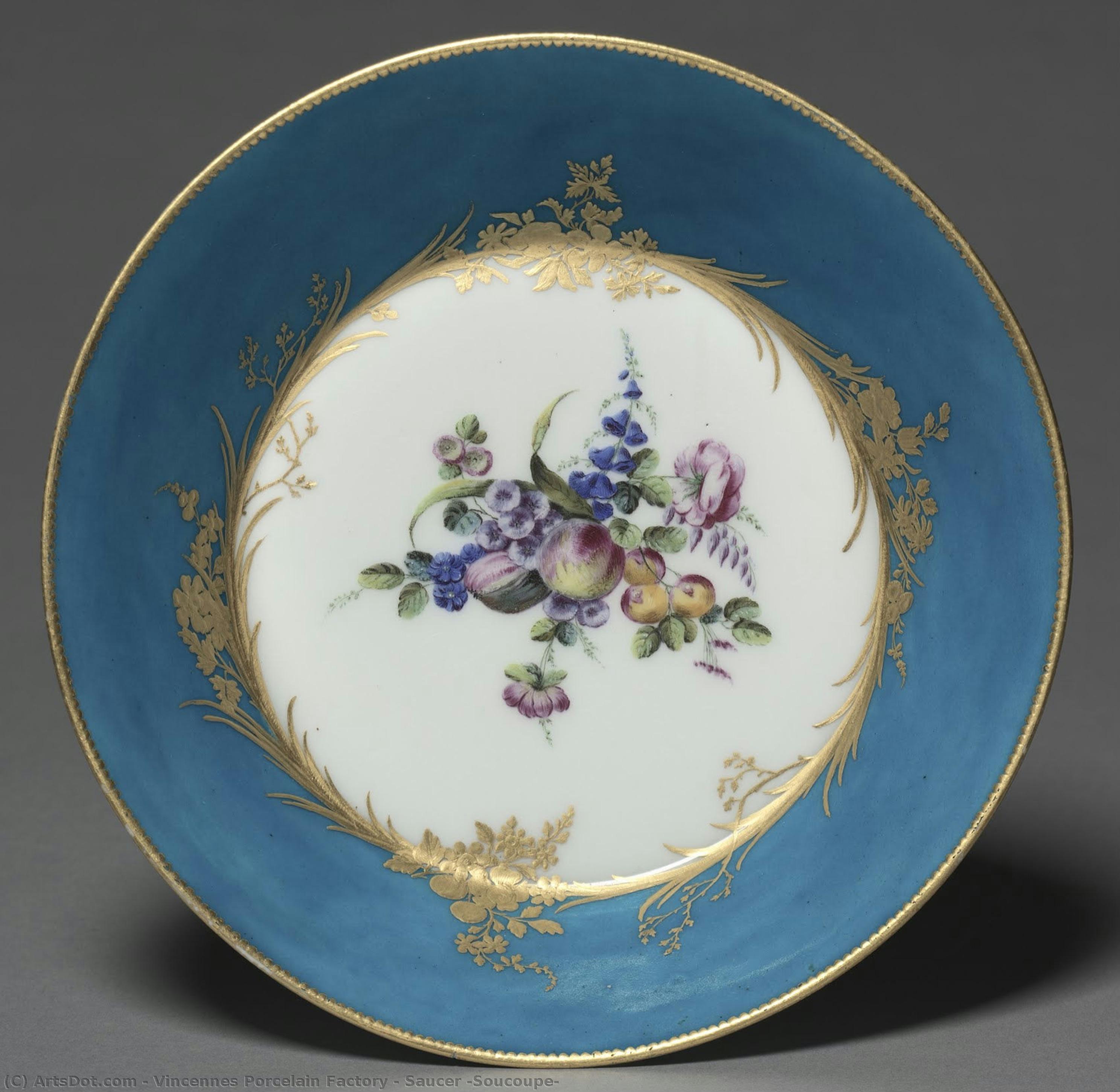
Saucer (Soucoupe)
 Rococo
 1753
1753 4.0 x 19.0 cm
 Museo de Arte de Cleveland
 Ver más
Reproducción al óleo hecha a mano
Óleo sobre lienzo pintado a mano en el tamaño y marco de su elección, realizado por encargo por nuestros artistas. ( Comprar impresión Comprar imagen)




































Elija entre nuestros tamaños predefinidos que respetan las proporciones originales de la obra.

Puede ingresar sus propias dimensiones para adaptarse a un marco o espacio específico. Si el tamaño seleccionado no coincide con las proporciones de la imagen original, recortaremos la obra o extenderemos la pintura con elementos adicionales pintados a mano. Se le enviará una maqueta digital para su aprobación antes de comenzar la producción.
Tenga en cuenta que la vista previa en pantalla no refleja el recorte o la extensión reales. Solo la maqueta mostrará con precisión la composición final.
Si bien existen tamaños personalizados, recomendamos seleccionar una dimensión de la lista predefinida para preservar las proporciones originales.
Tras realizar el pedido, el equipo de ArtsDot.com enviará un correo electrónico al cliente para solicitar instrucciones y proporcionarle una vista previa del boceto.
Envío a todo el mundo () en 3-4 semanas en lugar de las 5 semanas estándar. (23 agosto). Sin comprometer la calidad.

Envío exprés gratuito a todo el mundo

Lienzo de lino de alta calidad

Seguro de envío total

Garantía de reembolso de impuestos aduaneros

Garantía de fidelidad cromática exacta

Política de devolución de 60 días (solo por defectos)

Garantía de devolución del 100% del dinero

Descuento por cantidad
 La opción de vidrio solo está disponible en tamaños inferiores a 110 cm.

Saucer (Soucoupe)
Técnica de reproducción
Dimensiones de la reproducción
-


Precio total final
$ 263
Obras relacionadas
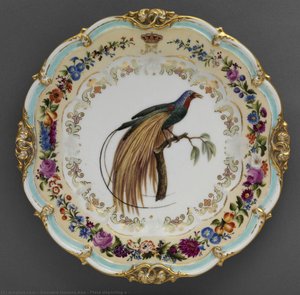
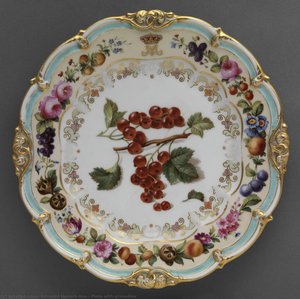
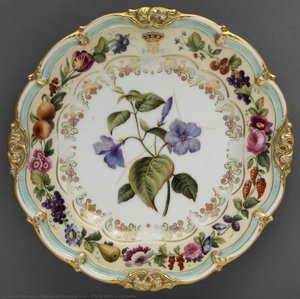
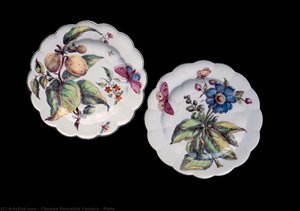
Biografía del artista
A Legacy in Porcelain: The Vincennes Factory
The story of the Vincennes Porcelain Factory is not that of a single artist, but rather a fascinating chronicle of royal ambition, artistic innovation, and the delicate beauty born from collaborative skill. Established in 1740 under the patronage of Louis XV’s cousin, the Duc de Bourbon, at the Château de Vincennes near Paris, the factory quickly rose to prominence as a rival to the established porcelain manufactories of Italy and the East. Unlike many workshops centered around a dominant personality, Vincennes thrived on attracting talented painters, gilders, sculptors, and modelers – artisans who collectively shaped its distinctive aesthetic. The initial impetus for its creation stemmed from a desire to break the French dependence on imported Chinese porcelain, which was then considered the pinnacle of luxury goods. Bourbon envisioned a factory capable of producing wares that not only matched but surpassed the quality and artistry of their Eastern counterparts, directly within France itself.Early Innovations and Royal Favor
The early years at Vincennes were marked by experimentation. The factory initially struggled to find the perfect porcelain formula, importing kaolin (the essential ingredient for hard-paste porcelain) from Saint-Cloud and later from Cornwall in England. However, through diligent research and adaptation, they eventually mastered the technique, producing a remarkably pure white porcelain body that became their hallmark. This pristine canvas allowed the factory’s artists to fully express their creativity. The patronage of Madame de Pompadour, Louis XV's influential mistress, proved pivotal. She not only commissioned numerous pieces for her own collection but also actively guided the factory’s artistic direction, favoring rococo designs characterized by delicate floral motifs, playful scenes from mythology and everyday life, and an exquisite attention to detail. The *bleu celeste* ground color, a particularly vibrant shade of sky blue, became synonymous with Vincennes porcelain during this period, often serving as the backdrop for intricate gilt decorations and finely painted vignettes. The factory’s output ranged from elaborate dinner services and ornate vases to charming figurines and snuffboxes, all reflecting the refined tastes of the French court.The Transition to Sèvres and Artistic Evolution
In 1756, a significant shift occurred: Louis XV officially took control of the Vincennes factory, relocating it to his estate at Sèvres in 1758. This move signaled not just a change in location but also an evolution in artistic focus. While the rococo style continued to be prominent, there was a growing emphasis on naturalism and technical virtuosity. Artists like Jean-Baptiste Oudry were instrumental in this transition, bringing a new level of realism to floral painting. The Sèvres manufactory, inheriting the skilled workforce and established techniques of Vincennes, began producing increasingly complex and ambitious pieces. The introduction of *rose pompadour*, another signature color, further expanded the factory’s palette. During this period, Sèvres also pioneered new firing techniques, allowing for larger-scale productions and more intricate designs. The distinction between Vincennes and early Sèvres porcelain can be subtle, often relying on identifying marks and stylistic nuances – pieces produced before the relocation typically bear the Vincennes mark, while those from the Sèvres period feature different emblems.Themes and Symbolism in Vincennes Porcelain
The subject matter adorning Vincennes porcelain provides a fascinating glimpse into the cultural values and artistic preferences of 18th-century France. Mythological scenes, often drawn from classical literature and opera, were popular choices, reflecting the court’s fascination with antiquity and its embrace of Enlightenment ideals. Pastoral landscapes and idyllic depictions of rural life offered an escape from the complexities of courtly existence, while portraits of fashionable ladies and gentlemen celebrated beauty and social status.- Floral motifs weren't merely decorative; they were imbued with symbolic meaning.
- Roses represented love and beauty, lilies symbolized purity, and violets conveyed modesty.
- Birds often alluded to fidelity or romantic longing.
Historical Significance and Enduring Appeal
The Vincennes (and later Sèvres) Porcelain Factory fundamentally altered the landscape of European ceramics. It not only established France as a leading producer of high-quality porcelain but also set new standards for artistic excellence and technical innovation. The factory’s wares became highly sought after by royalty, nobility, and wealthy collectors across Europe, shaping tastes and influencing ceramic production for generations to come. Today, Vincennes porcelain remains prized for its exquisite beauty, historical significance, and the remarkable craftsmanship it represents. Each piece is a testament to the collaborative spirit of the artisans who dedicated their lives to creating objects that embodied the elegance, refinement, and artistic brilliance of 18th-century France. The legacy of Vincennes continues to inspire awe and admiration, serving as a timeless reminder of the enduring power of art and beauty.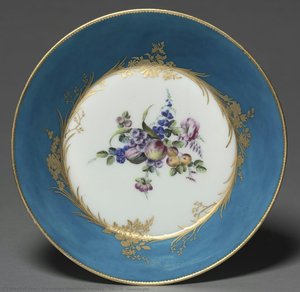
Datos clave
- Artistic Movement Or Style: Rococo porcelain manufacture
- Date Of Death: Living
- Full Name: Vincennes Porcelain Factory
Artículos relacionados

Rococó: 10 Obras Maestras que Definieron una Época | Arte y Decoración en
Descubre las 10 obras maestras del Rococó que marcaron una época. Explora la elegancia de Fragonard, Boucher y Watteau en . Reproducciones de arte de calidad museo para decorar tu hogar con estilo.

La Estética Rococó: Opulencia, Rebelión y Placer en el Arte del Siglo XVIII
Descubre la fascinante estética rococó: su historia, características clave y los artistas más influyentes del siglo XVIII. Un análisis profundo para amantes del arte y coleccionistas.
The Allure of Elegance in Art: A Historical & Aesthetic Exploration of Refinement & Grace
Explore the exquisite world of Rococo art! Discover its history, masters (Watteau, Boucher & more), and defining elegance. Expert insights for collectors seeking museum-quality reproductions & custom portraits.
The Rococo Style: Aristocratic Leisure & the Pursuit of Delight in 18th-Century Art
Explore the opulent world of Rococo art! Discover Watteau, Boucher & Nattier's masterpieces. Expert insights for collectors seeking museum-quality reproductions and custom portraits at ArtsDot.
The Enduring Appeal of Decorative Art: A Historical Survey of Ornamentation, Functionality & Cultural Significance
Explore the rich history of decorative arts with ArtsDot.com. Discover key movements, influential artists, and expert guidance for building a discerning collection. Learn about ornamentation, functionality & cultural significance.

