 Ver en contexto
 Enviar
 Compartir
 Detalles

 Descargar
 Similares
 Radiografía
 Presentación de diapositivas
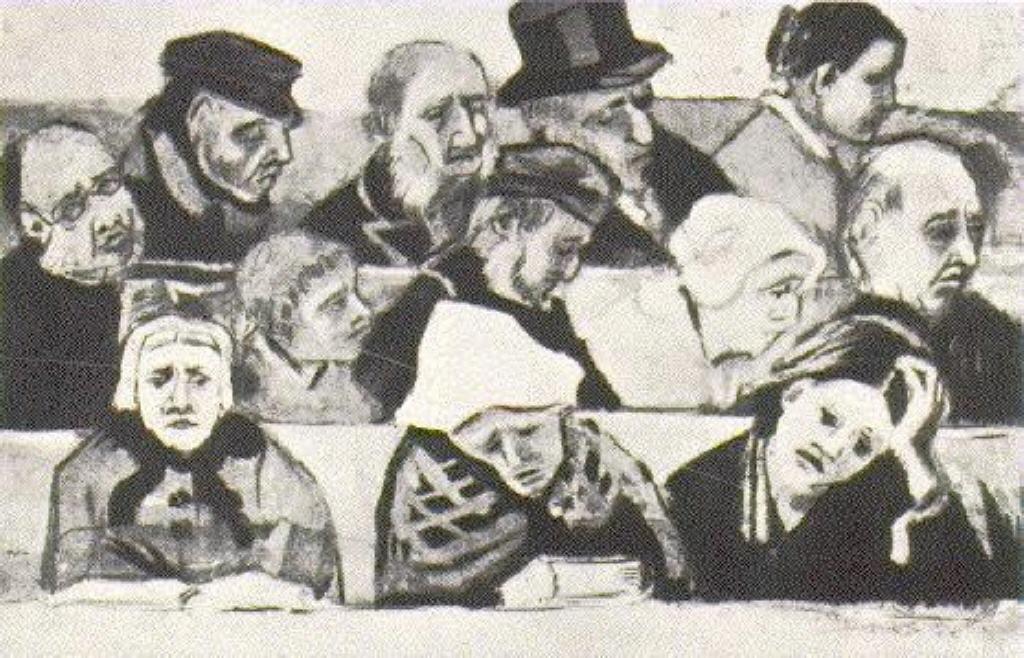
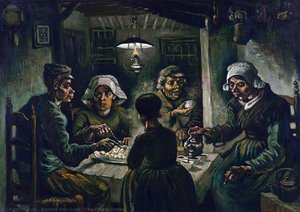
Church Pew with Worshippers


 Ver más
Reproducción al óleo hecha a mano
Óleo sobre lienzo pintado a mano en el tamaño y marco de su elección, realizado por encargo por nuestros artistas. ( Comprar impresión Comprar imagen)




P118B $10

P118H $10

P118W $10

P438Z $10

P508JH $12

P508YH $12

P805H $10

P805Z $10

P919BZ $10

P919G $10

P919XJ $10

P959ZH $10

P968JZ $12

W106C $8

W218G $10

W218JH $8

W218Y $10

W307PJ $10

W316G $10

W316PJ $8

W316Y $10

W398PJ $8

W4111J $10

W500HY $15

W500JH $15

W692G $12

W849H $8

W940BG $15

W953PJ $8




Elija entre nuestros tamaños predefinidos que respetan las proporciones originales de la obra.

Puede ingresar sus propias dimensiones para adaptarse a un marco o espacio específico. Si el tamaño seleccionado no coincide con las proporciones de la imagen original, recortaremos la obra o extenderemos la pintura con elementos adicionales pintados a mano. Se le enviará una maqueta digital para su aprobación antes de comenzar la producción.
Tenga en cuenta que la vista previa en pantalla no refleja el recorte o la extensión reales. Solo la maqueta mostrará con precisión la composición final.
Si bien existen tamaños personalizados, recomendamos seleccionar una dimensión de la lista predefinida para preservar las proporciones originales.
Tras realizar el pedido, el equipo de ArtsDot.com enviará un correo electrónico al cliente para solicitar instrucciones y proporcionarle una vista previa del boceto.
Envío a todo el mundo () en 3-4 semanas en lugar de las 5 semanas estándar. (7 septiembre). Sin comprometer la calidad.

Envío exprés gratuito a todo el mundo

Lienzo de lino de alta calidad

Seguro de envío total

Garantía de reembolso de impuestos aduaneros

Garantía de fidelidad cromática exacta

Política de devolución de 100 días (solo por defectos)

Garantía de devolución del 100% del dinero

Descuento por cantidad
 La opción de vidrio solo está disponible en tamaños inferiores a 110 cm.

Church Pew with Worshippers
Técnica de reproducción
Dimensiones de la reproducción
-


Precio total final
$ 263
A Moment of Reverence: Van Gogh’s ‘Church Pew with Worshippers’
Vincent van Gogh's 1882 painting, 'Church Pew with Worshippers,' offers a profoundly intimate glimpse into the heart of rural Dutch life and, more importantly, into the artist’s own deeply felt spirituality. This seemingly simple depiction – a congregation seated in wooden pews within a modest church – transcends mere representation; it's a carefully constructed meditation on faith, community, and the quiet dignity of everyday existence. The painting captures a specific moment of solemnity, likely during a Sunday service, radiating an atmosphere of reverence and contemplation that speaks directly to the viewer’s own sense of peace and introspection.
The Artist's Vision: Style and Technique
- Post-Impressionist Mastery: ‘Church Pew with Worshippers’ firmly establishes Van Gogh within the Post-Impressionist movement. Rejecting the Impressionists’ focus on fleeting moments of light, he sought to imbue his subjects with emotional weight and psychological depth.
- Thick Impasto: Characteristic of Van Gogh's technique, the painting is executed with a remarkably thick application of paint – an ‘impasto’ style – that creates a tactile surface brimming with texture. This isn’t simply about applying color; it’s about building up layers of pigment to convey volume, light, and most crucially, emotion. The rough brushstrokes contribute significantly to the painting's raw energy.
- Monochromatic Palette: Rendered almost entirely in shades of grey and white, the work emphasizes form and texture rather than color. This deliberate restriction forces the viewer to focus on the nuances of light and shadow, intensifying the sense of solemnity and drawing attention to the details of the pews and the figures within.
Historical Context: Faith and Community in the Netherlands
Painted during a pivotal period in Van Gogh’s life – he had recently moved to the Borinage region of Belgium, where he worked as a missionary among impoverished miners – ‘Church Pew with Worshippers’ reflects his deep connection to the religious community. The painting offers a poignant portrayal of rural Dutch society at the end of the 19th century, a time when faith played an integral role in daily life and social cohesion. The figures depicted represent not just individuals but also the values of piety, humility, and communal support that were central to the era’s ethos.
Symbolism and Emotional Impact
The composition itself is laden with symbolic weight. The rows of pews create a sense of order and structure, yet the figures within are rendered with an almost palpable humanity – their faces etched with contemplation, their postures conveying both reverence and vulnerability. Van Gogh’s masterful use of light and shadow further amplifies this emotional resonance, drawing the viewer into the scene and inviting them to share in the quiet moment of worship. The painting's enduring power lies in its ability to evoke a profound sense of peace, melancholy, and spiritual yearning – qualities that have resonated with audiences for over a century.
A Timeless Masterpiece: Reproduction Options
ArtsDot offers meticulously crafted hand-painted reproductions of ‘Church Pew with Worshippers,’ ensuring the preservation of Van Gogh’s artistic vision. Each reproduction is created by skilled artisans using archival materials, guaranteeing exceptional quality and longevity. Whether adorning a study, a chapel, or a private residence, this iconic artwork will undoubtedly become a treasured centerpiece, offering a constant reminder of Van Gogh's profound impact on art and the enduring power of human faith.
Obras relacionadas
Biografía del artista
Vincent van Gogh: Vida, Arte y Legado
Primeros Años e Influencias
- Nacido el 30 de marzo de 1853 en Groot-Zundert, Países Bajos, Vincent Willem van Gogh fue el mayor de seis hijos.
- Su padre, Teodorus van Gogh, era un ministro protestante, y su crianza estuvo profundamente influenciada por la religión.
- Sus primeros intereses incluían dibujar, pero persiguió varios oficios antes de dedicarse a las artes. Trabajó como comerciante de arte, maestro y misionero.
- Influencias Clave: Las primeras influencias incluyeron a los Maestros holandeses como Rembrandt van Rijn y Frans Hals, así como a los pintores franceses contemporáneos Jean-François Millet y Camille Corot.
Desarrollo Artístico y Estilo
- Van Gogh comenzó a pintar seriamente en 1880, principalmente de forma autodidacta.
- Sus primeras obras se centraron en representar la vida de los campesinos y trabajadores, reflejando su empatía por la clase trabajadora.
- Una mudanza a París en 1886 lo expuso al Impresionismo y Postimpresionismo, lo que llevó a una paleta más brillante y a la experimentación con nuevas técnicas.
- Estilo Distintivo: Van Gogh desarrolló un estilo altamente individual caracterizado por colores audaces, pinceladas expresivas e intensidad emocional. A menudo utilizaba el *impasto* – capas gruesas de pintura – para crear textura y transmitir sentimiento.
Períodos Clave y Obras
- El Período Holandés (1880-1886): Se centró en tonos oscuros y terrosos y en la representación de la vida rural. Obras notables incluyen Los Comedores de Patatas.
- El Período Parísino (1886-1888): Experimentación con técnicas impresionistas y colores más brillantes.
- El Período de Arles (1888-1889): Un período de intensa creatividad marcado por paisajes vibrantes, retratos y bodegones. Obras clave incluyen Girasoles, El Café Nocturno y Estrellas sobre el Río Rodano.
- Saint-Rémy y Auvers-sur-Oise (1889-1890): Después de un colapso mental, Van Gogh ingresó voluntariamente a un asilo en Saint-Rémy. Sus últimos años estuvieron marcados por una continua producción artística pero también por un creciente sufrimiento emocional. Obras notables incluyen La Noche Estrellada y retratos del Dr. Gachet.
Logros Importantes y Reconocimiento
- A pesar de luchar contra la enfermedad mental y enfrentarse al rechazo durante su vida, Van Gogh creó más de 2,100 obras de arte en poco más de una década – aproximadamente 860 pinturas en óleo.
- Su obra influyó profundamente en el desarrollo del arte moderno, particularmente en el Expresionismo y el Fauvismo.
- Fama Póstuma: El reconocimiento llegó después de su muerte en 1890. Sus obras ganaron popularidad creciente a principios del siglo XX, convirtiéndose en algunas de las obras de arte más reconocibles y valiosas del mundo.
Significado Histórico y Legado
- La obra de Van Gogh sigue resonando con el público actual debido a su honestidad emocional, colores vibrantes y poderosa expresión de la experiencia humana.
- Se considera uno de los personajes más importantes en la historia del arte occidental, inspirando a generaciones de artistas.
- Su vida ha llegado a ser un símbolo del “artista atormentado”, aunque esta narrativa a menudo eclipsa su dedicación, habilidad y visión artística.
- Museos de todo el mundo, incluido el Museo Van Gogh en Ámsterdam, exhiben su obra y celebran su perdurable legado.
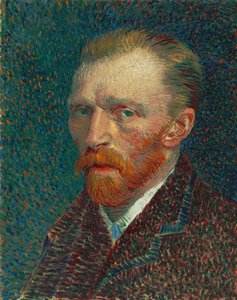
vincent willem van gogh
1853 - 1890 , Países Bajos
Datos clave
- Artistic Movement Or Style: Postimpresionismo
- Artists Or Movements Influenced By This Artist:
- Expresionismo
- Fauvismo
- Artists Who Influenced This Artist:
- Rembrandt
- Millet
- Date Of Birth: 30 de marzo 1853
- Date Of Death: 29 de julio 1890
- Full Name: Vincent Willem van Gogh
- Nationality: Holandés
- Notable Artworks:
- Los Comedores de Patatas
- Girasoles
- La Noche Estrellada
- Place Of Birth: Zundert, Países Bajos
Artículos relacionados

Blanco Sublime: Los 10 Cuadros Más Famosos Dominados por la Luz y el Color
Descubre los 10 cuadros blancos más emblemáticos de la historia del arte. Explora Monet, Van Gogh y Klimt, y su magistral uso de la luz y el color. Encuentra reproducciones de alta calidad e inspírate para tu decoración en .
Decoding Van Gogh's Turmoil: ArtsDot’s Masterful Reproductions of Emotional Depth
Discover exquisite Van Gogh reproductions from ArtsDot – expert art specialists offering museum-quality prints & custom paintings. Trust our authentic process and elevate your collection today.

Rembrandt van Rijn: Las 25 Obras Maestras que Definen un Genio | Arte, Historia y Decoración
Descubre las 25 obras maestras de Rembrandt van Rijn, el genio del barroco holandés. Explora su historia, técnica y simbolismo en retratos icónicos como 'La Ronda Nocturna'. Encuentra reproducciones de arte exclusivas para decorar tu hogar con ArtsDot.com.

Las 10 Pinturas Más Famosas Dominadas por el Negro | Arte y Decoración
Descubre las 10 pinturas más impactantes dominadas por el negro. Explora obras maestras de Rembrandt, Goya y Rothko, su historia y significado. Encuentra reproducciones de arte exclusivas para transformar tu hogar en .
Las 10 Obras Maestras Dominadas por el Negro Marsella: Arte y Decoración
Descubre las 10 pinturas más famosas dominadas por el negro marsella. Explora la historia, técnica y simbolismo de obras maestras del expresionismo alemán, gótico y arte moderno. Reproducciones de museos en .
![Irises [1889]](/media/artworks/images-thumb/ca/85/ca85582a4fd1dc392efef83ec4dc3124.jpg)