 Ver en contexto
 Enviar
 Compartir
 Detalles

 Descargar
 Similares
 Radiografía
 Presentación de diapositivas
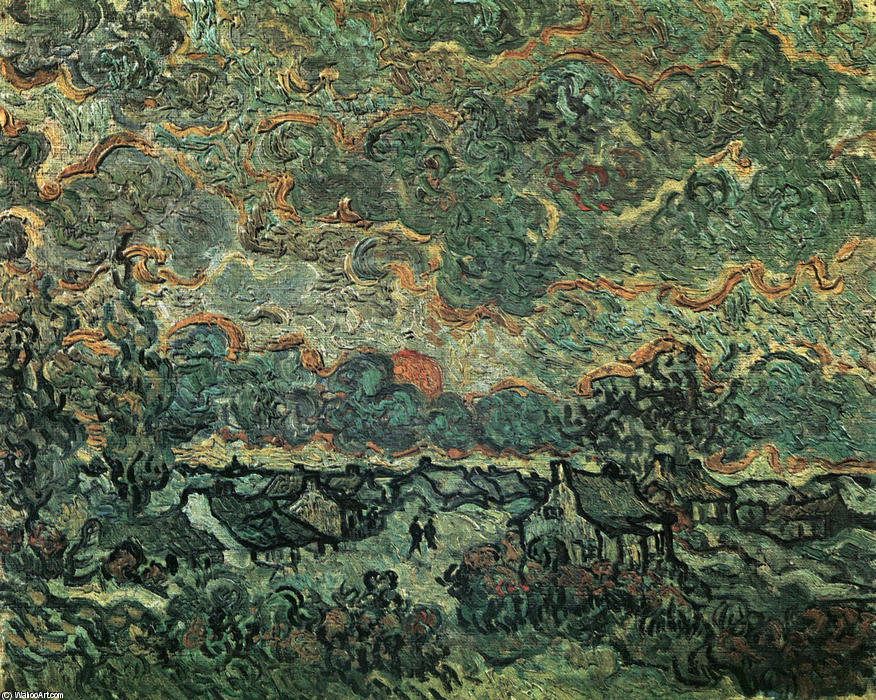
Cottages y Cypres: Reminiscencia del Norte
 Post-Impressionism
 1890
1890 36.0 x 29.0 cm
 Ver más
Reproducción al óleo hecha a mano
Óleo sobre lienzo pintado a mano en el tamaño y marco de su elección, realizado por encargo por nuestros artistas. ( Comprar impresión Comprar imagen)




P118B $10

P118H $10

P118W $10

P438Z $10

P508JH $12

P508YH $12

P805H $10

P805Z $10

P919BZ $10

P919G $10

P919XJ $10

P959ZH $10

P968JZ $12

W106C $8

W218G $10

W218JH $8

W218Y $10

W307PJ $10

W316G $10

W316PJ $8

W316Y $10

W398PJ $8

W4111J $10

W500HY $15

W500JH $15

W692G $12

W849H $8

W940BG $15

W953PJ $8




Elija entre nuestros tamaños predefinidos que respetan las proporciones originales de la obra.

Puede ingresar sus propias dimensiones para adaptarse a un marco o espacio específico. Si el tamaño seleccionado no coincide con las proporciones de la imagen original, recortaremos la obra o extenderemos la pintura con elementos adicionales pintados a mano. Se le enviará una maqueta digital para su aprobación antes de comenzar la producción.
Tenga en cuenta que la vista previa en pantalla no refleja el recorte o la extensión reales. Solo la maqueta mostrará con precisión la composición final.
Si bien existen tamaños personalizados, recomendamos seleccionar una dimensión de la lista predefinida para preservar las proporciones originales.
Tras realizar el pedido, el equipo de ArtsDot.com enviará un correo electrónico al cliente para solicitar instrucciones y proporcionarle una vista previa del boceto.
Envío a todo el mundo () en 3-4 semanas en lugar de las 5 semanas estándar. (29 agosto). Sin comprometer la calidad.

Envío exprés gratuito a todo el mundo

Lienzo de lino de alta calidad

Seguro de envío total

Garantía de reembolso de impuestos aduaneros

Garantía de fidelidad cromática exacta

Política de devolución de 60 días (solo por defectos)

Garantía de devolución del 100% del dinero

Descuento por cantidad
 La opción de vidrio solo está disponible en tamaños inferiores a 110 cm.

Cottages y Cypres: Reminiscencia del Norte
Técnica de reproducción
Dimensiones de la reproducción
-


Precio total final
$ 263
Cottages and Cypresses: Reminiscence of the North
Vincent van Gogh’s “Cottages and Cypresses: Reminiscence of the North,” painted in 1890, is a breathtaking testament to his singular Post-Impressionist vision. Executed on canvas measuring 36 x 29 cm and currently residing within the Musée Réattu in Arles, France, this artwork transcends mere representation; it embodies an emotional landscape sculpted by memory and infused with profound symbolism. The painting captures a serene scene of rural Drenthe—a cluster of humble cottages nestled amongst towering cypress trees against a dramatic sky ablaze with turbulent clouds—a poignant reflection on Van Gogh’s formative years and his enduring fascination with the natural world.Composition and Style
The artist's masterful technique is immediately apparent upon observation. Thick impasto brushstrokes dominate the surface, creating palpable texture that conveys both solidity and movement. Vibrant hues – predominantly blues and greens – intertwine to depict the cypress trees and distant hillsides, while warmer tones illuminate the cottages’ interiors. This expressive style aligns perfectly with Van Gogh's broader artistic philosophy, rejecting Impressionistic fleetingness in favor of capturing subjective experience and conveying intense emotion. The pyramidal composition draws the viewer’s eye upwards towards the sky, emphasizing its dominance and mirroring the artist’s preoccupation with spiritual contemplation.Artistic Influences
Van Gogh’s oeuvre demonstrates a remarkable sensitivity to artistic currents circulating during his time. While firmly rooted in Impressionism—evident in his earlier works like “Crab on Its Back”—he actively sought inspiration from artists who championed emotional intensity and symbolic resonance. Notably, he admired the landscapes of Jean-François Millet, whose depictions of peasant life resonated with Van Gogh’s humanist convictions. Furthermore, the influence of German Expressionism is palpable in the painting's dramatic use of color and its emotionally charged brushwork—a stylistic precursor to movements that would redefine artistic expression in subsequent decades.Other Works by Van Gogh
To appreciate the breadth of Van Gogh’s artistic genius, consider these notable pieces: “L’Arlesienne, Madame Joseph-Michel Ginoux,” portraying a captivating portrait of his muse; “Vineyards with a View of Auvers,” capturing the melancholic beauty of Provence; “Portrait of Adeline Ravoux,” revealing an intimate glimpse into Van Gogh's personal life; and “Wheat Field,” symbolizing hope amidst hardship—each masterpiece exemplifies his distinctive approach to depicting reality.Van Gogh’s Cypresses
The cypress trees featured prominently in "Cottages and Cypresses" hold a special significance for Van Gogh, who frequently employed them as motifs throughout his artistic journey. Symbolically representing death and mourning—yet simultaneously embodying resilience and aspiration—cypress trees served as visual metaphors for themes of mortality and regeneration. Their upward-reaching form reflects Van Gogh’s spiritual yearning and his desire to transcend earthly limitations—a motif that would recur in many of his later paintings, cementing his place as one of the most emotionally resonant artists of all time.- Explore Vincent van Gogh’s serene ‘Cottages’ series – evocative landscapes of rural life in Drenthe. Admire textured brushstrokes & post-impressionist beauty.
- Vincent van Gogh (1853-1890): Dutch Post-Impressionist master known for bold colors, emotional landscapes & iconic works like ‘Starry Night’. Explore his sunflowers, portraits & lasting impact on modern art at ArtsDot.
- Delve into Vincent van Gogh’s artistic journey at the Rijksmuseum Vincent Van Gogh, Amsterdam! Explore iconic paintings, drawings & letters showcasing his unique style and emotional depth – a must-visit for art lovers.
- Discover the portraits of Willem Bartel van der Kooi, a renowned Friesland painter (1768-1836). Explore his works featuring nobility & bourgeoisie, now on ArtsDot.com!
- Explore Vincent van Gogh’s life and legacy at Amsterdam’s iconic museum! Discover his life, art (Sunflowers!), and lasting impact on modern art through paintings, letters & immersive exhibits.
Obras relacionadas
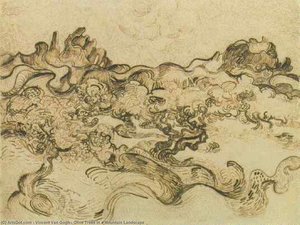
![Montañas En Saint-rémy [1889] — Vincent Willem Van Gogh, Postimpresionismo](/media/artworks/images-thumb/df/6c/df6c275b8bed8ab1ba3b1aead3acea1b.jpg)
Biografía del artista
Vincent van Gogh: Vida, Arte y Legado
Primeros Años e Influencias
- Nacido el 30 de marzo de 1853 en Groot-Zundert, Países Bajos, Vincent Willem van Gogh fue el mayor de seis hijos.
- Su padre, Teodorus van Gogh, era un ministro protestante, y su crianza estuvo profundamente influenciada por la religión.
- Sus primeros intereses incluían dibujar, pero persiguió varios oficios antes de dedicarse a las artes. Trabajó como comerciante de arte, maestro y misionero.
- Influencias Clave: Las primeras influencias incluyeron a los Maestros holandeses como Rembrandt van Rijn y Frans Hals, así como a los pintores franceses contemporáneos Jean-François Millet y Camille Corot.
Desarrollo Artístico y Estilo
- Van Gogh comenzó a pintar seriamente en 1880, principalmente de forma autodidacta.
- Sus primeras obras se centraron en representar la vida de los campesinos y trabajadores, reflejando su empatía por la clase trabajadora.
- Una mudanza a París en 1886 lo expuso al Impresionismo y Postimpresionismo, lo que llevó a una paleta más brillante y a la experimentación con nuevas técnicas.
- Estilo Distintivo: Van Gogh desarrolló un estilo altamente individual caracterizado por colores audaces, pinceladas expresivas e intensidad emocional. A menudo utilizaba el *impasto* – capas gruesas de pintura – para crear textura y transmitir sentimiento.
Períodos Clave y Obras
- El Período Holandés (1880-1886): Se centró en tonos oscuros y terrosos y en la representación de la vida rural. Obras notables incluyen Los Comedores de Patatas.
- El Período Parísino (1886-1888): Experimentación con técnicas impresionistas y colores más brillantes.
- El Período de Arles (1888-1889): Un período de intensa creatividad marcado por paisajes vibrantes, retratos y bodegones. Obras clave incluyen Girasoles, El Café Nocturno y Estrellas sobre el Río Rodano.
- Saint-Rémy y Auvers-sur-Oise (1889-1890): Después de un colapso mental, Van Gogh ingresó voluntariamente a un asilo en Saint-Rémy. Sus últimos años estuvieron marcados por una continua producción artística pero también por un creciente sufrimiento emocional. Obras notables incluyen La Noche Estrellada y retratos del Dr. Gachet.
Logros Importantes y Reconocimiento
- A pesar de luchar contra la enfermedad mental y enfrentarse al rechazo durante su vida, Van Gogh creó más de 2,100 obras de arte en poco más de una década – aproximadamente 860 pinturas en óleo.
- Su obra influyó profundamente en el desarrollo del arte moderno, particularmente en el Expresionismo y el Fauvismo.
- Fama Póstuma: El reconocimiento llegó después de su muerte en 1890. Sus obras ganaron popularidad creciente a principios del siglo XX, convirtiéndose en algunas de las obras de arte más reconocibles y valiosas del mundo.
Significado Histórico y Legado
- La obra de Van Gogh sigue resonando con el público actual debido a su honestidad emocional, colores vibrantes y poderosa expresión de la experiencia humana.
- Se considera uno de los personajes más importantes en la historia del arte occidental, inspirando a generaciones de artistas.
- Su vida ha llegado a ser un símbolo del “artista atormentado”, aunque esta narrativa a menudo eclipsa su dedicación, habilidad y visión artística.
- Museos de todo el mundo, incluido el Museo Van Gogh en Ámsterdam, exhiben su obra y celebran su perdurable legado.
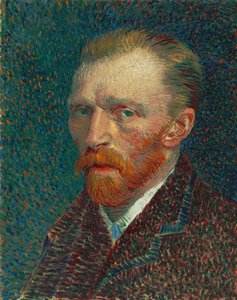
vincent willem van gogh
1853 - 1890 , Países Bajos
Datos clave
- Artistic Movement Or Style: Postimpresionismo
- Artists Or Movements Influenced By This Artist:
- Expresionismo
- Fauvismo
- Artists Who Influenced This Artist:
- Rembrandt
- Millet
- Date Of Birth: 30 de marzo 1853
- Date Of Death: 29 de julio 1890
- Full Name: Vincent Willem van Gogh
- Nationality: Holandés
- Notable Artworks:
- Los Comedores de Patatas
- Girasoles
- La Noche Estrellada
- Place Of Birth: Zundert, Países Bajos
Artículos relacionados
Los 10 Maestros del Postimpresionismo: Obras que Revolucionaron el Arte |
Descubre los 10 cuadros más influyentes del Postimpresionismo: Van Gogh, Monet, Cézanne y más. Explora la historia, técnica y significado de estas obras maestras. Reproducciones de arte en para decorar tu hogar con estilo.

Paul Cézanne: Las 25 Obras Maestras que Definieron el Arte Moderno | ArtsDot
Descubre las 25 obras maestras de Paul Cézanne que revolucionaron el arte moderno. Explora su técnica, inspiración y significado en paisajes, bodegones y retratos. Reproducciones de alta calidad para decorar tu hogar con arte inolvidable. ¡Explora la colección completa en ArtsDot.com!
Decoding Van Gogh's Turmoil: ArtsDot’s Masterful Reproductions of Emotional Depth
Discover exquisite Van Gogh reproductions from ArtsDot – expert art specialists offering museum-quality prints & custom paintings. Trust our authentic process and elevate your collection today.
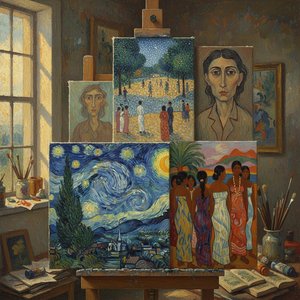
Más Allá del Impresionismo: Profundizando en la Emoción y el Simbolismo Postimpresionista
Descubre la profundidad emocional y el simbolismo del Postimpresionismo con ArtsDot. Análisis experto de Cézanne, Van Gogh, Gauguin y más. Explora la historia y el legado de este fascinante movimiento artístico.
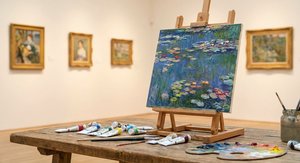
Impresionismo: 10 Obras Maestras que Capturan la Luz y el Momento
Descubre 10 obras maestras del impresionismo de Monet, Renoir y Degas. Explora la luz, el color y las historias detrás de estos icónicos cuadros. Reproducciones de arte en ArtsDot.com para decorar tu hogar con estilo.