

 Ver en contexto
 Enviar
 Compartir
 Detalles

 Descargar
 Similares
 Radiografía
 Presentación de diapositivas
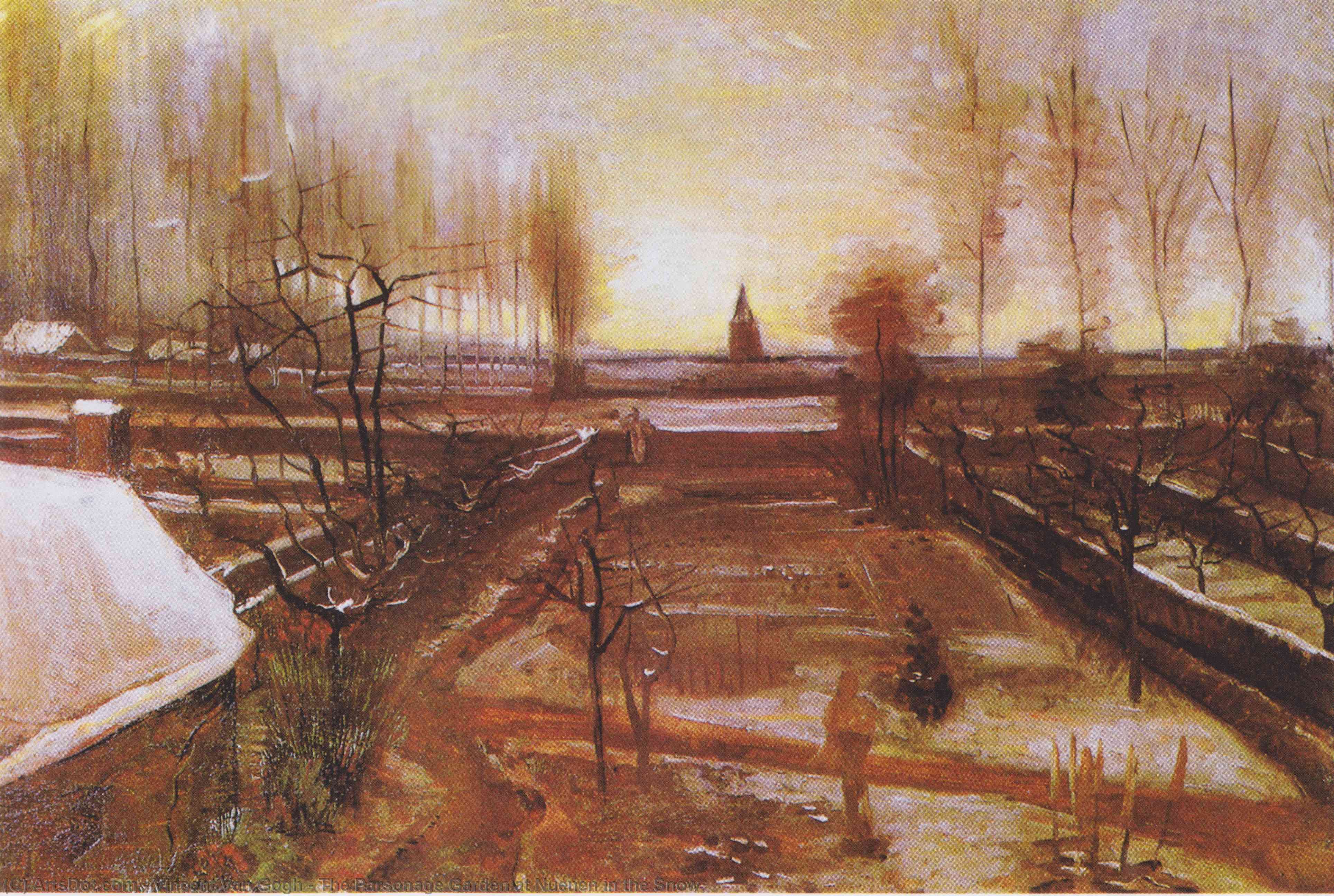
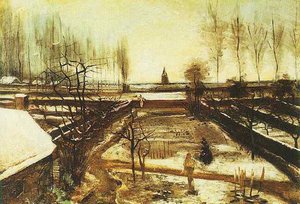
El jardín de la iglesia en Nuenen bajo la nieve


 Ver más
Adquiera una imagen digital de alta resolución y optimizada, muy superior a la vista previa en línea.
Cada archivo es preparado meticulosamente por nuestros especialistas internos mediante el uso de herramientas avanzadas y un experto retoque manual. Nos aseguramos de que cada imagen posea una claridad excepcional, una precisión cromática impecable y un detalle minucioso.
El archivo final se entrega por correo electrónico en un plazo de 72 horas, optimizado para su uso inmediato en entornos profesionales, editoriales y de impresión. Esta es la misma calidad en la que confían los estudios de diseño, las editoriales y las galerías de primer nivel.
Imagen Digital
Descarga un archivo de alta resolución para exhibición personal, impresión y proyectos creativos. ( Comprar impresión Comprar pintura hecha a mano)
Incluido en cada pedido de imágenes digitales
Entrega digital experta, garantizada.
Al elegir ArtsDot.com, no solo está adquiriendo una imagen; está recibiendo una obra de arte digital mejorada profesionalmente, elaborada con precisión y respaldada por una garantía de satisfacción. Esto es todo lo que incluye su pedido, automáticamente:

Entrega rápida por email
Recibirá su archivo de imagen digital en alta resolución por correo electrónico en un plazo de 72 horas tras realizar su pedido, listo para su uso inmediato.

Archivo digital optimizado por IA
Su obra de arte se optimiza profesionalmente mediante herramientas avanzadas de IA y edición manual, garantizando el máximo detalle, claridad y precisión cromática.

Reenvío gratuito de por vida
¿Has borrado o perdido tu archivo por error? No te preocupes: te lo volveremos a enviar en cualquier momento, sin coste adicional.

Sin gastos de importación, siempre
Disfrute de su obra de arte al instante sin aduanas, aranceles ni gastos de envío; las descargas digitales siempre están libres de impuestos.

Garantía de fidelidad de color
Garantizamos que su imagen digital refleje los colores originales con la mayor fidelidad posible, mediante el uso de herramientas profesionales y gestión del color.

Garantía de satisfacción de 60 días
Si no está satisfecho con su imagen digital, la revisaremos o le reembolsaremos el 100% en un plazo de 60 días, sin preguntas.

100% Garantía de devolución de dinero
¿No está satisfecho? Obtenga un reembolso completo dentro de los 60 días posteriores a la recepción de su archivo digital, sin necesidad de explicaciones.

Descuentos por pedidos grandes
Compra 3 imágenes, ahorra 10% - Compra 5, ahorra 15% - Compra 10+, ahorra 20%. Ideal para proyectos creativos, galerías y agencias.
A Winter Reverie Captured in Bold Strokes
The Parsonage Garden at Nuenen in the Snow, painted by Vincent van Gogh in 1885, isn’t merely a depiction of a winter landscape; it's an embodiment of tranquility and contemplation rendered with unparalleled expressive power. Situated in Nuenen, Netherlands – where Van Gogh sought solace after relocating from Paris – this oil on canvas captures a scene bathed in the muted hues of twilight as the last rays of sunlight struggle to pierce through the dense branches of trees. More than just observation, it’s an attempt to distill the very essence of winter's stillness onto the canvas.Realism Infused with Emotion: Van Gogh’s Distinctive Style
Van Gogh’s artistic approach defies categorization, firmly rooted in Realism yet pulsating with Impressionistic fervor. Unlike his contemporaries who prioritized accurate representation, he deliberately employed bold brushstrokes and vibrant colors – a hallmark of Post-Impressionism – to convey not just what he saw but how he *felt*. The swirling patterns of paint create an illusion of movement, mirroring the subtle shifts in light and shadow that characterize a snowy day. This technique wasn’t simply about visual accuracy; it was about channeling emotion onto the canvas, transforming observation into subjective experience.The Church as Focal Point: Symbolism Within Landscape
Dominating the background is the church spire of Nuenen’s Protestant parish, serving as a powerful compositional element and carrying significant symbolic weight. For Van Gogh, deeply influenced by his religious upbringing, the church represented faith, stability, and moral grounding – concepts he wrestled with throughout his life. Its presence amidst the wintry garden underscores the juxtaposition between earthly beauty and spiritual aspiration, prompting viewers to consider themes of hope and resilience.Detailed Observation: Technique and Texture
The artist meticulously rendered the textures of the snow-covered ground and foliage, utilizing layering techniques to build up depth and luminosity. Notice the delicate brushstrokes capturing the glistening surface of the snow, contrasted with thicker impasto – heavily textured paint – applied to the tree trunks and branches. This deliberate manipulation of texture isn’t accidental; it's integral to conveying the materiality of the scene and enhancing its emotional impact. The artist’s painstaking attention to detail elevates this landscape painting beyond mere visual representation into a profound statement about perception and feeling.A Legacy Enduring Through Reproduction
Like many of Van Gogh’s masterpieces, ‘The Parsonage Garden at Nuenen in the Snow’ continues to inspire artists and captivate audiences worldwide. High-quality reproductions offer an opportunity to experience this iconic artwork firsthand, bringing its serene beauty and emotive power into any interior space. Explore similar works by Van Gogh – including *Backyards of Old Houses in Antwerp in the Snow* and *Parsonage Garden in the Snow with Three Figures* – available on ArtsDot and delve deeper into Vincent van Gogh’s artistic vision at https://en.wikipedia.org/wiki/Vincent_van_Gogh. Consider visiting The Oskar Reinhart Collection Winterthur, Switzerland: https://www.oskarreinhardtcollection.ch/, to immerse yourself in a stunning collection of European art from the 18th and 19th centuries.Obras relacionadas
Biografía del artista
Vincent van Gogh: Vida, Arte y Legado
Primeros Años e Influencias
- Nacido el 30 de marzo de 1853 en Groot-Zundert, Países Bajos, Vincent Willem van Gogh fue el mayor de seis hijos.
- Su padre, Teodorus van Gogh, era un ministro protestante, y su crianza estuvo profundamente influenciada por la religión.
- Sus primeros intereses incluían dibujar, pero persiguió varios oficios antes de dedicarse a las artes. Trabajó como comerciante de arte, maestro y misionero.
- Influencias Clave: Las primeras influencias incluyeron a los Maestros holandeses como Rembrandt van Rijn y Frans Hals, así como a los pintores franceses contemporáneos Jean-François Millet y Camille Corot.
Desarrollo Artístico y Estilo
- Van Gogh comenzó a pintar seriamente en 1880, principalmente de forma autodidacta.
- Sus primeras obras se centraron en representar la vida de los campesinos y trabajadores, reflejando su empatía por la clase trabajadora.
- Una mudanza a París en 1886 lo expuso al Impresionismo y Postimpresionismo, lo que llevó a una paleta más brillante y a la experimentación con nuevas técnicas.
- Estilo Distintivo: Van Gogh desarrolló un estilo altamente individual caracterizado por colores audaces, pinceladas expresivas e intensidad emocional. A menudo utilizaba el *impasto* – capas gruesas de pintura – para crear textura y transmitir sentimiento.
Períodos Clave y Obras
- El Período Holandés (1880-1886): Se centró en tonos oscuros y terrosos y en la representación de la vida rural. Obras notables incluyen Los Comedores de Patatas.
- El Período Parísino (1886-1888): Experimentación con técnicas impresionistas y colores más brillantes.
- El Período de Arles (1888-1889): Un período de intensa creatividad marcado por paisajes vibrantes, retratos y bodegones. Obras clave incluyen Girasoles, El Café Nocturno y Estrellas sobre el Río Rodano.
- Saint-Rémy y Auvers-sur-Oise (1889-1890): Después de un colapso mental, Van Gogh ingresó voluntariamente a un asilo en Saint-Rémy. Sus últimos años estuvieron marcados por una continua producción artística pero también por un creciente sufrimiento emocional. Obras notables incluyen La Noche Estrellada y retratos del Dr. Gachet.
Logros Importantes y Reconocimiento
- A pesar de luchar contra la enfermedad mental y enfrentarse al rechazo durante su vida, Van Gogh creó más de 2,100 obras de arte en poco más de una década – aproximadamente 860 pinturas en óleo.
- Su obra influyó profundamente en el desarrollo del arte moderno, particularmente en el Expresionismo y el Fauvismo.
- Fama Póstuma: El reconocimiento llegó después de su muerte en 1890. Sus obras ganaron popularidad creciente a principios del siglo XX, convirtiéndose en algunas de las obras de arte más reconocibles y valiosas del mundo.
Significado Histórico y Legado
- La obra de Van Gogh sigue resonando con el público actual debido a su honestidad emocional, colores vibrantes y poderosa expresión de la experiencia humana.
- Se considera uno de los personajes más importantes en la historia del arte occidental, inspirando a generaciones de artistas.
- Su vida ha llegado a ser un símbolo del “artista atormentado”, aunque esta narrativa a menudo eclipsa su dedicación, habilidad y visión artística.
- Museos de todo el mundo, incluido el Museo Van Gogh en Ámsterdam, exhiben su obra y celebran su perdurable legado.
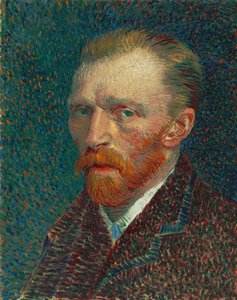
vincent willem van gogh
1853 - 1890 , Países Bajos
Breves datos
- Artistic Movement Or Style: Postimpresionismo
- Artists Or Movements Influenced By This Artist:
- Expresionismo
- Fauvismo
- Artists Who Influenced This Artist:
- Rembrandt
- Millet
- Date Of Birth: 30 de marzo 1853
- Date Of Death: 29 de julio 1890
- Full Name: Vincent Willem van Gogh
- Nationality: Holandés
- Notable Artworks:
- Los Comedores de Patatas
- Girasoles
- La Noche Estrellada
- Place Of Birth: Zundert, Países Bajos

