 Ver en contexto
 Enviar
 Compartir
 Detalles

 Descargar
 Similares
 Radiografía
 Presentación de diapositivas
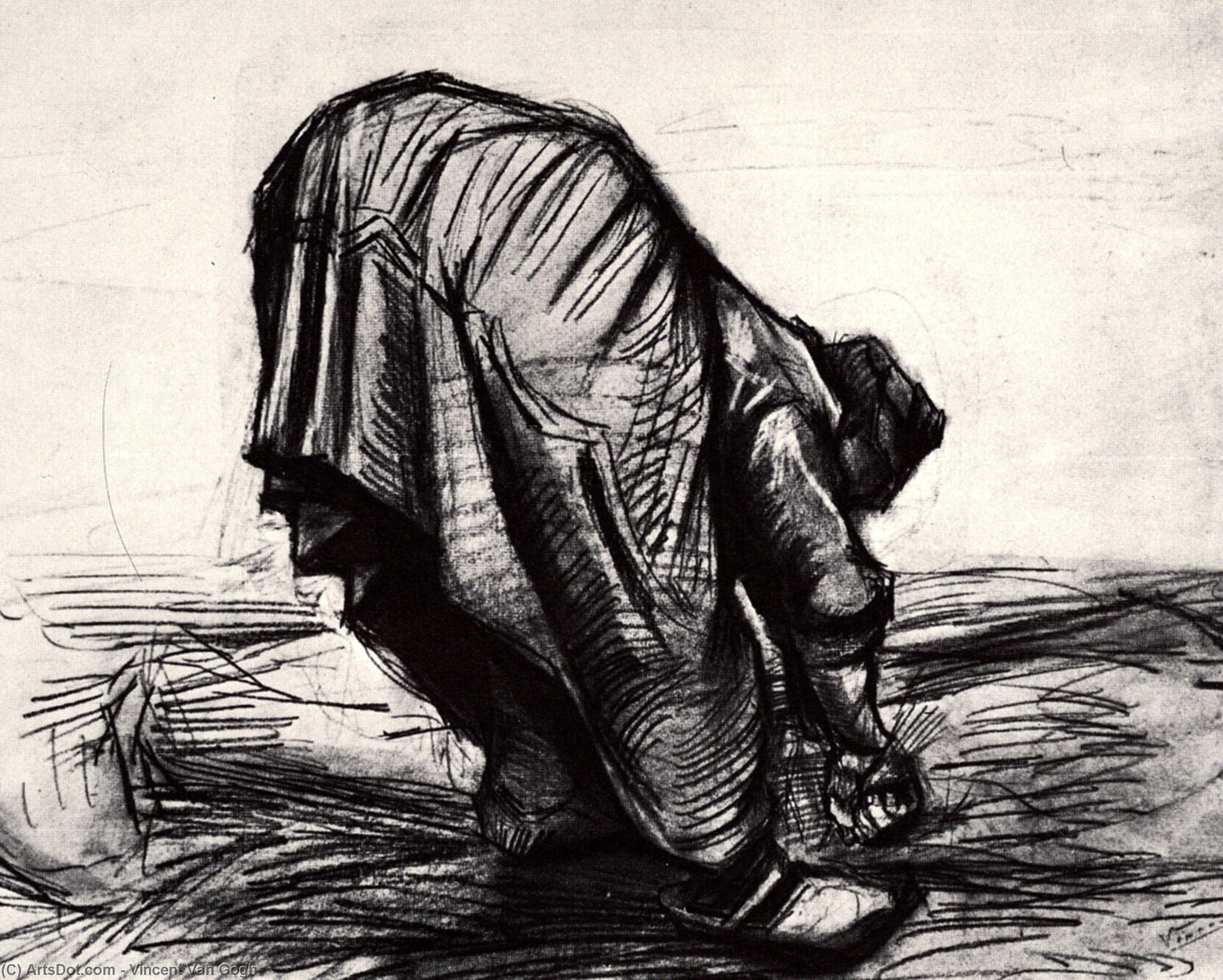
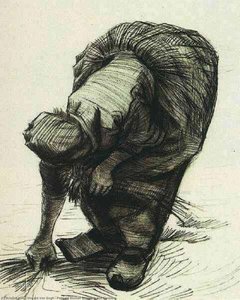
Peasant Woman, Stooping, Seen from the Back


 Ver más
Reproducción al óleo hecha a mano
Óleo sobre lienzo pintado a mano en el tamaño y marco de su elección, realizado por encargo por nuestros artistas. ( Comprar impresión Comprar imagen)




P118B $10

P118H $10

P118W $10

P438Z $10

P508JH $12

P508YH $12

P805H $10

P805Z $10

P919BZ $10

P919G $10

P919XJ $10

P959ZH $10

P968JZ $12

W106C $8

W218G $10

W218JH $8

W218Y $10

W307PJ $10

W316G $10

W316PJ $8

W316Y $10

W398PJ $8

W4111J $10

W500HY $15

W500JH $15

W692G $12

W849H $8

W940BG $15

W953PJ $8




Elija entre nuestros tamaños predefinidos que respetan las proporciones originales de la obra.

Puede ingresar sus propias dimensiones para adaptarse a un marco o espacio específico. Si el tamaño seleccionado no coincide con las proporciones de la imagen original, recortaremos la obra o extenderemos la pintura con elementos adicionales pintados a mano. Se le enviará una maqueta digital para su aprobación antes de comenzar la producción.
Tenga en cuenta que la vista previa en pantalla no refleja el recorte o la extensión reales. Solo la maqueta mostrará con precisión la composición final.
Si bien existen tamaños personalizados, recomendamos seleccionar una dimensión de la lista predefinida para preservar las proporciones originales.
Tras realizar el pedido, el equipo de ArtsDot.com enviará un correo electrónico al cliente para solicitar instrucciones y proporcionarle una vista previa del boceto.
Envío a todo el mundo () en 3-4 semanas en lugar de las 5 semanas estándar. (7 septiembre). Sin comprometer la calidad.

Envío exprés gratuito a todo el mundo

Lienzo de lino de alta calidad

Seguro de envío total

Garantía de reembolso de impuestos aduaneros

Garantía de fidelidad cromática exacta

Política de devolución de 100 días (solo por defectos)

Garantía de devolución del 100% del dinero

Descuento por cantidad
 La opción de vidrio solo está disponible en tamaños inferiores a 110 cm.

Peasant Woman, Stooping, Seen from the Back
Técnica de reproducción
Dimensiones de la reproducción
-


Precio total final
$ 263
The Quiet Dignity of Toil
In the somber, evocative depths of Vincent van Gogh’s 1885 drawing, Peasant Woman, Stooping, Seen from the Back, we encounter a moment of profound stillness captured through the raw medium of chalk. Before his name became synonymous with the explosive, sun-drenched yellows of Arles, Van Gogh was a master of the earthy, much more grounded Realism that defined his early years in the Netherlands. This particular work serves as a poignant window into his deep-seated empathy for the working class. The subject, a woman bent low in labor, is presented not as a portrait of an individual, but as a universal symbol of the resilience and quiet strength found within the rural landscape. By choosing to depict her from behind, Van Gogh strips away the distraction of facial expression, forcing the viewer to find emotion in the very curve of her spine and the heavy weight of her posture.
The composition is an intimate study of form and shadow, where the figure dominates the frame with a monumental presence. There is a rhythmic quality to her bent form that anchors the piece, creating a sense of gravity that mirrors the physical burden of her task. The background remains a soft, blurred suggestion of an outdoor setting—perhaps a garden or a field—which prevents the eye from wandering and keeps the focus locked onto the tactile reality of the woman's silhouette. This deliberate lack of spatial depth creates an immediate, almost claustrophobic intimacy, pulling the observer into her private world of exertion and endurance.
A Masterclass in Monochrome Texture
Technically, this work is a testament to Van Gogh’s ability to breathe life into the simplest of materials. Using only chalk on paper, he achieves a remarkable range of tonal depth that rivals much more complex oil paintings. Through the masterful application of hatching and cross-hatching, the artist builds layers of shadow that define the heavy folds of the woman's clothing and the muscular contours of her body. These lines are not merely descriptive; they are expressive, possessing a nervous, energetic quality that suggests movement even in a moment of stillness. The texture of the paper itself becomes part of the narrative, with the grain interacting with the chalk to create a sense of roughness and grit that perfectly complements the subject matter.
The monochromatic palette, consisting of varying shades of gray and white, lends the piece an atmospheric, timeless quality. Without the distraction of color, the viewer is invited to contemplate the interplay of light and dark—the way a soft, diffused light seems to fall upon an overcast day, casting gentle shadows that give the figure a sculptural weight. For the collector or interior designer, this piece offers a sophisticated elegance; its neutral tones allow it to integrate seamlessly into a variety of high-end decor styles, from minimalist modernism to rustic traditionalism, providing a focal point of intellectual and emotional depth.
The Legacy of Empathy
To understand this drawing is to understand the influence of Jean-François Millet on Van Gogh’s burgeoning vision. Much like Millet, Van Gogh sought to find the sacred within the mundane, elevating the peasant laborer to a figure of noble character. This piece is a precursor to the more famous, vibrant works of his later career, yet it possesses a somber, grounded honesty that is uniquely captivating. It captures the essence of a life defined by struggle, yet it does so without sentimentality, offering instead a tribute to the dignity of the human spirit.
Owning a high-quality reproduction of this masterpiece allows one to bring a piece of art history’s most profound emotional journey into a contemporary space. It is more than a decoration; it is an invitation to reflect on the beauty of resilience and the quiet, often unnoticed, contributions of those who labor in the shadows. Whether placed in a quiet study or a grand living area, Peasant Woman, Stooping, Seen from the Back serves as a powerful reminder of the enduring strength found in the simplest of human experiences.
Obras relacionadas
Biografía del artista
Vincent van Gogh: Vida, Arte y Legado
Primeros Años e Influencias
- Nacido el 30 de marzo de 1853 en Groot-Zundert, Países Bajos, Vincent Willem van Gogh fue el mayor de seis hijos.
- Su padre, Teodorus van Gogh, era un ministro protestante, y su crianza estuvo profundamente influenciada por la religión.
- Sus primeros intereses incluían dibujar, pero persiguió varios oficios antes de dedicarse a las artes. Trabajó como comerciante de arte, maestro y misionero.
- Influencias Clave: Las primeras influencias incluyeron a los Maestros holandeses como Rembrandt van Rijn y Frans Hals, así como a los pintores franceses contemporáneos Jean-François Millet y Camille Corot.
Desarrollo Artístico y Estilo
- Van Gogh comenzó a pintar seriamente en 1880, principalmente de forma autodidacta.
- Sus primeras obras se centraron en representar la vida de los campesinos y trabajadores, reflejando su empatía por la clase trabajadora.
- Una mudanza a París en 1886 lo expuso al Impresionismo y Postimpresionismo, lo que llevó a una paleta más brillante y a la experimentación con nuevas técnicas.
- Estilo Distintivo: Van Gogh desarrolló un estilo altamente individual caracterizado por colores audaces, pinceladas expresivas e intensidad emocional. A menudo utilizaba el *impasto* – capas gruesas de pintura – para crear textura y transmitir sentimiento.
Períodos Clave y Obras
- El Período Holandés (1880-1886): Se centró en tonos oscuros y terrosos y en la representación de la vida rural. Obras notables incluyen Los Comedores de Patatas.
- El Período Parísino (1886-1888): Experimentación con técnicas impresionistas y colores más brillantes.
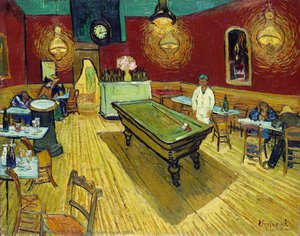
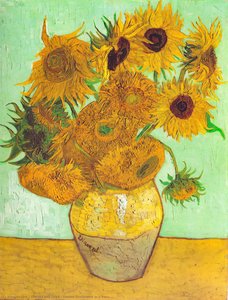
- El Período de Arles (1888-1889): Un período de intensa creatividad marcado por paisajes vibrantes, retratos y bodegones. Obras clave incluyen Girasoles, El Café Nocturno y Estrellas sobre el Río Rodano.
- Saint-Rémy y Auvers-sur-Oise (1889-1890): Después de un colapso mental, Van Gogh ingresó voluntariamente a un asilo en Saint-Rémy. Sus últimos años estuvieron marcados por una continua producción artística pero también por un creciente sufrimiento emocional. Obras notables incluyen La Noche Estrellada y retratos del Dr. Gachet.
Logros Importantes y Reconocimiento
- A pesar de luchar contra la enfermedad mental y enfrentarse al rechazo durante su vida, Van Gogh creó más de 2,100 obras de arte en poco más de una década – aproximadamente 860 pinturas en óleo.
- Su obra influyó profundamente en el desarrollo del arte moderno, particularmente en el Expresionismo y el Fauvismo.
- Fama Póstuma: El reconocimiento llegó después de su muerte en 1890. Sus obras ganaron popularidad creciente a principios del siglo XX, convirtiéndose en algunas de las obras de arte más reconocibles y valiosas del mundo.
Significado Histórico y Legado
- La obra de Van Gogh sigue resonando con el público actual debido a su honestidad emocional, colores vibrantes y poderosa expresión de la experiencia humana.
- Se considera uno de los personajes más importantes en la historia del arte occidental, inspirando a generaciones de artistas.
- Su vida ha llegado a ser un símbolo del “artista atormentado”, aunque esta narrativa a menudo eclipsa su dedicación, habilidad y visión artística.
- Museos de todo el mundo, incluido el Museo Van Gogh en Ámsterdam, exhiben su obra y celebran su perdurable legado.
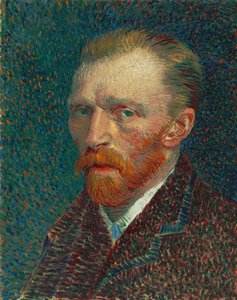
vincent willem van gogh
1853 - 1890 , Países Bajos
Datos clave
- Artistic Movement Or Style: Postimpresionismo
- Artists Or Movements Influenced By This Artist:
- Expresionismo
- Fauvismo
- Artists Who Influenced This Artist:
- Rembrandt
- Millet
- Date Of Birth: 30 de marzo 1853
- Date Of Death: 29 de julio 1890
- Full Name: Vincent Willem van Gogh
- Nationality: Holandés
- Notable Artworks:
- Los Comedores de Patatas
- Girasoles
- La Noche Estrellada
- Place Of Birth: Zundert, Países Bajos
Artículos relacionados

Rembrandt van Rijn: Las 25 Obras Maestras que Definen un Genio | Arte, Historia y Decoración
Descubre las 25 obras maestras de Rembrandt van Rijn, el genio del barroco holandés. Explora su historia, técnica y simbolismo en retratos icónicos como 'La Ronda Nocturna'. Encuentra reproducciones de arte exclusivas para decorar tu hogar con ArtsDot.com.
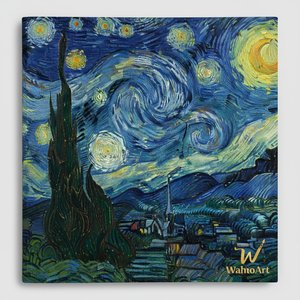
Decoding Van Gogh's Turmoil: ArtsDot’s Masterful Reproductions of Emotional Depth
Discover exquisite Van Gogh reproductions from ArtsDot – expert art specialists offering museum-quality prints & custom paintings. Trust our authentic process and elevate your collection today.
Los 10 Maestros del Postimpresionismo: Obras que Revolucionaron el Arte |
Descubre los 10 cuadros más influyentes del Postimpresionismo: Van Gogh, Monet, Cézanne y más. Explora la historia, técnica y significado de estas obras maestras. Reproducciones de arte en para decorar tu hogar con estilo.
Los 10 Maestros del Primitivo Flamenco: Obras que Definen un Arte Inigualable | ArtsDot
Descubre los 10 imprescindibles del Primitivo Flamenco: Jan van Eyck, Robert Campin y más. Explora la historia, simbolismo y técnica de estas obras maestras renacentistas tempranas. Encuentra reproducciones de arte de museo en ArtsDot.com.
Impressionistic Realism's Finest: 10 Masterpieces for Your Home | ArtsDot
Journey through Impressionistic Realism with 10 iconic masterpieces by Monet, Renoir & Van Gogh. Explore art history, techniques & find museum-quality reproductions for your home at ArtsDot.com. Discover all masterpieces online!
![Irises [1889]](/media/artworks/images-thumb/ca/85/ca85582a4fd1dc392efef83ec4dc3124.jpg)