 Ver en contexto
 Enviar
 Compartir
 Detalles

 Descargar
 Similares
 Radiografía
 Presentación de diapositivas
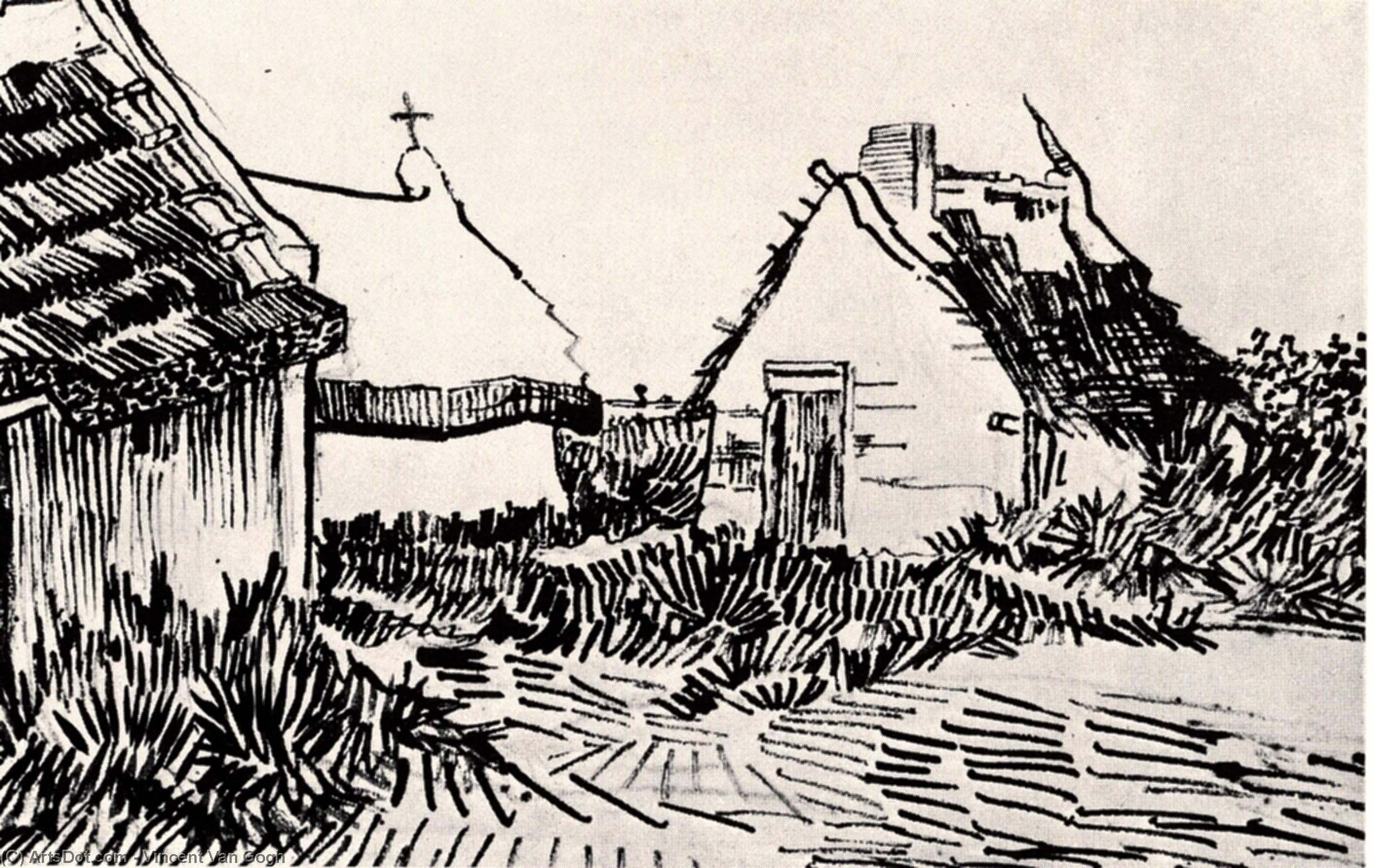
Three Cottages in Saintes-Maries


 Ver más
Reproducción al óleo hecha a mano
Óleo sobre lienzo pintado a mano en el tamaño y marco de su elección, realizado por encargo por nuestros artistas. ( Comprar impresión Comprar imagen)




P118B $10

P118H $10

P118W $10

P438Z $10

P508JH $12

P508YH $12

P805H $10

P805Z $10

P919BZ $10

P919G $10

P919XJ $10

P959ZH $10

P968JZ $12

W106C $8

W218G $10

W218JH $8

W218Y $10

W307PJ $10

W316G $10

W316PJ $8

W316Y $10

W398PJ $8

W4111J $10

W500HY $15

W500JH $15

W692G $12

W849H $8

W940BG $15

W953PJ $8




Elija entre nuestros tamaños predefinidos que respetan las proporciones originales de la obra.

Puede ingresar sus propias dimensiones para adaptarse a un marco o espacio específico. Si el tamaño seleccionado no coincide con las proporciones de la imagen original, recortaremos la obra o extenderemos la pintura con elementos adicionales pintados a mano. Se le enviará una maqueta digital para su aprobación antes de comenzar la producción.
Tenga en cuenta que la vista previa en pantalla no refleja el recorte o la extensión reales. Solo la maqueta mostrará con precisión la composición final.
Si bien existen tamaños personalizados, recomendamos seleccionar una dimensión de la lista predefinida para preservar las proporciones originales.
Tras realizar el pedido, el equipo de ArtsDot.com enviará un correo electrónico al cliente para solicitar instrucciones y proporcionarle una vista previa del boceto.
Envío a todo el mundo () en 3-4 semanas en lugar de las 5 semanas estándar. (31 agosto). Sin comprometer la calidad.

Envío exprés gratuito a todo el mundo

Lienzo de lino de alta calidad

Seguro de envío total

Garantía de reembolso de impuestos aduaneros

Garantía de fidelidad cromática exacta

Política de devolución de 60 días (solo por defectos)

Garantía de devolución del 100% del dinero

Descuento por cantidad
 La opción de vidrio solo está disponible en tamaños inferiores a 110 cm.

Three Cottages in Saintes-Maries
Técnica de reproducción
Dimensiones de la reproducción
-


Precio total final
$ 263
A Rural Reverie Captured in Ink
The allure of Vincent van Gogh's "Three Cottages in Saintes-Maries" transcends mere visual representation; it embodies the very spirit of Post-Impressionism—a movement born from a profound dissatisfaction with the prevailing artistic conventions of its time. Created in 1888 during his transformative stay in Saintes-Maries-de-la-Mer, Provence, France, this deceptively simple ink drawing offers an intimate glimpse into Van Gogh’s inner world and his unwavering fascination with the raw beauty of the natural landscape. It is far more than a mere depiction of rustic architecture; it is a vessel for mood, capturing an atmosphere of profound tranquility that speaks volumes about the artist’s emotional state during one of his most creatively fertile periods.
In this delicate work, the subject matter remains grounded in the pastoral simplicity of the French countryside. The composition features three cottages nestled closely together, their forms delineated with a rhythmic precision that suggests both stability and life. A small building sits near the center of the scene, acting as an anchor for the eye, while the subtle presence of two figures—one standing near the left cottage and another positioned toward the middle—infuses the landscape with a sense of human connection to the earth. The black and white medium strips away the distraction of color, forcing the viewer to confront the structural elegance and the quiet, rhythmic pulse of the rural setting.
The Pulse of Post-Impressionist Technique
To understand this piece is to understand the transition from observation to expression. While the Impressionists sought to capture the fleeting dance of light upon a surface, Van Gogh and his Post-Impressionist contemporaries sought to express subjective experience—their feelings, perceptions, and memories. In "Three Cottages," this is achieved through bold, energetic lines that do not merely outline shapes but seem to vibrate with an inherent life force. Even in the absence of his signature thick impasto, the ink work possesses a textural quality; the deliberate weight of the strokes creates a sense of immediacy and movement that invites the viewer into the scene.
For the collector or interior designer, this drawing offers a masterclass in balance and contrast. The interplay between the dark, decisive ink marks and the starkness of the paper creates a visual tension that is both sophisticated and calming. It serves as an exquisite focal point for a space that values minimalist elegance or rustic charm, providing a window into a moment of historical peace. The technique demonstrates how Van Gogh could achieve profound depth and emotional resonance using nothing more than the simplest of tools, making it a timeless piece for any curated collection.
A Legacy of Light and Emotion
The historical context of this work is inseparable from the sun-drenched landscapes of Provence. For Van Gogh, Saintes-Maries provided an environment ripe for artistic contemplation, where the Mediterranean light could inspire new ways of seeing. This drawing serves as a precursor to his more famous, color-saturated oil paintings, acting as a structural blueprint for his explorations of light and form. There is a certain symbolism in the cottages themselves—they represent a sanctuary, a grounded existence amidst the turbulent currents of the artist's own psychological journey.
Owning a high-quality reproduction of this masterpiece allows one to bring a piece of art history into the modern home. It is an invitation to slow down and engage with the quietude of the French countryside. Whether placed in a sunlit study or a contemporary living area, "Three Cottages in Saintes-Maries" radiates a sense of enduring peace and artistic integrity, reminding us that even in the simplest lines, there lies an infinite capacity for beauty and profound human emotion.
Obras relacionadas
Biografía del artista
Vincent van Gogh: Vida, Arte y Legado
Primeros Años e Influencias
- Nacido el 30 de marzo de 1853 en Groot-Zundert, Países Bajos, Vincent Willem van Gogh fue el mayor de seis hijos.
- Su padre, Teodorus van Gogh, era un ministro protestante, y su crianza estuvo profundamente influenciada por la religión.
- Sus primeros intereses incluían dibujar, pero persiguió varios oficios antes de dedicarse a las artes. Trabajó como comerciante de arte, maestro y misionero.
- Influencias Clave: Las primeras influencias incluyeron a los Maestros holandeses como Rembrandt van Rijn y Frans Hals, así como a los pintores franceses contemporáneos Jean-François Millet y Camille Corot.
Desarrollo Artístico y Estilo
- Van Gogh comenzó a pintar seriamente en 1880, principalmente de forma autodidacta.
- Sus primeras obras se centraron en representar la vida de los campesinos y trabajadores, reflejando su empatía por la clase trabajadora.
- Una mudanza a París en 1886 lo expuso al Impresionismo y Postimpresionismo, lo que llevó a una paleta más brillante y a la experimentación con nuevas técnicas.
- Estilo Distintivo: Van Gogh desarrolló un estilo altamente individual caracterizado por colores audaces, pinceladas expresivas e intensidad emocional. A menudo utilizaba el *impasto* – capas gruesas de pintura – para crear textura y transmitir sentimiento.
Períodos Clave y Obras
- El Período Holandés (1880-1886): Se centró en tonos oscuros y terrosos y en la representación de la vida rural. Obras notables incluyen Los Comedores de Patatas.
- El Período Parísino (1886-1888): Experimentación con técnicas impresionistas y colores más brillantes.
- El Período de Arles (1888-1889): Un período de intensa creatividad marcado por paisajes vibrantes, retratos y bodegones. Obras clave incluyen Girasoles, El Café Nocturno y Estrellas sobre el Río Rodano.
- Saint-Rémy y Auvers-sur-Oise (1889-1890): Después de un colapso mental, Van Gogh ingresó voluntariamente a un asilo en Saint-Rémy. Sus últimos años estuvieron marcados por una continua producción artística pero también por un creciente sufrimiento emocional. Obras notables incluyen La Noche Estrellada y retratos del Dr. Gachet.
Logros Importantes y Reconocimiento
- A pesar de luchar contra la enfermedad mental y enfrentarse al rechazo durante su vida, Van Gogh creó más de 2,100 obras de arte en poco más de una década – aproximadamente 860 pinturas en óleo.
- Su obra influyó profundamente en el desarrollo del arte moderno, particularmente en el Expresionismo y el Fauvismo.
- Fama Póstuma: El reconocimiento llegó después de su muerte en 1890. Sus obras ganaron popularidad creciente a principios del siglo XX, convirtiéndose en algunas de las obras de arte más reconocibles y valiosas del mundo.
Significado Histórico y Legado
- La obra de Van Gogh sigue resonando con el público actual debido a su honestidad emocional, colores vibrantes y poderosa expresión de la experiencia humana.
- Se considera uno de los personajes más importantes en la historia del arte occidental, inspirando a generaciones de artistas.
- Su vida ha llegado a ser un símbolo del “artista atormentado”, aunque esta narrativa a menudo eclipsa su dedicación, habilidad y visión artística.
- Museos de todo el mundo, incluido el Museo Van Gogh en Ámsterdam, exhiben su obra y celebran su perdurable legado.
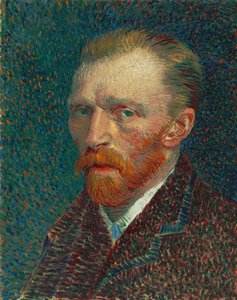
vincent willem van gogh
1853 - 1890 , Países Bajos
Datos clave
- Artistic Movement Or Style: Postimpresionismo
- Artists Or Movements Influenced By This Artist:
- Expresionismo
- Fauvismo
- Artists Who Influenced This Artist:
- Rembrandt
- Millet
- Date Of Birth: 30 de marzo 1853
- Date Of Death: 29 de julio 1890
- Full Name: Vincent Willem van Gogh
- Nationality: Holandés
- Notable Artworks:
- Los Comedores de Patatas
- Girasoles
- La Noche Estrellada
- Place Of Birth: Zundert, Países Bajos
Artículos relacionados

Rembrandt van Rijn: Las 25 Obras Maestras que Definen un Genio | Arte, Historia y Decoración
Descubre las 25 obras maestras de Rembrandt van Rijn, el genio del barroco holandés. Explora su historia, técnica y simbolismo en retratos icónicos como 'La Ronda Nocturna'. Encuentra reproducciones de arte exclusivas para decorar tu hogar con ArtsDot.com.

John Constable: Las 25 Obras Maestras del Paisaje Inglés | ArtsDot
Descubre las 25 obras maestras de John Constable, el pintor romántico inglés que capturó la belleza del paisaje. Explora su técnica, historia y significado en ArtsDot.com. Reproducciones de arte de alta calidad para tu hogar.

Katsushika Hokusai: Las 25 Obras Maestras del Ukiyo-e que Transformaron el Arte Japonés | ArtsDot
Descubre las 25 obras maestras de Katsushika Hokusai, el genio del ukiyo-e. Explora 'La Gran Ola', paisajes japoneses y su impacto en el arte moderno. Reproducciones de alta calidad para tu hogar en ArtsDot.com.
Cultivating Visions: A Historical Journey Through Rural Landscapes in Art
Explore the rich history of rural landscape painting with ArtsDot. Discover Impressionist masterpieces, key artists & movements. Find your perfect serene artwork and bring nature's beauty home.

Paisajes Románticos: 10 Obras Maestras que Definieron un Movimiento Artístico
Descubre los 10 paisajes románticos más influyentes de artistas como Caspar David Friedrich y Turner. Explora la belleza, el simbolismo y las técnicas del movimiento romántico. Reproducciones de arte exclusivas en ArtsDot.com.