 Ver en contexto
 Enviar
 Compartir
 Detalles

 Descargar
 Similares
 Radiografía
 Presentación de diapositivas
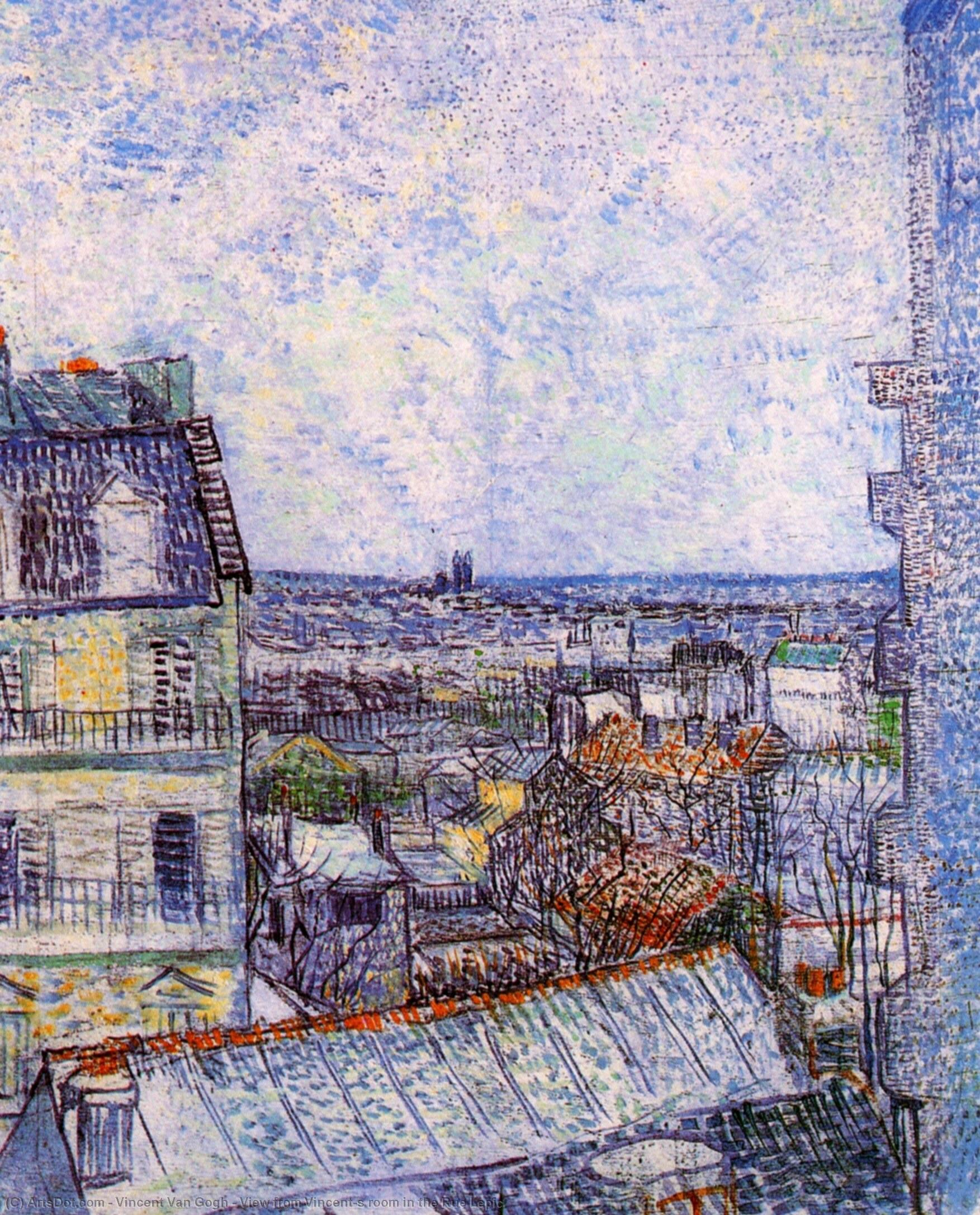
View from Vincent's room in the Rue Lepic
 Acrílico sobre lienzo
- Arte de pared
- Post-Impressionism
 1887
1887 46.0 x 38.0 cm
 Ver más
Giclée / Impresión de arte
Impresiones giclée o en lienzo de calidad de museo con producción rápida y opciones de acabado flexibles. ( Comprar pintura hecha a mano Comprar imagen)




P118B $10

P118H $10

P118W $10

P438Z $10

P508JH $12

P508YH $12

P805H $10

P805Z $10

P919BZ $10

P919G $10

P919XJ $10

P959ZH $10

P968JZ $12

W106C $8

W218G $10

W218JH $8

W218Y $10

W307PJ $10

W316G $10

W316PJ $8

W316Y $10

W398PJ $8

W4111J $10

W500HY $15

W500JH $15

W692G $12

W849H $8

W940BG $15

W953PJ $8




Elija entre nuestros tamaños predefinidos que respetan las proporciones originales de la obra.

Puede introducir sus propias dimensiones para adaptarse a un marco o espacio específico. Si el tamaño seleccionado no coincide con las proporciones de la imagen original, recortaremos la obra de arte o extenderemos la imagen con un borde con efecto espejo o de color sólido. Se enviará una maqueta digital para su aprobación antes de que comience la producción.
Tenga en cuenta que la vista previa en pantalla no refleja el recorte o la extensión real. Solo la maqueta mostrará con precisión la composición final.
Aunque existen tamaños personalizados, recomendamos seleccionar una dimensión de la lista predefinida para preservar las proporciones originales.
Envío a todo el mundo () en 2 semanas en lugar de las 4/5 semanas estándar. (27 agosto)

Envío exprés gratuito a todo el mundo

Lienzo de lino de alta calidad

Seguro de envío total

Garantía de reembolso de impuestos aduaneros

Garantía de fidelidad cromática exacta

Política de devolución de 60 días (solo por defectos)

Garantía de devolución del 100% del dinero

Descuento por cantidad
 La opción de vidrio solo está disponible en tamaños inferiores a 110 cm.

View from Vincent's room in the Rue Lepic
Giclée / Impresión de arte
Dimensiones de la reproducción
-


Precio total final
$ 62
A Parisian Reverie: Exploring Van Gogh’s ‘View from Vincent's Room in the Rue Lepic’
Vincent van Gogh’s 1887 painting, *View from Vincent's Room in the Rue Lepic*, offers a captivating glimpse into the artist’s life and evolving style during his Parisian period. More than just a cityscape, it is an intimate portrayal of perception, solitude, and the burgeoning artistic experimentation that would define his legacy. Measuring 46 x 38 cm, this oil painting reveals a pivotal moment in Van Gogh's journey from Dutch Realism towards the expressive freedom of Post-Impressionism.Decoding the Scene: Subject & Composition
The artwork presents a panoramic vista viewed from Van Gogh’s rented room at 54 Rue Lepic, Montmartre. The composition is dominated by buildings – a substantial structure with numerous windows takes center stage on the left, punctuated by a clock tower. To the right, smaller buildings recede into the distance. A solitary figure stands within the urban landscape, subtly anchoring the scene and hinting at the human presence amidst the bustling city. Above, a cloudy sky adds depth and atmosphere. The painting isn’t simply *of* Paris; it's about how Van Gogh *experienced* Paris from his unique vantage point.A Shift in Style: Technique & Influences
While often associated with the thick impasto of his later works, ‘View from Vincent’s Room…’ demonstrates a fascinating transitional style. The painting exhibits elements reminiscent of Pointillism – though not strictly adhering to its principles – through the use of small brushstrokes and dabs of color that create texture and luminosity. This technique allows Van Gogh to capture the fleeting effects of light and atmosphere, imbuing the scene with a sense of vibrancy. His time in Paris exposed him to Impressionist and Post-Impressionist circles, including encounters with artists like Émile Bernard and Paul Gauguin, which profoundly influenced his artistic approach. Notice how he begins to move away from strict realism towards a more subjective interpretation of color and form.Parisian Context & Artistic Growth
Van Gogh arrived in Paris in 1886 to join his brother Theo, an art dealer. This period was crucial for his artistic development. He immersed himself in the avant-garde art scene, experimenting with new techniques and color palettes. The Parisian cityscape itself became a subject of fascination, offering a stark contrast to the rural landscapes he had previously depicted in the Netherlands. *View from Vincent’s Room…* reflects this exploration – it's not merely a topographical depiction but an emotional response to the urban environment. It represents his attempt to reconcile observation with personal expression.Symbolism & Emotional Resonance
The solitary figure in the painting has been interpreted as representing Van Gogh himself, observing the world from a position of isolation. The buildings, while seemingly ordinary, can be seen as symbolic of the complexities and anonymity of modern urban life. The cloudy sky might reflect his own internal state – a sense of melancholy or uncertainty. However, the overall impression isn’t one of despair but rather of quiet contemplation. The painting evokes a feeling of being both connected to and detached from the world.Connecting with Van Gogh's Oeuvre
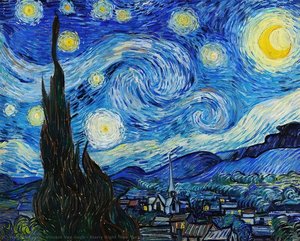
This work provides valuable insight into the development of Van Gogh’s artistic vision, bridging his earlier Dutch period with the iconic masterpieces he would create later in life. Consider it alongside:- *The Starry Night*: A powerful expression of emotional turmoil and spiritual longing.
- *Landscape at Auvers in the Rain*: Reflecting themes of suffering, resilience, and the beauty found even in bleakness.
- *Self-Portrait*: Offering a direct window into Van Gogh’s inner world and artistic self-awareness.
A Timeless Appeal for Collectors & Designers
‘View from Vincent's Room in the Rue Lepic’ is more than just a historical artifact; it’s a work of art that continues to resonate with contemporary audiences. Its subtle color palette and evocative atmosphere make it a versatile addition to any collection or interior design scheme. Whether you are an avid Van Gogh enthusiast, a seasoned collector, or simply seeking a piece that embodies artistic innovation and emotional depth, this painting offers a compelling and enduring appeal. It’s a reminder of the power of art to transform our perception of the world around us.Obras relacionadas
Biografía del artista
Vincent van Gogh: Vida, Arte y Legado
Primeros Años e Influencias
- Nacido el 30 de marzo de 1853 en Groot-Zundert, Países Bajos, Vincent Willem van Gogh fue el mayor de seis hijos.
- Su padre, Teodorus van Gogh, era un ministro protestante, y su crianza estuvo profundamente influenciada por la religión.
- Sus primeros intereses incluían dibujar, pero persiguió varios oficios antes de dedicarse a las artes. Trabajó como comerciante de arte, maestro y misionero.
- Influencias Clave: Las primeras influencias incluyeron a los Maestros holandeses como Rembrandt van Rijn y Frans Hals, así como a los pintores franceses contemporáneos Jean-François Millet y Camille Corot.
Desarrollo Artístico y Estilo
- Van Gogh comenzó a pintar seriamente en 1880, principalmente de forma autodidacta.
- Sus primeras obras se centraron en representar la vida de los campesinos y trabajadores, reflejando su empatía por la clase trabajadora.
- Una mudanza a París en 1886 lo expuso al Impresionismo y Postimpresionismo, lo que llevó a una paleta más brillante y a la experimentación con nuevas técnicas.
- Estilo Distintivo: Van Gogh desarrolló un estilo altamente individual caracterizado por colores audaces, pinceladas expresivas e intensidad emocional. A menudo utilizaba el *impasto* – capas gruesas de pintura – para crear textura y transmitir sentimiento.
Períodos Clave y Obras
- El Período Holandés (1880-1886): Se centró en tonos oscuros y terrosos y en la representación de la vida rural. Obras notables incluyen Los Comedores de Patatas.
- El Período Parísino (1886-1888): Experimentación con técnicas impresionistas y colores más brillantes.
- El Período de Arles (1888-1889): Un período de intensa creatividad marcado por paisajes vibrantes, retratos y bodegones. Obras clave incluyen Girasoles, El Café Nocturno y Estrellas sobre el Río Rodano.
- Saint-Rémy y Auvers-sur-Oise (1889-1890): Después de un colapso mental, Van Gogh ingresó voluntariamente a un asilo en Saint-Rémy. Sus últimos años estuvieron marcados por una continua producción artística pero también por un creciente sufrimiento emocional. Obras notables incluyen La Noche Estrellada y retratos del Dr. Gachet.
Logros Importantes y Reconocimiento
- A pesar de luchar contra la enfermedad mental y enfrentarse al rechazo durante su vida, Van Gogh creó más de 2,100 obras de arte en poco más de una década – aproximadamente 860 pinturas en óleo.
- Su obra influyó profundamente en el desarrollo del arte moderno, particularmente en el Expresionismo y el Fauvismo.
- Fama Póstuma: El reconocimiento llegó después de su muerte en 1890. Sus obras ganaron popularidad creciente a principios del siglo XX, convirtiéndose en algunas de las obras de arte más reconocibles y valiosas del mundo.
Significado Histórico y Legado
- La obra de Van Gogh sigue resonando con el público actual debido a su honestidad emocional, colores vibrantes y poderosa expresión de la experiencia humana.
- Se considera uno de los personajes más importantes en la historia del arte occidental, inspirando a generaciones de artistas.
- Su vida ha llegado a ser un símbolo del “artista atormentado”, aunque esta narrativa a menudo eclipsa su dedicación, habilidad y visión artística.
- Museos de todo el mundo, incluido el Museo Van Gogh en Ámsterdam, exhiben su obra y celebran su perdurable legado.
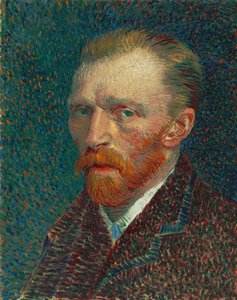
vincent willem van gogh
1853 - 1890 , Países Bajos
Datos clave
- Artistic Movement Or Style: Postimpresionismo
- Artists Or Movements Influenced By This Artist:
- Expresionismo
- Fauvismo
- Artists Who Influenced This Artist:
- Rembrandt
- Millet
- Date Of Birth: 30 de marzo 1853
- Date Of Death: 29 de julio 1890
- Full Name: Vincent Willem van Gogh
- Nationality: Holandés
- Notable Artworks:
- Los Comedores de Patatas
- Girasoles
- La Noche Estrellada
- Place Of Birth: Zundert, Países Bajos
Artículos relacionados
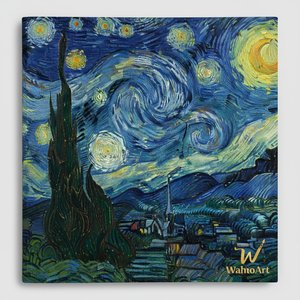
Decoding Van Gogh's Turmoil: ArtsDot’s Masterful Reproductions of Emotional Depth
Discover exquisite Van Gogh reproductions from ArtsDot – expert art specialists offering museum-quality prints & custom paintings. Trust our authentic process and elevate your collection today.
Los 10 Maestros del Postimpresionismo: Obras que Revolucionaron el Arte |
Descubre los 10 cuadros más influyentes del Postimpresionismo: Van Gogh, Monet, Cézanne y más. Explora la historia, técnica y significado de estas obras maestras. Reproducciones de arte en para decorar tu hogar con estilo.

Rembrandt van Rijn: Las 25 Obras Maestras que Definen un Genio | Arte, Historia y Decoración
Descubre las 25 obras maestras de Rembrandt van Rijn, el genio del barroco holandés. Explora su historia, técnica y simbolismo en retratos icónicos como 'La Ronda Nocturna'. Encuentra reproducciones de arte exclusivas para decorar tu hogar con ArtsDot.com.
Impressionistic Realism's Finest: 10 Masterpieces for Your Home | ArtsDot
Journey through Impressionistic Realism with 10 iconic masterpieces by Monet, Renoir & Van Gogh. Explore art history, techniques & find museum-quality reproductions for your home at ArtsDot.com. Discover all masterpieces online!

Los 10 Maestros del Primitivo Flamenco: Obras que Definen un Arte Inigualable | ArtsDot
Descubre los 10 imprescindibles del Primitivo Flamenco: Jan van Eyck, Robert Campin y más. Explora la historia, simbolismo y técnica de estas obras maestras renacentistas tempranas. Encuentra reproducciones de arte de museo en ArtsDot.com.