Ver en contexto
 Enviar
 Compartir
 Detalles

 Descargar
 Similares
 Radiografía
 Presentación de diapositivas
Madonna and Child with Saints and the Donor
 Oil On Canvas
- WallArt
- Venetian Renaissance
 1504
1504 74.0 x 109.0 cm
 Museo del Hermitage
 Ver más
Reproducción al óleo hecha a mano
Óleo sobre lienzo pintado a mano en el tamaño y marco de su elección, realizado por encargo por nuestros artistas. ( Comprar impresión Comprar imagen)




P118B $10

P118H $10

P118W $10

P438Z $10

P508JH $12

P508YH $12

P805H $10

P805Z $10

P919BZ $10

P919G $10

P919XJ $10

P959ZH $10

P968JZ $12

W106C $8

W218G $10

W218JH $8

W218Y $10

W307PJ $10

W316G $10

W316PJ $8

W316Y $10

W398PJ $8

W4111J $10

W500HY $15

W500JH $15

W692G $12

W849H $8

W940BG $15

W953PJ $8




Elija entre nuestros tamaños predefinidos que respetan las proporciones originales de la obra.

Puede ingresar sus propias dimensiones para adaptarse a un marco o espacio específico. Si el tamaño seleccionado no coincide con las proporciones de la imagen original, recortaremos la obra o extenderemos la pintura con elementos adicionales pintados a mano. Se le enviará una maqueta digital para su aprobación antes de comenzar la producción.
Tenga en cuenta que la vista previa en pantalla no refleja el recorte o la extensión reales. Solo la maqueta mostrará con precisión la composición final.
Si bien existen tamaños personalizados, recomendamos seleccionar una dimensión de la lista predefinida para preservar las proporciones originales.
Tras realizar el pedido, el equipo de ArtsDot.com enviará un correo electrónico al cliente para solicitar instrucciones y proporcionarle una vista previa del boceto.
Envío a todo el mundo () en 3-4 semanas en lugar de las 5 semanas estándar. (31 agosto). Sin comprometer la calidad.

Envío exprés gratuito a todo el mundo

Lienzo de lino de alta calidad

Seguro de envío total

Garantía de reembolso de impuestos aduaneros

Garantía de fidelidad cromática exacta

Política de devolución de 60 días (solo por defectos)

Garantía de devolución del 100% del dinero

Descuento por cantidad
 La opción de vidrio solo está disponible en tamaños inferiores a 110 cm.

Madonna and Child with Saints and the Donor
Técnica de reproducción
Dimensiones de la reproducción
-


Precio total final
$ 263
A Venetian Masterpiece: The Madonna and Child with Saints and the Donor by Vincenzo Catena
The year is 1504, and within the bustling heart of Venice, Vincenzo Catena, a painter deeply influenced by the serene elegance of Giovanni Bellini yet forging his own distinctive path, brought to life “Madonna and Child with Saints and the Donor.” This captivating painting isn’t merely a devotional image; it's a window into the artistic sensibilities of the High Renaissance, brimming with symbolic richness and technical mastery. The scene unfolds within a carefully constructed space – a modest interior bathed in diffused light, suggesting both earthly intimacy and spiritual transcendence. At its core is Mary, radiating maternal grace as she holds her infant son Jesus, his gaze direct and inviting. Flanking them are two figures representing donors, individuals who have generously supported the church or religious cause depicted; their presence underscores the importance of patronage within Venetian society.
Catena’s technique reveals a sophisticated understanding of color and form. He employs a layered glazing method, characteristic of Venetian painting at the time, building up translucent layers of pigment to achieve luminous effects and subtle gradations of tone. Note the delicate modeling of Mary's robes, the soft folds of her garments conveying both volume and texture. The use of gold leaf accents – particularly in the halos surrounding the figures – adds a touch of opulence and emphasizes their sacred status. The background is rendered with atmospheric perspective, creating a sense of depth and receding space that draws the viewer’s eye towards the central figures.
A Tapestry of Saints and Symbolism
Beyond the immediate depiction of Mary and Jesus, the painting is populated by a carefully chosen array of saints and biblical figures. To the left stands Saint Francis of Assisi, known for his humble devotion and commitment to poverty – a potent symbol of Christian virtue. Beside him is Bernardino of Siena, another prominent saint associated with piety and missionary work. These figures aren’t simply decorative; they serve as visual reminders of the broader theological context of the image, reinforcing its message of faith, charity, and divine grace. The inclusion of these saints elevates the scene beyond a simple portrait of motherhood, transforming it into a complex meditation on Christian ideals.
The presence of the donor figures is particularly significant. Their identities remain somewhat enigmatic, adding an element of mystery to the composition. They represent the vital role of benefactors in supporting religious institutions and artistic endeavors – a key aspect of Venetian society during this period. The fact that they are depicted kneeling before the Virgin Mary underscores her position as the ultimate source of grace and salvation.
The Legacy of Vincenzo Catena
Vincenzo Catena’s life was relatively short, spanning from 1470 to 1531 in Venice. Despite his modest output, he left behind a body of work that reflects the evolving artistic landscape of the Venetian Renaissance. Initially apprenticed to Giovanni Bellini, Catena quickly developed his own unique style, characterized by a harmonious blend of classical influences and Venetian tradition. His paintings often feature serene Madonnas, vibrant colors, and a masterful use of light and shadow – qualities that resonate deeply with viewers even today.
While not as widely celebrated as some of his contemporaries like Titian or Bellini, Catena’s “Madonna and Child” offers a valuable glimpse into the artistic practices of 16th-century Venice. It stands as a testament to the enduring power of religious art to inspire contemplation, evoke emotion, and connect us to centuries of human creativity.
A Timeless Masterpiece for Your Collection
Reproductions of “Madonna and Child with Saints and the Donor” by Vincenzo Catena capture the essence of this remarkable painting. Whether adorning a grand salon or a more intimate space, its serene beauty and rich symbolism will undoubtedly enhance any environment. The meticulous attention to detail in the reproduction faithfully recreates the luminosity of Catena’s original brushstrokes, allowing you to experience the depth and emotion of this timeless masterpiece. Consider commissioning a hand-painted replica – a unique addition to your art collection that celebrates the legacy of Venetian Renaissance artistry.
Obras relacionadas
Biografía del artista
Vincenzo Catena: Un Pintor del Renacimiento Veneciano
Vida y Orígenes
- Nacido en Venecia, Italia, alrededor de 1470, Vincenzo Catena fue un destacado pintor del Renacimiento veneciano.
- Se sabe poco sobre su juventud o su formación académica; los registros históricos son escasos en cuanto a su crianza y su desarrollo artístico inicial.
- En ocasiones, también se le conoció bajo el nombre de Vincenzo de Biagio.
- Catena falleció en 1531, dejando tras de sí una producción artística modesta pero de gran significado.
Desarrollo Artístico e Influencias
- En sus inicios, el estilo de Catena guardaba un estrecho parecido con el de Giovanni Bellini, maestro veneciano célebre por sus serenas Madonnas y su técnica refinada.
- La mención documentada más antigua de Catena se encuentra en una inscripción al dorso de la obra La Laura de Giorgione, donde se le describe como el colego (colega) de este gran maestro.
- Sin embargo, no fue sino hasta después de la muerte de Giorgione en 1510 cuando su influencia innovadora comenzó a manifestarse plenamente en las pinturas de Catena.
- Asimismo, su obra muestra trazas de la influencia de Tiziano, otra figura prominente de la Escuela Veneciana, especialmente en el uso del color y la composición.
Obras Maestras y Estilo
- Aproximadamente una docena de pinturas se atribuyen con total confianza a Catena gracias a sus firmas.
- El Martirio de Santa Cristina (1520), ubicada en la iglesia de Santa Maria Mater Domini en Venecia, es su obra con la fecha más segura gracias a una inscripción en su marco de mármol.
- Otras obras notables incluyen La Adoración de los Pastores y diversas representaciones de la Virgen con el Niño acompañados de santos y donantes.
- Las pinturas de Catena suelen presentar escenas religiosas y retratos, caracterizados por una fusión entre la precisión de Bellini y las cualidades atmosféricas de Giorgione.
- Su estilo se distingue por un realismo detallado, paletas de colores cálidos y un rico simbolismo, elementos típicos del arte renacentista veneciano.
Significado Histórico y Legado
- Aunque no gozó de la misma fama universal que contemporáneos como Tiziano o Giorgione, Catena desempeñó un papel crucial en el desarrollo de la pintura veneciana durante un periodo de gran transformación.
- Su obra es testimonio de la transición entre el Alto Renacimiento y los estilos manieristas emergentes.
- Los testamentos dejados por Catena revelan que era un hombre de considerable riqueza y que poseía conexiones dentro de los círculos humanistas venecianos, lo que sugiere que su éxito artístico trascendió el mero reconocimiento estético.
- En la actualidad, las pinturas de Vincenzo Catena son valoradas por su importancia histórica y ofrecen una ventana única al panorama artístico de la Venecia del siglo XVI.
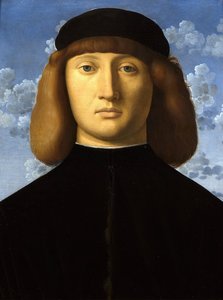
Vincenzo Catena
1470 - 1531 , Italia
Datos clave
- Artistic Movement Or Style: Renacimiento Veneciano
- Artists Who Influenced This Artist:
- Giovanni Bellini
- Giorgione
- Date Of Birth: c. 1470
- Date Of Death: 1531
- Full Name: Vincenzo Catena
- Nationality: Italian
- Notable Artworks:
- Santa Cristina Altarpiece
- The Adoration of the Shepherds
- Place Of Birth: Venecia, Italia
Artículos relacionados

Jacopo Tintoretto: Las 25 Obras Maestras del Genio Veneciano | Arte y Decoración en ArtsDot
Descubre las 25 obras maestras de Jacopo Tintoretto, el genio veneciano del Renacimiento. Explora su arte dramático, composiciones innovadoras y paleta vibrante. Reproducciones de alta calidad en ArtsDot.com para transformar tu hogar.

Rafael: Las 25 Obras Maestras que Definen al Genio del Renacimiento | ArtsDot
Descubre las 25 obras maestras de Rafael Sanzio, el genio del Renacimiento. Explora su historia, técnica y significado en pinturas icónicas como 'La Escuela de Atenas'. Reproducciones de arte de alta calidad para decorar tu hogar con elegancia. ¡Explora la colección completa en ArtsDot.com!
Jacopo Palma il Giovane: A Venetian Master's Poetic Evolution
Explore the captivating world of Jacopo Palma il Giovane, a pivotal Venetian Renaissance master. Discover his unique style, influenced by Titian & Tintoretto, and learn about key works perfect for discerning collectors.
La Luz Dorada de la Innovación: Explorando el Renacimiento Veneciano (1430–1580)
Descubra la riqueza y el esplendor del Renacimiento veneciano con ArtsDot. Explore las obras maestras de Tiziano, Giorgione y Tintoretto. Análisis experto, historia detallada e información para coleccionistas.
Pietro Longhi's Venetian Scenes: A Study of Rococo Society & Domestic Life
Explore the captivating world of Pietro Longhi's Venetian scenes! Discover insightful analysis of his Rococo masterpieces & social commentary on 18th-century life. Learn about this 'Venetian Hogarth' and his lasting artistic legacy.