 Ver en contexto
 Enviar
 Compartir
 Detalles

 Descargar
 Similares
 Radiografía
 Presentación de diapositivas
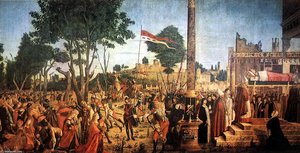
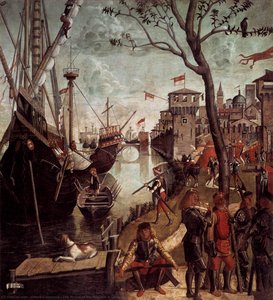
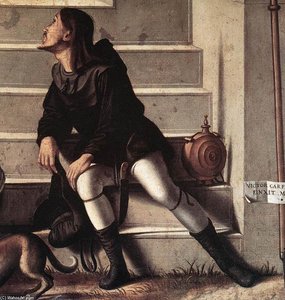
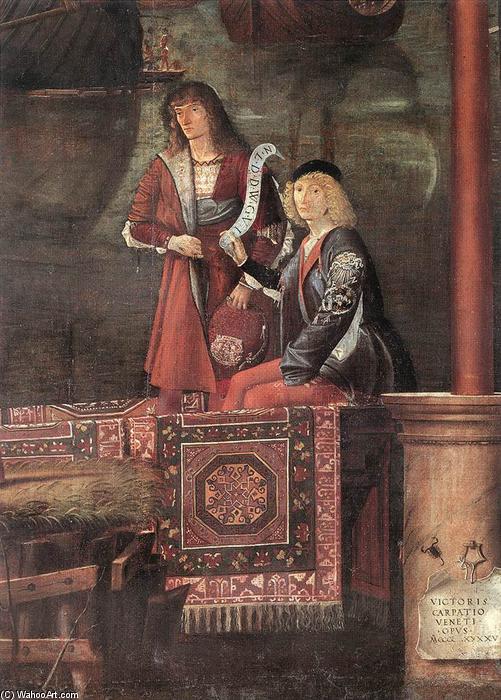
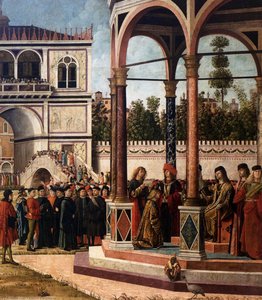
Departure of the Pilgrims (detail)


 Ver más
Giclée / Impresión de arte
Impresiones giclée o en lienzo de calidad de museo con producción rápida y opciones de acabado flexibles. ( Comprar pintura hecha a mano Comprar imagen)




P118B $10

P118H $10

P118W $10

P438Z $10

P508JH $12

P508YH $12

P805H $10

P805Z $10

P919BZ $10

P919G $10

P919XJ $10

P959ZH $10

P968JZ $12

W106C $8

W218G $10

W218JH $8

W218Y $10

W307PJ $10

W316G $10

W316PJ $8

W316Y $10

W398PJ $8

W4111J $10

W500HY $15

W500JH $15

W692G $12

W849H $8

W940BG $15

W953PJ $8




Elija entre nuestros tamaños predefinidos que respetan las proporciones originales de la obra.

Puede introducir sus propias dimensiones para adaptarse a un marco o espacio específico. Si el tamaño seleccionado no coincide con las proporciones de la imagen original, recortaremos la obra de arte o extenderemos la imagen con un borde con efecto espejo o de color sólido. Se enviará una maqueta digital para su aprobación antes de que comience la producción.
Tenga en cuenta que la vista previa en pantalla no refleja el recorte o la extensión real. Solo la maqueta mostrará con precisión la composición final.
Aunque existen tamaños personalizados, recomendamos seleccionar una dimensión de la lista predefinida para preservar las proporciones originales.
Envío a todo el mundo () en 2 semanas en lugar de las 4/5 semanas estándar. (2 septiembre)

Envío exprés gratuito a todo el mundo

Lienzo de lino de alta calidad

Seguro de envío total

Garantía de reembolso de impuestos aduaneros

Garantía de fidelidad cromática exacta

Política de devolución de 60 días (solo por defectos)

Garantía de devolución del 100% del dinero

Descuento por cantidad
 La opción de vidrio solo está disponible en tamaños inferiores a 110 cm.

Departure of the Pilgrims (detail)
Giclée / Impresión de arte
Dimensiones de la reproducción
-


Precio total final
$ 62
A Window into Venetian Life: The Intricate World of Vittore Carpaccio’s “Departure of the Pilgrims”
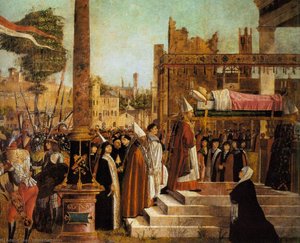
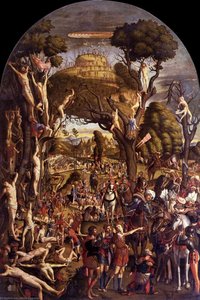
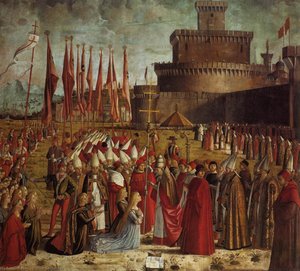
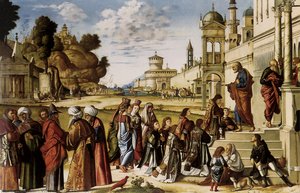
Vittore Carpaccio, a pivotal figure in the late 15th and early 16th centuries Venetian school of painting, offers us not merely a depiction of a scene, but a meticulously crafted window into the vibrant world of his time. His “Departure of the Pilgrims (Detail),” a fragment from his monumental cycle depicting the legend of Saint Ursula, is a testament to his unique artistic vision – a blend of early Netherlandish precision and Venetian warmth, imbued with a profound sense of narrative depth. Far removed from the bold, humanist styles that dominated Florentine painting during this period, Carpaccio’s work possesses a quiet dignity and an almost obsessive attention to detail, drawing viewers into a world of intricate social interactions and symbolic resonance.
The scene itself is deceptively simple: a bustling departure point for a pilgrimage. Yet, within this seemingly straightforward composition lies a wealth of observation and storytelling. Two men, rendered with remarkable realism – one seated in contemplative repose, the other standing with an air of urgency – dominate the foreground. Their opulent attire, rich fabrics, and carefully arranged accessories immediately establish their status as members of Venetian society’s elite. The backdrop is equally compelling; a richly decorated chamber, likely a throne room or study, hints at royal patronage or significant historical importance, evidenced by the fragment of a crown and the inscription “VICTORIS CARPATIO VENETI OPVS” – "Let us be brave for the victory of Venice." This detail underscores Carpaccio’s deep connection to his city and its history.
The Language of Detail: Technique and Composition
Carpaccio's mastery lies in his painstaking technique. He employed a layered approach, building up surfaces with numerous thin brushstrokes – a characteristic often referred to as “impasto” – creating textures that are both tactile and visually arresting. The carpet beneath the figures is rendered with astonishing detail, showcasing intricate patterns and vibrant colors, reflecting the wealth and status of those depicted. The architectural elements—columns, arches, and decorative moldings—are equally precise, demonstrating Carpaccio’s keen eye for perspective and his ability to create a convincing illusion of depth. Notice how he utilizes lines – primarily geometric, defining the structure of the room and the folds of clothing – to establish a sense of order and control within the composition.
The color palette is dominated by reds and browns, lending the scene a warm, almost somber atmosphere. This choice of hues, combined with the careful use of light and shadow, contributes to the painting’s overall mood of formality and authority. The figures are bathed in soft illumination, casting subtle shadows that define their forms and textures, adding to the sense of realism and immediacy. The flattened perspective, a convention common in Renaissance portraiture, is skillfully employed to emphasize the importance of the central figures and create a harmonious balance within the composition.
Symbolism and Context: A Venetian Tapestry
Beyond its surface beauty, “Departure of the Pilgrims” is rich in symbolism. The pilgrimage itself represents a journey of faith and devotion, but also a microcosm of Venetian society – a place where power, wealth, and social status intersect. The figures’ gestures and expressions convey a range of emotions—contemplation, urgency, and perhaps even anxiety—offering glimpses into the inner lives of these individuals. The inclusion of architectural details, such as the crown fragment and the inscription, further reinforces the painting's connection to Venetian history and its aspirations for power and prestige.
Carpaccio’s work is deeply rooted in the artistic traditions of his time. He was heavily influenced by Antonello da Messina, a pioneer of oil painting in Venice, as well as Early Netherlandish artists known for their meticulous detail and narrative storytelling. However, Carpaccio developed his own distinctive style—one characterized by its conservative nature, minimal influence from humanist trends, and a unique blend of orientalist flair. His “Legend of Saint Ursula” cycle is considered one of the most important achievements of the Venetian Renaissance, offering a valuable insight into the social, cultural, and artistic life of 15th-century Venice.
Bringing Carpaccio to Your Space: Reproductions and Artistic Inspiration
ArtsDot offers high-quality reproductions of Vittore Carpaccio’s “Departure of the Pilgrims (Detail),” allowing you to experience the beauty and complexity of this remarkable painting in your own home or office. These meticulously crafted prints capture the essence of Carpaccio's original work, faithfully reproducing his intricate details, rich colors, and evocative atmosphere. Whether you are an art enthusiast, a collector, or simply seeking inspiration for interior design, our reproductions provide a stunning way to bring this masterpiece into your life. Explore the full artwork at here.
Obras relacionadas


Biografía del artista
Vida y Formación Temprana
Vittore Carpaccio, un destacado pintor italiano, nació en Venecia alrededor de 1465. Estudió bajo la tutela de Gentile Bellini, un renombrado artista de la escuela veneciana. Este aprendizaje sentó las bases para el futuro éxito de Carpaccio.
Estilo Artístico e Influencias
El estilo de Carpaccio se caracterizó por su naturaleza conservadora, mostrando una influencia mínima de las tendencias humanistas que transformaron la pintura del Renacimiento italiano durante su vida. Su obra fue influenciada por el estilo de Antonello da Messina y el arte netherlandish temprano. Esta mezcla única de estilos resultó en un enfoque distintivo de la pintura veneciana.
Obras Destacadas
- La Leyenda de Santa Úrsula, un ciclo de nueve pinturas, es la obra más famosa de Carpaccio. Esta serie, ahora alojada en las Gallerie dell'Accademia, muestra su maestría en la pintura narrativa.
- El retablo Gloria de Santa Úrsula (1491) demuestra la habilidad de Carpaccio para capturar la luz y el color, reminiscente del estilo de Giovanni Bellini.
- Milagro de la Reliquia de la Cruz en el Ponte di Rialto (1494) destaca la capacidad de Carpaccio para equilibrar composición y narrativa.
Carrera e Importancia Histórica
Las principales obras de Carpaccio fueron ejecutadas entre 1490 y 1519, lo que le sitúa entre los primeros maestros del Renacimiento veneciano. Su estilo orientalista, como se ve en San Jorge bautizando a los Selenitas, refleja una nueva fascinación por el Levante. La obra de Carpaccio ha sido algo pasada por alto en comparación con sus contemporáneos, como Giovanni Bellini o Giorgione. A pesar de ello, su contribución al arte veneciano es innegable y su enfoque único lo distingue dentro del panorama artístico de la época.
Referencias Adicionales
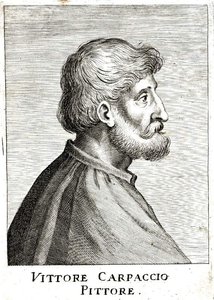
Vittore Carpaccio
1465 - 1526 , Italia
Datos clave
- Artistas Que Influyeron:
- Gentile Bellini
- Antonello da Messina
- Fecha De Muerte: 1526
- Fecha De Nacimiento: c. 1465
- Lugar De Nacimiento: Venecia, Italia
- Movimiento Artístico: Renacimiento veneciano
- Nacionalidad: Italiana
- Nombre Completo: Vittore Carpaccio
- Notable Obras:
- Leyenda de Santa Úrsula
- Cristo con los Símbolos de la Pasión
- Retrato de una dama
Artículos relacionados
Vittore Carpaccio: Venetian Renaissance Narrative & the Poetics of Detail
Explore the captivating world of Vittore Carpaccio, a master storyteller of the Venetian Renaissance. Discover his intricate details, narrative cycles like 'The Legend of St. Ursula,' and unique artistic style.

Jacopo Tintoretto: Las 25 Obras Maestras del Genio Veneciano | Arte y Decoración en ArtsDot
Descubre las 25 obras maestras de Jacopo Tintoretto, el genio veneciano del Renacimiento. Explora su arte dramático, composiciones innovadoras y paleta vibrante. Reproducciones de alta calidad en ArtsDot.com para transformar tu hogar.
The Enduring Legacy of Formal Portraiture: Power, Identity & Artistic Exploration
Explore the rich history of formal portraiture & its enduring power to capture identity and shape perception. Discover investment-worthy artworks, expert appraisals, and custom reproduction services at ArtsDot.
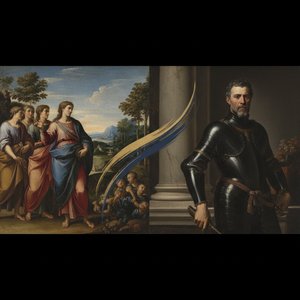
Sebastiano del Piombo: Bridging Venetian Colorism & Roman Grand Manner Portraiture
Explore the captivating art of Sebastiano del Piombo, a Renaissance master bridging Venetian colorism & Roman grandeur. Discover his iconic portraits and lasting influence on art history. Learn more at ArtsDot.
La Luz Dorada de la Innovación: Explorando el Renacimiento Veneciano (1430–1580)
Descubra la riqueza y el esplendor del Renacimiento veneciano con ArtsDot. Explore las obras maestras de Tiziano, Giorgione y Tintoretto. Análisis experto, historia detallada e información para coleccionistas.