 Ver en contexto
 Enviar
 Compartir
 Detalles

 Descargar
 Similares
 Radiografía
 Presentación de diapositivas
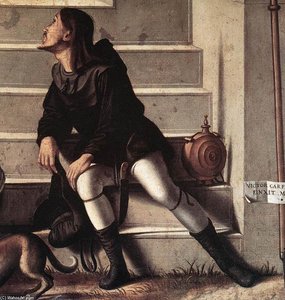
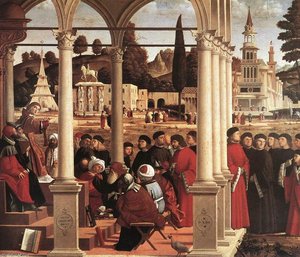
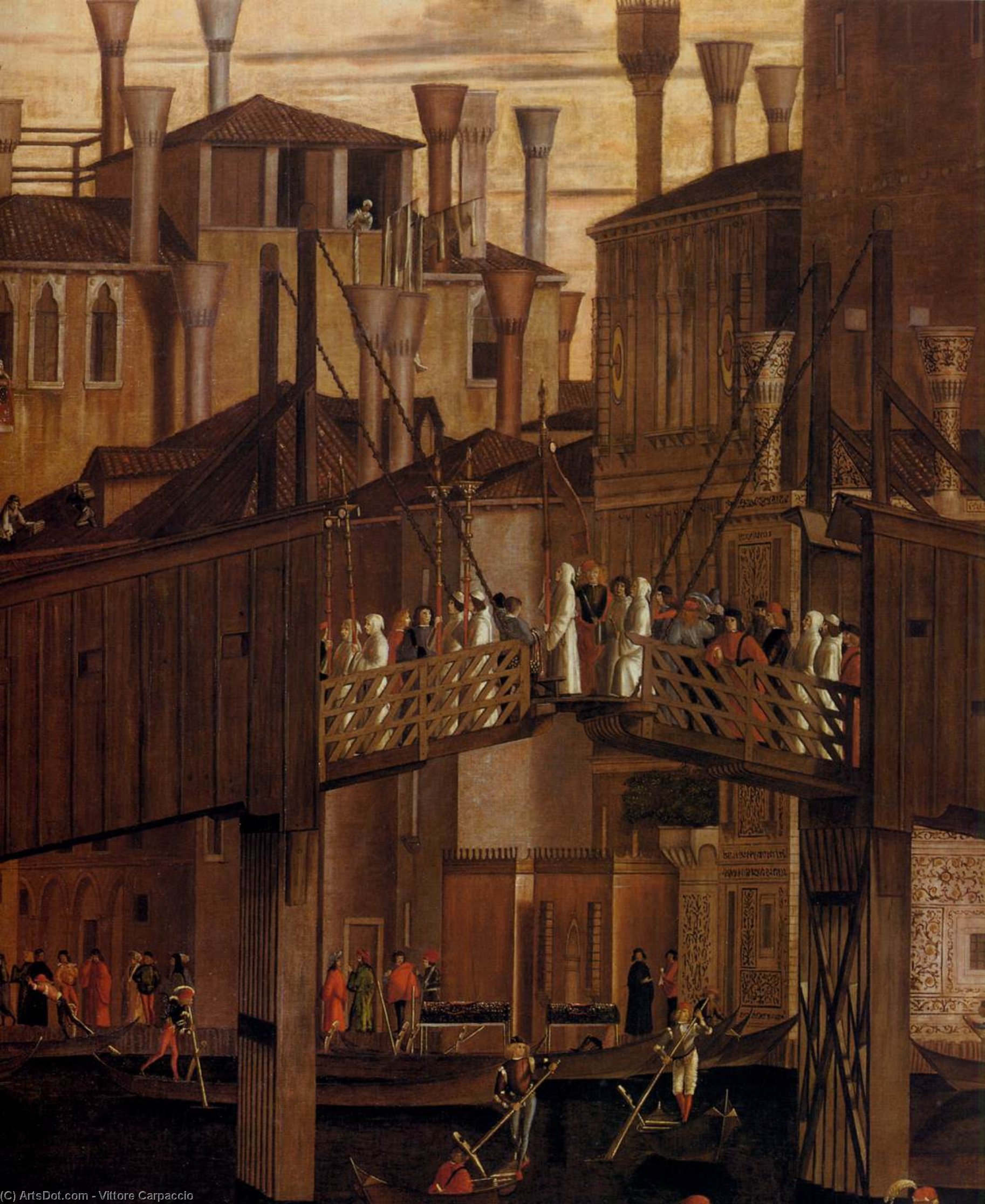
La curación del loco (detalle)


 Ver más
Giclée / Impresión de arte
Impresiones giclée o en lienzo de calidad de museo con producción rápida y opciones de acabado flexibles. ( Comprar pintura hecha a mano Comprar imagen)




P118B $10

P118H $10

P118W $10

P438Z $10

P508JH $12

P508YH $12

P805H $10

P805Z $10

P919BZ $10

P919G $10

P919XJ $10

P959ZH $10

P968JZ $12

W106C $8

W218G $10

W218JH $8

W218Y $10

W307PJ $10

W316G $10

W316PJ $8

W316Y $10

W398PJ $8

W4111J $10

W500HY $15

W500JH $15

W692G $12

W849H $8

W940BG $15

W953PJ $8




Elija entre nuestros tamaños predefinidos que respetan las proporciones originales de la obra.

Puede introducir sus propias dimensiones para adaptarse a un marco o espacio específico. Si el tamaño seleccionado no coincide con las proporciones de la imagen original, recortaremos la obra de arte o extenderemos la imagen con un borde con efecto espejo o de color sólido. Se enviará una maqueta digital para su aprobación antes de que comience la producción.
Tenga en cuenta que la vista previa en pantalla no refleja el recorte o la extensión real. Solo la maqueta mostrará con precisión la composición final.
Aunque existen tamaños personalizados, recomendamos seleccionar una dimensión de la lista predefinida para preservar las proporciones originales.
Envío a todo el mundo () en 2 semanas en lugar de las 4/5 semanas estándar. (28 agosto)

Envío exprés gratuito a todo el mundo

Lienzo de lino de alta calidad

Seguro de envío total

Garantía de reembolso de impuestos aduaneros

Garantía de fidelidad cromática exacta

Política de devolución de 60 días (solo por defectos)

Garantía de devolución del 100% del dinero

Descuento por cantidad
 La opción de vidrio solo está disponible en tamaños inferiores a 110 cm.

La curación del loco (detalle)
Giclée / Impresión de arte
Dimensiones de la reproducción
-


Precio total final
$ 62
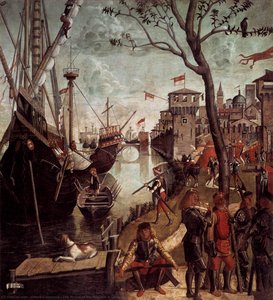
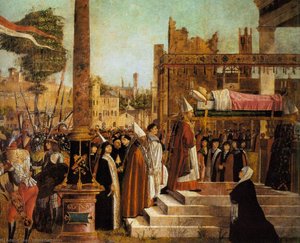
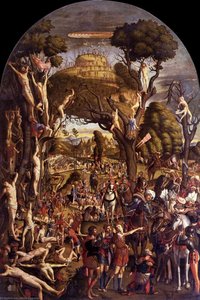
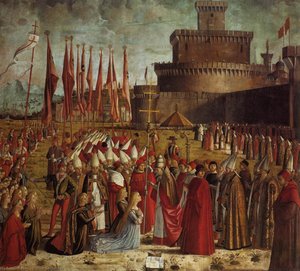
The Healing of the Madman – A Venetian Masterpiece Unveiled
Vittore Carpaccio’s “The Healing of the Madman,” painted in 1496, is not merely a depiction of a miraculous event; it's a profound meditation on faith, suffering, and divine intervention rendered with an arresting blend of Venetian realism and early Netherlandish influence. This remarkable tempera-on-canvas work, now housed within the Gallerie dell’Accademia in Venice, offers a captivating glimpse into the artistic landscape of Renaissance Italy – a period marked by both burgeoning humanist ideals and enduring religious devotion.
The scene unfolds within a bustling Venetian marketplace, a vibrant tableau teeming with everyday life. At its heart stands a man, clearly afflicted by madness, his face contorted in anguish and his limbs flailing wildly. Around him cluster a group of concerned onlookers – merchants, clergy, and fellow citizens – all united in their desire to alleviate his suffering. The focal point of the composition is the miraculous healing: a golden halo emanates from the hand of a young boy, gently touching the afflicted man’s forehead. This gesture initiates an immediate transformation; the madness visibly recedes, replaced by serenity and gratitude.
A Synthesis of Styles – Carpaccio's Unique Vision
Carpaccio’s artistic style is immediately recognizable as distinct from the more flamboyant and idealized works of his contemporaries like Bellini. He deliberately eschewed the prevailing humanist trends that emphasized classical forms and heroic narratives, instead drawing heavily from the meticulous detail and emotional intensity characteristic of early Netherlandish painting – particularly the work of Rogier van der Weyden and Hans Memling. This influence is evident in the remarkably realistic portrayal of the figures, their expressive faces, and the careful attention to anatomical accuracy. The use of tempera paint, favored for its luminosity and durability, further contributes to the artwork’s rich texture and enduring quality.
Furthermore, Carpaccio's composition demonstrates a masterful understanding of narrative structure. He skillfully guides the viewer’s eye through the scene, layering details and creating a sense of depth and immediacy. The figures are arranged in a dynamic pyramid, drawing attention to the central miracle while simultaneously capturing the surrounding atmosphere of concern and hope. The artist’s deliberate use of light and shadow adds to the dramatic effect, highlighting key elements and enhancing the emotional impact of the scene.
Symbolism and Spiritual Resonance
Beyond its immediate visual appeal, “The Healing of the Madman” is laden with symbolic meaning. The afflicted man represents humanity’s fallen state – a condition characterized by sin, suffering, and spiritual darkness. The boy offering healing embodies divine grace and compassion, representing Christ's mercy and redemption. The marketplace itself symbolizes the world, where earthly concerns often obscure our connection to the divine. The act of healing is not simply a physical restoration but a profound spiritual transformation – a testament to the power of faith to overcome adversity.
Interestingly, the painting’s genesis is linked to a specific miracle recounted in Venetian folklore: “The Miracle of the Relic of the Cross at the Ponte di Rialto.” This event, occurring in 1489, involved a supposed manifestation of the relic's power, leading to the healing of a madman. Carpaccio’s depiction likely served as a commission for the Scuola Grande di San Giovanni Evangelista, reflecting their patronage and devotion to religious narratives.
A Timeless Appeal – Beauty and Emotion
“The Healing of the Madman” continues to resonate with viewers centuries after its creation. Its potent combination of realism, symbolism, and emotional depth creates a powerful and enduring image of hope amidst suffering. The painting’s meticulous detail invites close examination, while its narrative clarity evokes empathy and compassion. It stands as a testament to Carpaccio's artistic skill and his ability to capture the complexities of human experience within the context of faith and spirituality – a truly remarkable achievement in Venetian Renaissance art.
Obras relacionadas

Biografía del artista
Vida y Formación Temprana
Vittore Carpaccio, un destacado pintor italiano, nació en Venecia alrededor de 1465. Estudió bajo la tutela de Gentile Bellini, un renombrado artista de la escuela veneciana. Este aprendizaje sentó las bases para el futuro éxito de Carpaccio.
Estilo Artístico e Influencias
El estilo de Carpaccio se caracterizó por su naturaleza conservadora, mostrando una influencia mínima de las tendencias humanistas que transformaron la pintura del Renacimiento italiano durante su vida. Su obra fue influenciada por el estilo de Antonello da Messina y el arte netherlandish temprano. Esta mezcla única de estilos resultó en un enfoque distintivo de la pintura veneciana.
Obras Destacadas
- La Leyenda de Santa Úrsula, un ciclo de nueve pinturas, es la obra más famosa de Carpaccio. Esta serie, ahora alojada en las Gallerie dell'Accademia, muestra su maestría en la pintura narrativa.
- El retablo Gloria de Santa Úrsula (1491) demuestra la habilidad de Carpaccio para capturar la luz y el color, reminiscente del estilo de Giovanni Bellini.
- Milagro de la Reliquia de la Cruz en el Ponte di Rialto (1494) destaca la capacidad de Carpaccio para equilibrar composición y narrativa.
Carrera e Importancia Histórica
Las principales obras de Carpaccio fueron ejecutadas entre 1490 y 1519, lo que le sitúa entre los primeros maestros del Renacimiento veneciano. Su estilo orientalista, como se ve en San Jorge bautizando a los Selenitas, refleja una nueva fascinación por el Levante. La obra de Carpaccio ha sido algo pasada por alto en comparación con sus contemporáneos, como Giovanni Bellini o Giorgione. A pesar de ello, su contribución al arte veneciano es innegable y su enfoque único lo distingue dentro del panorama artístico de la época.
Referencias Adicionales
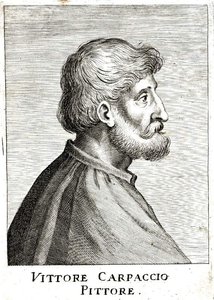
Vittore Carpaccio
1465 - 1526 , Italia
Datos clave
- Artistas Que Influyeron:
- Gentile Bellini
- Antonello da Messina
- Fecha De Muerte: 1526
- Fecha De Nacimiento: c. 1465
- Lugar De Nacimiento: Venecia, Italia
- Movimiento Artístico: Renacimiento veneciano
- Nacionalidad: Italiana
- Nombre Completo: Vittore Carpaccio
- Notable Obras:
- Leyenda de Santa Úrsula
- Cristo con los Símbolos de la Pasión
- Retrato de una dama
Artículos relacionados
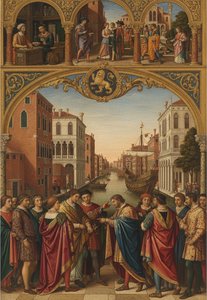
Vittore Carpaccio: Venetian Renaissance Narrative & the Poetics of Detail
Explore the captivating world of Vittore Carpaccio, a master storyteller of the Venetian Renaissance. Discover his intricate details, narrative cycles like 'The Legend of St. Ursula,' and unique artistic style.

Jacopo Tintoretto: Las 25 Obras Maestras del Genio Veneciano | Arte y Decoración en ArtsDot
Descubre las 25 obras maestras de Jacopo Tintoretto, el genio veneciano del Renacimiento. Explora su arte dramático, composiciones innovadoras y paleta vibrante. Reproducciones de alta calidad en ArtsDot.com para transformar tu hogar.
Pietro Longhi's Venetian Scenes: A Study of Rococo Society & Domestic Life
Explore the captivating world of Pietro Longhi's Venetian scenes! Discover insightful analysis of his Rococo masterpieces & social commentary on 18th-century life. Learn about this 'Venetian Hogarth' and his lasting artistic legacy.
El Resplandor del Tiempo: Explorando la Técnica y el Legado de la Témpera sobre Tabla
Descubra la fascinante historia y técnica de la témpera sobre tabla. Explore los materiales, el simbolismo y la conservación de esta antigua forma de arte con ArtsDot.
La Luz Dorada de la Innovación: Explorando el Renacimiento Veneciano (1430–1580)
Descubra la riqueza y el esplendor del Renacimiento veneciano con ArtsDot. Explore las obras maestras de Tiziano, Giorgione y Tintoretto. Análisis experto, historia detallada e información para coleccionistas.