 Ver en contexto
 Enviar
 Compartir
 Detalles

 Descargar
 Similares
 Radiografía
 Presentación de diapositivas
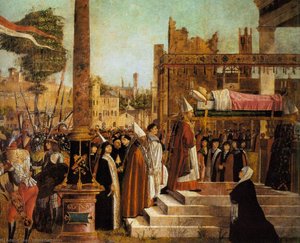
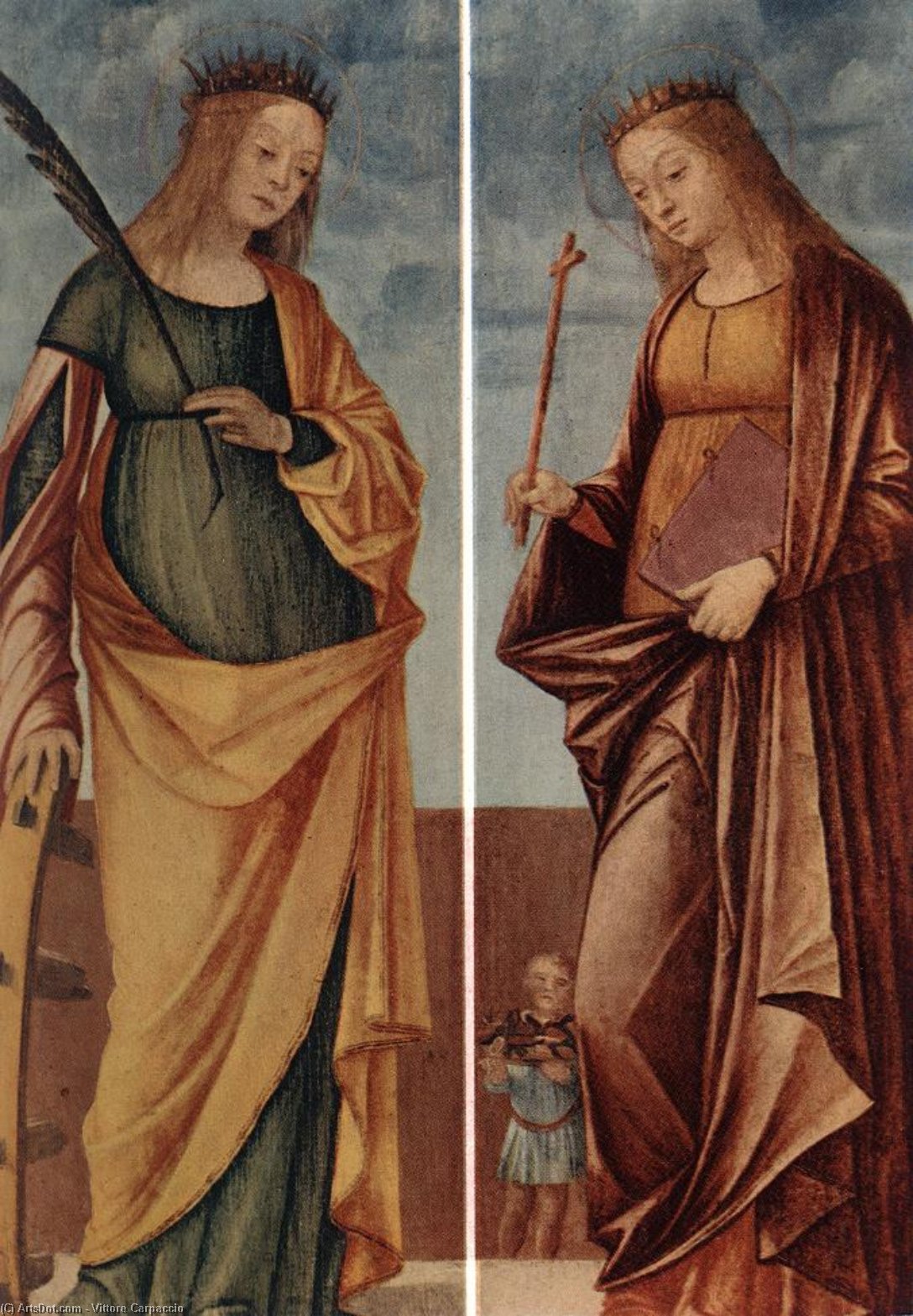
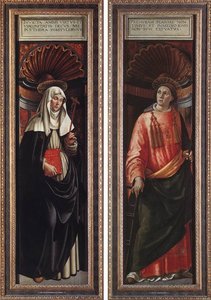
St Catherine of Alexandria and St Veneranda


 Ver más
Reproducción al óleo hecha a mano
Óleo sobre lienzo pintado a mano en el tamaño y marco de su elección, realizado por encargo por nuestros artistas. ( Comprar impresión Comprar imagen)




P118B $10

P118H $10

P118W $10

P438Z $10

P508JH $12

P508YH $12

P805H $10

P805Z $10

P919BZ $10

P919G $10

P919XJ $10

P959ZH $10

P968JZ $12

W106C $8

W218G $10

W218JH $8

W218Y $10

W307PJ $10

W316G $10

W316PJ $8

W316Y $10

W398PJ $8

W4111J $10

W500HY $15

W500JH $15

W692G $12

W849H $8

W940BG $15

W953PJ $8




Elija entre nuestros tamaños predefinidos que respetan las proporciones originales de la obra.

Puede ingresar sus propias dimensiones para adaptarse a un marco o espacio específico. Si el tamaño seleccionado no coincide con las proporciones de la imagen original, recortaremos la obra o extenderemos la pintura con elementos adicionales pintados a mano. Se le enviará una maqueta digital para su aprobación antes de comenzar la producción.
Tenga en cuenta que la vista previa en pantalla no refleja el recorte o la extensión reales. Solo la maqueta mostrará con precisión la composición final.
Si bien existen tamaños personalizados, recomendamos seleccionar una dimensión de la lista predefinida para preservar las proporciones originales.
Tras realizar el pedido, el equipo de ArtsDot.com enviará un correo electrónico al cliente para solicitar instrucciones y proporcionarle una vista previa del boceto.
Envío a todo el mundo () en 3-4 semanas en lugar de las 5 semanas estándar. (29 agosto). Sin comprometer la calidad.

Envío exprés gratuito a todo el mundo

Lienzo de lino de alta calidad

Seguro de envío total

Garantía de reembolso de impuestos aduaneros

Garantía de fidelidad cromática exacta

Política de devolución de 60 días (solo por defectos)

Garantía de devolución del 100% del dinero

Descuento por cantidad
 La opción de vidrio solo está disponible en tamaños inferiores a 110 cm.

St Catherine of Alexandria and St Veneranda
Técnica de reproducción
Dimensiones de la reproducción
-


Precio total final
$ 288
Vittore Carpaccio’s “St Catherine of Alexandria and St Veneranda”: A Venetian Tapestry of Faith
Within the hushed halls of the Museo Correr in Venice, nestled amongst a collection of masterful works by Carpaccio, resides "St Catherine of Alexandria and St Veneranda," a painting that transcends mere representation to become a profound meditation on faith, virtue, and the quiet dignity of women within the early Christian narrative. Completed around 1500, this diptych offers a rare glimpse into the artist’s distinctive style – a conservative yet deeply expressive approach rooted in the traditions of Venetian painting while subtly incorporating influences from the burgeoning Renaissance and even echoes of Northern European art.
Carpaccio's genius lay not in revolutionary innovation but in meticulous execution and an unwavering commitment to faithfully depicting biblical scenes. He was a master storyteller, and this work is no exception. The composition immediately draws the eye to the two figures, presented with a remarkable sense of serenity and composure. St Catherine, clad in flowing crimson robes, holds a book – a symbol of her intellectual prowess and devotion to learning, reflecting her historical role as a scholar and defender of the Christian faith who famously refuted the arguments of pagan philosophers. Her gaze is direct, imbued with an inner strength that speaks volumes about her unwavering belief. Beside her stands St Veneranda, draped in pale blues and greens, holding a feather – a potent symbol of humility and grace, representing her gentle spirit and pious nature.
A Renaissance Echo in Venetian Style
Carpaccio’s style is often described as conservative, deliberately avoiding the radical experimentation that characterized some of his contemporaries. He meticulously adhered to established conventions, prioritizing clarity of form and a realistic portrayal of figures within a carefully constructed space. However, this adherence doesn't equate to stagnation; rather, it demonstrates a profound respect for tradition while subtly incorporating elements of Renaissance art. Notice the precise rendering of drapery, the subtle use of light and shadow, and the careful attention to detail in the depiction of their garments – all hallmarks of Carpaccio’s disciplined technique. There’s an intriguing interplay between his Venetian roots and the influence of Antonello da Messina, whose emphasis on clarity of form and atmospheric perspective can be discerned within Carpaccio's work.
Symbolism Woven into the Fabric
Beyond their individual attributes – the book for Catherine, the feather for Veneranda – the painting is rich in symbolic meaning. The halos surrounding both figures unequivocally denote their sanctity, while the architectural setting, reminiscent of a Roman interior, subtly references the grandeur and legacy of the Christian faith. The use of color is deliberate; the vibrant reds and blues draw attention to the central figures, while the darker background provides a sense of depth and emphasizes their spiritual radiance. The positioning of the figures also contributes to the overall narrative – they are presented as equals in devotion, highlighting the importance of both intellect and humility within Christian virtue.
A Window into 16th-Century Venice
"St Catherine of Alexandria and St Veneranda" offers a valuable insight into Venetian society during the early 16th century. Carpaccio’s work reflects the city's thriving artistic scene, its engagement with both classical traditions and emerging Renaissance ideals, and its deep-seated religious faith. The painting was likely commissioned by a wealthy patron, perhaps a member of Venice’s elite, who sought to adorn their home or church with a visually stunning representation of Christian saints. The meticulous detail and the artist's mastery of technique underscore the importance placed on art as a means of expressing piety and demonstrating social status.
Bringing Carpaccio Home: Reproductions and Legacy
Today, reproductions of “St Catherine of Alexandria and St Veneranda” are available through reputable sources like ArtsDot.com, allowing art lovers to experience the beauty and spiritual depth of this remarkable painting in their own homes. Whether displayed as a focal point in a grand salon or a smaller accent piece, this Venetian masterpiece continues to captivate viewers with its serene composition, rich symbolism, and enduring testament to the power of faith.
Obras relacionadas



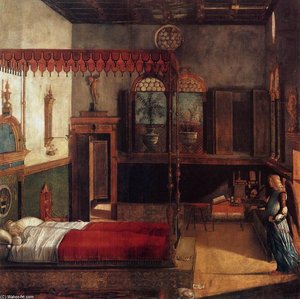
Biografía del artista
Vida y Formación Temprana
Vittore Carpaccio, un destacado pintor italiano, nació en Venecia alrededor de 1465. Estudió bajo la tutela de Gentile Bellini, un renombrado artista de la escuela veneciana. Este aprendizaje sentó las bases para el futuro éxito de Carpaccio.
Estilo Artístico e Influencias
El estilo de Carpaccio se caracterizó por su naturaleza conservadora, mostrando una influencia mínima de las tendencias humanistas que transformaron la pintura del Renacimiento italiano durante su vida. Su obra fue influenciada por el estilo de Antonello da Messina y el arte netherlandish temprano. Esta mezcla única de estilos resultó en un enfoque distintivo de la pintura veneciana.
Obras Destacadas
- La Leyenda de Santa Úrsula, un ciclo de nueve pinturas, es la obra más famosa de Carpaccio. Esta serie, ahora alojada en las Gallerie dell'Accademia, muestra su maestría en la pintura narrativa.
- El retablo Gloria de Santa Úrsula (1491) demuestra la habilidad de Carpaccio para capturar la luz y el color, reminiscente del estilo de Giovanni Bellini.
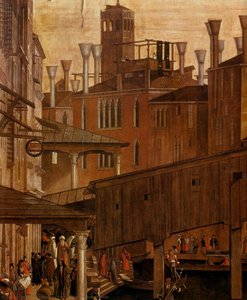
- Milagro de la Reliquia de la Cruz en el Ponte di Rialto (1494) destaca la capacidad de Carpaccio para equilibrar composición y narrativa.
Carrera e Importancia Histórica
Las principales obras de Carpaccio fueron ejecutadas entre 1490 y 1519, lo que le sitúa entre los primeros maestros del Renacimiento veneciano. Su estilo orientalista, como se ve en San Jorge bautizando a los Selenitas, refleja una nueva fascinación por el Levante. La obra de Carpaccio ha sido algo pasada por alto en comparación con sus contemporáneos, como Giovanni Bellini o Giorgione. A pesar de ello, su contribución al arte veneciano es innegable y su enfoque único lo distingue dentro del panorama artístico de la época.
Referencias Adicionales
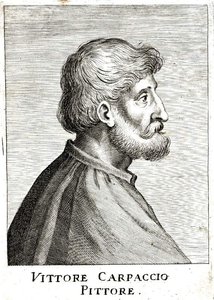
Vittore Carpaccio
1465 - 1526 , Italia
Datos clave
- Artistas Que Influyeron:
- Gentile Bellini
- Antonello da Messina
- Fecha De Muerte: 1526
- Fecha De Nacimiento: c. 1465
- Lugar De Nacimiento: Venecia, Italia
- Movimiento Artístico: Renacimiento veneciano
- Nacionalidad: Italiana
- Nombre Completo: Vittore Carpaccio
- Notable Obras:
- Leyenda de Santa Úrsula
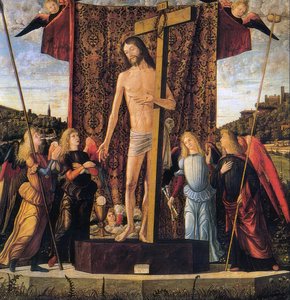
- Cristo con los Símbolos de la Pasión
- Retrato de una dama
Artículos relacionados
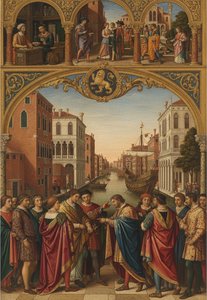
Vittore Carpaccio: Venetian Renaissance Narrative & the Poetics of Detail
Explore the captivating world of Vittore Carpaccio, a master storyteller of the Venetian Renaissance. Discover his intricate details, narrative cycles like 'The Legend of St. Ursula,' and unique artistic style.

El Óleo sobre Lienzo: Historia, Técnica y la Persistencia de un Medio Artístico Atemporal
Descubre la historia y técnica del óleo sobre lienzo. Explora reproducciones fieles hechas a mano, personalización artística y consejos de expertos con ArtsDot. ¡Colecciona arte con confianza!

The Enduring Legacy of Oil on Canvas: Technique, History & Aesthetic Impact
Explore the rich history & techniques of oil painting – from Renaissance masters to Impressionism. Discover pigments, layering methods, and why this timeless medium endures. Expert insights for artists & art enthusiasts.

The Enduring Power of Painting: A Historical & Contemporary Exploration of Form and Emotion
Explore the rich history & enduring techniques of oil painting with ArtsDot. Discover masterpieces, learn about art collecting, and find authentic handmade reproductions crafted by skilled artists.

El Legado Duradero del Óleo sobre Lienzo: Técnica, Historia y Práctica Contemporánea
Descubre la historia y técnica del óleo sobre lienzo. Explora reproducciones fieles hechas a mano, personalización artística y consejos de expertos con .