 Ver en contexto
 Enviar
 Compartir
 Detalles

 Descargar
 Similares
 Radiografía
 Presentación de diapositivas
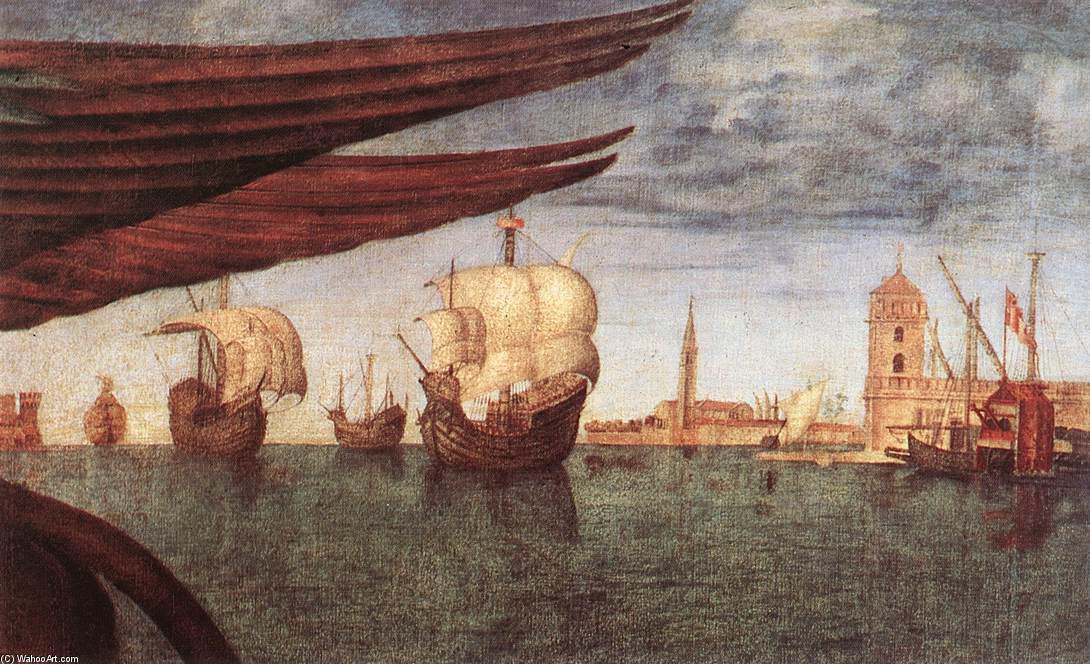
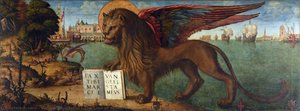
The Lion of St Mark (detail)


 Ver más
Reproducción al óleo hecha a mano
Óleo sobre lienzo pintado a mano en el tamaño y marco de su elección, realizado por encargo por nuestros artistas. ( Comprar impresión Comprar imagen)




P118B $10

P118H $10

P118W $10

P438Z $10

P508JH $12

P508YH $12

P805H $10

P805Z $10

P919BZ $10

P919G $10

P919XJ $10

P959ZH $10

P968JZ $12

W106C $8

W218G $10

W218JH $8

W218Y $10

W307PJ $10

W316G $10

W316PJ $8

W316Y $10

W398PJ $8

W4111J $10

W500HY $15

W500JH $15

W692G $12

W849H $8

W940BG $15

W953PJ $8




Elija entre nuestros tamaños predefinidos que respetan las proporciones originales de la obra.

Puede ingresar sus propias dimensiones para adaptarse a un marco o espacio específico. Si el tamaño seleccionado no coincide con las proporciones de la imagen original, recortaremos la obra o extenderemos la pintura con elementos adicionales pintados a mano. Se le enviará una maqueta digital para su aprobación antes de comenzar la producción.
Tenga en cuenta que la vista previa en pantalla no refleja el recorte o la extensión reales. Solo la maqueta mostrará con precisión la composición final.
Si bien existen tamaños personalizados, recomendamos seleccionar una dimensión de la lista predefinida para preservar las proporciones originales.
Tras realizar el pedido, el equipo de ArtsDot.com enviará un correo electrónico al cliente para solicitar instrucciones y proporcionarle una vista previa del boceto.
Envío a todo el mundo () en 3-4 semanas en lugar de las 5 semanas estándar. (28 agosto). Sin comprometer la calidad.

Envío exprés gratuito a todo el mundo

Lienzo de lino de alta calidad

Seguro de envío total

Garantía de reembolso de impuestos aduaneros

Garantía de fidelidad cromática exacta

Política de devolución de 60 días (solo por defectos)

Garantía de devolución del 100% del dinero

Descuento por cantidad
 La opción de vidrio solo está disponible en tamaños inferiores a 110 cm.

The Lion of St Mark (detail)
Técnica de reproducción
Dimensiones de la reproducción
-


Precio total final
$ 263
The Lion of St Mark: A Venetian Icon
Vittore Carpaccio’s “The Lion of St Mark,” completed in 1516, stands as a cornerstone of Venetian Renaissance art—a testament to meticulous observation and profound symbolic representation. Housed within the Palazzo Ducale in Venice, Italy, this tempera on wood panel painting transcends mere visual beauty; it embodies the spirit of a republic at its zenith.
Artistic Style and Composition
Carpaccio’s approach distinguishes itself from the humanist fervor sweeping across Europe during his time. Rather than embracing intellectual treatises or idealized forms, he adhered to the stylistic conventions established by Antonello da Messina and early Netherlandish painters—a deliberate choice that resulted in a remarkably textured surface and an unwavering focus on detail. The composition is strikingly balanced, mirroring the grandeur of Venice itself. Carpaccio skillfully employs perspective to create depth, guiding the viewer’s eye across the scene from left to right.
Technique: Tempera and Impasto
Carpaccio's mastery lies in his masterful use of tempera—a pigment bound with egg yolk—which lends the painting an unparalleled luminosity and durability. The technique involves layering thin glazes over a prepared ground, resulting in a characteristic impasto effect—thickly applied paint that retains its sculptural quality. This meticulous process captures the subtle nuances of light and shadow, imbuing the artwork with palpable atmosphere.
Historical Significance: Venice’s Dominance
"The Lion of St Mark" isn't simply a beautiful painting; it’s a chronicle of Venetian power during the Renaissance. The depiction of Saint Mark holding a book symbolizes the evangelist’s role as protector of the city and its maritime dominion—a visual declaration of Venice’s ambition to rule the Mediterranean Sea. Furthermore, the inclusion of prominent figures like Doge Leonardo Loredan underscores the importance of aristocratic patronage in shaping artistic production.
Symbolism: The Lion's Message
The lion itself is a potent emblem—representing St. Mark and, by extension, Saint Augustine—and its posture conveys confidence and authority. Its gaze directs towards the viewer, inviting contemplation and reinforcing the painting’s overarching message of stability and prosperity. The careful arrangement of elements within the scene—the Basilica of San Marco, the Palazzo Ducale, and the Clock Tower—further emphasizes Venice's position as a center of culture and commerce.
Emotional Impact: A Window to Another Era
"The Lion of St Mark" continues to captivate audiences today with its serene beauty and evocative depiction of Venetian life. Its textured surface invites tactile engagement, transporting viewers back to the fifteenth century—a period marked by artistic innovation and political ambition. This masterpiece serves as a poignant reminder of Venice’s illustrious past and its enduring legacy in the history of art.
Obras relacionadas


Biografía del artista
Vida y Formación Temprana
Vittore Carpaccio, un destacado pintor italiano, nació en Venecia alrededor de 1465. Estudió bajo la tutela de Gentile Bellini, un renombrado artista de la escuela veneciana. Este aprendizaje sentó las bases para el futuro éxito de Carpaccio.
Estilo Artístico e Influencias
El estilo de Carpaccio se caracterizó por su naturaleza conservadora, mostrando una influencia mínima de las tendencias humanistas que transformaron la pintura del Renacimiento italiano durante su vida. Su obra fue influenciada por el estilo de Antonello da Messina y el arte netherlandish temprano. Esta mezcla única de estilos resultó en un enfoque distintivo de la pintura veneciana.
Obras Destacadas
- La Leyenda de Santa Úrsula, un ciclo de nueve pinturas, es la obra más famosa de Carpaccio. Esta serie, ahora alojada en las Gallerie dell'Accademia, muestra su maestría en la pintura narrativa.
- El retablo Gloria de Santa Úrsula (1491) demuestra la habilidad de Carpaccio para capturar la luz y el color, reminiscente del estilo de Giovanni Bellini.
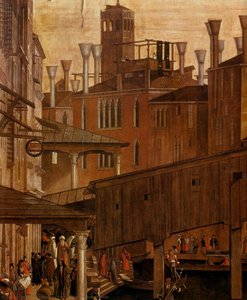
- Milagro de la Reliquia de la Cruz en el Ponte di Rialto (1494) destaca la capacidad de Carpaccio para equilibrar composición y narrativa.
Carrera e Importancia Histórica
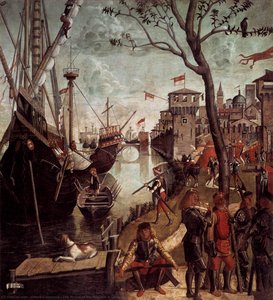
Las principales obras de Carpaccio fueron ejecutadas entre 1490 y 1519, lo que le sitúa entre los primeros maestros del Renacimiento veneciano. Su estilo orientalista, como se ve en San Jorge bautizando a los Selenitas, refleja una nueva fascinación por el Levante. La obra de Carpaccio ha sido algo pasada por alto en comparación con sus contemporáneos, como Giovanni Bellini o Giorgione. A pesar de ello, su contribución al arte veneciano es innegable y su enfoque único lo distingue dentro del panorama artístico de la época.
Referencias Adicionales
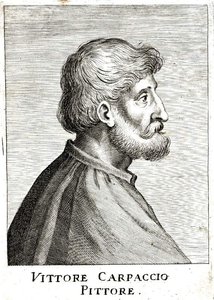
Vittore Carpaccio
1465 - 1526 , Italia
Datos clave
- Artistas Que Influyeron:
- Gentile Bellini
- Antonello da Messina
- Fecha De Muerte: 1526
- Fecha De Nacimiento: c. 1465
- Lugar De Nacimiento: Venecia, Italia
- Movimiento Artístico: Renacimiento veneciano
- Nacionalidad: Italiana
- Nombre Completo: Vittore Carpaccio
- Notable Obras:
- Leyenda de Santa Úrsula
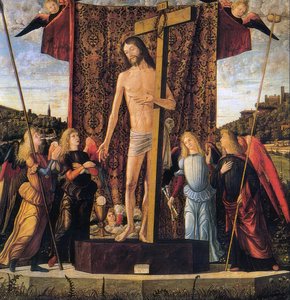
- Cristo con los Símbolos de la Pasión
- Retrato de una dama
Artículos relacionados
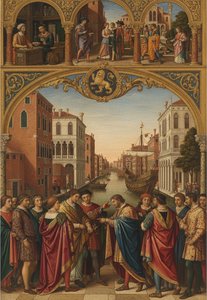
Vittore Carpaccio: Venetian Renaissance Narrative & the Poetics of Detail
Explore the captivating world of Vittore Carpaccio, a master storyteller of the Venetian Renaissance. Discover his intricate details, narrative cycles like 'The Legend of St. Ursula,' and unique artistic style.

Jacopo Tintoretto: Las 25 Obras Maestras del Genio Veneciano | Arte y Decoración en ArtsDot
Descubre las 25 obras maestras de Jacopo Tintoretto, el genio veneciano del Renacimiento. Explora su arte dramático, composiciones innovadoras y paleta vibrante. Reproducciones de alta calidad en ArtsDot.com para transformar tu hogar.

Mark Rothko: Las 25 Obras Maestras que Definen la Expresión Abstracta | ArtsDot
Descubre las 25 obras maestras de Mark Rothko, pionero del expresionismo abstracto. Explora la historia, el significado y los colores vibrantes que definen su arte emocional. Reproducciones de alta calidad en ArtsDot.com.
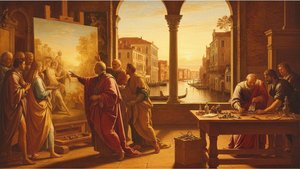
La Luz Dorada de la Innovación: Explorando el Renacimiento Veneciano (1430–1580)
Descubra la riqueza y el esplendor del Renacimiento veneciano con ArtsDot. Explore las obras maestras de Tiziano, Giorgione y Tintoretto. Análisis experto, historia detallada e información para coleccionistas.

Jacopo Palma il Giovane: A Venetian Master's Poetic Evolution
Explore the captivating world of Jacopo Palma il Giovane, a pivotal Venetian Renaissance master. Discover his unique style, influenced by Titian & Tintoretto, and learn about key works perfect for discerning collectors.