

 Ver en contexto
 Enviar
 Compartir
 Detalles

 Descargar
 Similares
 Radiografía
 Presentación de diapositivas
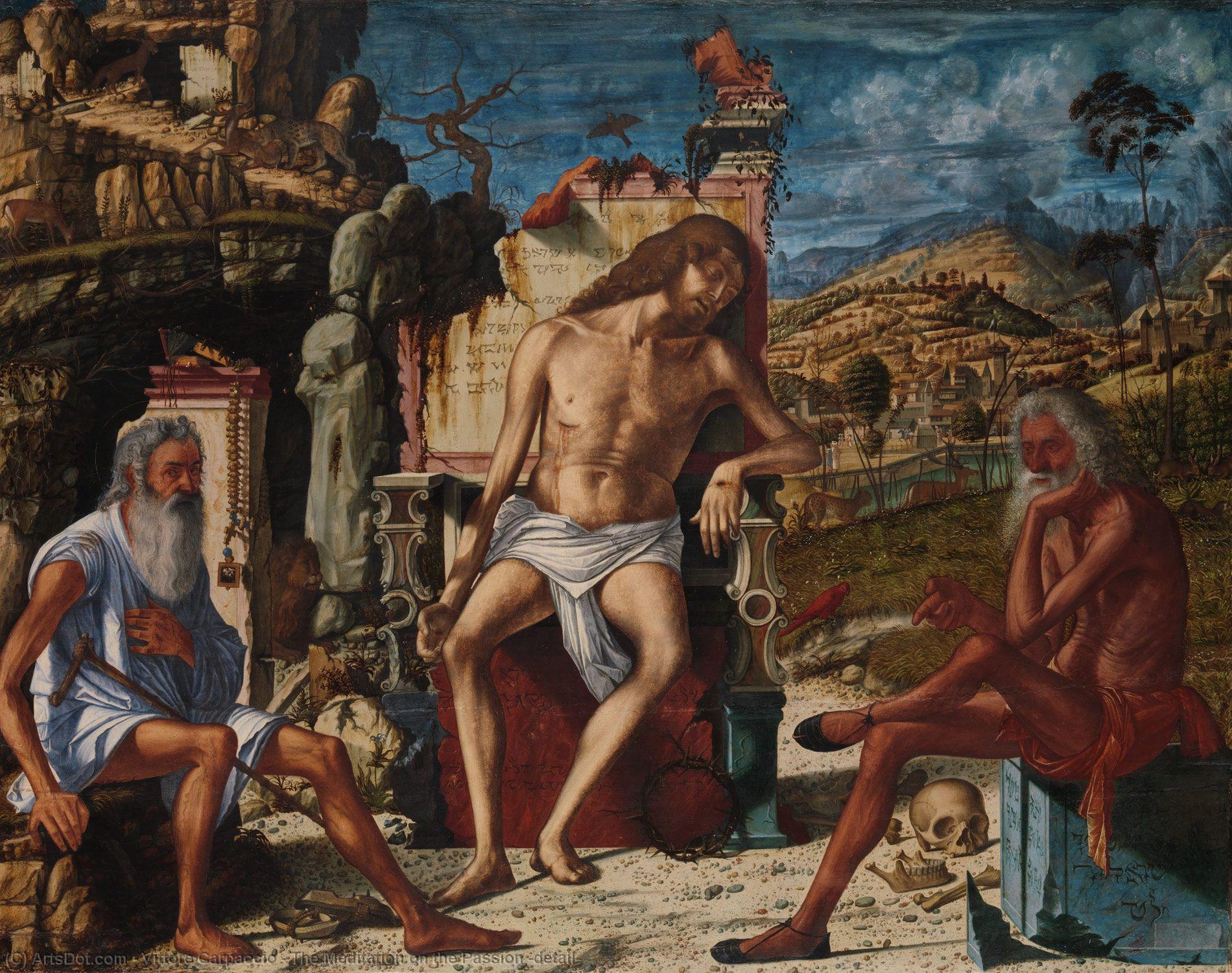
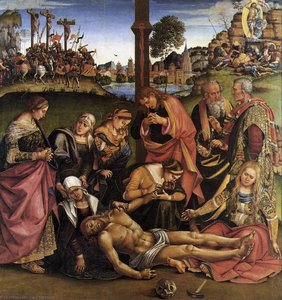
The Meditation on the Passion (detail)


 Ver más
Adquiera una imagen digital de alta resolución y optimizada, muy superior a la vista previa en línea.
Cada archivo es preparado meticulosamente por nuestros especialistas internos mediante el uso de herramientas avanzadas y un experto retoque manual. Nos aseguramos de que cada imagen posea una claridad excepcional, una precisión cromática impecable y un detalle minucioso.
El archivo final se entrega por correo electrónico en un plazo de 72 horas, optimizado para su uso inmediato en entornos profesionales, editoriales y de impresión. Esta es la misma calidad en la que confían los estudios de diseño, las editoriales y las galerías de primer nivel.
Imagen Digital
Descarga un archivo de alta resolución para exhibición personal, impresión y proyectos creativos. ( Comprar impresión Comprar pintura hecha a mano)
Incluido en cada pedido de imágenes digitales
Entrega digital experta, garantizada.
Al elegir ArtsDot.com, no solo está adquiriendo una imagen; está recibiendo una obra de arte digital mejorada profesionalmente, elaborada con precisión y respaldada por una garantía de satisfacción. Esto es todo lo que incluye su pedido, automáticamente:

Entrega rápida por email
Recibirá su archivo de imagen digital en alta resolución por correo electrónico en un plazo de 72 horas tras realizar su pedido, listo para su uso inmediato.

Archivo digital optimizado por IA
Su obra de arte se optimiza profesionalmente mediante herramientas avanzadas de IA y edición manual, garantizando el máximo detalle, claridad y precisión cromática.

Reenvío gratuito de por vida
¿Has borrado o perdido tu archivo por error? No te preocupes: te lo volveremos a enviar en cualquier momento, sin coste adicional.

Sin gastos de importación, siempre
Disfrute de su obra de arte al instante sin aduanas, aranceles ni gastos de envío; las descargas digitales siempre están libres de impuestos.

Garantía de fidelidad de color
Garantizamos que su imagen digital refleje los colores originales con la mayor fidelidad posible, mediante el uso de herramientas profesionales y gestión del color.

Garantía de satisfacción de 60 días
Si no está satisfecho con su imagen digital, la revisaremos o le reembolsaremos el 100% en un plazo de 60 días, sin preguntas.

100% Garantía de devolución de dinero
¿No está satisfecho? Obtenga un reembolso completo dentro de los 60 días posteriores a la recepción de su archivo digital, sin necesidad de explicaciones.

Descuentos por pedidos grandes
Compra 3 imágenes, ahorra 10% - Compra 5, ahorra 15% - Compra 10+, ahorra 20%. Ideal para proyectos creativos, galerías y agencias.
Descripción del coleccionable
A Meditation on Suffering and Hope: Carpaccio’s “The Meditation on the Passion”
Vittore Carpaccio's "The Meditation on the Passion," painted around 1490, is not merely a depiction of Christ’s death; it’s a profound exploration of mortality, faith, and the enduring promise of resurrection. This remarkable work, housed within the walls of the Metropolitan Museum of Art, offers a rare glimpse into the Venetian painter's distinctive style – a blend of early Netherlandish precision, Italian Renaissance color palettes, and a deeply humanistic sensibility that sets him apart from his contemporaries.
Carpaccio’s artistic approach diverges significantly from the prevailing humanist trends sweeping through Italy at the time. He eschewed the idealized forms and classical references favored by many of his peers, instead opting for a more restrained and narrative-driven style. His work is characterized by meticulous detail, particularly in architectural renderings and the rendering of fabrics – hallmarks inherited from his apprenticeship under Gentile Bellini. Yet, unlike Bellini’s often opulent displays, Carpaccio imbues his scenes with a palpable sense of solemnity and introspection, drawing heavily on the emotional intensity found in Early Netherlandish painting, notably Antonello da Messina.
The Composition: A Landscape of Loss and Longing
The scene unfolds against a dramatic backdrop of rugged mountains, their peaks shrouded in mist – a visual metaphor for the uncertainties and challenges of life. Below this imposing landscape sits a starkly barren terrain, punctuated by the broken remains of a throne upon which Christ’s lifeless body rests. This fragmented throne, inscribed with pseudo-Hebrew text referencing Job's faith (“I know that my redeemer liveth”), immediately establishes the central theme: the acceptance of suffering and the unwavering belief in divine redemption. The inscription itself is a powerful statement – echoing the biblical narrative of Job’s endurance through unimaginable hardship.
Carpaccio masterfully employs contrasting elements to heighten the emotional impact. To Christ's still form, we are presented with a vibrant, almost overwhelming landscape teeming with life—a stark juxtaposition that underscores the tragedy of death while simultaneously hinting at the promise of eternal life. The inclusion of several figures – including Saint Jerome meditating on the scene and Job contemplating the events – invites contemplation and adds layers of theological significance. The turbaned figures in the background, likely representing merchants from the East, speak to Venice’s thriving trade routes and its engagement with diverse cultures, further enriching the painting's narrative complexity.
Symbolism and Spiritual Depth
The painting is replete with symbolic details that deepen its meaning. The presence of a single bird, soaring upwards towards Christ’s head, represents the soul ascending to God – a potent image of resurrection and spiritual liberation. The scattered bones near Job's figure serve as a poignant reminder of mortality and the transience of earthly existence. Even the carefully chosen colors contribute to the overall mood: somber blues and browns dominate the scene, punctuated by flashes of vibrant red in the drapery, symbolizing both Christ’s blood and the intensity of his sacrifice.
Carpaccio's "The Meditation on the Passion" is more than just a religious depiction; it’s a meditation on the human condition. It confronts viewers with the realities of suffering, loss, and mortality while simultaneously offering a message of hope and redemption. Its enduring power lies in its ability to evoke profound emotional responses – prompting reflection on faith, resilience, and the eternal promise of salvation. This work stands as a testament to Carpaccio’s unique artistic vision and his masterful command of narrative painting.
Obras relacionadas


Biografía del artista
Vida y Formación Temprana
Vittore Carpaccio, un destacado pintor italiano, nació en Venecia alrededor de 1465. Estudió bajo la tutela de Gentile Bellini, un renombrado artista de la escuela veneciana. Este aprendizaje sentó las bases para el futuro éxito de Carpaccio.
Estilo Artístico e Influencias
El estilo de Carpaccio se caracterizó por su naturaleza conservadora, mostrando una influencia mínima de las tendencias humanistas que transformaron la pintura del Renacimiento italiano durante su vida. Su obra fue influenciada por el estilo de Antonello da Messina y el arte netherlandish temprano. Esta mezcla única de estilos resultó en un enfoque distintivo de la pintura veneciana.
Obras Destacadas
- La Leyenda de Santa Úrsula, un ciclo de nueve pinturas, es la obra más famosa de Carpaccio. Esta serie, ahora alojada en las Gallerie dell'Accademia, muestra su maestría en la pintura narrativa.
- El retablo Gloria de Santa Úrsula (1491) demuestra la habilidad de Carpaccio para capturar la luz y el color, reminiscente del estilo de Giovanni Bellini.
- Milagro de la Reliquia de la Cruz en el Ponte di Rialto (1494) destaca la capacidad de Carpaccio para equilibrar composición y narrativa.
Carrera e Importancia Histórica
Las principales obras de Carpaccio fueron ejecutadas entre 1490 y 1519, lo que le sitúa entre los primeros maestros del Renacimiento veneciano. Su estilo orientalista, como se ve en San Jorge bautizando a los Selenitas, refleja una nueva fascinación por el Levante. La obra de Carpaccio ha sido algo pasada por alto en comparación con sus contemporáneos, como Giovanni Bellini o Giorgione. A pesar de ello, su contribución al arte veneciano es innegable y su enfoque único lo distingue dentro del panorama artístico de la época.
Referencias Adicionales
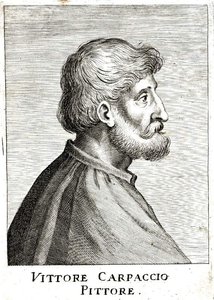
Vittore Carpaccio
1465 - 1526 , Italia
Breves datos
- Artistas Que Influyeron:
- Gentile Bellini
- Antonello da Messina
- Fecha De Muerte: 1526
- Fecha De Nacimiento: c. 1465
- Lugar De Nacimiento: Venecia, Italia
- Movimiento Artístico: Renacimiento veneciano
- Nacionalidad: Italiana
- Nombre Completo: Vittore Carpaccio
- Notable Obras:
- Leyenda de Santa Úrsula
- Cristo con los Símbolos de la Pasión
- Retrato de una dama

