 Ver en contexto
 Enviar
 Compartir
 Detalles

 Descargar
 Similares
 Radiografía
 Presentación de diapositivas
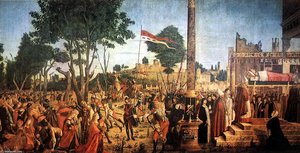
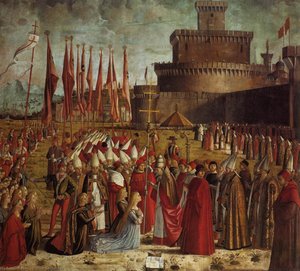
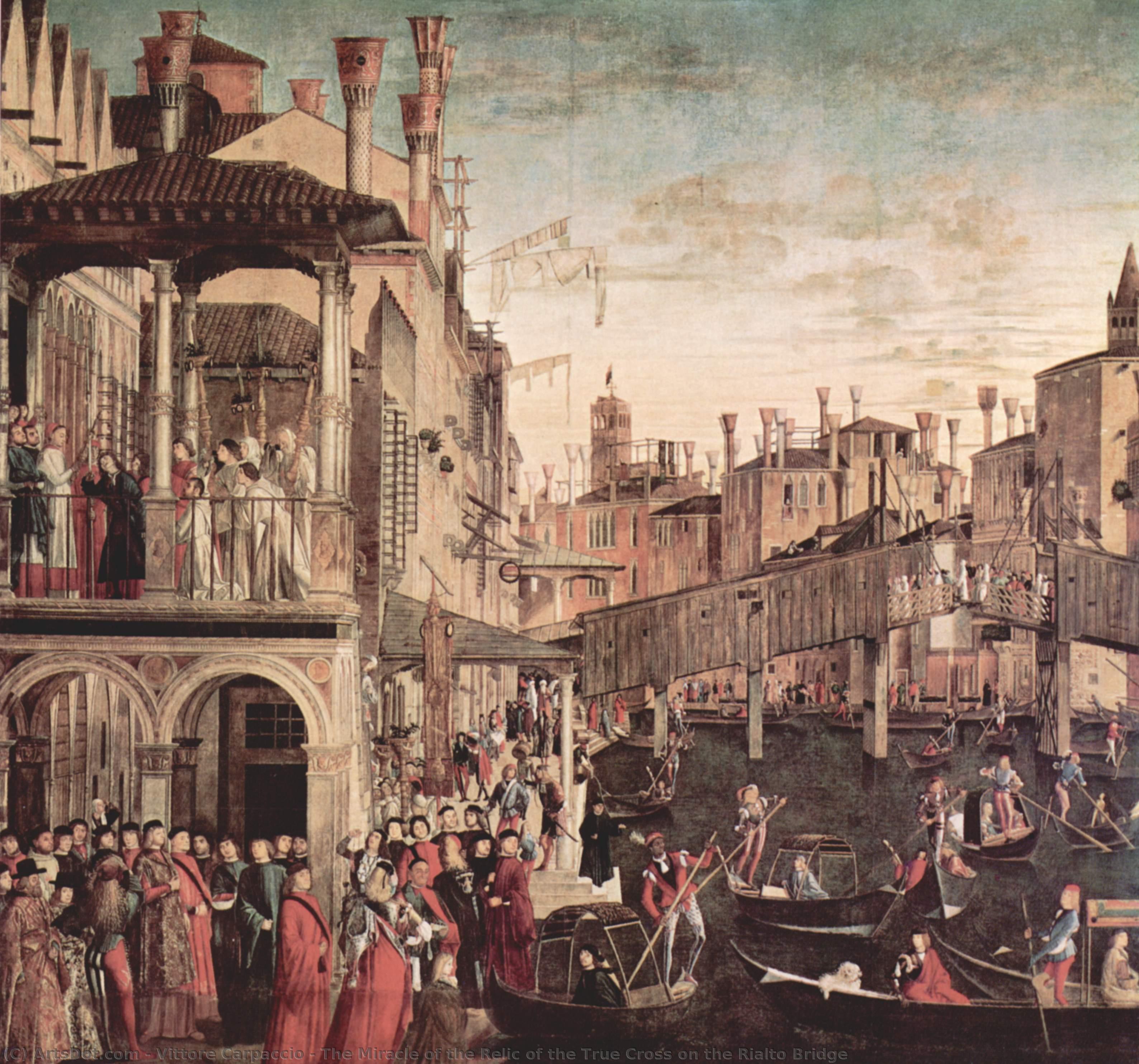
The Miracle of the Relic of the True Cross on the Rialto Bridge
 Acrylic On Canvas
- WallArt
- High Renaissance
 1494
1494 365.0 x 389.0 cm
 Galería de la Academia
 Ver más
Giclée / Impresión de arte
Impresiones giclée o en lienzo de calidad de museo con producción rápida y opciones de acabado flexibles. ( Comprar pintura hecha a mano Comprar imagen)




P118B $10

P118H $10

P118W $10

P438Z $10

P508JH $12

P508YH $12

P805H $10

P805Z $10

P919BZ $10

P919G $10

P919XJ $10

P959ZH $10

P968JZ $12

W106C $8

W218G $10

W218JH $8

W218Y $10

W307PJ $10

W316G $10

W316PJ $8

W316Y $10

W398PJ $8

W4111J $10

W500HY $15

W500JH $15

W692G $12

W849H $8

W940BG $15

W953PJ $8




Elija entre nuestros tamaños predefinidos que respetan las proporciones originales de la obra.

Puede introducir sus propias dimensiones para adaptarse a un marco o espacio específico. Si el tamaño seleccionado no coincide con las proporciones de la imagen original, recortaremos la obra de arte o extenderemos la imagen con un borde con efecto espejo o de color sólido. Se enviará una maqueta digital para su aprobación antes de que comience la producción.
Tenga en cuenta que la vista previa en pantalla no refleja el recorte o la extensión real. Solo la maqueta mostrará con precisión la composición final.
Aunque existen tamaños personalizados, recomendamos seleccionar una dimensión de la lista predefinida para preservar las proporciones originales.
Envío a todo el mundo () en 2 semanas en lugar de las 4/5 semanas estándar. (5 septiembre)

Envío exprés gratuito a todo el mundo

Lienzo de lino de alta calidad

Seguro de envío total

Garantía de reembolso de impuestos aduaneros

Garantía de fidelidad cromática exacta

Política de devolución de 60 días (solo por defectos)

Garantía de devolución del 100% del dinero

Descuento por cantidad
 La opción de vidrio solo está disponible en tamaños inferiores a 110 cm.

The Miracle of the Relic of the True Cross on the Rialto Bridge
Giclée / Impresión de arte
Dimensiones de la reproducción
-


Precio total final
$ 62
The Miracle of the True Cross at Rialto’s Heart
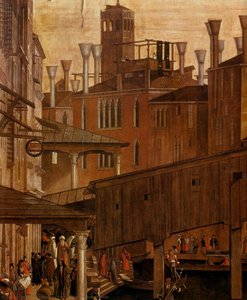
Vittore Carpaccio's “Miracle of the Relic of the True Cross at the Ponte di Rialto,” painted in 1496, isn’t merely a depiction of a Venetian street scene; it’s a vibrant snapshot of a city pulsating with faith, commerce, and the everyday drama of life. The painting, now residing within the Gallerie dell'Accademia in Venice, immediately draws the eye into a bustling marketplace, dominated by the iconic Rialto Bridge – a symbol not just of Venetian engineering but also of its position as a crucial crossroads between East and West. Yet, amidst the lively activity—the merchants hawking their wares, the elegantly dressed patricians strolling along the canal, and the boisterous gondoliers navigating the waterways—a smaller, more intimate scene unfolds in the lower left corner: the miraculous healing of a possessed man through the touch of a splinter from the True Cross. This juxtaposition is key to understanding Carpaccio’s masterful storytelling – he seamlessly blends the sacred and secular, inviting us to contemplate the intersection of divine intervention and human experience within the fabric of daily life.
Carpaccio's style, deeply rooted in the early Renaissance, reveals a fascinating blend of influences. He was apprenticed to Gentile Bellini, a master known for his dramatic narratives and rich color palettes, but he also absorbed elements from the more restrained and precise techniques of Antonello da Messina, a pioneer of oil painting in Venice. This combination results in an image that is both emotionally charged and meticulously rendered. The figures are not idealized; they possess a palpable sense of realism, reflecting Carpaccio’s keen observation of Venetian society. His use of perspective, though not entirely groundbreaking for the time, creates a convincing illusion of depth, drawing us into the heart of the scene. The color scheme is dominated by warm reds and golds – colors associated with piety and wealth – contrasted against the cool blues and greens of the canal and surrounding buildings, further emphasizing the contrast between the earthly and the divine.
A Window into Renaissance Venice
To truly appreciate “Miracle of the True Cross,” it’s essential to understand the context in which it was created. Venice in 1496 was a city at the height of its power and prosperity, a global trading hub connecting Europe with Asia, Africa, and the Middle East. The Rialto Bridge itself was the center of this bustling commerce, a symbol of Venetian ingenuity and economic dominance. The presence of diverse populations – merchants from across Europe, Arab traders, African slaves, and even travelers from distant lands – created a remarkably cosmopolitan atmosphere. Carpaccio’s painting captures this vibrant diversity with remarkable detail, depicting individuals from various social classes and ethnicities interacting within the same scene. The inclusion of Black gondoliers, for example, highlights Venice's complex relationship with slavery—a dark undercurrent beneath the city’s glittering façade.
The miracle itself – the healing of a possessed man through the touch of a splinter from the True Cross – was a deeply significant event in Venetian religious life. The relic was venerated throughout the city, and its purported power to cure illness and exorcise demons fueled countless miracles and pilgrimages. Carpaccio’s painting isn't simply illustrating a biblical story; it’s reflecting the fervent piety of the Venetian people and their belief in the tangible presence of God in their daily lives. The scene is imbued with a sense of urgency and drama, as the possessed man writhes on the ground while the patriarch bestows the miraculous splinter. The expressions on the faces of the onlookers – ranging from awe to skepticism – reveal the diverse range of beliefs and attitudes within Venetian society.
Symbolism and Emotional Resonance
Beyond its historical context, “Miracle of the True Cross” is rich in symbolism. The True Cross itself represents sacrifice, redemption, and the triumph over death—central themes in Christian theology. The splinter, a small fragment of this sacred relic, embodies divine power and healing. The setting – the bustling Rialto Bridge – symbolizes the intersection of faith and commerce, highlighting the idea that God’s grace can be found even within the most earthly of circumstances. The painting's composition—with its dynamic movement and carefully arranged figures—creates a sense of visual excitement and invites the viewer to become an active participant in the scene.
The emotional impact of “Miracle of the True Cross” is profound. It’s not a sentimental or overly dramatic depiction of faith; rather, it captures the raw intensity of human experience – suffering, hope, and the possibility of redemption. The painting evokes a sense of wonder and mystery, prompting us to contemplate the nature of miracles and their place in our own lives. It's a testament to Carpaccio’s skill as a storyteller—his ability to capture not just the visual details of a scene but also its emotional essence. Reproductions of this masterpiece continue to resonate with viewers today, offering a glimpse into the vibrant and complex world of Renaissance Venice.
Obras relacionadas
Biografía del artista
Vida y Formación Temprana
Vittore Carpaccio, un destacado pintor italiano, nació en Venecia alrededor de 1465. Estudió bajo la tutela de Gentile Bellini, un renombrado artista de la escuela veneciana. Este aprendizaje sentó las bases para el futuro éxito de Carpaccio.
Estilo Artístico e Influencias
El estilo de Carpaccio se caracterizó por su naturaleza conservadora, mostrando una influencia mínima de las tendencias humanistas que transformaron la pintura del Renacimiento italiano durante su vida. Su obra fue influenciada por el estilo de Antonello da Messina y el arte netherlandish temprano. Esta mezcla única de estilos resultó en un enfoque distintivo de la pintura veneciana.
Obras Destacadas
- La Leyenda de Santa Úrsula, un ciclo de nueve pinturas, es la obra más famosa de Carpaccio. Esta serie, ahora alojada en las Gallerie dell'Accademia, muestra su maestría en la pintura narrativa.
- El retablo Gloria de Santa Úrsula (1491) demuestra la habilidad de Carpaccio para capturar la luz y el color, reminiscente del estilo de Giovanni Bellini.
- Milagro de la Reliquia de la Cruz en el Ponte di Rialto (1494) destaca la capacidad de Carpaccio para equilibrar composición y narrativa.
Carrera e Importancia Histórica
Las principales obras de Carpaccio fueron ejecutadas entre 1490 y 1519, lo que le sitúa entre los primeros maestros del Renacimiento veneciano. Su estilo orientalista, como se ve en San Jorge bautizando a los Selenitas, refleja una nueva fascinación por el Levante. La obra de Carpaccio ha sido algo pasada por alto en comparación con sus contemporáneos, como Giovanni Bellini o Giorgione. A pesar de ello, su contribución al arte veneciano es innegable y su enfoque único lo distingue dentro del panorama artístico de la época.
Referencias Adicionales
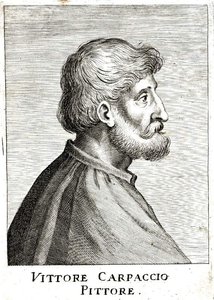
Vittore Carpaccio
1465 - 1526 , Italia
Datos clave
- Artistas Que Influyeron:
- Gentile Bellini
- Antonello da Messina
- Fecha De Muerte: 1526
- Fecha De Nacimiento: c. 1465
- Lugar De Nacimiento: Venecia, Italia
- Movimiento Artístico: Renacimiento veneciano
- Nacionalidad: Italiana
- Nombre Completo: Vittore Carpaccio
- Notable Obras:
- Leyenda de Santa Úrsula
- Cristo con los Símbolos de la Pasión
- Retrato de una dama
Artículos relacionados
Vittore Carpaccio: Venetian Renaissance Narrative & the Poetics of Detail
Explore the captivating world of Vittore Carpaccio, a master storyteller of the Venetian Renaissance. Discover his intricate details, narrative cycles like 'The Legend of St. Ursula,' and unique artistic style.
The Art of Italian Living: Transform Your Home with Timeless Landscapes and Renaissance Masterpieces
Elevate your home with the timeless romance of Italy. Discover expert-curated, hand-painted Italian landscapes and Renaissance-inspired masterpieces. From bespoke oil reproductions to custom portraits from photos, transform your space with elegance and artistic passion.
Virtud Cívica y Rivalidad Artística: Mecenazgo e Innovación en las Repúblicas Italianas del Renacimiento, 1400–1600
Descubre el Renacimiento italiano: mecenazgo, rivalidad artística y la explosión del humanismo. Análisis experto de artistas clave y su legado cultural. ¡Sumérgete en una época fascinante!
Mario Sironi: A Poetic of Modern Italian Identity Through Symbolism & Social Commentary
Explore the profound works of Mario Sironi, a key figure in Italian Modernism. Discover his evolution from Futurism to Metaphysical painting and his powerful social commentary. Learn about his legacy at ArtsDot.
Giovanni Fattori: Realism, Identity & the Tuscan Landscape – A Macchiaioli Master
Explore the life & art of Giovanni Fattori, a leading figure of the Macchiaioli movement. Discover his revolutionary realism, captivating Tuscan landscapes, and lasting impact on Italian painting. Learn more at ArtsDot.