 Ver en contexto
 Enviar
 Compartir
 Detalles

 Descargar
 Similares
 Radiografía
 Presentación de diapositivas
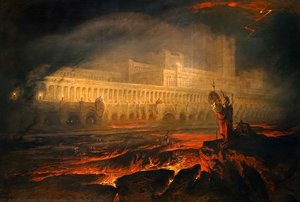
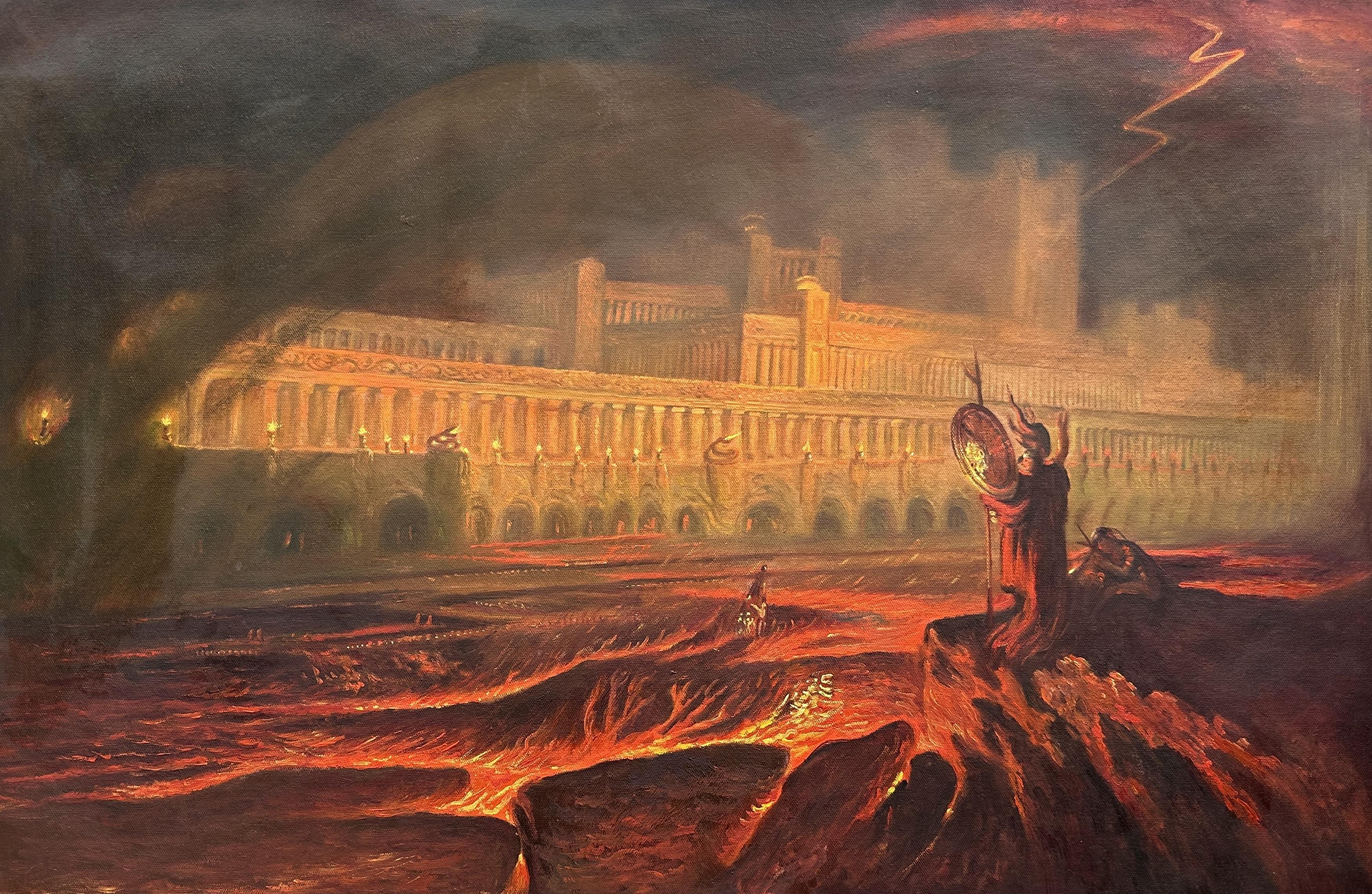
Pandemonium - John Martin
 Acrílico
- Arte de pared
- Romanticism
 2026
2026- Studio Hand Painted Art Available Now
 61 x 93 cm
- Artwork Reference (Famous): Pandemonium
 Ver más
Óleo disponible en stock con descuento
Óleo pintado a mano disponible para envío inmediato; añada el enmarcado al finalizar su compra. ()





































Envío exprés gratuito a todo el mundo

Lienzo de lino de alta calidad

Seguro de envío total

Garantía de reembolso de impuestos aduaneros

Garantía de fidelidad cromática exacta

Política de devolución de 60 días (solo por defectos)

Garantía de devolución del 100% del dinero

Descuento por cantidad
 La opción de vidrio solo está disponible en tamaños inferiores a 110 cm.

Pandemonium - John Martin
Óleo disponible en stock con descuento
Dimensiones de la reproducción
-


Envío urgente
Envío exprés internacional. Una semana. (2 agosto).
Incluido
Precio total final
$ 112
Descripción de la obra
Obras relacionadas
Biografía del artista
John Martin: Un Visionario del Romanticismo Inglés
John Martin (Haydon Bridge, Northumberland, 19 de julio de 1789 – Londres, 17 de febrero de 1854) fue un pintor, grabador e ilustrador inglés, reconocido por sus vastas y melodramáticas obras que a menudo representaban temas religiosos y composiciones fantásticas. Su estilo se caracterizaba por la inclusión de figuras diminutas en paisajes imponentes, creando una sensación de escala épica y dramatismo.
Primeros Años y Formación
- Orígenes: Nació como cuarto hijo de Fenwick Martin, un antiguo maestro de esgrima.
- Aprendizaje: Se inició en el arte como aprendiz de carrocería en Newcastle upon Tyne, donde aprendió técnicas de pintura heráldica.
- Traslado a Londres: En 1806 se trasladó a Londres, casándose al año siguiente.
- Sustento Inicial: Para mantenerse, ofreció clases de dibujo y pintó en acuarela y sobre china, mostrando una versatilidad temprana.
Estilo Artístico y Obras Destacadas
Martin desarrolló un estilo distintivo marcado por composiciones grandiosas y melodramáticas, frecuentemente inspiradas en temas bíblicos y literarios. Su habilidad para representar escenas apocalípticas y paisajes desolados lo convirtió en una figura popular.
- Temas Recurrentes: Sus obras más conocidas incluyen representaciones de la destrucción de Sodoma y Gomorra, el Banquete de Belshazzar y escenas inspiradas en Paraíso Perdido de John Milton.
- Paisajes Serenos: Aunque es famoso por sus escenas dramáticas, también pintó paisajes más tranquilos, como Harnham Church, near Salisbury, demostrando su dominio del paisaje inglés.
- Obras Notables en ArtsDot: En ArtsDot.com se pueden encontrar reproducciones de obras clave como Keelmen Heaving in Coals by Night y Ploughing up Turnips, near Slough.
- Influencias Literarias: La obra de Milton fue una influencia crucial en su arte, particularmente en sus representaciones del infierno y la rebelión angelical.
Reconocimiento y Logros
A lo largo de su carrera, Martin recibió un amplio reconocimiento por su talento y originalidad.
- Popularidad: En 1821, Lawrence lo describió como "el pintor más popular de su día".
- Honores Reales: Recibió la Orden de Leopoldo del príncipe Leopoldo de Sajonia-Coburgo y se convirtió en el Pintor Histórico Oficial del Príncipe.
- Premios Internacionales: Obtuvo una medalla de oro del zar Nicolás I de Rusia.
- Exposiciones Importantes: Sus obras fueron exhibidas en la National Gallery of Art y la Tate Gallery, consolidando su lugar en el canon artístico británico.
Legado e Influencia
John Martin dejó un legado duradero como uno de los pintores románticos ingleses más importantes. Su capacidad para combinar dramatismo, escala épica y una visión personal del mundo lo distingue de sus contemporáneos.
- Influencia en Artistas Posteriores: Influyó en artistas como James Francis Danby, quien se inspiró en su estilo dramático y composiciones grandiosas.
- Representación de la Apocalipsis: Martin es considerado un maestro en la representación visual del apocalipsis y el fin del mundo, estableciendo un precedente para futuras generaciones de artistas.
- Relevancia Actual: Sus obras continúan inspirando a artistas e historiadores del arte, y sus reproducciones están disponibles en plataformas como ArtsDot, permitiendo que su visión única siga siendo accesible al público.
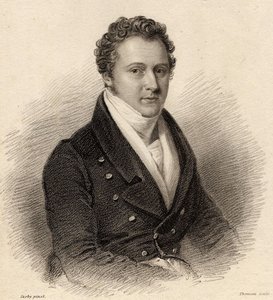
John Martin
1789 - 1854 , Reino Unido
Datos clave
- Fecha_Defuncion: 17 de febrero de 1854
- Fecha_Nacimiento: 19 de julio de 1789
- Influye_En: ['James Francis Danby']
- Lugar_De_Nacimiento: Haydon Bridge, Reino Unido
- Movimiento: Romanticismo
- Nacionalidad: Británico
- Nombre: John Martin
- Obras_Notables:
- La destrucción de Sodoma y Gomorra
- El banquete de Baltasar
- Harnham Church, cerca de Salisbury
- Keelmen heaving in coals by night
- Ploughing up turnips, near Slough
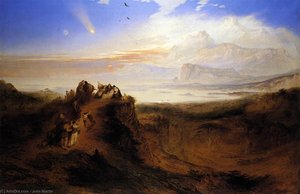
- The Evening of the Deluge
- Manfred and the Alpine Witch
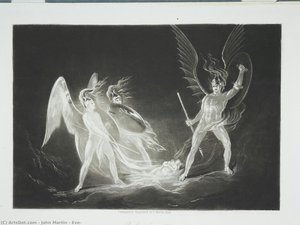
- Satan Arousing the Fallen Angels, Book 1, line 314, from John Milton, Paradise Lost
- Pandemonium
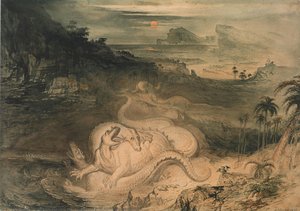
- The country of the Iguanodon
- Eve
- The Plains of Heaven
Artículos relacionados
Acrílico sobre Papel: Materialidad y Expresión en el Arte Contemporáneo
Explore la fascinante técnica de la pintura acrílica sobre papel en el arte contemporáneo. Descubra la materialidad, las técnicas mixtas y consejos para coleccionistas exigentes. Guía experta.
Romantic Realism's Finest: 10 Masterpieces for Your Home | ArtsDot
Explore 10 defining masterpieces of Romantic Realism! Discover Courbet, Millet & Daumier's powerful paintings—capturing emotion and social realities. Find museum-quality reproductions for your home at ArtsDot.com.

Crimson Threads of Narrative: Exploring Symbolism & Representation in Artworks Featuring the Red Dress
Explore the rich symbolism of the red dress in art history! From ancient power displays to iconic portraits like Cézanne’s 'Madame Cezanne', discover the cultural and artistic significance behind this captivating color. Expert analysis & insights.
El Sublime y lo Pintoresco: Explorando la Emoción y la Naturaleza en la Pintura Romántica de Paisaje
Explora la profunda conexión entre el arte romántico y la naturaleza. Descubre a Caspar David Friedrich, John Constable y otros maestros del sublime y lo pintoresco. Análisis experto e historia del movimiento.
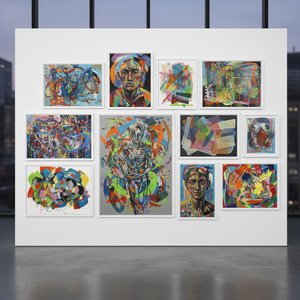
10 Obras Maestras Acrílicas que Revolucionaron el Arte | ArtsDot
Descubre 10 obras maestras acrílicas de artistas como Rothko, Frankenthaler y Pollock que revolucionaron el arte moderno. Explora su historia, técnica y significado en ArtsDot.com. Encuentra reproducciones de alta calidad para tu hogar.