 Ver en contexto
 Enviar
 Compartir
 Detalles

 Descargar
 Similares
 Radiografía
 Presentación de diapositivas
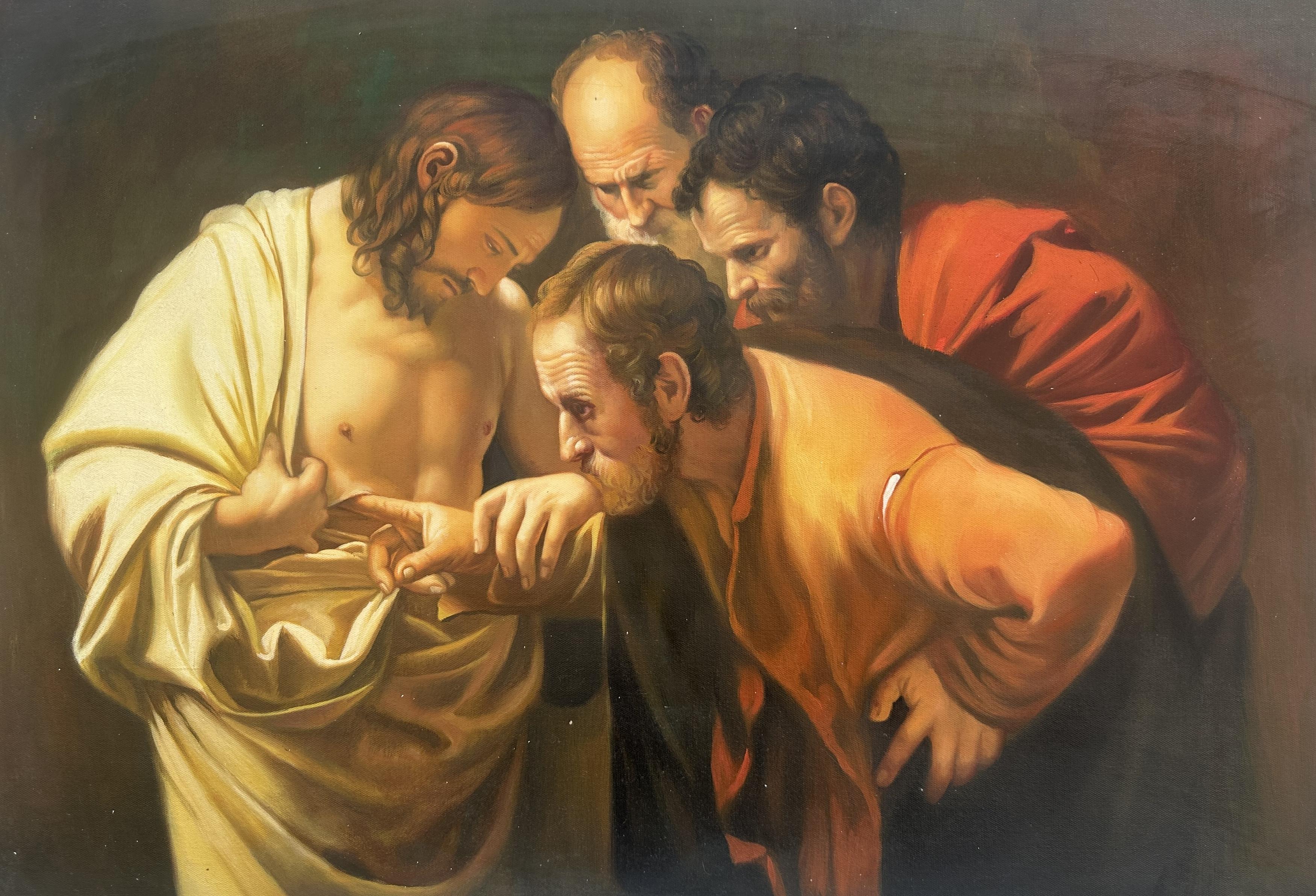
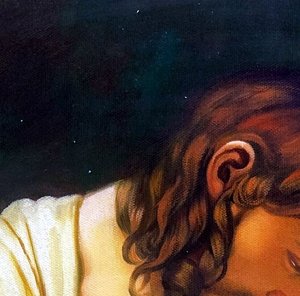
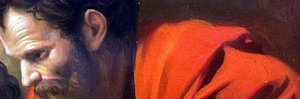
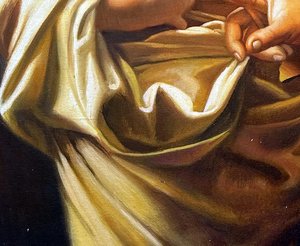
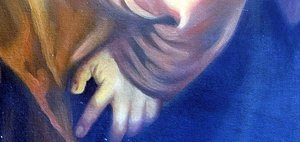
The Incredulity of Saint Thomas - Caravaggio
 Acrílico
- Arte de pared
- Baroque painting
 2026
2026- Studio Hand Painted Art Available Now
 61 x 90 cm
- Artwork Reference (Famous): La incredulidad de San Tomás
 Ver más
Óleo disponible en stock con descuento
Óleo pintado a mano disponible para envío inmediato; añada el enmarcado al finalizar su compra. ()





































Envío exprés gratuito a todo el mundo

Lienzo de lino de alta calidad

Seguro de envío total

Garantía de reembolso de impuestos aduaneros

Garantía de fidelidad cromática exacta

Política de devolución de 60 días (solo por defectos)

Garantía de devolución del 100% del dinero

Descuento por cantidad
 La opción de vidrio solo está disponible en tamaños inferiores a 110 cm.

The Incredulity of Saint Thomas - Caravaggio
Óleo disponible en stock con descuento
Dimensiones de la reproducción
-


Envío urgente
Envío exprés internacional. Una semana. (7 agosto).
Incluido
Precio total final
$ 150
A Moment of Raw Faith: Encountering Caravaggio’s ‘The Incredulity of Saint Thomas’
Michelangelo Merisi da Caravaggio, a name synonymous with dramatic realism and revolutionary chiaroscuro, forever altered the course of Baroque painting. Born in 1571, his brief but intensely prolific career produced works that were not merely depictions of biblical scenes, but visceral encounters with human emotion and spiritual doubt. Among his most compelling creations is ‘The Incredulity of Saint Thomas,’ a painting that continues to captivate viewers centuries later with its unflinching portrayal of faith’s complex journey.
The scene itself, drawn from the Gospel of John, depicts the moment after Jesus' resurrection when he appears before his apostles. Thomas, absent during the initial revelation, demands tangible proof – a physical examination of Christ’s wounds to believe in His return. Caravaggio doesn’t present us with ethereal grace or idealized beauty; instead, we are confronted with a profoundly human interaction. The composition is intimate, almost claustrophobic, drawing the viewer directly into the circle of questioning and revelation. Four figures—Christ and three apostles—are tightly grouped, their faces etched with curiosity, skepticism, and burgeoning belief.
What sets this painting apart is Caravaggio’s masterful use of *tenebrism*, a technique employing stark contrasts between light and dark. The intense spotlight illuminating Christ's torso and the probing hand of Thomas creates an atmosphere of both physical immediacy and spiritual weight. Earthy tones—ochres, browns, and deep reds—dominate the palette, lending a sense of realism that was radical for its time. The apostles are not presented as noble figures but as rough-hewn men, their faces bearing the marks of everyday life. This deliberate lack of idealization makes the scene all the more relatable, grounding the miraculous event in the tangible world.
Caravaggio’s genius lies in his ability to capture a fleeting moment of psychological tension. The painting is not simply about Thomas's doubt; it’s about the very nature of belief itself. The viewer is invited to participate in this questioning, to grapple with their own uncertainties and seek evidence beyond the visible realm. It’s a testament to the power of faith—not as blind acceptance, but as an active process of seeking and understanding.
Bringing Caravaggio's Masterpiece into Your Home
This exquisite hand-painted acrylic reproduction captures the raw emotional intensity and technical brilliance of Caravaggio’s original ‘The Incredulity of Saint Thomas.’ Created by ArtsDot.com Studio, our artisans meticulously recreate every detail – from the subtle gradations of light and shadow to the expressive faces of the apostles.
Artistic Style & Subject Matter
- Baroque Realism: This artwork embodies the hallmarks of Baroque painting: dramatic composition, intense emotion, and a focus on realism.
- Religious Narrative: It depicts a pivotal moment in Christian theology—the story of Thomas’s doubt and subsequent belief in Christ's resurrection.
Emotional Impact & Technical Qualities
The painting evokes a sense of profound intimacy, inviting viewers to contemplate the complexities of faith. The use of acrylic paint allows for rich color saturation and textural depth, faithfully reproducing Caravaggio’s signature *chiaroscuro* effect. Each brushstroke is applied with precision and care, ensuring a stunningly lifelike representation.
A Collector's Value
Owning this reproduction isn’t just acquiring a beautiful piece of art; it’s investing in a legacy. Caravaggio remains one of the most influential artists in history, and his works are highly sought after by collectors worldwide. This hand-painted version offers an accessible way to experience the power and beauty of his masterpiece.
Don't miss this opportunity to own a piece of art history! Our skilled artisans at ArtsDot.com Studio have painstakingly recreated this iconic work, ensuring exceptional quality and lasting value. Framing options are available to perfectly complement your space. Order your hand-painted ‘The Incredulity of Saint Thomas’ today and bring the drama and emotion of Caravaggio into your home!
Obras relacionadas
Biografía del artista
Michelangelo Merisi da Caravaggio: Vida y Legado
Primeros Años y Formación (1571-1592)
- Michelangelo Merisi da Caravaggio, comúnmente conocido simplemente como Caravaggio, nació en Milán en 1571.
- Su familia se mudó al pueblo de Caravaggio debido a una devastadora epidemia que asoló Milán.
- Tras la muerte de su padre y abuelo en 1577, su madre crió a sus cinco hijos en relativa pobreza.
- En 1584, comenzó un aprendizaje de cuatro años con Simone Peterzano, un pintor que había sido alumno de Tiziano. Esta formación fundamental le inculcó las técnicas de la pintura renacentista.
Carrera Artística y Estilo (1592-1610)
- La carrera artística de Caravaggio floreció en Roma, donde llegó alrededor de 1592. Inicialmente tuvo dificultades para obtener reconocimiento pero rápidamente se estableció con su estilo innovador.
- Su característica más definitoria fue el uso magistral del claroscuro, el contraste dramático entre la luz y la oscuridad. Esta técnica, a menudo denominada tenebrismo, se convirtió en una marca registrada de la pintura barroca.
- Rechazó las formas idealizadas en favor de representaciones realistas, a menudo utilizando personas comunes como modelos para figuras religiosas.
- Las pinturas de Caravaggio son conocidas por su intensa realidad emocional y narrativas dramáticas.
Obras Clave
- La Profesora de Cartomancia (1594): Una obra temprana que muestra su estilo realista y atención al detalle.
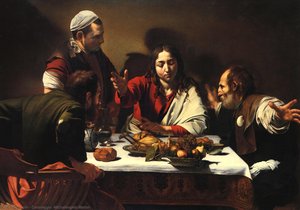
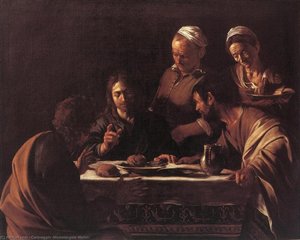
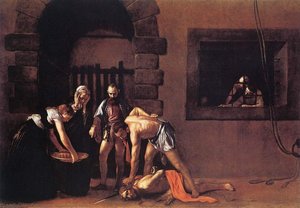
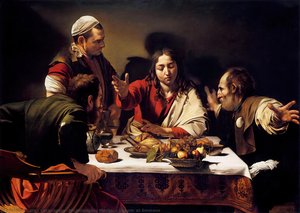
- La Cena en Emaús (1601-1602): Una representación poderosa de la escena bíblica, demostrando su maestría del claroscuro y la intensidad emocional.
- San Francisco de Asís en Ecstasis (1594): Ilustra su capacidad para transmitir experiencia espiritual a través de imágenes realistas.
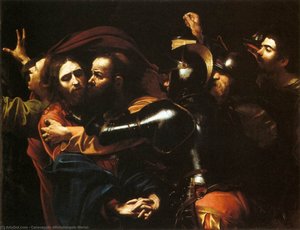
- La Captura de Cristo (c. 1602): Una composición dramática que destaca la traición y el arresto de Jesús.
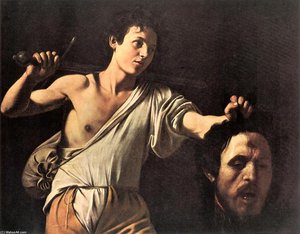
- David con la Cabeza de Goliat (c. 1610): Un retrato psicológicamente complejo del héroe bíblico.
Influencias y Desarrollo Artístico
- Caravaggio fue influenciado por las obras de maestros renacentistas como Tiziano, Leonardo da Vinci y Miguel Ángel, que estudió durante su aprendizaje.
- Se alejó del estilo predominante manierista, adoptando un enfoque más directo y naturalista a la pintura.
- Su uso de luz y sombra se inspiró tanto en las tradiciones artísticas como en la iluminación teatral común en Roma en ese momento.
Logros Importantes e Importancia Histórica
- Caravaggio revolucionó la pintura barroca con su realismo dramático, el uso innovador del claroscuro y las composiciones cargadas de emoción.
- Inspiró a una generación de artistas conocidos como los “caravaggistas” o “sombras”, que adoptaron su estilo en toda Europa. Seguidores notables incluyen a Pedro Pablo Rubens, Jusepe de Ribera y Gerrit van Honthorst.
- Su obra desafió las convenciones artísticas y allanó el camino para un enfoque más moderno a la pintura.
- A pesar de una vida personal tumultuosa marcada por la violencia y los problemas legales, el legado artístico de Caravaggio sigue siendo profundo e imborrable.
Vida Tardía y Muerte
- En 1606, Caravaggio huyó de Roma después de matar a un hombre en una pelea. Pasó los siguientes años viajando entre Nápoles, Malta y Sicilia.
- Solicitó el perdón papal pero continuó enfrentándose a desafíos legales y conflictos personales.
- Caravaggio murió en Porto Ercole, Italia, en 1610 bajo circunstancias misteriosas. La causa de su muerte sigue siendo debatida, con teorías que van desde la fiebre hasta el envenenamiento.
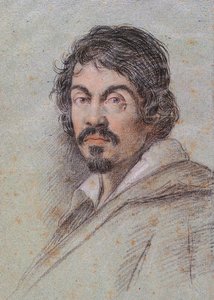
Caravaggio
1571 - 1610 , España
Datos clave
- Artistas Influenciados:
- Pedro Pablo Rubens
- Jusepe de Ribera
- Gerrit van Honthorst
- Artistas Que Influyeron:
- Simone Peterzano
- Tiziano
- Leonardo da Vinci
- Miguel Ángel
- Fecha De Muerte: 1610
- Fecha De Nacimiento: 1571
- Lugar De Nacimiento: Milán, España
- Movimiento Artístico: Barroco
- Nacionalidad: Italiana
- Nombre Completo: Michelangelo Merisi da Caravaggio
- Obras Notables:
- La Fortuna Diriente
- Cena en Emmaús
- San Francisco en Éxtasis
- La Toma de Cristo
- David con la cabeza de Goliat
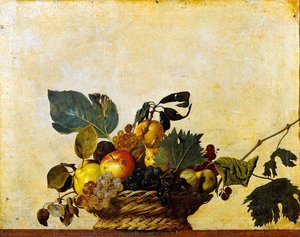
- Cesta de Frutas
- Flagelación de San Pedro
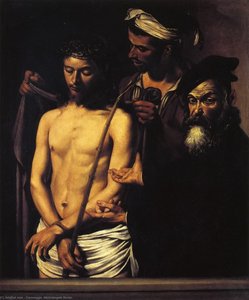
- Écue Homo
Artículos relacionados
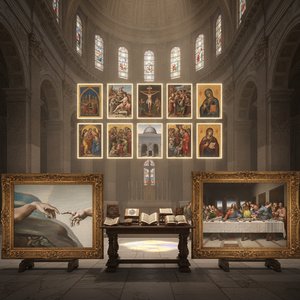
Divine Visions: Top 10 Masterpieces Exploring Religious Themes
Journey through history with 10 iconic religious masterpieces. From Renaissance classics to Baroque drama, explore the stories behind these sacred works. Find museum-quality art reproductions and curated decor inspiration. Discover all masterpieces on ArtsDot.com.
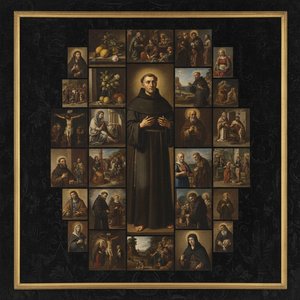
25 Masterpieces by Francisco de Zurbarán: The King of Spanish Baroque Tenebrism
Immerse yourself in the dramatic world of Francisco de Zurbarán. Explore 25 iconic Spanish Baroque masterpieces defined by intense tenebrism and spiritual realism. Find inspiration for museum-quality art reproductions and decor. Discover all masterpieces on ArtsDot.com.

Barroco Sublime: 10 Obras Maestras que Definieron una Época |
Descubre las 10 obras maestras del Barroco que marcaron una época. Caravaggio, Bernini y Velázquez cobran vida en . Reproducciones de arte de calidad museo para decorar tu hogar con elegancia. ¡Explora la colección online!