 Ver en contexto
 Enviar
 Compartir
 Detalles

 Descargar
 Similares
 Radiografía
 Presentación de diapositivas
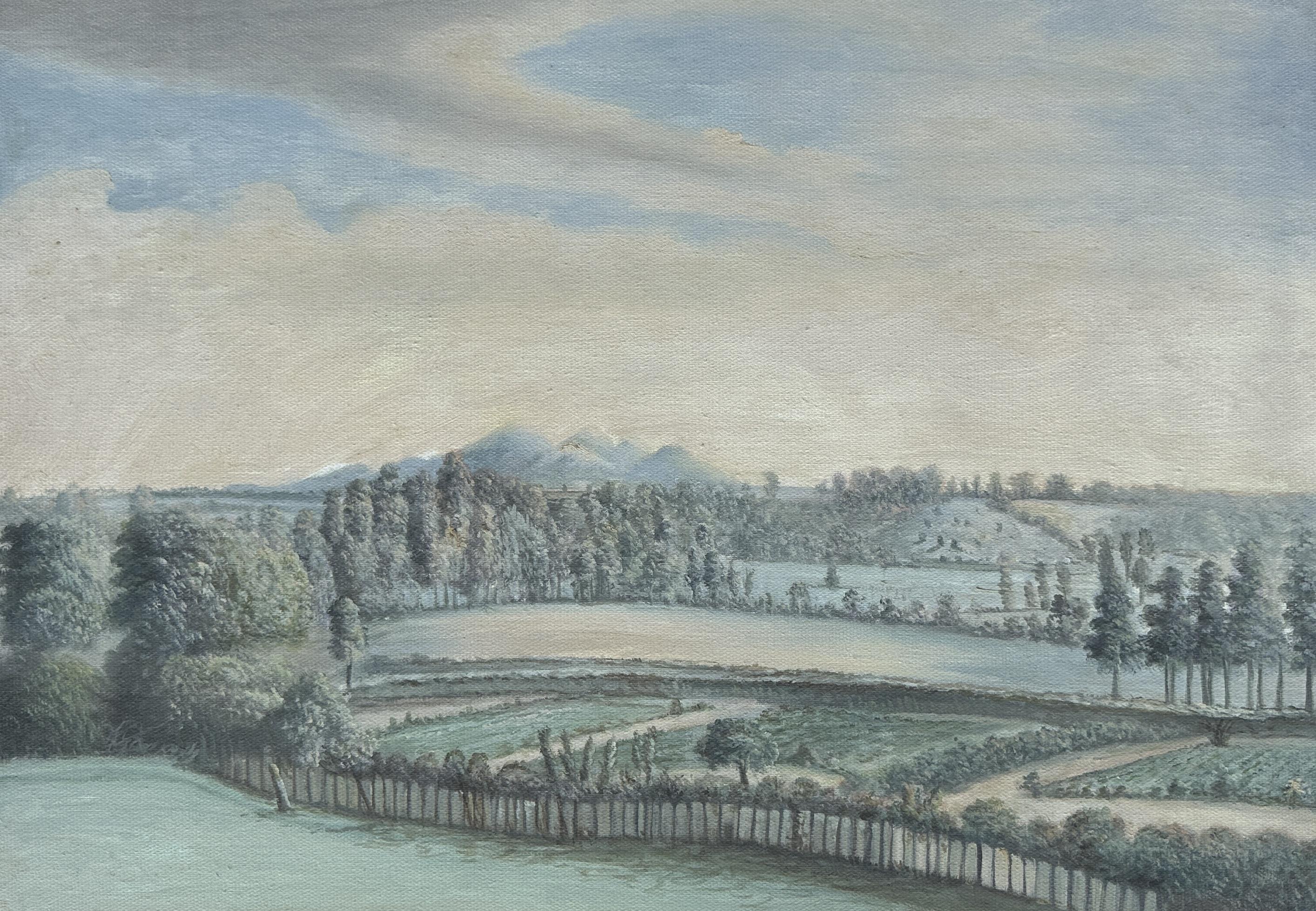
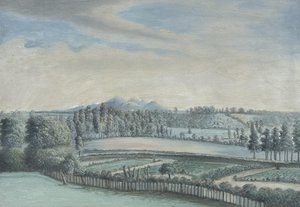
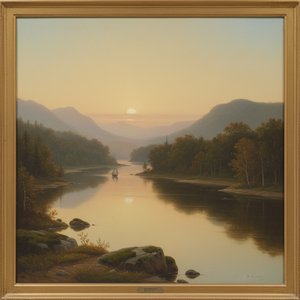
View of Malvern Hills from Bevere - Moses Griffith
 Acrílico
- Arte de pared
- Hudson River School
 2026
2026- Studio Hand Painted Art Available Now
 36 x 51 cm
- Artwork Reference (Famous): View Of Malvern Hills From Bevere
 Ver más
Óleo disponible en stock con descuento
Óleo pintado a mano disponible para envío inmediato; añada el enmarcado al finalizar su compra. ()





































Envío exprés gratuito a todo el mundo

Lienzo de lino de alta calidad

Seguro de envío total

Garantía de reembolso de impuestos aduaneros

Garantía de fidelidad cromática exacta

Política de devolución de 60 días (solo por defectos)

Garantía de devolución del 100% del dinero

Descuento por cantidad
 La opción de vidrio solo está disponible en tamaños inferiores a 110 cm.

View of Malvern Hills from Bevere - Moses Griffith
Óleo disponible en stock con descuento
Dimensiones de la reproducción
-


Envío urgente
Envío exprés internacional. Una semana. (4 agosto).
Incluido
Precio total final
$ 90
Descripción de la obra
A Window to Tranquility: Capturing the Essence of the English Countryside
Moses Griffith, though perhaps less celebrated than some of his contemporaries, occupies a significant place in the lineage of British landscape painting. This exquisite acrylic reproduction, meticulously hand-painted by the artisans at ArtsDot.com Studio, embodies the spirit of the Hudson River School as it took root across the Atlantic – a reverence for nature’s grandeur tempered with an intimate understanding of light and atmosphere. Griffith's style leans towards luminism, prioritizing the subtle play of illumination to evoke a sense of peace and serenity.
The painting depicts a quintessential rural scene: gently rolling fields giving way to distant hills – the Malvern Hills themselves – under a softly clouded sky. It’s not a dramatic vista demanding attention; rather, it's an invitation to quiet contemplation. A winding path beckons the viewer into the landscape, while a rustic fence in the foreground provides a grounding element and frames the idyllic view. The color palette is deliberately muted—greens, browns, and blues harmonizing to create a tranquil mood that feels both timeless and deeply personal.
Griffith’s mastery lies in his ability to capture not just *what* he saw, but *how* it felt to be present in this landscape. The soft haziness suggests distance and depth, while the delicate brushwork conveys the subtle textures of nature – the sway of grasses, the rough bark of trees. This isn't merely a representation; it’s an emotional experience translated onto canvas.
Collectors will appreciate this piece for its historical significance—a glimpse into 18th-century British artistry—and its enduring aesthetic appeal. The hand-painted reproduction ensures exceptional quality and attention to detail, faithfully recreating Griffith's original vision. It’s a work that invites quiet reflection and adds a touch of understated elegance to any collection.
Bring the Serenity Home
At ArtsDot.com, we believe art should be accessible to everyone. This stunning reproduction allows you to own a piece of history and experience the beauty of Moses Griffith’s work firsthand. We offer a range of framing options to perfectly complement your décor. Don't miss the opportunity to add this tranquil masterpiece to your home! Contact our team today for a personalized mockup and discover how we can bring your artistic vision to life.
Obras relacionadas
Biografía del artista
Moses Griffith: A Welsh Observer of Beauty and Detail
Born in 1747 on the windswept Llŷn Peninsula, Moses Griffith’s life was a testament to the power of observation and the quiet dedication required to cultivate artistic skill. His origins were humble – his parents, farmers of modest means – yet they unknowingly provided him with a foundation for a career that would ultimately bring him recognition as one of Wales' most significant watercolourists of the late 18th and early 19th centuries. Griffith’s story is inextricably linked to Thomas Pennant, a celebrated naturalist and writer whose tours of Britain and Wales offered Griffith an unparalleled opportunity to hone his draughtsmanship and develop a distinctive artistic voice.
Griffith's early education was rudimentary, lacking the formal training afforded to many artists of his time. However, his innate talent for drawing quickly became apparent, attracting the attention of Pennant in 1769. Pennant, recognizing Griffith’s potential, took him on as a companion and illustrator, embarking on extensive journeys across Wales and Scotland. This partnership proved transformative. Griffith wasn't merely copying landscapes; he was meticulously documenting details – the textures of stone, the patterns of foliage, the subtle shifts in light – with an almost obsessive precision. Pennant’s publications, particularly his *Tour of Wales*, benefited immensely from Griffith’s illustrations, which provided a visual record of the country’s diverse beauty and established a benchmark for topographical accuracy.
The Pennant Years: Observation and Technique
During his time with Pennant, Griffith's artistic style began to coalesce. He developed a remarkable ability to render delicate details – the intricate patterns of lichen on ancient walls, the shimmering surface of water, the individual blades of grass – with astonishing clarity. His technique relied heavily on watercolour, a medium that allowed for both spontaneity and control. Griffith’s work is characterized by a restrained palette, favoring muted greens, browns, and blues to capture the atmospheric qualities of the Welsh landscape. He employed a loose, expressive brushstroke, layering washes of colour to create depth and luminosity. Unlike many artists who sought grand vistas, Griffith focused on intimate scenes – churches, farmhouses, and rural life – revealing a deep appreciation for the everyday beauty of his surroundings.
It’s important to note that Griffith's role extended beyond mere illustration; he was an active participant in Pennant’s expeditions, contributing significantly to the intellectual and artistic atmosphere of the journeys. His meticulous drawings served not only as visual aids but also as valuable scientific records, capturing details that would have been missed by a less observant eye. This collaborative relationship fostered a unique synergy between artist and writer, resulting in a body of work that is both aesthetically pleasing and historically significant.
Beyond Pennant: Portraits and Welsh Identity
Following Pennant’s death in 1798, Griffith continued to work as an engraver and watercolourist. He secured employment with David Pennant, the son of his former patron, and produced a substantial series of watercolours depicting Welsh churches, country houses, and rural scenes. These works are particularly noteworthy for their nuanced portrayal of Welsh identity – capturing not just the physical appearance of these buildings but also the spirit and character of the communities that inhabited them.
Griffith’s output expanded beyond landscape to include portraits, demonstrating a versatility in his artistic practice. His self-portraits, painted later in life, offer a poignant glimpse into the artist's evolving perspective on his own work and his place in the world. These paintings are characterized by a quiet dignity and a subtle awareness of mortality.
Legacy and Influence
Moses Griffith’s legacy lies not in grand artistic pronouncements or revolutionary techniques, but rather in his unwavering dedication to observation and his ability to capture the essence of Welsh beauty with remarkable detail. His work is now held by major institutions such as the National Museum of Wales, the British Museum, and the Victoria and Albert Museum, testament to its enduring quality and historical importance.
Griffith’s influence extends beyond his individual works; he helped to establish watercolour as a viable medium for topographical illustration and contributed significantly to the development of Welsh landscape art. His meticulous approach paved the way for later generations of artists who sought to document and celebrate the natural beauty of Wales. He remains a quietly significant figure in British art history, a testament to the power of observation, dedication, and a keen eye for detail.
moses griffith
1749 - 1819 , United Kingdom
Datos clave
- Artistic Movement Or Style: Watercolourist
- Artists Or Movements Influenced By This Artist: ["Pennant's tours"]
- Artists Who Influenced This Artist: ['Thomas Pennant']
- Date Of Birth: April 6, 1747
- Date Of Death: November 11, 1819
- Full Name: Moses Griffith
- Nationality: Welsh
- Notable Artworks:
- Basingstoke Abbey
- Various Welsh scenes
- Place Of Birth: Trygarn House, Wales
Artículos relacionados
Los 10 Maestros del Río Hudson: Obras que Definieron un Movimiento Artístico
Descubre los 10 lienzos más emblemáticos de la Escuela del Río Hudson. Explora las obras maestras de Thomas Cole, Church y Bierstadt que capturan la belleza del paisaje americano. Encuentra reproducciones de arte exclusivas en ArtsDot.com.

El Sublime Paisaje Americano: Explorando el Movimiento de la Escuela del Río Hudson
Descubre la Escuela del Río Hudson: un movimiento artístico clave en la historia de la pintura estadounidense. Explora su estética romántica, sus artistas más destacados y el concepto del sublime paisaje americano.
Robert Spencer: Luminism, Narrative & the American Landscape Tradition
Explore the captivating world of Luminism & the Hudson River School with our expert analysis. Discover the history, artists, and enduring beauty of 19th-century American landscape painting. Find museum-quality reproductions at ArtsDot.
Verdant Visions: Exploring the Symbolism & Aesthetic Impact of Green in Art History
Explore the rich history & symbolism of green in art! Discover iconic paintings, techniques, and how to bring verdant harmony into your home with ArtsDot's expert guide.
David Johnson: A Luminist Master of the Hudson River School & Beyond
Explore the captivating landscapes of David Johnson, a key figure in the Hudson River School & Luminism movement. Discover his artistic evolution, legacy, and how to collect his works with ArtsDot.