


 Ver en contexto
 Enviar
 Compartir
 Detalles

 Descargar
 Similares
 Radiografía
 Presentación de diapositivas
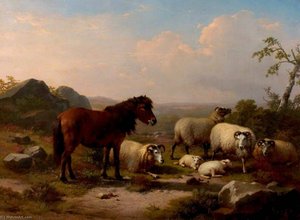
Ponies, A Calf and Poultry In a Farmyard
 Ver más
Reproducción al óleo hecha a mano
Óleo sobre lienzo pintado a mano en el tamaño y marco de su elección, realizado por encargo por nuestros artistas. ( Comprar impresión Comprar imagen)




































Elija entre nuestros tamaños predefinidos que respetan las proporciones originales de la obra.

Puede ingresar sus propias dimensiones para adaptarse a un marco o espacio específico. Si el tamaño seleccionado no coincide con las proporciones de la imagen original, recortaremos la obra o extenderemos la pintura con elementos adicionales pintados a mano. Se le enviará una maqueta digital para su aprobación antes de comenzar la producción.
Tenga en cuenta que la vista previa en pantalla no refleja el recorte o la extensión reales. Solo la maqueta mostrará con precisión la composición final.
Si bien existen tamaños personalizados, recomendamos seleccionar una dimensión de la lista predefinida para preservar las proporciones originales.
Tras realizar el pedido, el equipo de ArtsDot.com enviará un correo electrónico al cliente para solicitar instrucciones y proporcionarle una vista previa del boceto.
Envío a todo el mundo () en 3-4 semanas en lugar de las 5 semanas estándar. (23 agosto). Sin comprometer la calidad.

Envío exprés gratuito a todo el mundo

Lienzo de lino de alta calidad

Seguro de envío total

Garantía de reembolso de impuestos aduaneros

Garantía de fidelidad cromática exacta

Política de devolución de 60 días (solo por defectos)

Garantía de devolución del 100% del dinero

Descuento por cantidad
 La opción de vidrio solo está disponible en tamaños inferiores a 110 cm.

Ponies, A Calf and Poultry In a Farmyard
Técnica de reproducción
Dimensiones de la reproducción
-


Precio total final
$ 263
Obras relacionadas
Biografía del artista
Walter Hunt (1861–1941): Shepherd of Dreams and Master of Collie Portraiture
Walter Hunt was born into a family steeped in artistic tradition. His father, Charles Hunt, was a genre artist—a painter who captured everyday life—renowned for his depictions of rural scenes and figures. Similarly, Walter Hunt possessed an innate talent for portraying animals, particularly collies, achieving fame as one of the foremost painters of this breed during his lifetime. From humble beginnings in Kingston, Wisconsin, he ascended to prominence as a respected figure within the artistic community, leaving behind a legacy marked by meticulous observation and profound empathy for his subjects. Hunt’s early life was shaped by exposure to art from a young age. His father instilled in him a deep appreciation for visual storytelling and encouraged him to explore his own creative inclinations. Following graduation from Valparaiso University, he enlisted in the United States Army, serving with distinction during World War I—a formative experience that broadened his horizons and honed his artistic sensibilities. This military service undoubtedly influenced his perspective on capturing emotion and conveying narrative through imagery. Hunt’s artistic career blossomed after the war, establishing him as a celebrated Collie painter. He began exhibiting his works at the Royal Academy in London starting in 1881—a bold step for an artist venturing into international acclaim. His paintings quickly gained recognition for their remarkable realism and sensitivity to detail, capturing not merely the physical appearance of collies but also their inner character—their gaze, posture, and expressions conveying a palpable sense of connection with their surroundings. He was particularly adept at portraying working collies, demonstrating his understanding of animal behavior and capturing the essence of rural life. His distinctive style—characterized by soft brushstrokes, subtle tonal gradations, and an unwavering focus on capturing light—became instantly recognizable. Influenced by luminists like Frederic Church and Albert Pinkham Ryder, Hunt embraced a contemplative approach to painting, prioritizing atmosphere and emotion over mere representation. Like these masters, he sought to evoke feeling in the viewer rather than simply documenting reality. His compositions often featured idyllic landscapes—rolling hills dotted with sheep—providing a harmonious backdrop for his Collie subjects. Among Hunt’s most celebrated achievements were numerous portraits of collies that graced the homes of prominent figures across America and Europe. These paintings stand out not only for their technical brilliance but also for their profound psychological insight—revealing the animals' personalities and conveying a sense of quiet dignity. His masterpiece, “The Lost Sheep,” exemplifies this artistic vision perfectly: a breathtaking depiction of a collie gazing intently at a lone lamb struggling to escape the treacherous currents of a river—a scene imbued with tenderness and compassion that resonates deeply with viewers. This painting is considered by many to be Hunt’s crowning achievement, cementing his reputation as one of the greatest Collie painters of his era. Walter Hunt passed away peacefully in River Falls, Wisconsin on May 4, 1942, leaving behind a rich artistic legacy—a testament to his unwavering dedication to capturing beauty and conveying emotion through the medium of painting. His work continues to inspire admiration for its masterful technique and profound humanist spirit, securing his place as an enduring icon within the annals of Collie portraiture history.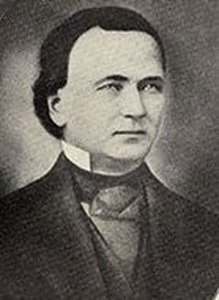
Datos clave
- Artistic Movement Or Style: Victorian Art
- Artists Or Movements Influenced By This Artist: ['Balinese Art']
- Artists Who Influenced This Artist:
- Richard Ansdell
- Edwin Douglas
- Date Of Birth: September 5, 1868
- Date Of Death: May 4, 1942
- Full Name: Walter Hunt
- Nationality: American
- Notable Artworks:
- The Lost Sheep
- Rescue
- Found by a Friend
- Highland
- Place Of Birth: Kingston, Wisconsin

