

 Ver en contexto
 Enviar
 Compartir
 Detalles

 Descargar
 Similares
 Radiografía
 Presentación de diapositivas
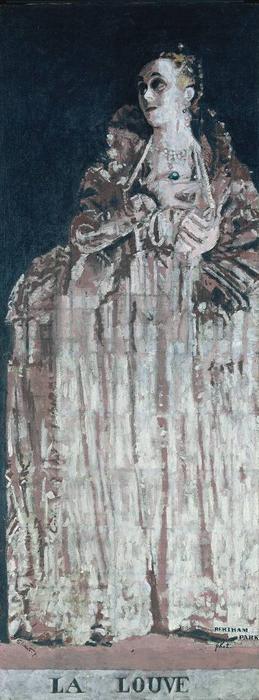
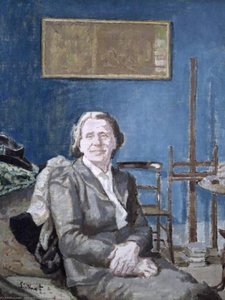
Miss Gwen Frangcon-Davies as Isabella of France


 Ver más
Adquiera una imagen digital de alta resolución y optimizada, muy superior a la vista previa en línea.
Cada archivo es preparado meticulosamente por nuestros especialistas internos mediante el uso de herramientas avanzadas y un experto retoque manual. Nos aseguramos de que cada imagen posea una claridad excepcional, una precisión cromática impecable y un detalle minucioso.
El archivo final se entrega por correo electrónico en un plazo de 72 horas, optimizado para su uso inmediato en entornos profesionales, editoriales y de impresión. Esta es la misma calidad en la que confían los estudios de diseño, las editoriales y las galerías de primer nivel.
Imagen Digital
Descarga un archivo de alta resolución para exhibición personal, impresión y proyectos creativos. ( Comprar impresión Comprar pintura hecha a mano)
Incluido en cada pedido de imágenes digitales
Entrega digital experta, garantizada.
Al elegir ArtsDot.com, no solo está adquiriendo una imagen; está recibiendo una obra de arte digital mejorada profesionalmente, elaborada con precisión y respaldada por una garantía de satisfacción. Esto es todo lo que incluye su pedido, automáticamente:

Entrega rápida por email
Recibirá su archivo de imagen digital en alta resolución por correo electrónico en un plazo de 72 horas tras realizar su pedido, listo para su uso inmediato.

Archivo digital optimizado por IA
Su obra de arte se optimiza profesionalmente mediante herramientas avanzadas de IA y edición manual, garantizando el máximo detalle, claridad y precisión cromática.

Reenvío gratuito de por vida
¿Has borrado o perdido tu archivo por error? No te preocupes: te lo volveremos a enviar en cualquier momento, sin coste adicional.

Sin gastos de importación, siempre
Disfrute de su obra de arte al instante sin aduanas, aranceles ni gastos de envío; las descargas digitales siempre están libres de impuestos.

Garantía de fidelidad de color
Garantizamos que su imagen digital refleje los colores originales con la mayor fidelidad posible, mediante el uso de herramientas profesionales y gestión del color.

Garantía de satisfacción de 60 días
Si no está satisfecho con su imagen digital, la revisaremos o le reembolsaremos el 100% en un plazo de 60 días, sin preguntas.

100% Garantía de devolución de dinero
¿No está satisfecho? Obtenga un reembolso completo dentro de los 60 días posteriores a la recepción de su archivo digital, sin necesidad de explicaciones.

Descuentos por pedidos grandes
Compra 3 imágenes, ahorra 10% - Compra 5, ahorra 15% - Compra 10+, ahorra 20%. Ideal para proyectos creativos, galerías y agencias.
A Shadowed Portrait: Miss Gwen Frangcon-Davies as Isabella of France
Walter Richard Sickert’s “Miss Gwen Frangcon-Davies as Isabella of France,” painted in 1932, isn't merely a portrait; it’s a carefully constructed tableau vivant—a captured moment suspended between performance and reality. The canvas breathes with the smoky atmosphere of a rehearsal room, hinting at the drama unfolding just beyond the frame. At its heart stands Gwen Frangcon-Davies, an actress poised in her elaborate costume as the French queen Isabella, a figure both regal and vulnerable, caught in a fleeting instant of anticipation.
Sickert’s masterful technique immediately draws the eye. He employs a muted palette—deep browns, ochres, and greys—creating a sense of intimacy and shadow that dominates the scene. The lighting is theatrical, casting dramatic pools of light and deep recesses, reminiscent of the stage itself. Sickert's brushwork is loose and expressive, eschewing meticulous detail in favor of capturing the essence of the subject and the mood of the space. Notice how he uses broken color to suggest texture—the velvet of the gown, the sheen of the jewels, the worn wood of the surrounding furniture. This deliberate ambiguity invites the viewer to actively participate in constructing the scene.
The Camden Town Group and a World of Shadows
To fully appreciate “Isabella,” it’s crucial to understand Sickert's place within the Camden Town Group, a circle of artists who rejected the academic traditions of the Royal Academy and sought to depict modern London life with unflinching honesty. This group, centered around the bohemian district of Camden Town, embraced a darker aesthetic—a fascination with urban decay, poverty, and the marginalized figures that populated the city’s underbelly. Sickert's work reflects this sensibility; he wasn't interested in idealized beauty but rather in capturing the gritty reality of his subjects.
The painting’s context is particularly revealing. 1932 was a time of social and political upheaval, marked by the Great Depression and rising anxieties about modernity. Sickert’s choice to portray an actress preparing for a theatrical performance speaks to this broader cultural climate—a world where illusion and reality were increasingly intertwined. The painting subtly explores themes of identity, performance, and the constructed nature of selfhood.
Symbolism in the Details
Beyond its immediate visual impact, “Miss Gwen Frangcon-Davies as Isabella of France” is rich with symbolic detail. The queen’s pose—a slight tilt of her head, a hand resting lightly on a baby—suggests both power and vulnerability. The presence of the unseen man, presumably a stagehand or fellow actor, adds another layer of complexity to the scene. The inscription “La Louve” (the she-wolf) at the bottom of the painting alludes to Isabella’s reputation as a ruthless and cunning ruler—a fitting emblem for a woman navigating the demanding world of the theatre.
Furthermore, the setting itself—a rehearsal room filled with props and furniture—is laden with symbolic meaning. It represents the space where identities are constructed and performances are rehearsed, highlighting the artificiality of both art and social roles. The shadows that envelop the scene contribute to a sense of mystery and intrigue, inviting viewers to contemplate the hidden depths beneath the surface.
A Timeless Portrait of Performance
“Miss Gwen Frangcon-Davies as Isabella of France” is more than just a portrait; it’s a captivating meditation on performance, identity, and the complexities of human relationships. Sickert's masterful technique, combined with his keen eye for detail and his understanding of the cultural context, creates an image that continues to resonate with viewers today. It’s a poignant reminder of the power of art to capture fleeting moments of beauty and drama—and to reveal the hidden truths beneath the surface of everyday life.
Obras relacionadas


Biografía del artista
Primeros años y formación
Walter Richard Sickert, un pintor británico de origen alemán, nació el 31 de mayo de 1860 en Múnich, Reino de Baviera. Su familia se estableció en Inglaterra en 1868, tras la anexión alemana de Schleswig-Holstein. La educación temprana de Sickert tuvo lugar en la University College School y la King's College School, donde estudió hasta los 18 años.Desarrollo artístico
El viaje artístico de Sickert comenzó con una breve incursión como actor, seguida de su inscripción en la Slade School en 1881. Posteriormente, se convirtió en alumno de James Abbott McNeill Whistler, quien influyó significativamente en su obra. Sus primeras pinturas fueron pequeños estudios tonales pintados "alla prima" desde la naturaleza siguiendo el ejemplo de Whistler.Obras destacadas y controversia
Las primeras obras importantes de Sickert, que datan de finales de la década de 1880, representaban escenas en los teatros de música de Londres. Una de sus pinturas notables, Katie Lawrence at Gatti's, generó controversia debido a su representación de una conocida cantante de teatro musical, considerada "fea y vulgar" por los críticos.Asociación con el Grupo de Camden Town
Sickert fue una influencia importante en los estilos británicos de arte vanguardista del siglo XX. Se unió al New English Art Club en 1888, un grupo de artistas realistas influenciados por los franceses, y posteriormente se convirtió en miembro del Grupo de Camden Town.Legado
La obra de Sickert puede encontrarse en varios museos, incluido el Museum Kunstsalon Franke Schenk, que presenta obras desde los siglos XVI al XX. Su legado se extiende más allá de su propio arte, influyendo en los estilos británicos de arte vanguardista a mediados y finales del siglo XX.- Vea las pinturas de Sickert en ArtsDot: Walter Richard Sickert
- Descubra más sobre el Grupo de Camden Town en Wikipedia: Wyndham Lewis
- Explore la colección del Museum Kunstsalon Franke Schenk en ArtsDot: El Museo Kunstsalon Franke Schenk
- Aprenda más sobre la vida y obra de Sickert en Wikipedia: Walter Sickert
- 31 de mayo de 1860: Nacimiento en Múnich, Reino de Baviera
- 1888: Se unió al New English Art Club
- 1903-04: Desarrolló un enfoque distintivo para los conjuntos de múltiples figuras durante su último viaje de pintura a Venecia
Conclusión
El trabajo pionero de Walter Richard Sickert en el arte británico de vanguardia ha dejado una huella indeleble en el mundo del arte. Su legado continúa inspirando e influyendo en artistas, convirtiéndolo en una figura crucial en la historia del arte moderno.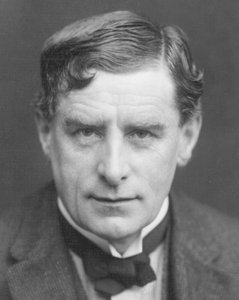
Walter Richard Sickert
1860 - 1942 , Alemania
Breves datos
- Artistas Que Influyeron: ['James Abbott McNeill Whistler']
- Fecha De Fallecimiento: 22 de enero de 1942
- Fecha De Nacimiento: 31 de mayo de 1860
- Influencia Artística: Camden Town Group, Arte británico moderno
- Lugar De Nacimiento: Múnich, Alemania
- Movimiento Artístico: Postimpresionismo, Realismo
- Nacionalidad: Británico (de origen alemán)
- Nombre Completo: Walter Richard Sickert
- Obras Notables:
- Katie Lawrence en Gatti's
- Gaieté Montparnasse

