

 Ver en contexto
 Enviar
 Compartir
 Detalles

 Descargar
 Similares
 Radiografía
 Presentación de diapositivas
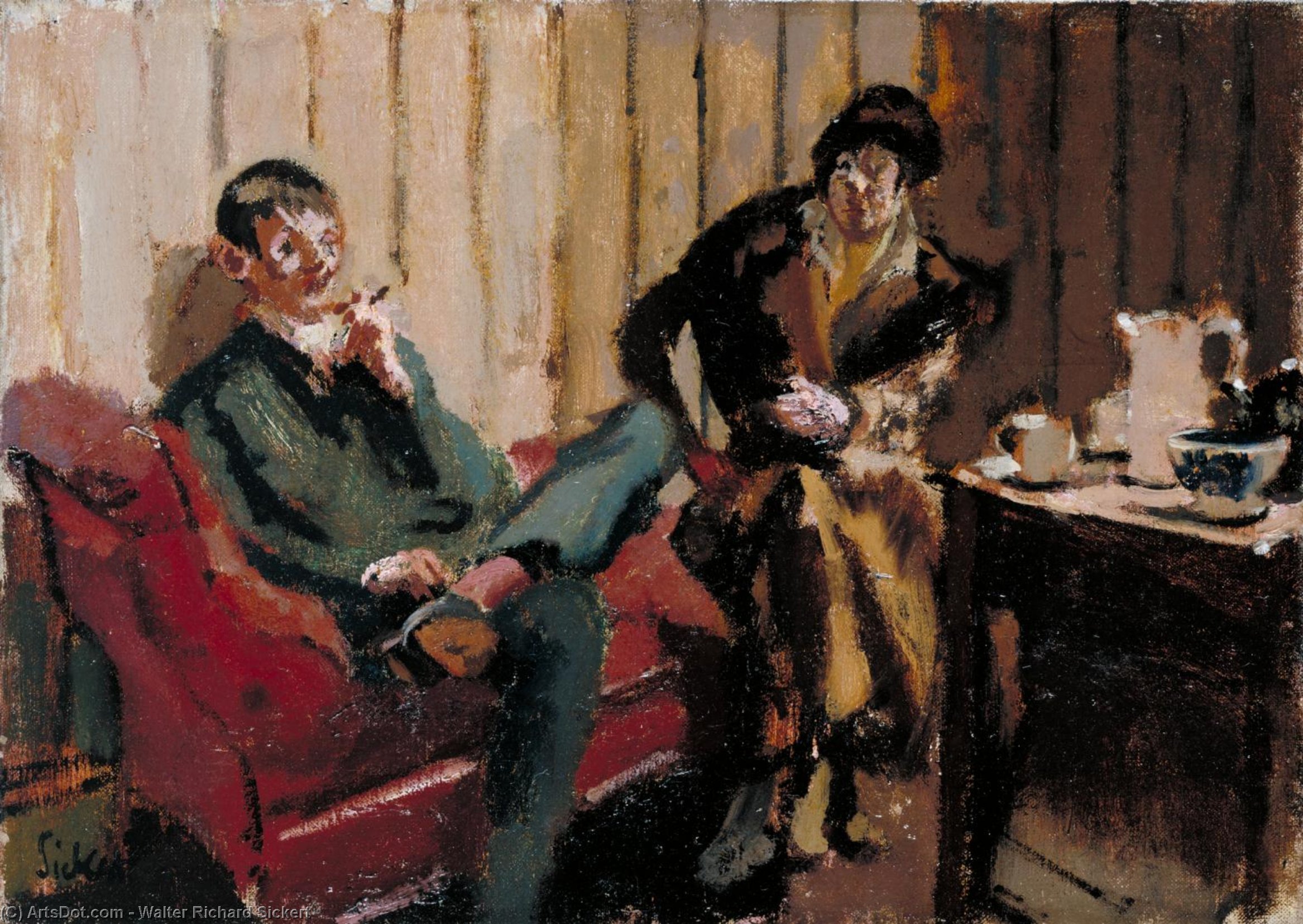
The Little Tea Party: Nina Hamnett and Roald Kristian


 Ver más
Adquiera una imagen digital de alta resolución y optimizada, muy superior a la vista previa en línea.
Cada archivo es preparado meticulosamente por nuestros especialistas internos mediante el uso de herramientas avanzadas y un experto retoque manual. Nos aseguramos de que cada imagen posea una claridad excepcional, una precisión cromática impecable y un detalle minucioso.
El archivo final se entrega por correo electrónico en un plazo de 72 horas, optimizado para su uso inmediato en entornos profesionales, editoriales y de impresión. Esta es la misma calidad en la que confían los estudios de diseño, las editoriales y las galerías de primer nivel.
Imagen Digital
Descarga un archivo de alta resolución para exhibición personal, impresión y proyectos creativos. ( Comprar impresión Comprar pintura hecha a mano)
Incluido en cada pedido de imágenes digitales
Entrega digital experta, garantizada.
Al elegir ArtsDot.com, no solo está adquiriendo una imagen; está recibiendo una obra de arte digital mejorada profesionalmente, elaborada con precisión y respaldada por una garantía de satisfacción. Esto es todo lo que incluye su pedido, automáticamente:

Entrega rápida por email
Recibirá su archivo de imagen digital en alta resolución por correo electrónico en un plazo de 72 horas tras realizar su pedido, listo para su uso inmediato.

Archivo digital optimizado por IA
Su obra de arte se optimiza profesionalmente mediante herramientas avanzadas de IA y edición manual, garantizando el máximo detalle, claridad y precisión cromática.

Reenvío gratuito de por vida
¿Has borrado o perdido tu archivo por error? No te preocupes: te lo volveremos a enviar en cualquier momento, sin coste adicional.

Sin gastos de importación, siempre
Disfrute de su obra de arte al instante sin aduanas, aranceles ni gastos de envío; las descargas digitales siempre están libres de impuestos.

Garantía de fidelidad de color
Garantizamos que su imagen digital refleje los colores originales con la mayor fidelidad posible, mediante el uso de herramientas profesionales y gestión del color.

Garantía de satisfacción de 60 días
Si no está satisfecho con su imagen digital, la revisaremos o le reembolsaremos el 100% en un plazo de 60 días, sin preguntas.

100% Garantía de devolución de dinero
¿No está satisfecho? Obtenga un reembolso completo dentro de los 60 días posteriores a la recepción de su archivo digital, sin necesidad de explicaciones.

Descuentos por pedidos grandes
Compra 3 imágenes, ahorra 10% - Compra 5, ahorra 15% - Compra 10+, ahorra 20%. Ideal para proyectos creativos, galerías y agencias.
A Quietude in Bohemia: The Soul of Sickert’s London
In the heart of 1915 London, amidst the encroaching shadows of a world at war, Walter Richard Sickert captured a moment that feels both profoundly intimate and hauntingly distant. The Little Tea Party: Nina Hamnett and Roald Kristian is far more than a mere portrait of two bohemian figures; it is a masterful distillation of atmosphere, a snapshot of the Camden Town Group’s unique ability to find the extraordinary within the mundane. As we gaze upon this oil on canvas, we are not simply observing a social gathering, but rather witnessing a quiet study in human connection and the heavy stillness that often accompanies it. The painting invites the viewer into a private sanctuary, where the outside world's chaos is muffled by the thick, textured walls of a London interior.
The composition is a triumph of restrained elegance. Sickert employs a deliberate, almost minimalist arrangement, centering our attention on Nina Hamnett—the legendary "Queen" of bohemian London—and Roald Kristian. By positioning them within a subtle visual triangle, the artist draws the eye inward, forcing a confrontation with their shared space. There is a rhythmic balance to the scene, from the placement of the dining table to the secondary, smaller table near the edge of the frame. This careful geometry creates a sense of stability that contrasts sharply with the psychological tension simmering beneath the surface. For the collector or designer, this piece offers a sophisticated focal point, bringing a sense of historical weight and intellectual depth to any curated space.
Technique and the Language of Light
Sickert’s technical prowess is evident in every deliberate brushstroke. Eschewing the flashy brilliance of high Impressionism, he instead embraces a subdued, earthy palette dominated by deep browns, creamy tones, and muted greens. This choice of color does not merely decorate the room; it builds its very atmosphere, lending a sense of warmth and solidity to the furniture while maintaining a certain coolness in the air. The application of paint is tactile and rich, with thick strokes providing a physical texture to the walls that makes the environment feel lived-in and authentic.
The lighting in this masterpiece is particularly evocative. Rather than employing dramatic, theatrical spotlights, Sickert favors a soft, diffused illumination. This gentle light casts subtle shadows that blur the edges of reality, imbuing the scene with a surreal, dreamlike quality. It is this very softness that allows the small details—the curl of smoke from a cigarette, the glint on a tea cup, or the placement of a vase—to emerge with such poignant clarity. This mastery of light and shadow makes the work an exceptional choice for interior settings that value nuance and understated luxury.
Symbolism and the Weight of the Moment
Beyond its aesthetic beauty, the painting serves as a profound psychological document. The presence of smoking cigarettes held by both Hamnett and Kristian acts as a subtle symbol of the era's anxieties; the rising plumes of smoke mirror the pervasive uncertainties of wartime Britain. There is an undeniable sense of ennui—a heavy, lingering boredom or melancholy—that permeates the figures' postures. Tate Gallery curators have famously described the scene as "the picture of gloom," yet there is a strange beauty in this shared discomfort. The characters seem caught in a state of suspended animation, isolated even in each other's company.
Every object within the room contributes to this narrative of quietude and isolation. The simple furnishings—the tables, the bowls, the bottles tucked into the corner—serve as anchors for the figures, grounding them in a domestic reality that feels both safe and suffocating. To possess a reproduction of this work is to hold a piece of history that speaks to the resilience of the human spirit amidst uncertainty. It is an evocative addition to any collection, offering not just a window into the past, but a timeless meditation on the beauty found in life's most fleeting, quietest moments.
Obras relacionadas
Biografía del artista
Primeros años y formación
Walter Richard Sickert, un pintor británico de origen alemán, nació el 31 de mayo de 1860 en Múnich, Reino de Baviera. Su familia se estableció en Inglaterra en 1868, tras la anexión alemana de Schleswig-Holstein. La educación temprana de Sickert tuvo lugar en la University College School y la King's College School, donde estudió hasta los 18 años.Desarrollo artístico
El viaje artístico de Sickert comenzó con una breve incursión como actor, seguida de su inscripción en la Slade School en 1881. Posteriormente, se convirtió en alumno de James Abbott McNeill Whistler, quien influyó significativamente en su obra. Sus primeras pinturas fueron pequeños estudios tonales pintados "alla prima" desde la naturaleza siguiendo el ejemplo de Whistler.Obras destacadas y controversia
Las primeras obras importantes de Sickert, que datan de finales de la década de 1880, representaban escenas en los teatros de música de Londres. Una de sus pinturas notables, Katie Lawrence at Gatti's, generó controversia debido a su representación de una conocida cantante de teatro musical, considerada "fea y vulgar" por los críticos.Asociación con el Grupo de Camden Town
Sickert fue una influencia importante en los estilos británicos de arte vanguardista del siglo XX. Se unió al New English Art Club en 1888, un grupo de artistas realistas influenciados por los franceses, y posteriormente se convirtió en miembro del Grupo de Camden Town.Legado
La obra de Sickert puede encontrarse en varios museos, incluido el Museum Kunstsalon Franke Schenk, que presenta obras desde los siglos XVI al XX. Su legado se extiende más allá de su propio arte, influyendo en los estilos británicos de arte vanguardista a mediados y finales del siglo XX.- Vea las pinturas de Sickert en ArtsDot: Walter Richard Sickert
- Descubra más sobre el Grupo de Camden Town en Wikipedia: Wyndham Lewis
- Explore la colección del Museum Kunstsalon Franke Schenk en ArtsDot: El Museo Kunstsalon Franke Schenk
- Aprenda más sobre la vida y obra de Sickert en Wikipedia: Walter Sickert
- 31 de mayo de 1860: Nacimiento en Múnich, Reino de Baviera
- 1888: Se unió al New English Art Club
- 1903-04: Desarrolló un enfoque distintivo para los conjuntos de múltiples figuras durante su último viaje de pintura a Venecia
Conclusión
El trabajo pionero de Walter Richard Sickert en el arte británico de vanguardia ha dejado una huella indeleble en el mundo del arte. Su legado continúa inspirando e influyendo en artistas, convirtiéndolo en una figura crucial en la historia del arte moderno.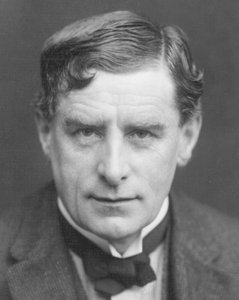
Walter Richard Sickert
1860 - 1942 , Alemania
Breves datos
- Artistas Que Influyeron: ['James Abbott McNeill Whistler']
- Fecha De Fallecimiento: 22 de enero de 1942
- Fecha De Nacimiento: 31 de mayo de 1860
- Influencia Artística: Camden Town Group, Arte británico moderno
- Lugar De Nacimiento: Múnich, Alemania
- Movimiento Artístico: Postimpresionismo, Realismo
- Nacionalidad: Británico (de origen alemán)
- Nombre Completo: Walter Richard Sickert
- Obras Notables:
- Katie Lawrence en Gatti's
- Gaieté Montparnasse

