 Ver en contexto
 Enviar
 Compartir
 Detalles

 Descargar
 Similares
 Radiografía
 Presentación de diapositivas
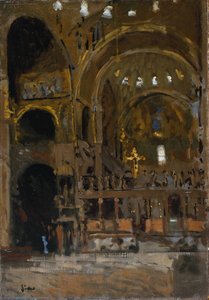
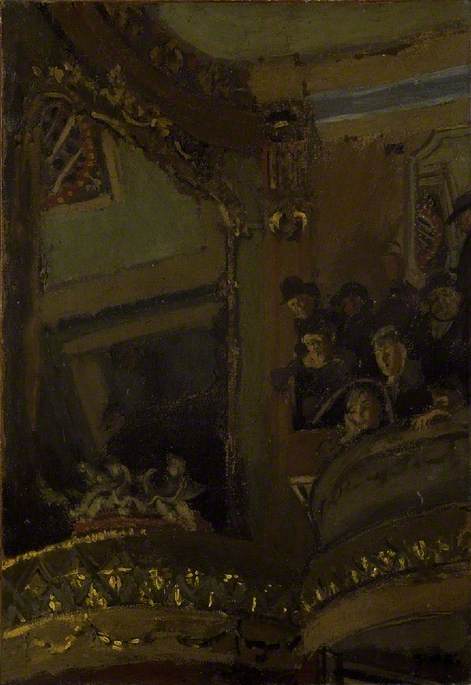
The Old Bedford Music Hall
 Oil
Oil- WallArt
- Impressionistic Realism
 1895
1895- 19th Century
 55.0 x 38.0 cm
 Fitzwilliam College
 Ver más
Reproducción al óleo hecha a mano
Óleo sobre lienzo pintado a mano en el tamaño y marco de su elección, realizado por encargo por nuestros artistas. ( Comprar impresión Comprar imagen)




P118B $10

P118H $10

P118W $10

P438Z $10

P508JH $12

P508YH $12

P805H $10

P805Z $10

P919BZ $10

P919G $10

P919XJ $10

P959ZH $10

P968JZ $12

W106C $8

W218G $10

W218JH $8

W218Y $10

W307PJ $10

W316G $10

W316PJ $8

W316Y $10

W398PJ $8

W4111J $10

W500HY $15

W500JH $15

W692G $12

W849H $8

W940BG $15

W953PJ $8




Elija entre nuestros tamaños predefinidos que respetan las proporciones originales de la obra.

Puede ingresar sus propias dimensiones para adaptarse a un marco o espacio específico. Si el tamaño seleccionado no coincide con las proporciones de la imagen original, recortaremos la obra o extenderemos la pintura con elementos adicionales pintados a mano. Se le enviará una maqueta digital para su aprobación antes de comenzar la producción.
Tenga en cuenta que la vista previa en pantalla no refleja el recorte o la extensión reales. Solo la maqueta mostrará con precisión la composición final.
Si bien existen tamaños personalizados, recomendamos seleccionar una dimensión de la lista predefinida para preservar las proporciones originales.
Tras realizar el pedido, el equipo de ArtsDot.com enviará un correo electrónico al cliente para solicitar instrucciones y proporcionarle una vista previa del boceto.
Envío a todo el mundo () en 3-4 semanas en lugar de las 5 semanas estándar. (1 septiembre). Sin comprometer la calidad.

Envío exprés gratuito a todo el mundo

Lienzo de lino de alta calidad

Seguro de envío total

Garantía de reembolso de impuestos aduaneros

Garantía de fidelidad cromática exacta

Política de devolución de 60 días (solo por defectos)

Garantía de devolución del 100% del dinero

Descuento por cantidad
 La opción de vidrio solo está disponible en tamaños inferiores a 110 cm.

The Old Bedford Music Hall
Técnica de reproducción
Dimensiones de la reproducción
-


Precio total final
$ 263
A Window Into Victorian Leisure: Walter Richard Sickert’s “The Old Bedford Music Hall”
Walter Richard Sickert's "The Old Bedford Music Hall," painted in 1895, isn’t merely a depiction of a music hall; it’s a carefully constructed tableau that encapsulates the spirit of Victorian London – a city brimming with theatrical ambition and social aspiration. More than just capturing an architectural space, Sickert delves into the psychological landscape of its occupants, presenting a portrait not only of the building itself but also of the human experience within it.The Scene: A Moment Frozen in Time
The painting portrays Wilton’s Music Hall, London's oldest surviving Grand Music Hall, bathed in muted light that lends an air of solemn grandeur to the interior. Rows upon rows of chairs occupy the space, populated by figures absorbed in watching a performance – perhaps opera or ballet – judging by the presence of a curtain concealing the stage. Sickert’s meticulous attention to detail extends beyond the visible faces; he captures subtle gestures and postures that convey unspoken emotions—a flicker of amusement here, a furrowed brow there—suggesting a complex interplay of thoughts and feelings amongst those assembled. The balcony above adds another layer of visual interest, hinting at social hierarchy and elevating the gaze of the audience members.Style and Technique: Impressionistic Echoes
Sickert’s artistic approach leans heavily into impressionism, albeit tempered with a distinctly personal vision. Unlike the vibrant hues favored by Monet or Renoir, Sickert employs a predominantly monochrome palette—primarily shades of grey and brown—creating an atmosphere of subdued contemplation. However, he skillfully utilizes tonal variations to sculpt form and texture, achieving remarkable depth and realism despite the lack of color. Thick brushstrokes contribute to the painting's materiality, conveying a sense of immediacy and capturing the ephemeral quality of light and shadow. This technique isn’t simply about accurate representation; it’s about evoking feeling—a quiet reverence for tradition and an awareness of the passage of time.Historical Context: Victorian Society and Artistic Expression
“The Old Bedford Music Hall” emerges from a pivotal moment in British cultural history – the late Victorian era, characterized by rapid industrialization, social reform movements, and a burgeoning fascination with art and entertainment. Music halls served as vital spaces for socializing and indulging in leisure activities, offering an escape from the pressures of urban life. Sickert’s decision to depict this setting reflects the broader artistic preoccupation with capturing everyday life and exploring psychological states. Furthermore, his stylistic choices align with the modernist impulse to challenge academic conventions and prioritize subjective experience—a movement that would soon propel British art into new directions.Symbolism Beyond Decoration: A Reflection of Victorian Values
The painting’s stillness isn't accidental; it symbolizes a deliberate pause in the frenetic pace of Victorian society. The music hall itself represents stability, heritage, and the enduring power of tradition—values deeply ingrained within the Victorian ethos. Yet, Sickert subtly introduces an element of melancholy into the composition. The muted colors and contemplative gazes of the audience members hint at a yearning for beauty and contemplation amidst the bustle of daily life. Ultimately, “The Old Bedford Music Hall” serves as a poignant reminder that even in moments of outward activity, there exists an inner world rich with emotion and memory—a realm that Sickert expertly conveys through his masterful technique and evocative imagery.Emotional Impact: Capturing the Soul of London
Sickert’s artwork transcends mere visual representation; it succeeds in transporting the viewer back to Victorian London, capturing its atmosphere of dignified leisure and artistic introspection. The painting's quiet solemnity invites contemplation on themes of social connection, cultural heritage, and the human condition—elements that continue to resonate with audiences today. It is a testament to Sickert’s ability to distill complex emotions into a single frame, cementing “The Old Bedford Music Hall” as an enduring symbol of Victorian artistic achievement and its profound psychological insight.Obras relacionadas


Biografía del artista
Primeros años y formación
Walter Richard Sickert, un pintor británico de origen alemán, nació el 31 de mayo de 1860 en Múnich, Reino de Baviera. Su familia se estableció en Inglaterra en 1868, tras la anexión alemana de Schleswig-Holstein. La educación temprana de Sickert tuvo lugar en la University College School y la King's College School, donde estudió hasta los 18 años.Desarrollo artístico
El viaje artístico de Sickert comenzó con una breve incursión como actor, seguida de su inscripción en la Slade School en 1881. Posteriormente, se convirtió en alumno de James Abbott McNeill Whistler, quien influyó significativamente en su obra. Sus primeras pinturas fueron pequeños estudios tonales pintados "alla prima" desde la naturaleza siguiendo el ejemplo de Whistler.Obras destacadas y controversia
Las primeras obras importantes de Sickert, que datan de finales de la década de 1880, representaban escenas en los teatros de música de Londres. Una de sus pinturas notables, Katie Lawrence at Gatti's, generó controversia debido a su representación de una conocida cantante de teatro musical, considerada "fea y vulgar" por los críticos.Asociación con el Grupo de Camden Town
Sickert fue una influencia importante en los estilos británicos de arte vanguardista del siglo XX. Se unió al New English Art Club en 1888, un grupo de artistas realistas influenciados por los franceses, y posteriormente se convirtió en miembro del Grupo de Camden Town.Legado
La obra de Sickert puede encontrarse en varios museos, incluido el Museum Kunstsalon Franke Schenk, que presenta obras desde los siglos XVI al XX. Su legado se extiende más allá de su propio arte, influyendo en los estilos británicos de arte vanguardista a mediados y finales del siglo XX.- Vea las pinturas de Sickert en ArtsDot: Walter Richard Sickert
- Descubra más sobre el Grupo de Camden Town en Wikipedia: Wyndham Lewis
- Explore la colección del Museum Kunstsalon Franke Schenk en ArtsDot: El Museo Kunstsalon Franke Schenk
- Aprenda más sobre la vida y obra de Sickert en Wikipedia: Walter Sickert
- 31 de mayo de 1860: Nacimiento en Múnich, Reino de Baviera
- 1888: Se unió al New English Art Club
- 1903-04: Desarrolló un enfoque distintivo para los conjuntos de múltiples figuras durante su último viaje de pintura a Venecia
Conclusión
El trabajo pionero de Walter Richard Sickert en el arte británico de vanguardia ha dejado una huella indeleble en el mundo del arte. Su legado continúa inspirando e influyendo en artistas, convirtiéndolo en una figura crucial en la historia del arte moderno.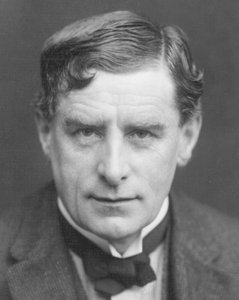
Walter Richard Sickert
1860 - 1942 , Alemania
Datos clave
- Artistas Que Influyeron: ['James Abbott McNeill Whistler']
- Fecha De Fallecimiento: 22 de enero de 1942
- Fecha De Nacimiento: 31 de mayo de 1860
- Influencia Artística: Camden Town Group, Arte británico moderno
- Lugar De Nacimiento: Múnich, Alemania
- Movimiento Artístico: Postimpresionismo, Realismo
- Nacionalidad: Británico (de origen alemán)
- Nombre Completo: Walter Richard Sickert
- Obras Notables:
- Katie Lawrence en Gatti's
- Gaieté Montparnasse
Artículos relacionados
Harmonies on Canvas: Exploring the Visual Representation of Music in Art History
Explore the fascinating history of music's visual representation in art! From ancient symbolism to modern abstraction, discover how artists have captured sound and emotion on canvas. Expert insights & stunning examples.

The Subdued Resonance: Exploring Emotional Depth & Artistic Nuance within Muted Color Palettes
Explore the captivating world of muted colors in art & design! Discover historical context, psychological effects, techniques, and inspiration for creating serene spaces. Elevate your aesthetic with ArtsDot.

James Abbott McNeill Whistler: Las 25 Obras Maestras del Maestro del Arte y la Atmósfera | ArtsDot
Descubre las 25 obras maestras de James Abbott McNeill Whistler, el maestro del impresionismo y la armonía en arte. Explora retratos icónicos, nocturnos evocadores y su innovadora paleta de colores. Reproducciones de arte exclusivas en ArtsDot.com.

The Subdued Palette: Exploring Emotional Resonance & Aesthetic Impact in Muted Artworks
Explore the power of muted colors in art! Discover the history, psychology & techniques behind serene palettes. Find inspiration & expert advice for creating emotionally resonant spaces with ArtsDot.
Los 10 Cuadros Más Famosos en Tonos Gainsborough: Arte Clásico para tu Hogar
Descubre los 10 cuadros más emblemáticos en tonos Gainsborough. Explora la historia, el arte y la técnica de maestros como Thomas Gainsborough. Encuentra reproducciones de alta calidad para transformar tu hogar. ¡Inspírate en ArtsDot.com!