 Ver en contexto
 Enviar
 Compartir
 Detalles

 Descargar
 Similares
 Radiografía
 Presentación de diapositivas
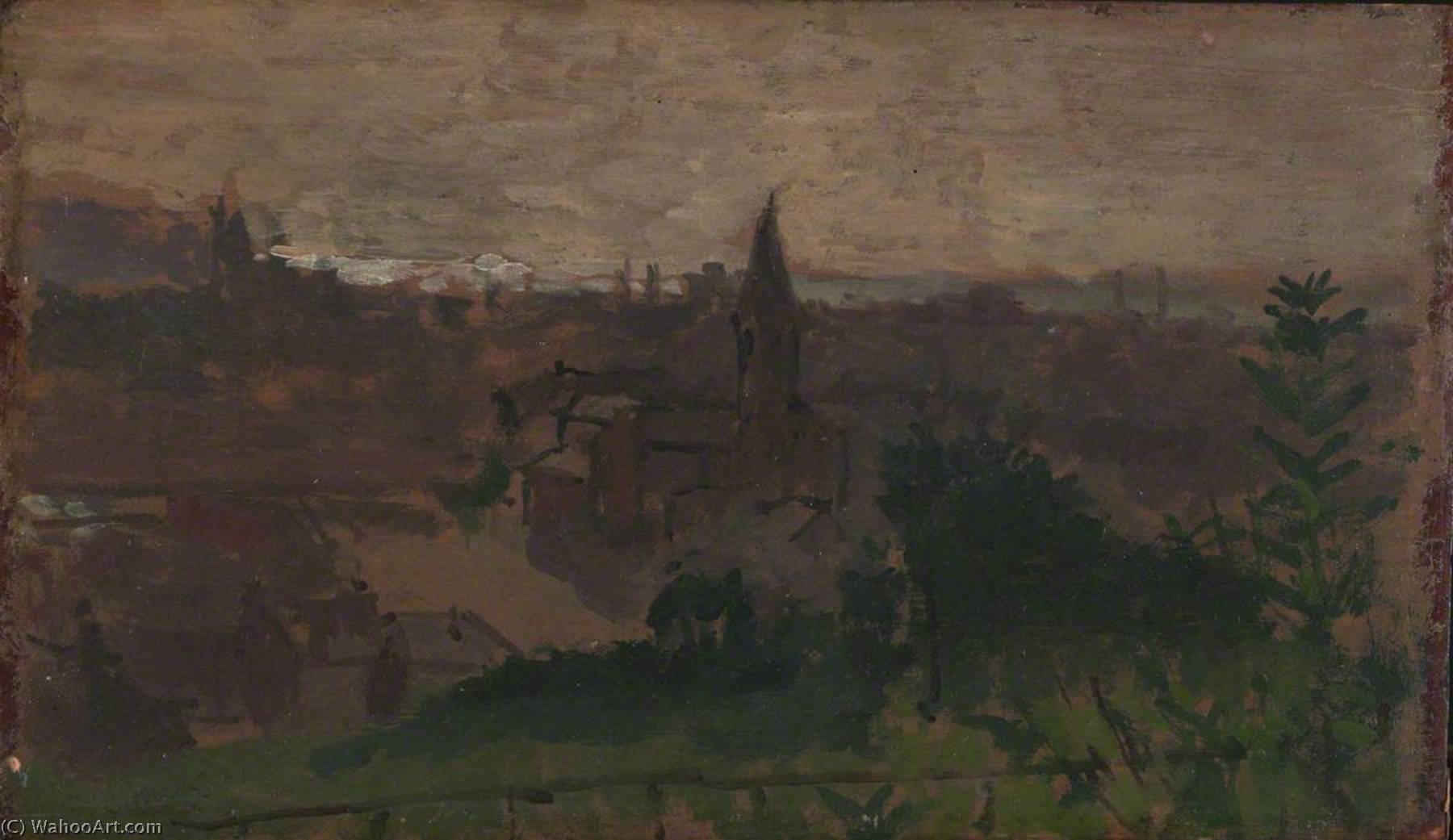
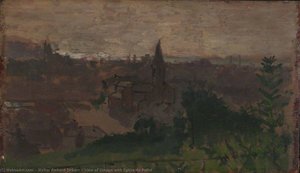
View of Dieppe with Eglise du Pollet
 Oil On Canvas
- WallArt
- Impressionism
 1890
1890 14.0 x 24.0 cm
 Galería Courtauld
 Ver más
Giclée / Impresión de arte
Impresiones giclée o en lienzo de calidad de museo con producción rápida y opciones de acabado flexibles. ( Comprar pintura hecha a mano Comprar imagen)




P118B $10

P118H $10

P118W $10

P438Z $10

P508JH $12

P508YH $12

P805H $10

P805Z $10

P919BZ $10

P919G $10

P919XJ $10

P959ZH $10

P968JZ $12

W106C $8

W218G $10

W218JH $8

W218Y $10

W307PJ $10

W316G $10

W316PJ $8

W316Y $10

W398PJ $8

W4111J $10

W500HY $15

W500JH $15

W692G $12

W849H $8

W940BG $15

W953PJ $8




Elija entre nuestros tamaños predefinidos que respetan las proporciones originales de la obra.

Puede introducir sus propias dimensiones para adaptarse a un marco o espacio específico. Si el tamaño seleccionado no coincide con las proporciones de la imagen original, recortaremos la obra de arte o extenderemos la imagen con un borde con efecto espejo o de color sólido. Se enviará una maqueta digital para su aprobación antes de que comience la producción.
Tenga en cuenta que la vista previa en pantalla no refleja el recorte o la extensión real. Solo la maqueta mostrará con precisión la composición final.
Aunque existen tamaños personalizados, recomendamos seleccionar una dimensión de la lista predefinida para preservar las proporciones originales.
Envío a todo el mundo () en 2 semanas en lugar de las 4/5 semanas estándar. (23 agosto)

Envío exprés gratuito a todo el mundo

Lienzo de lino de alta calidad

Seguro de envío total

Garantía de reembolso de impuestos aduaneros

Garantía de fidelidad cromática exacta

Política de devolución de 60 días (solo por defectos)

Garantía de devolución del 100% del dinero

Descuento por cantidad
 La opción de vidrio solo está disponible en tamaños inferiores a 110 cm.

View of Dieppe with Eglise du Pollet
Giclée / Impresión de arte
Dimensiones de la reproducción
-


Precio total final
$ 62
Descripción de la pieza
A Moment Frozen in Impressionistic Light: Walter Richard Sickert’s View of Dieppe
Walter Richard Sickert's "View of Dieppe with Eglise du Pollet," painted circa 1890, is more than just a picturesque landscape; it’s a carefully constructed tableau that embodies the spirit of Impressionism and captures a poignant glimpse into late Victorian Britain. Held by The Courtauld Gallery in London, this oil painting offers viewers an intimate encounter with Sickert's distinctive vision—one characterized by subtle tonal shifts and a masterful manipulation of light to convey mood rather than precise representation.The Landscape’s Quiet Drama
Dieppe, a coastal town renowned for its herring fishing industry and maritime heritage, served as a favored subject for Impressionist artists seeking inspiration from the natural world. Sickert eschewed the grand vistas championed by his contemporaries like Claude Monet or Jean-François Millet, opting instead for a composition that prioritizes atmosphere over topographical accuracy. The artist’s brushstrokes are loose and expressive, blending seamlessly into one another to create an illusion of shimmering light reflecting off the choppy waters of the English Channel. Lush greenery dominates the foreground—trees and shrubs rendered with meticulous detail—contrasting sharply with the hazy sky above. This deliberate juxtaposition serves not only to establish depth but also to heighten the painting’s emotional resonance, suggesting a sense of solitude and contemplation amidst the beauty of nature.Sickert's Impressionistic Technique: Texture and Color Harmony
Sickert’s technique is distinctly Impressionistic, prioritizing texture and color harmony over meticulous realism. He employs impasto—thickly applied paint—to build up surface irregularities that mimic the roughness of bark or foliage, adding a tactile dimension to the scene. The palette is restrained yet luminous, dominated by muted earth tones – ochres, browns, and greens – punctuated by splashes of cooler blues and violets in the sky and water. These colors aren’t blended conventionally; instead, Sickert allows them to merge visually on the canvas, creating a harmonious blend that evokes the ethereal quality of twilight. Careful observation of light—particularly its shifting patterns—is paramount to Sickert's artistic process. He captures fleeting moments of illumination, transforming ordinary landscapes into canvases brimming with emotion and suggestion.The Significance of Eglise du Pollet
Dominating the horizon is the Eglise du Pollet, Dieppe’s parish church, a spire reaching upwards towards the heavens. This architectural element isn't merely a decorative feature; it symbolizes faith and aspiration—a beacon of spiritual solace amidst the vastness of the sea. Sickert’s depiction of the church is softened by atmospheric haze, emphasizing its presence as an enduring landmark against the backdrop of the ephemeral landscape. The spire’s upward thrust reinforces the painting’s contemplative mood, inviting viewers to ponder themes of transcendence and permanence.A Portrait of Feeling: Emotional Impact
Ultimately, “View of Dieppe” transcends a simple depiction of scenery; it's a distillation of Sickert’s artistic sensibility—a testament to his ability to convey profound emotion through subtle visual cues. The painting exudes a palpable sense of melancholy, perhaps reflecting Sickert’s own preoccupation with themes of isolation and decay. Yet, alongside this sadness lies an undeniable beauty—the quiet grandeur of the landscape illuminated by diffused sunlight—creating a complex interplay of sensations that lingers in the viewer's mind long after encountering it. It stands as a poignant reminder that art can capture not just what we see but also what we feel.Obras relacionadas
Biografía del artista
Primeros años y formación
Walter Richard Sickert, un pintor británico de origen alemán, nació el 31 de mayo de 1860 en Múnich, Reino de Baviera. Su familia se estableció en Inglaterra en 1868, tras la anexión alemana de Schleswig-Holstein. La educación temprana de Sickert tuvo lugar en la University College School y la King's College School, donde estudió hasta los 18 años.Desarrollo artístico
El viaje artístico de Sickert comenzó con una breve incursión como actor, seguida de su inscripción en la Slade School en 1881. Posteriormente, se convirtió en alumno de James Abbott McNeill Whistler, quien influyó significativamente en su obra. Sus primeras pinturas fueron pequeños estudios tonales pintados "alla prima" desde la naturaleza siguiendo el ejemplo de Whistler.Obras destacadas y controversia
Las primeras obras importantes de Sickert, que datan de finales de la década de 1880, representaban escenas en los teatros de música de Londres. Una de sus pinturas notables, Katie Lawrence at Gatti's, generó controversia debido a su representación de una conocida cantante de teatro musical, considerada "fea y vulgar" por los críticos.Asociación con el Grupo de Camden Town
Sickert fue una influencia importante en los estilos británicos de arte vanguardista del siglo XX. Se unió al New English Art Club en 1888, un grupo de artistas realistas influenciados por los franceses, y posteriormente se convirtió en miembro del Grupo de Camden Town.Legado
La obra de Sickert puede encontrarse en varios museos, incluido el Museum Kunstsalon Franke Schenk, que presenta obras desde los siglos XVI al XX. Su legado se extiende más allá de su propio arte, influyendo en los estilos británicos de arte vanguardista a mediados y finales del siglo XX.- Vea las pinturas de Sickert en ArtsDot: Walter Richard Sickert
- Descubra más sobre el Grupo de Camden Town en Wikipedia: Wyndham Lewis
- Explore la colección del Museum Kunstsalon Franke Schenk en ArtsDot: El Museo Kunstsalon Franke Schenk
- Aprenda más sobre la vida y obra de Sickert en Wikipedia: Walter Sickert
- 31 de mayo de 1860: Nacimiento en Múnich, Reino de Baviera
- 1888: Se unió al New English Art Club
- 1903-04: Desarrolló un enfoque distintivo para los conjuntos de múltiples figuras durante su último viaje de pintura a Venecia
Conclusión
El trabajo pionero de Walter Richard Sickert en el arte británico de vanguardia ha dejado una huella indeleble en el mundo del arte. Su legado continúa inspirando e influyendo en artistas, convirtiéndolo en una figura crucial en la historia del arte moderno.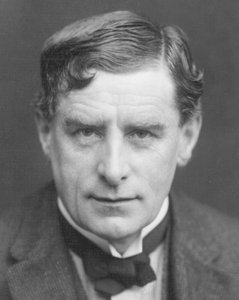
Walter Richard Sickert
1860 - 1942 , Alemania
Datos clave
- Artistas Que Influyeron: ['James Abbott McNeill Whistler']
- Fecha De Fallecimiento: 22 de enero de 1942
- Fecha De Nacimiento: 31 de mayo de 1860
- Influencia Artística: Camden Town Group, Arte británico moderno
- Lugar De Nacimiento: Múnich, Alemania
- Movimiento Artístico: Postimpresionismo, Realismo
- Nacionalidad: Británico (de origen alemán)
- Nombre Completo: Walter Richard Sickert
- Obras Notables:
- Katie Lawrence en Gatti's
- Gaieté Montparnasse
Artículos relacionados

Los 10 Maestros del Paisaje Impresionista: Obras que Cambiaron la Historia del Arte
Descubre los 10 lienzos impresionistas que revolucionaron el arte. Monet, Renoir y más… Explora la historia, técnica y belleza de cada obra maestra. Encuentra reproducciones de alta calidad para tu hogar en ArtsDot.com.

Los 10 Maestros del Paisaje Impresionista: Obras que Cambiaron la Historia del Arte
Descubre los 10 lienzos impresionistas que revolucionaron el arte. Explora la historia de Monet, Van Gogh y Renoir, sus técnicas y colores vibrantes. Encuentra reproducciones de alta calidad para decorar tu hogar en ArtsDot.com

Paul Cézanne: Las 25 Obras Maestras que Definieron el Arte Moderno | ArtsDot
Descubre las 25 obras maestras de Paul Cézanne que revolucionaron el arte moderno. Explora su técnica, inspiración y significado en paisajes, bodegones y retratos. Reproducciones de alta calidad para decorar tu hogar con arte inolvidable. ¡Explora la colección completa en ArtsDot.com!

Capturando la Luz Efímera: La Pintura Paisajística Impresionista y su Legado
Descubre la magia del Impresionismo y su revolucionaria pintura paisajística. Análisis de Monet, técnicas innovadoras y el legado de este movimiento artístico clave. ¡Explora obras maestras y sumérgete en la luz!

Evocations of Place: A Historical Journey Through Landscape Art
Explore the rich history of landscape art with ArtsDot. Discover renowned artists, movements like Impressionism & Romanticism, and expert guidance for collecting timeless pieces. Find your perfect serene escape today!