 Ver en contexto
 Enviar
 Compartir
 Detalles

 Descargar
 Similares
 Radiografía
 Presentación de diapositivas
 Estadísticas
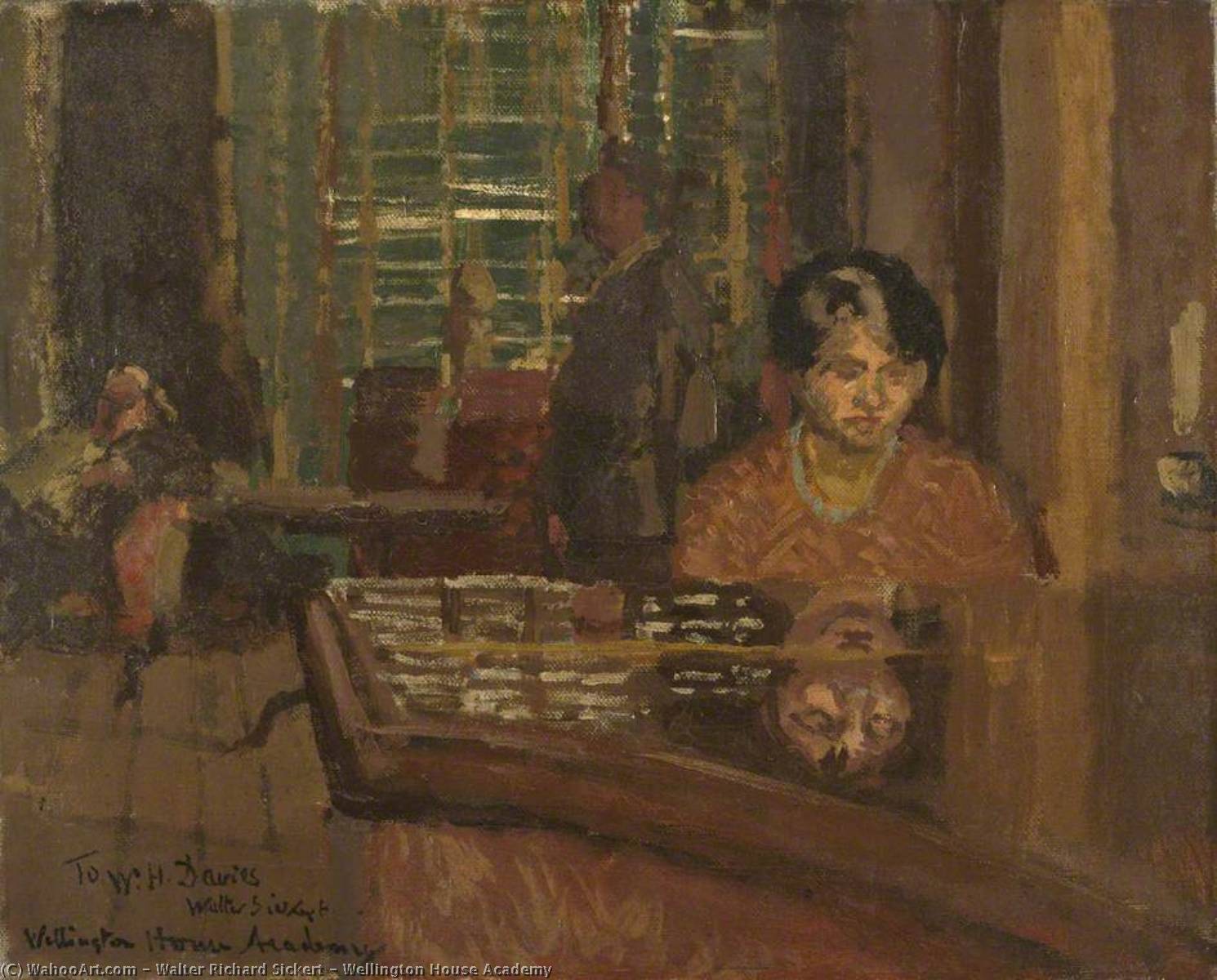
Wellington House Academy
 Oil
Oil- WallArt
- Impressionism
 1914
1914- Modern
 41.0 x 51.0 cm
 Ver más
Giclée / Impresión de arte
Impresiones giclée o en lienzo de calidad de museo con producción rápida y opciones de acabado flexibles. ( Comprar pintura hecha a mano Cambiar a imagen digital)




P118B $10

P118H $10

P118W $10

P438Z $10

P508JH $12

P508YH $12

P805H $10

P805Z $10

P919BZ $10

P919G $10

P919XJ $10

P959ZH $10

P968JZ $12

W106C $8

W218G $10

W218JH $8

W218Y $10

W307PJ $10

W316G $10

W316PJ $8

W316Y $10

W398PJ $8

W4111J $10

W500HY $15

W500JH $15

W692G $12

W849H $8

W940BG $15

W953PJ $8




Elija entre nuestros tamaños predefinidos que respetan las proporciones originales de la obra.

Puede introducir sus propias dimensiones para adaptarse a un marco o espacio específico. Si el tamaño seleccionado no coincide con las proporciones de la imagen original, recortaremos la obra de arte o extenderemos la imagen con un borde con efecto espejo o de color sólido. Se enviará una maqueta digital para su aprobación antes de que comience la producción.
Tenga en cuenta que la vista previa en pantalla no refleja el recorte o la extensión real. Solo la maqueta mostrará con precisión la composición final.
Aunque existen tamaños personalizados, recomendamos seleccionar una dimensión de la lista predefinida para preservar las proporciones originales.
Envío a todo el mundo () en 2 semanas en lugar de las 4/5 semanas estándar. (9 septiembre)

Envío exprés gratuito a todo el mundo

Lienzo de lino de alta calidad

Seguro de envío total

Garantía de reembolso de impuestos aduaneros

Garantía de fidelidad cromática exacta

Política de devolución de 100 días (solo por defectos)

Garantía de devolución del 100% del dinero

Descuento por cantidad
 La opción de vidrio solo está disponible en tamaños inferiores a 110 cm.

Wellington House Academy
Giclée / Impresión de arte
Dimensiones de la reproducción
-


Precio total final
$ 62
A Quiet Resonance: The Intimacy of Sickert’s Wellington House Academy
In the soft, filtered light of 1914, Walter Richard Sickert captured a moment that transcends mere musical practice to become a profound study of human connection and shared solitude. Wellington House Academy invites the viewer into a private sanctuary, where the rhythmic movement of fingers upon piano keys seems to vibrate through the very canvas. The scene is set within an elegantly appointed room, bathed in the gentle glow of natural light streaming from a nearby window, casting soft shadows that dance across the figures present. At the heart of this composition sits a woman, her back turned toward us in a gesture that simultaneously invites intimacy and maintains a sense of voyeuristic mystery. As she engages with the instrument, her posture suggests a deep immersion in the melody, a state of flow that anchors the entire room.
The presence of two other figures, seated quietly as they observe the performance, adds a layer of social texture to the piece. They are not merely spectators but participants in a shared emotional atmosphere, their stillness contrasting beautifully with the implied motion of the music. The arrangement of chairs and the distant bench create a structured yet lived-in environment, suggesting a space where culture and domesticity intertwine. For the collector or interior designer, this painting offers more than just a visual focal point; it provides a window into an era of refined quietude, making it an exquisite addition to spaces that value contemplative elegance and historical depth.
Mastery of Light and the Impressionist Legacy
Technically, Wellington House Academy showcases Sickert’s unique ability to manipulate light and shadow, a skill honed through his complex relationship with both German precision and British Impressionism. The artist employs a sophisticated palette that favors muted, earthy tones, allowing the highlights of the natural light to act as the true protagonists of the work. His brushwork is deliberate yet fluid, capturing the textures of the room—the wood of the piano, the fabric of the clothing, and the soft diffusion of light through the air. This technique creates a palpable sense of atmosphere, where the air itself feels heavy with the notes being played.
The composition utilizes depth and perspective to draw the eye inward, using the woman’s turned back as a compositional anchor that leads the viewer's gaze toward the secondary figures and the architectural details of the room. This layering of space creates a cinematic quality, reminiscent of Sickert’s early fascination with the theatrical arts. The interplay between the light entering from the window and the deepening shadows in the corners of the room evokes a sense of nostalgia, a fleeting moment frozen in time just before the world changed forever with the onset of the Great War.
A Timeless Addition to the Modern Interior
For those seeking to curate an environment of sophistication, this reproduction serves as a bridge between the historical and the contemporary. The emotional impact of the piece lies in its ability to evoke peace, focus, and a sense of refined grace. It is a work that does not demand attention through loud colors or jarring subjects, but rather earns it through a subtle, persistent beauty that rewards long-term contemplation.
Integrating such a masterpiece into a home or gallery setting allows for a dialogue between the past and the present. Whether placed in a sunlit study, a formal dining room, or a quiet reading nook, Wellington House Academy brings with it an aura of cultured tranquility. It is an ideal choice for enthusiasts of early 20th-century modernism and those who appreciate art that tells a story of quiet, enduring human connection.
Obras relacionadas

Biografía del artista
Primeros años y formación
Walter Richard Sickert, un pintor británico de origen alemán, nació el 31 de mayo de 1860 en Múnich, Reino de Baviera. Su familia se estableció en Inglaterra en 1868, tras la anexión alemana de Schleswig-Holstein. La educación temprana de Sickert tuvo lugar en la University College School y la King's College School, donde estudió hasta los 18 años.Desarrollo artístico
El viaje artístico de Sickert comenzó con una breve incursión como actor, seguida de su inscripción en la Slade School en 1881. Posteriormente, se convirtió en alumno de James Abbott McNeill Whistler, quien influyó significativamente en su obra. Sus primeras pinturas fueron pequeños estudios tonales pintados "alla prima" desde la naturaleza siguiendo el ejemplo de Whistler.Obras destacadas y controversia
Las primeras obras importantes de Sickert, que datan de finales de la década de 1880, representaban escenas en los teatros de música de Londres. Una de sus pinturas notables, Katie Lawrence at Gatti's, generó controversia debido a su representación de una conocida cantante de teatro musical, considerada "fea y vulgar" por los críticos.Asociación con el Grupo de Camden Town
Sickert fue una influencia importante en los estilos británicos de arte vanguardista del siglo XX. Se unió al New English Art Club en 1888, un grupo de artistas realistas influenciados por los franceses, y posteriormente se convirtió en miembro del Grupo de Camden Town.Legado
La obra de Sickert puede encontrarse en varios museos, incluido el Museum Kunstsalon Franke Schenk, que presenta obras desde los siglos XVI al XX. Su legado se extiende más allá de su propio arte, influyendo en los estilos británicos de arte vanguardista a mediados y finales del siglo XX.- Vea las pinturas de Sickert en ArtsDot: Walter Richard Sickert
- Descubra más sobre el Grupo de Camden Town en Wikipedia: Wyndham Lewis
- Explore la colección del Museum Kunstsalon Franke Schenk en ArtsDot: El Museo Kunstsalon Franke Schenk
- Aprenda más sobre la vida y obra de Sickert en Wikipedia: Walter Sickert
- 31 de mayo de 1860: Nacimiento en Múnich, Reino de Baviera
- 1888: Se unió al New English Art Club
- 1903-04: Desarrolló un enfoque distintivo para los conjuntos de múltiples figuras durante su último viaje de pintura a Venecia
Conclusión
El trabajo pionero de Walter Richard Sickert en el arte británico de vanguardia ha dejado una huella indeleble en el mundo del arte. Su legado continúa inspirando e influyendo en artistas, convirtiéndolo en una figura crucial en la historia del arte moderno.
Walter Richard Sickert
1860 - 1942 , Alemania
Datos clave
- Artistas Que Influyeron: ['James Abbott McNeill Whistler']
- Fecha De Fallecimiento: 22 de enero de 1942
- Fecha De Nacimiento: 31 de mayo de 1860
- Influencia Artística: Camden Town Group, Arte británico moderno
- Lugar De Nacimiento: Múnich, Alemania
- Movimiento Artístico: Postimpresionismo, Realismo
- Nacionalidad: Británico (de origen alemán)
- Nombre Completo: Walter Richard Sickert
- Obras Notables:
- Katie Lawrence en Gatti's
- Gaieté Montparnasse
Artículos relacionados
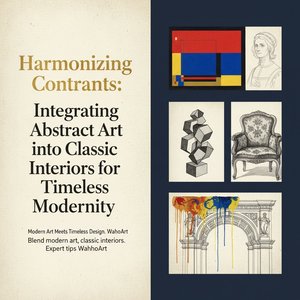
Equilibrio y Audacia: La Integración del Arte Contemporáneo en Interiores Clásicos para una Modernidad Atemporal
Descubre cómo integrar el arte contemporáneo en interiores clásicos con elegancia y sofisticación. Expertos en diseño te guían para crear espacios atemporales llenos de personalidad. ¡Inspírate!
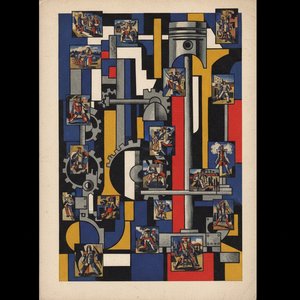
Fernand Léger: Las 25 Obras Maestras del Tubismo y la Vanguardia Francesa | ArtsDot
Descubre las 25 obras maestras de Fernand Léger, pionero del tubismo y la vanguardia francesa. Explora su estética industrial, composiciones geométricas y vibrantes colores. Reproducciones de arte exclusivas en ArtsDot.com.
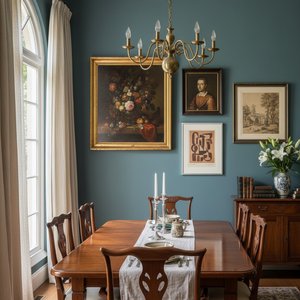
Cultivando Ambientes: Selección de Reproducciones Artísticas para el Comedor – Una Guía Histórica y Estética
Descubre cómo seleccionar reproducciones artísticas para tu comedor con nuestra guía experta. Explora la historia del bodegón, desde el Renacimiento hasta el Pop Art, y crea un ambiente sofisticado y lleno de estilo.
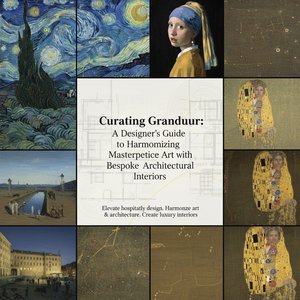
Armonizando Historia y Tono: Una Guía para Combinar Estilos Artísticos con la Arquitectura Interior para una Decoración Equilibrada
Guía experta para combinar estilos artísticos con tu arquitectura interior. Crea espacios equilibrados y elegantes con nuestros consejos y reproducciones de alta calidad. ¡Transforma tu hogar!
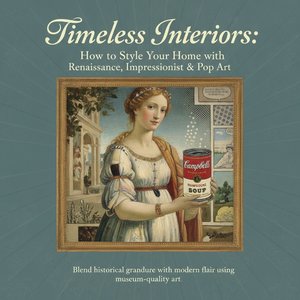
Más Allá de las Tendencias Efímeras: Cultivando Estéticas Interiores Duraderas a Través del Renacimiento, la Luz Impresionista y el Vibrante Pop Art
Descubre cómo crear un hogar con carácter atemporal combinando Renacimiento, Impresionismo y Pop Art. Reproducciones de alta calidad y asesoramiento experto en ArtsDot.com.