

 Ver en contexto
 Enviar
 Compartir
 Detalles

 Descargar
 Similares
 Radiografía
 Presentación de diapositivas
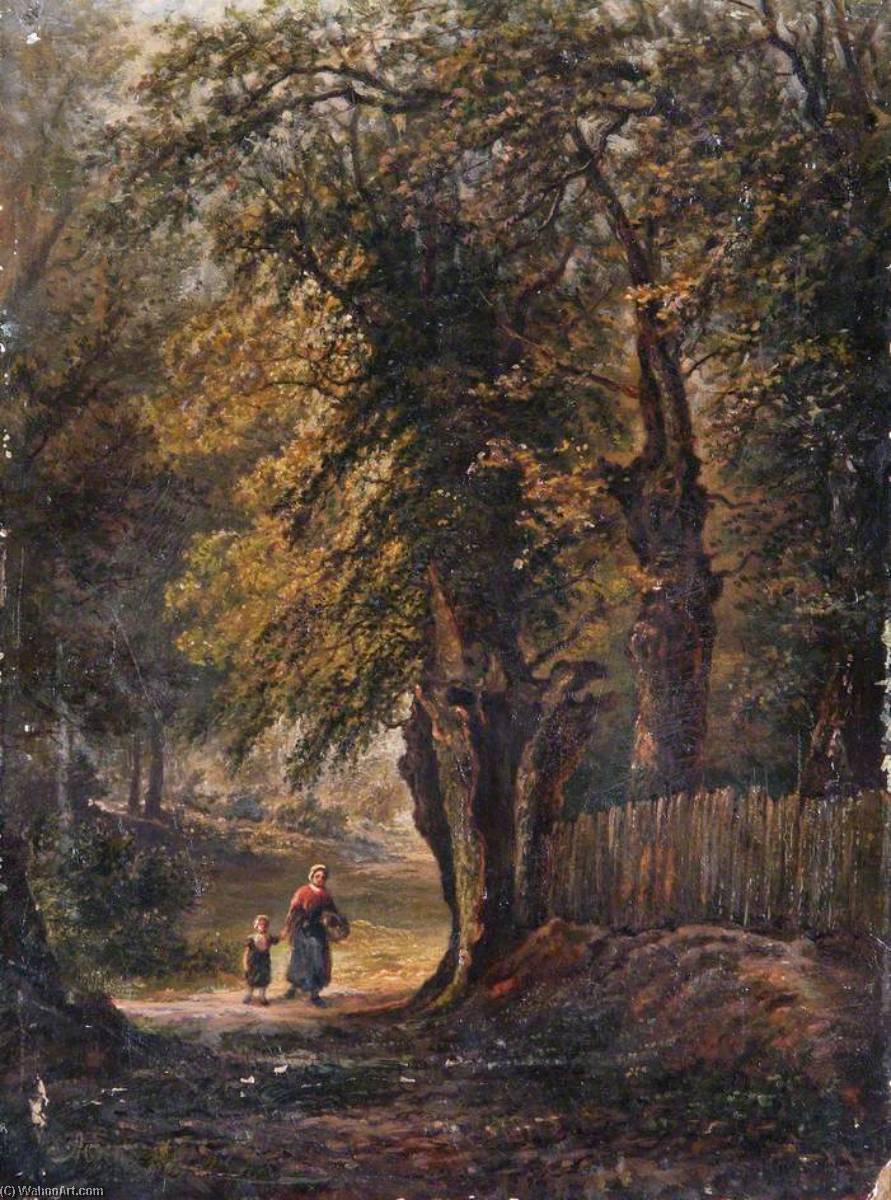
Oaks Road, Addington, Croydon, Surrey
 1875
1875 38.0 x 28.0 cm
 Ver más
Giclée / Impresión de arte
Impresiones giclée o en lienzo de calidad de museo con producción rápida y opciones de acabado flexibles. ( Comprar pintura hecha a mano Comprar imagen)




































Elija entre nuestros tamaños predefinidos que respetan las proporciones originales de la obra.

Puede introducir sus propias dimensiones para adaptarse a un marco o espacio específico. Si el tamaño seleccionado no coincide con las proporciones de la imagen original, recortaremos la obra de arte o extenderemos la imagen con un borde con efecto espejo o de color sólido. Se enviará una maqueta digital para su aprobación antes de que comience la producción.
Tenga en cuenta que la vista previa en pantalla no refleja el recorte o la extensión real. Solo la maqueta mostrará con precisión la composición final.
Aunque existen tamaños personalizados, recomendamos seleccionar una dimensión de la lista predefinida para preservar las proporciones originales.
Envío a todo el mundo () en 2 semanas en lugar de las 4/5 semanas estándar. (23 agosto)

Envío exprés gratuito a todo el mundo

Lienzo de lino de alta calidad

Seguro de envío total

Garantía de reembolso de impuestos aduaneros

Garantía de fidelidad cromática exacta

Política de devolución de 60 días (solo por defectos)

Garantía de devolución del 100% del dinero

Descuento por cantidad
 La opción de vidrio solo está disponible en tamaños inferiores a 110 cm.

Oaks Road, Addington, Croydon, Surrey
Giclée / Impresión de arte
Dimensiones de la reproducción
-


Precio total final
$ 62
Obras relacionadas









Biografía del artista
The Visionary of Surrey: The Life and Legacy of Walter William Acock
In the quiet, rolling landscapes of late 19th-century England, few artists captured the delicate transition between pastoral serenity and urban expansion as intimately as Walter William Acock. Born in 1847 in the picturesque town of Epsom, Surrey, Acock’s early years were steeped in the very scenery that would later become his life's work. This childhood immersion in the verdant beauty of the English countryside gifted him with a profound sensitivity to light and atmosphere, an innate ability to observe the subtle shifts in a landscape that many of his contemporaries overlooked in favor of more dramatic, idealized vistas.
Acock’s formal artistic journey led him from the local traditions of Epsom Grammar School to the prestigious Slade School of Fine Art in London. It was within these hallowed halls that his technical prowess began to crystallize under the guidance of masters such as Frederic Leighton and Joseph Noel Paton. From these mentors, he inherited a sophisticated command of realism tempered by an elegant, almost poetic approach to composition. This period of rigorous training allowed him to master both the fluid, translucent qualities of watercolor and the rich, textured depth of oil on canvas, creating a versatile repertoire that could oscillate between the ephemeral light of a morning mist and the sturdy, tactile reality of a farmhouse wall.
A Chronicler of Croydon’s Transformation
While many Victorian landscape painters sought escape in distant, romanticized realms, Acock found his greatest inspiration in the immediate and evolving world around him. He became, in many ways, the unofficial visual historian of Croydon. As the town underwent a rapid metamorphosis from a quiet settlement into a burgeoning urban center, Acock’s brush documented every stage of this transformation. His work serves as a vital temporal bridge, capturing the tension between the old world and the new.
His oeuvre is characterized by an extraordinary attention to detail that elevates mere topographical recording into high art. Through his eyes, we witness:
- The Bustling High Street: Vivid depictions of commerce and community, where the movement of pedestrians and the character of local shops breathe life into the urban fabric.
- Suburban Expansion: Meticulous sketches of residential streets and terraced houses, documenting the architectural growth of the Surrey suburbs.
- The Pastoral Remnants: Serene landscapes such as Haling Clumps and At the Foot of Addington Hills, which preserve the memory of a more tranquil, agrarian England even as industrialization loomed.
Technique, Emotion, and Enduring Significance
The true magic of Acock’s work lies in his ability to imbue even the most mundane scenes with a sense of profound tranquility and emotional resonance. Whether working in the soft, layered washes of watercolor or the thick, expressive impasto of his oil paintings, he possessed a unique talent for capturing the "soul" of a location. In pieces like Brighton Road, South Croydon, the presence of grazing sheep and sun-drenched fields evokes a sense of harmony and peace, inviting the viewer to linger in a moment of timelessness.
Acock’s historical significance extends far beyond his technical skill; he provided a visual record of a vanishing way of life. His paintings are not merely aesthetic objects but are essential documents for anyone seeking to understand the social and geographical evolution of the Surrey region during the late Victorian and Edwardian eras. Today, as much of his work resides in cherished collections like the Museum of Croydon, Walter William Acock remains a celebrated figure—a master who found the extraordinary within the ordinary, and whose legacy continues to illuminate the storied landscapes of his beloved home.
walter william acock
1847 - 1933
Datos clave
- Artistic Movement Or Style: Victorian Watercolor
- Artists Or Movements Influenced By This Artist: ['Hudson River School']
- Artists Who Influenced This Artist: ['George Frederic Leighton']
- Date Of Birth: 1847
- Date Of Death: 1933
- Full Name: Walter William Aock
- Nationality: British
- Notable Artworks:
- Surrey Landscapes
- Croydon Scenes
- Place Of Birth: Croydon, England

