 Ver en contexto
 Enviar
 Compartir
 Detalles

 Descargar
 Similares
 Radiografía
 Presentación de diapositivas
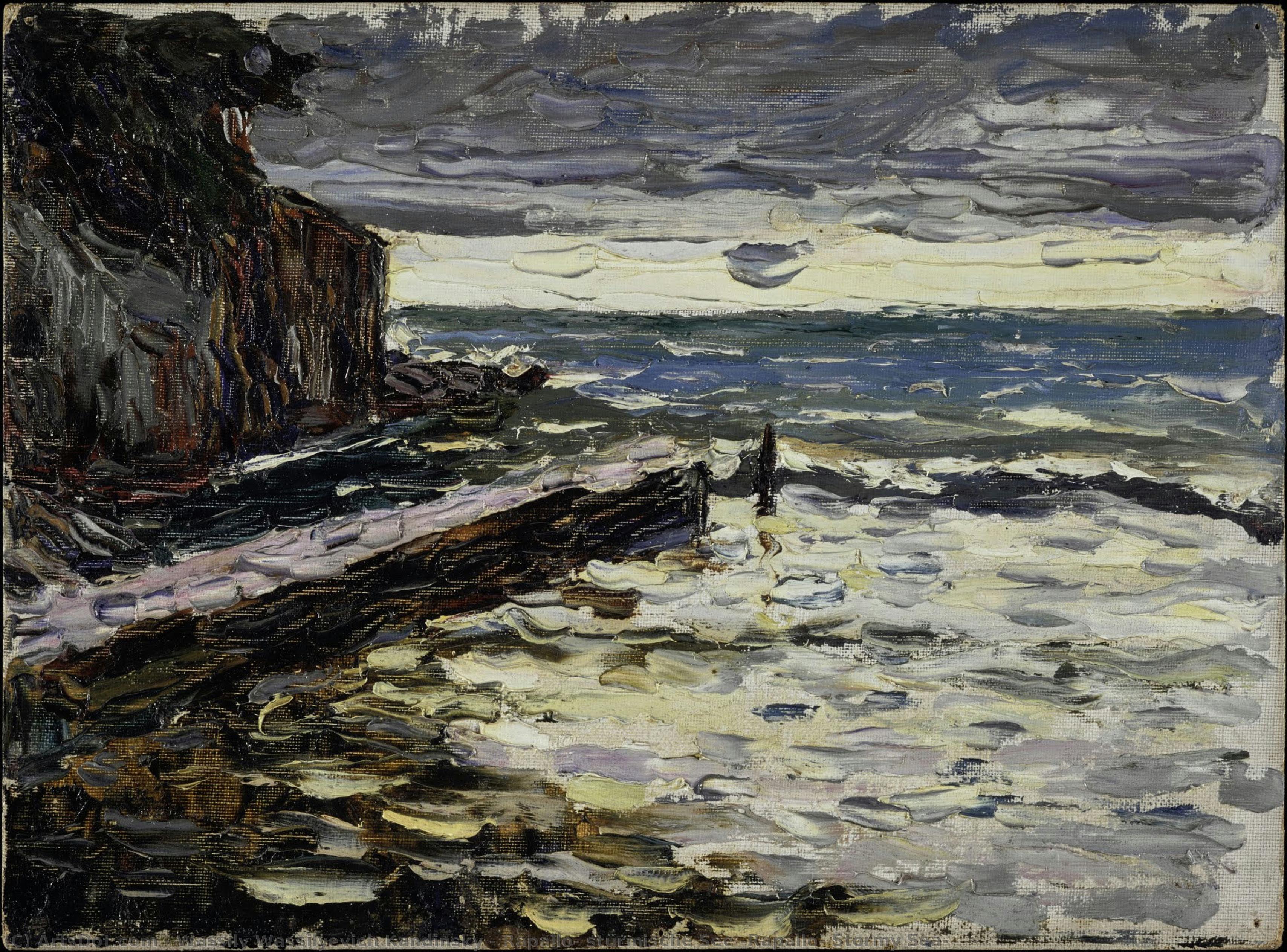
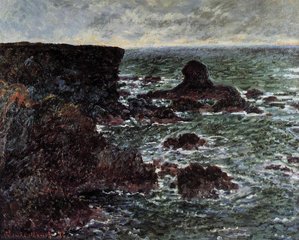
Rapallo, stürmische See (Rapallo, Stormy Sea)
 Early Expressionism
 1906
1906- Early Modern
 23.0 x 33.0 cm
 Centre Pompidou
 Ver más
Giclée / Impresión de arte
Impresiones giclée o en lienzo de calidad de museo con producción rápida y opciones de acabado flexibles. ( Comprar pintura hecha a mano Comprar imagen)




P118B $10

P118H $10

P118W $10

P438Z $10

P508JH $12

P508YH $12

P805H $10

P805Z $10

P919BZ $10

P919G $10

P919XJ $10

P959ZH $10

P968JZ $12

W106C $8

W218G $10

W218JH $8

W218Y $10

W307PJ $10

W316G $10

W316PJ $8

W316Y $10

W398PJ $8

W4111J $10

W500HY $15

W500JH $15

W692G $12

W849H $8

W940BG $15

W953PJ $8




Elija entre nuestros tamaños predefinidos que respetan las proporciones originales de la obra.

Puede introducir sus propias dimensiones para adaptarse a un marco o espacio específico. Si el tamaño seleccionado no coincide con las proporciones de la imagen original, recortaremos la obra de arte o extenderemos la imagen con un borde con efecto espejo o de color sólido. Se enviará una maqueta digital para su aprobación antes de que comience la producción.
Tenga en cuenta que la vista previa en pantalla no refleja el recorte o la extensión real. Solo la maqueta mostrará con precisión la composición final.
Aunque existen tamaños personalizados, recomendamos seleccionar una dimensión de la lista predefinida para preservar las proporciones originales.
Envío a todo el mundo () en 2 semanas en lugar de las 4/5 semanas estándar. (24 agosto)

Envío exprés gratuito a todo el mundo

Lienzo de lino de alta calidad

Seguro de envío total

Garantía de reembolso de impuestos aduaneros

Garantía de fidelidad cromática exacta

Política de devolución de 60 días (solo por defectos)

Garantía de devolución del 100% del dinero

Descuento por cantidad
 La opción de vidrio solo está disponible en tamaños inferiores a 110 cm.

Rapallo, stürmische See (Rapallo, Stormy Sea)
Giclée / Impresión de arte
Dimensiones de la reproducción
-


Precio total final
$ 62
Descripción de la pieza
Rapallo, Stürmische See (1906): A Window into Kandinsky’s Soul
Wassily Kandinsky's "Rapallo, stürmische See" is more than just a landscape painting; it’s a profound expression of the artist’s burgeoning abstraction and his deeply felt connection to nature. Completed in 1906, this work represents a pivotal moment in Kandinsky’s artistic evolution, bridging the gap between his Impressionistic roots and the radical experimentation that would define his later career. The painting depicts the rugged coastline of Rapallo, Italy, during a dramatic storm – a scene rendered not with photographic realism but with intense emotion and a nascent desire to capture the very essence of color and form.
The composition immediately draws the viewer into the heart of the tempest. A dynamic interplay of choppy brushstrokes dominates the foreground, conveying the raw power of crashing waves against a rocky cliff face. The middle ground dissolves into a turbulent sea, while the background is dominated by a brooding sky – a swirling vortex of blues and grays punctuated by fleeting glimpses of light. A solitary figure, almost lost in the scale of nature’s display, adds a poignant element of human vulnerability to this powerful scene.
Impasto and Emotional Resonance: A Technique Born of Feeling
Kandinsky's masterful use of impasto – applying thick layers of oil paint directly onto the canvas – is central to the painting’s impact. The visible brushstrokes aren’t merely a technical choice; they are imbued with emotion, creating a palpable sense of movement and texture. The rough surface invites close inspection, revealing the physicality of the paint itself and amplifying the feeling of turbulence. This technique reflects Kandinsky's belief that color and form should be treated as independent entities, capable of evoking profound emotional responses – a core tenet of his developing philosophy of art.
The cool palette – dominated by blues, grays, and whites – perfectly captures the atmosphere of a stormy day. Strategic touches of ochre and beige within the rocks and sand provide subtle warmth, preventing the scene from becoming entirely bleak and adding to its dramatic effect. The diffused lighting, suggestive of a cloudy sky, further enhances the painting’s mood, creating an almost dreamlike quality.
Symbolism and the Spirit of Abstraction
"Rapallo, stürmische See" is rich in symbolic interpretation. The storm itself can be seen as representing emotional turmoil – a reflection of Kandinsky's own inner struggles and his desire to break free from traditional artistic conventions. The small figure on the shore serves as a reminder of humanity’s place within the vastness and power of nature, highlighting our vulnerability and perhaps suggesting the potential for transcendence through art.
More broadly, this painting foreshadows Kandinsky's eventual embrace of abstraction. The flattened perspective, irregular shapes, and expressive lines all point towards his move away from representational imagery toward a purely non-objective style. It’s a crucial work in understanding the genesis of one of art history’s most revolutionary movements – a testament to Kandinsky’s visionary spirit and his unwavering belief in the power of color and form to express the deepest truths of human experience.
A Hand-Painted Reproduction: Bringing Kandinsky's Vision Home
ArtsDot offers a meticulously crafted hand-painted reproduction of "Rapallo, stürmische See," ensuring that you possess an authentic piece of art history. Each reproduction is created by skilled artisans who painstakingly recreate Kandinsky’s technique and color palette, capturing the painting’s emotional intensity and textural richness. This isn't simply a print; it’s a tangible embodiment of Kandinsky’s artistic vision – perfect for adding a touch of intellectual depth and dramatic flair to any interior space.
Obras relacionadas

Biografía del artista
Wassily Wassilyevich Kandinsky: Pionero de la Abstracción
- Nacido: 16 de diciembre de 1866, Moscú, Rusia
- Fallecido: 13 de diciembre de 1944
- Nacionalidad: Ruso
Primeros Años y Desarrollo Artístico
- La vida temprana de Kandinsky se caracterizó por una educación diversa, inicialmente estudiando derecho y economía en la Universidad de Moscú.
- A los 30 años, se dedicó al arte, inscribiéndose en la Academia de Múnich bajo Franz von Stuck. Este cambio significó un profundo compromiso con la expresión artística.
- Sus primeras obras estuvieron influenciadas por el arte folclórico ruso, particularmente de su viaje de investigación etnográfica a la región de Vologda en 1889.
- Desarrolló un interés en el simbolismo del color y la psicología, lo que se convirtió en elementos fundamentales de sus posteriores composiciones abstractas.
Períodos y Estilos Artísticos Clave
- Expresionismo Temprano: Caracterizado por colores vibrantes e intensidad emocional, evidente en obras como "Papeln (Poplars)" (1902).
- Transición a la Abstracción: Kandinsky se alejó gradualmente del arte representacional, explorando la relación entre el color, la forma y la emoción.
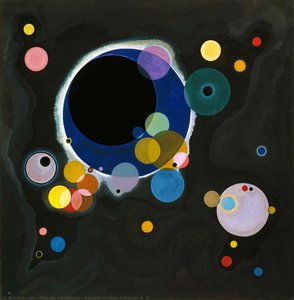
- Abstracción Geométrica: Este período se centró en formas geométricas y composiciones, ejemplificado por "Several Circles" (140 x 140 cm).
- Abstracción Espiritual: Kandinsky creía que el arte podía expresar verdades espirituales a través de formas no representacionales. Sus obras buscaban evocar emociones y experiencias internas en lugar de representar la realidad externa.
Influencia y Legado
- Influencia Bauhaus: Como profesor en la escuela Bauhaus en Alemania, Kandinsky influyó profundamente en generaciones de artistas con sus teorías sobre el color, la forma y la abstracción.
- Escritos Teóricos: Sus escritos, particularmente "Sobre lo Espiritual en el Arte", articularon su filosofía artística y contribuyeron significativamente al desarrollo de la teoría del arte abstracto.
- Impacto en el Arte Moderno: Kandinsky es ampliamente reconocido como un pionero del arte abstracto, allanando el camino para numerosos movimientos y artistas posteriores.
- Colecciones de Museos: Sus obras se encuentran en importantes museos de todo el mundo, incluyendo la Galería Tretyakov en Moscú, que alberga su monumental "Composición VII".
Obras Notables
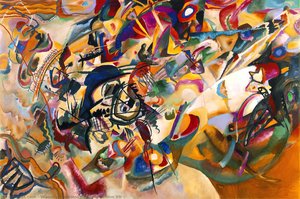
- Composición VII: Una obra abstracta a gran escala considerada como una culminación del desarrollo artístico de Kandinsky.
- Cuadrado Negro (en colaboración con Kazimir Malevich): Una obra fundamental en la historia de la abstracción, que representa una ruptura radical con las formas artísticas tradicionales.
- Several Circles: Demuestra su uso innovador de formas geométricas y colores vibrantes para crear composiciones dinámicas.
- Murnau con una Iglesia: Equilibra elementos abstractos con imágenes representacionales, mostrando su estilo en evolución.
- An Intimate Party: Una obra posterior que presenta abstracción geométrica e impasto en capas, reflejando su continua exploración de temas espirituales.
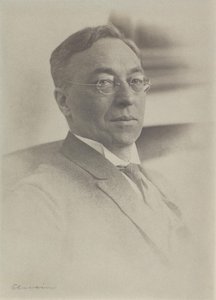
Wassily Wassilyevich Kandinsky
1866 - 1944 , Rusia
Datos clave
- Fecha De Fallecimiento: 13 de diciembre de 1944
- Fecha De Nacimiento: 16 de diciembre de 1866
- Lugar De Nacimiento: Moscú, Rusia
- Movimiento Artístico: Expresionismo abstracto
- Nacionalidad: Ruso
- Nombre Completo: Wassily Wassilyevich Kandinsky
- Obras Notables:
- Composición VII
- Cuadrado negro
- Varios círculos
- Murnau con iglesia
- An Intimate Party
Artículos relacionados

Kandinsky: Las 25 Obras Maestras del Pionero de la Abstracción | ArtsDot
Descubre las 25 obras maestras de Wassily Kandinsky, pionero del arte abstracto. Explora su expresionismo, composiciones únicas y la historia detrás de cada cuadro. Reproducciones de alta calidad para decorar tu hogar con arte moderno en ArtsDot.com.

Expresionismo Abstracto: 10 Obras Maestras que Transformaron el Arte |
Descubre las 10 obras maestras del Expresionismo Abstracto: Pollock, Rothko y más. Explora la historia, técnica y significado de estos lienzos icónicos. Reproducciones de arte exclusivas en .

Abstracción Geométrica: 10 Obras Maestras que Transformaron el Arte Moderno | ArtsDot
Descubre las 10 obras maestras de la abstracción geométrica que revolucionaron el arte moderno. Explora a Mondrian, Malevich y Kandinsky en ArtsDot.com. Reproducciones de alta calidad para tu hogar.

Más Allá de la Representación: Explorando el Paisaje Emocional del Expresionismo Abstracto
Descubra el Expresionismo Abstracto en profundidad. Análisis de artistas clave como Rothko y Richter, su contexto histórico e inversión en arte. Guía experta para coleccionistas.

Paisajes Románticos: 10 Obras Maestras que Definieron un Movimiento Artístico
Descubre los 10 paisajes románticos más influyentes de artistas como Caspar David Friedrich y Turner. Explora la belleza, el simbolismo y las técnicas del movimiento romántico. Reproducciones de arte exclusivas en ArtsDot.com.