

 Ver en contexto
 Enviar
 Compartir
 Detalles

 Descargar
 Similares
 Radiografía
 Presentación de diapositivas
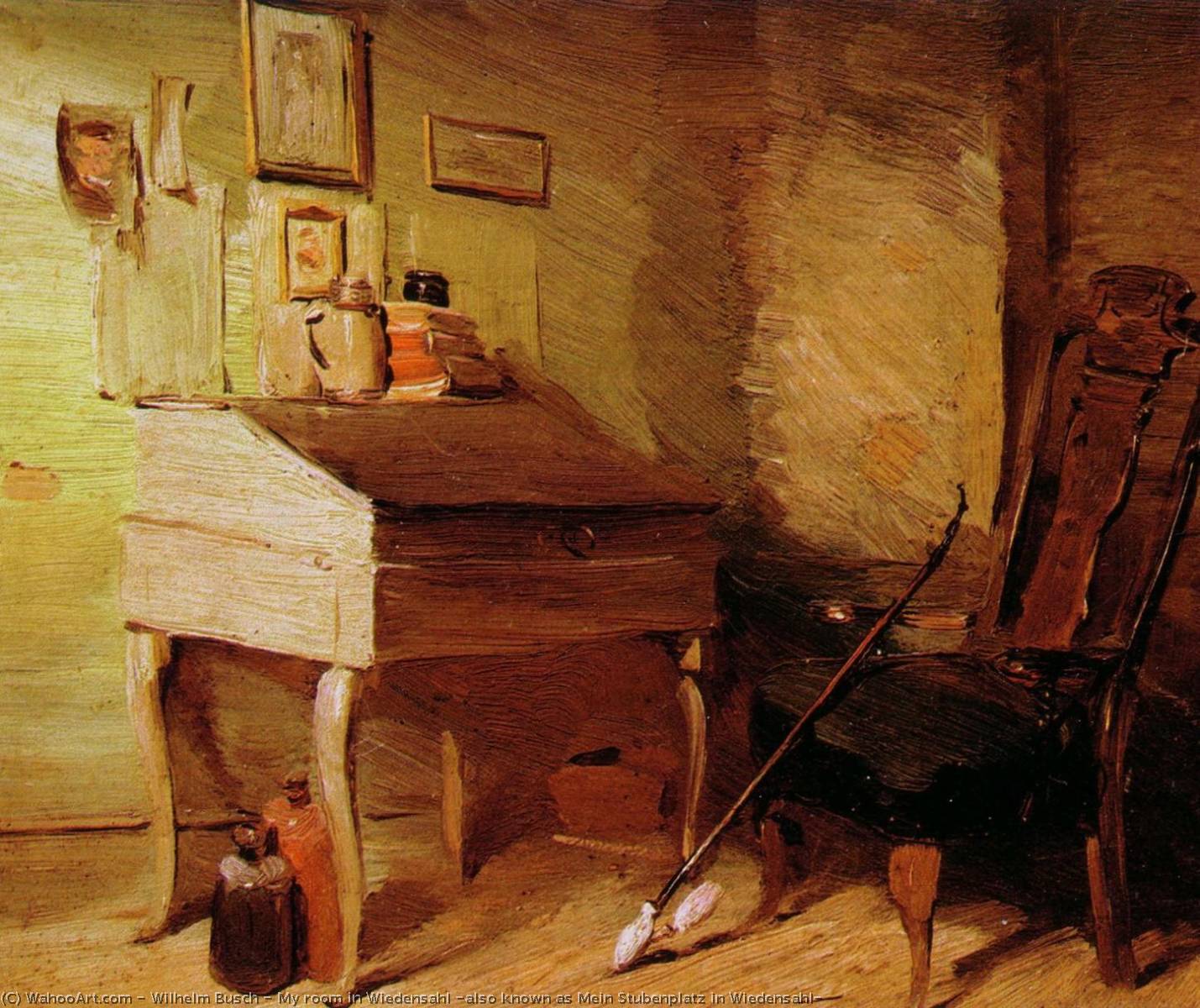
My room in Wiedensahl (also known as Mein Stubenplatz in Wiedensahl)

 Ver más
Adquiera una imagen digital de alta resolución y optimizada, muy superior a la vista previa en línea.
Cada archivo es preparado meticulosamente por nuestros especialistas internos mediante el uso de herramientas avanzadas y un experto retoque manual. Nos aseguramos de que cada imagen posea una claridad excepcional, una precisión cromática impecable y un detalle minucioso.
El archivo final se entrega por correo electrónico en un plazo de 72 horas, optimizado para su uso inmediato en entornos profesionales, editoriales y de impresión. Esta es la misma calidad en la que confían los estudios de diseño, las editoriales y las galerías de primer nivel.
Imagen Digital
Descarga un archivo de alta resolución para exhibición personal, impresión y proyectos creativos. ( Comprar impresión Comprar pintura hecha a mano)
Incluido en cada pedido de imágenes digitales
Entrega digital experta, garantizada.
Al elegir ArtsDot.com, no solo está adquiriendo una imagen; está recibiendo una obra de arte digital mejorada profesionalmente, elaborada con precisión y respaldada por una garantía de satisfacción. Esto es todo lo que incluye su pedido, automáticamente:

Entrega rápida por email
Recibirá su archivo de imagen digital en alta resolución por correo electrónico en un plazo de 72 horas tras realizar su pedido, listo para su uso inmediato.

Archivo digital optimizado por IA
Su obra de arte se optimiza profesionalmente mediante herramientas avanzadas de IA y edición manual, garantizando el máximo detalle, claridad y precisión cromática.

Reenvío gratuito de por vida
¿Has borrado o perdido tu archivo por error? No te preocupes: te lo volveremos a enviar en cualquier momento, sin coste adicional.

Sin gastos de importación, siempre
Disfrute de su obra de arte al instante sin aduanas, aranceles ni gastos de envío; las descargas digitales siempre están libres de impuestos.

Garantía de fidelidad de color
Garantizamos que su imagen digital refleje los colores originales con la mayor fidelidad posible, mediante el uso de herramientas profesionales y gestión del color.

Garantía de satisfacción de 60 días
Si no está satisfecho con su imagen digital, la revisaremos o le reembolsaremos el 100% en un plazo de 60 días, sin preguntas.

100% Garantía de devolución de dinero
¿No está satisfecho? Obtenga un reembolso completo dentro de los 60 días posteriores a la recepción de su archivo digital, sin necesidad de explicaciones.

Descuentos por pedidos grandes
Compra 3 imágenes, ahorra 10% - Compra 5, ahorra 15% - Compra 10+, ahorra 20%. Ideal para proyectos creativos, galerías y agencias.
Obras relacionadas





Biografía del artista
The Master of Satirical Lines: The Life and Legacy of Wilhelm Busch
In the quiet, thatched-roof village of Wiedensahl, amidst the humble surroundings of a family shop, a creative force was born that would forever alter the landscape of European visual storytelling. Heinrich Christian Wilhelm Busch, arriving on April 15, 1832, emerged from a devout Protestant lineage to become one of the most profound humorists and illustrators of his era. His early years were steeped in the rhythms of German provincial life, a setting that would later serve as both the canvas and the target for his sharp, satirical wit. As the eldest of seven children, Busch’s upbringing was marked by a blend of industriousness and religious devotion, yet it was his formal training at the prestigious academies of Düsseldorf, Antwerp, and Munich that provided him with the technical mastery required to transform simple sketches into enduring cultural icons.
Busch’s artistic evolution was characterized by an extraordinary ability to marry fine art technique with the burgeoning medium of mass-market illustration. He did not merely draw; he choreographed movement through a series of rapid, expressive scrawls that could capture the most fleeting of human emotions or the most chaotic of physical contortions. His Bilderbogen, or pictorial broadsheets, acted as vital precursors to the modern comic strip, utilizing wood engraving and later zincography to disseminate his biting social commentaries. Through these works, he explored the complexities of contemporary life, turning a keen eye toward the hypocrisies of Catholicism, the stifling nature of strict religious morality, and the pervasive spirit of Philistinism that gripped much of 19th-century society.
A Symphony of Verse and Visual Wit
What truly distinguished Busch from his contemporaries was his seamless integration of visual narrative and linguistic play. He was a master of "doggerel" verse—a style that, while appearing simple or even whimsical, possessed a rhythmic precision and a sharp, satirical edge. His comic texts were vibrant tapestries of language, rich with onomatopoeation and inventive neologisms that breathed life into his characters. This duality of poet and painter allowed him to create continuous pictorial narratives such as the legendary Max und Moritz. In these tales, the mischievous exploits of two young boys became a mirror for societal failings, blending dark humor with a profound understanding of human nature.
The impact of his work was so potent that it occasionally drew the ire of censors; his biting critiques of authority and religious bigotry led to certain works being banned by the powers of his time. Yet, this very controversy only served to cement his reputation as a fearless observer of the human condition. His influence rippled far beyond the borders of Germany, finding echoes in the development of international comic traditions. Most notably, the iconic American comic strip The Katzenjammer Kids drew direct inspiration from the anarchic energy of his Max und Moritz, proving that Busch’s brand of humor possessed a universal, timeless appeal.
Enduring Influence and Artistic Heritage
As the decades progressed, Wilhelm Busch’s significance transitioned from that of a popular illustrator to a foundational figure in Western European art and literature. His ability to convey complex psychological states through extreme simplicity remains a subject of study for artists and historians alike. The legacy he left behind is not merely found in museum archives but is actively preserved through institutions such as the Wilhelm Busch Museum and the biennial Wilhelm Busch Prize, which continues to honor excellence in humorous and satirical verse.
Reflecting on his monumental career, several key elements define his historical importance:
- Innovation in Medium: His pioneering use of pictorial broadsheets laid the essential groundwork for the modern comic strip format.
- Social Commentary: He utilized satire as a surgical tool to dissect and critique the religious and social rigidities of the 19th century.
- Linguistic Mastery: The creation of a unique, playful vocabulary through neologisms and rhythmic verse enriched the German literary tradition.
- Global Reach: His work transcended linguistic barriers, influencing generations of cartoonists and illustrators across the globe.
Though he passed away in 1908, the spirit of Wilhelm Busch remains vibrantly alive. He remains a towering figure whose work continues to provoke laughter, reflection, and a deeper understanding of the beautiful, often absurd, complexities of life.
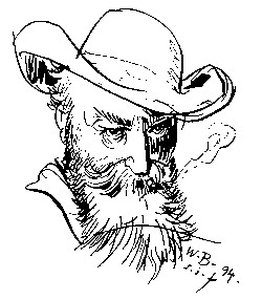
wilhelm busch
1832 - 1908

