

 Ver en contexto
 Enviar
 Compartir
 Detalles

 Descargar
 Similares
 Radiografía
 Presentación de diapositivas
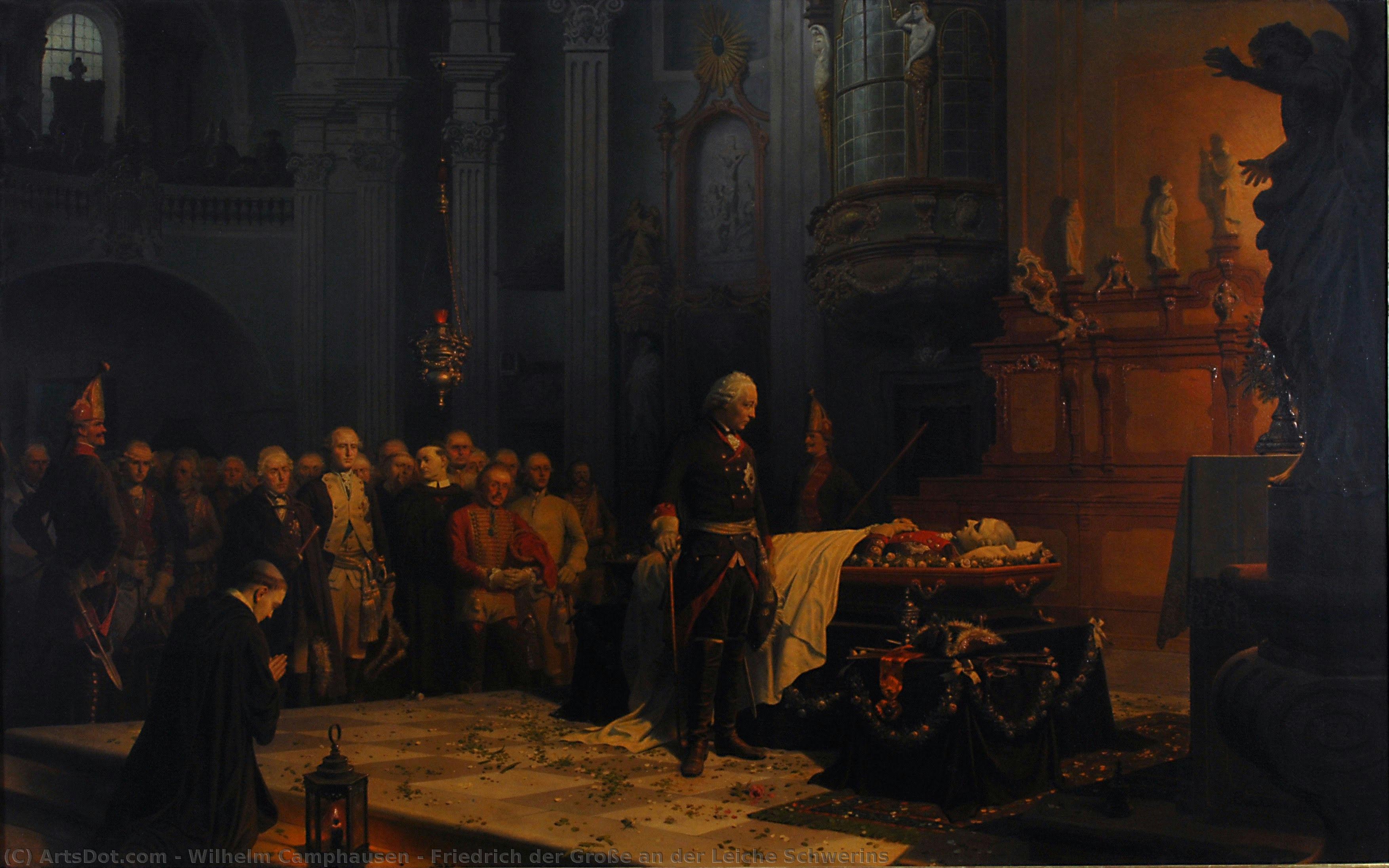
Friedrich der Große an der Leiche Schwerins
 1868
1868 157.0 x 251.0 cm
 Palacio Sanssouci
 Ver más
Reproducción al óleo hecha a mano
Óleo sobre lienzo pintado a mano en el tamaño y marco de su elección, realizado por encargo por nuestros artistas. ( Comprar impresión Comprar imagen)




































Elija entre nuestros tamaños predefinidos que respetan las proporciones originales de la obra.

Puede ingresar sus propias dimensiones para adaptarse a un marco o espacio específico. Si el tamaño seleccionado no coincide con las proporciones de la imagen original, recortaremos la obra o extenderemos la pintura con elementos adicionales pintados a mano. Se le enviará una maqueta digital para su aprobación antes de comenzar la producción.
Tenga en cuenta que la vista previa en pantalla no refleja el recorte o la extensión reales. Solo la maqueta mostrará con precisión la composición final.
Si bien existen tamaños personalizados, recomendamos seleccionar una dimensión de la lista predefinida para preservar las proporciones originales.
Tras realizar el pedido, el equipo de ArtsDot.com enviará un correo electrónico al cliente para solicitar instrucciones y proporcionarle una vista previa del boceto.
Envío a todo el mundo () en 3-4 semanas en lugar de las 5 semanas estándar. (3 septiembre). Sin comprometer la calidad.

Envío exprés gratuito a todo el mundo

Lienzo de lino de alta calidad

Seguro de envío total

Garantía de reembolso de impuestos aduaneros

Garantía de fidelidad cromática exacta

Política de devolución de 60 días (solo por defectos)

Garantía de devolución del 100% del dinero

Descuento por cantidad
 La opción de vidrio solo está disponible en tamaños inferiores a 110 cm.

Friedrich der Große an der Leiche Schwerins
Técnica de reproducción
Dimensiones de la reproducción
-


Precio total final
$ 263
Obras relacionadas







Biografía del artista
Wilhelm Camphausen: A Master of Prussian History
Wilhelm Camphausen, a name perhaps less familiar than some of his contemporaries, nevertheless holds a significant place in the history of German art. Born in Düsseldorf in 1818, he dedicated his life to capturing the drama and grandeur of historical events, particularly those intimately linked with Prussia’s military campaigns. His canvases aren't mere depictions of battles; they are meticulously crafted narratives imbued with patriotic fervor and a remarkable understanding of composition and light. Camphausen’s artistic journey was shaped by his early training under the tutelage of Alfred Rethel and Friedrich Wilhelm Schadow, both esteemed figures within the Düsseldorf School of Painting – an environment renowned for its emphasis on realism and historical subject matter. This formative period instilled in him a deep appreciation for detail, anatomical accuracy, and the ability to convey emotion through carefully rendered figures.Early Successes: The Flight of Tilly and Beyond
Camphausen’s rise to prominence was swift and impressive. His early works, such as *Flight of Tilly* (1841), immediately established his reputation for capturing the dynamism and chaos of battle scenes with remarkable skill. This painting, depicting the retreat of Tilly's forces after the Battle of Lechfeld, showcases Camphausen’s ability to create a sense of movement and urgency—the figures are not static representations but rather participants in a frenzied escape. Further solidifying his success was *Prince Eugene of Savoy at the Battle of Belgrade* (1843), now housed within the Cologne Museum. This piece, like many of Camphausen’s works, demonstrates a keen eye for detail and a masterful understanding of military tactics—Eugene's command is portrayed with authority and strategic precision. Later works, including *Flight of Charles II after the Battle of Worcester* (1846), now part of the Berlin National Gallery, continued to demonstrate his technical prowess and ability to evoke the emotional impact of historical moments.Academic Recognition and Wartime Service
In 1859, Camphausen received a prestigious appointment as professor of painting at the Düsseldorf Academy, a testament to his growing influence within the artistic community. This role afforded him considerable prestige and provided him with opportunities to mentor younger artists, shaping the direction of the Düsseldorf School. However, it was his involvement in military campaigns that truly cemented his legacy. During the Schleswig-Holstein War of 1864, Camphausen accompanied Prussian forces, meticulously documenting the unfolding events through a series of powerful paintings. His depiction of *Lines of Dybbøl after the Battle*, now residing in the Berlin National Gallery, stands as a particularly poignant example—it’s not simply a record of a military engagement but a visceral portrayal of the devastation and human cost of war. Even more significantly, Camphausen served as an official war artist during the Franco-Prussian War of 1870, capturing the intensity and drama of this pivotal conflict. His work during this period, including scenes like *The Siege of Metz*, became iconic representations of Prussian military might.Legacy and Influence
Wilhelm Camphausen’s legacy extends far beyond his individual works. He played a crucial role in shaping the artistic landscape of 19th-century Germany, particularly within the context of the Düsseldorf School of Painting. His emphasis on historical accuracy, combined with his dramatic flair and masterful use of light and shadow, profoundly influenced generations of artists who followed. His association with the Prussian military further elevated his status, aligning him with the ideals of patriotism and national pride that were prevalent during this era. While perhaps not as widely celebrated as some of his contemporaries, Wilhelm Camphausen remains a significant figure in German art history—a skilled painter whose canvases offer compelling glimpses into the dramatic events that shaped Prussia’s destiny. His work continues to be studied and admired for its technical brilliance, historical insight, and emotional resonance.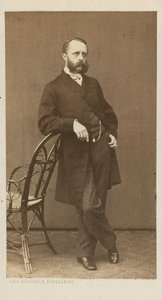
Wilhelm Camphausen
1818 - 1885 , Alemania
Datos clave
- Artistic Movement Or Style: Escuela de Düsseldorf
- Artists Or Movements Influenced By This Artist: ['Escuela de Düsseldorf']
- Artists Who Influenced This Artist:
- Alfred Rethel
- Schadow
- Date Of Birth: 1818-02-08
- Date Of Death: 1885-06-16
- Full Name: Wilhelm Camphausen
- Nationality: Germano
- Notable Artworks:
- Vuelo de Tilly
- Príncipe Eugenio Belgrado
- Carlos II Worcester
- Place Of Birth: Düsseldorf, Alemania

