

 Ver en contexto
 Enviar
 Compartir
 Detalles

 Descargar
 Similares
 Radiografía
 Presentación de diapositivas
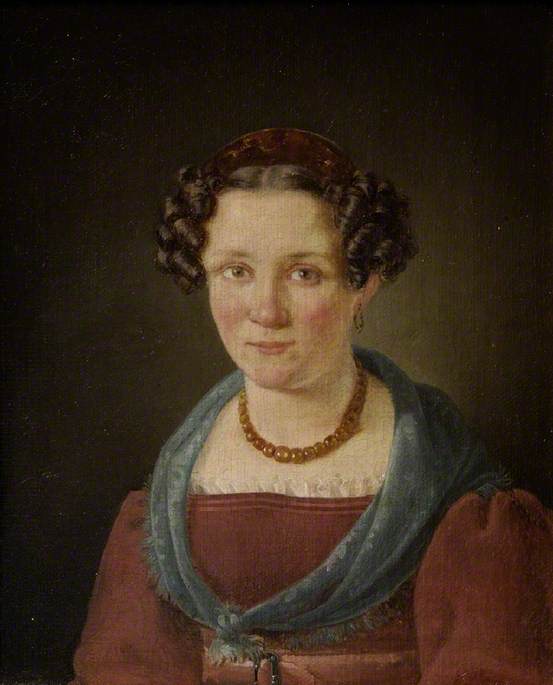
Portrait of a Woman
 Oil On Canvas
- WallArt
- Danish Golden Age
 23.0 x 19.0 cm
 Fitzwilliam College
 Ver más
Reproducción al óleo hecha a mano
Óleo sobre lienzo pintado a mano en el tamaño y marco de su elección, realizado por encargo por nuestros artistas. ( Comprar impresión Comprar imagen)




P118B $10

P118H $10

P118W $10

P438Z $10

P508JH $12

P508YH $12

P805H $10

P805Z $10

P919BZ $10

P919G $10

P919XJ $10

P959ZH $10

P968JZ $12

W106C $8

W218G $10

W218JH $8

W218Y $10

W307PJ $10

W316G $10

W316PJ $8

W316Y $10

W398PJ $8

W4111J $10

W500HY $15

W500JH $15

W692G $12

W849H $8

W940BG $15

W953PJ $8




Elija entre nuestros tamaños predefinidos que respetan las proporciones originales de la obra.

Puede ingresar sus propias dimensiones para adaptarse a un marco o espacio específico. Si el tamaño seleccionado no coincide con las proporciones de la imagen original, recortaremos la obra o extenderemos la pintura con elementos adicionales pintados a mano. Se le enviará una maqueta digital para su aprobación antes de comenzar la producción.
Tenga en cuenta que la vista previa en pantalla no refleja el recorte o la extensión reales. Solo la maqueta mostrará con precisión la composición final.
Si bien existen tamaños personalizados, recomendamos seleccionar una dimensión de la lista predefinida para preservar las proporciones originales.
Tras realizar el pedido, el equipo de ArtsDot.com enviará un correo electrónico al cliente para solicitar instrucciones y proporcionarle una vista previa del boceto.
Envío a todo el mundo () en 3-4 semanas en lugar de las 5 semanas estándar. (23 agosto). Sin comprometer la calidad.

Envío exprés gratuito a todo el mundo

Lienzo de lino de alta calidad

Seguro de envío total

Garantía de reembolso de impuestos aduaneros

Garantía de fidelidad cromática exacta

Política de devolución de 60 días (solo por defectos)

Garantía de devolución del 100% del dinero

Descuento por cantidad
 La opción de vidrio solo está disponible en tamaños inferiores a 110 cm.

Portrait of a Woman
Técnica de reproducción
Dimensiones de la reproducción
-


Precio total final
$ 263
Descripción de la obra
A Moment Frozen in Time: Wilhelm Ferdinand Bendz’s “Portrait of a Woman”
Wilhelm Ferdinand Bendz's "Portrait of a Woman," painted circa 1824, is more than just a likeness; it’s a carefully constructed tableau of quiet dignity and subtle emotion. This intimate portrait, now housed at the Fitzwilliam Museum in Cambridge, offers a glimpse into the burgeoning artistic circles of early 19th-century Denmark – a period marked by both Romantic idealism and a growing interest in capturing the nuances of everyday life. Bendz, a student of the renowned Christoffer Wilhelm Eckersberg, skillfully balances formal training with a distinctly personal style, evident in his masterful use of light and shadow to draw the viewer into the subject’s gaze.
The painting depicts a young woman, her identity deliberately obscured, yet radiating an undeniable sense of composure. She is positioned within a modestly furnished interior – a dark background emphasizing the softness of the light falling upon her face and dress. The palette is restrained, dominated by muted browns, creams, and blues, creating a harmonious and almost melancholic atmosphere. Bendz’s technique reveals a meticulous attention to detail; observe the delicate rendering of the fabric folds in her gown, the subtle play of light on her skin, and the careful brushstrokes that define her features. The composition is remarkably balanced, drawing the eye directly to her face – an expression of quiet contemplation, hinting at thoughts and experiences beyond the frame.
The Danish Golden Age and Artistic Influences
To understand “Portrait of a Woman,” it’s crucial to situate Bendz within the context of the Danish Golden Age. This period (roughly 1800-1840) witnessed an unprecedented flourishing of art, fueled by patronage from the royal family and a renewed interest in classical ideals. Eckersberg, Bendz's mentor, played a pivotal role in shaping this artistic landscape, advocating for a more naturalistic approach to painting – moving away from the rigid conventions of earlier eras. However, Bendz’s work also reveals influences from contemporary German painting, particularly the Munich School, which emphasized dramatic lighting and emotional intensity. This fusion of Danish idealism and German dynamism is what gives Bendz's portraits their unique character.
Bendz’s early life was marked by a tragic brevity. Born in Odense in 1804, he tragically died in Vicenza in 1832 at the age of 27. This premature death cut short a promising career, leaving behind a relatively small but remarkably accomplished body of work. Despite his limited output, Bendz’s portraits are celebrated for their psychological depth and technical brilliance – qualities that continue to resonate with viewers today.
Symbolism and Emotional Resonance
While the subject's identity remains enigmatic, her pose and expression invite interpretation. She is not presented as a dazzling beauty but rather as a woman of quiet strength and introspection. The dark background serves to heighten the sense of intimacy, drawing attention to her face and creating an aura of mystery. Some art historians suggest that the painting may be interpreted as a meditation on female virtue and resilience – qualities highly valued during this period.
The subtle details—the pearl necklace, the simple dress—speak volumes about her social standing and personal values. The overall effect is one of understated elegance and profound emotional depth. Bendz masterfully captures not just a likeness but also a fleeting moment of human experience – a silent conversation between subject and viewer.
A Timeless Masterpiece: Reproductions and Beyond
Reproductions of “Portrait of a Woman” offer an accessible way to appreciate the artistry of Wilhelm Ferdinand Bendz. Whether displayed in a private residence or a corporate setting, this painting’s evocative atmosphere and technical skill will undoubtedly captivate viewers. Consider framing options that complement the artwork's muted palette – warm wood tones or neutral colors would create a harmonious backdrop. The painting’s inherent beauty and historical significance make it an ideal choice for collectors seeking a piece of Danish art history with enduring appeal.
Obras relacionadas
Biografía del artista
Wilhelm Ferdinand Bendz: Una Biografía
- Nacido: 20 de marzo de 1804, Odense, Dinamarca
- Fallecido: 14 de noviembre de 1832, Vicenza, Imperio Austriaco (actualmente Italia)
- Nacionalidad: Danés
- Movimiento: Edad de Oro de la Pintura Danesa
Primeros Años y Formación Artística
- Bendz nació en Odense, en la isla de Fionia. Desde una edad temprana, demostró talento artístico y fue enviado a Copenhague para recibir formación formal.
- De 1820 a 1825, estudió en la Real Academia Danesa de Bellas Artes bajo Christoffer Wilhelm Eckersberg, una figura clave en la pintura danesa.
- En 1825, Bendz intentó ganar la prestigiosa medalla de oro para la pintura histórica pero no tuvo éxito. Posteriormente, se centró en retratos y escenas de género.
- Probablemente absorbió influencias de la pintura alemana contemporánea, particularmente la Escuela de Múnich, lo que impactó su estilo artístico.
Carrera Destacada y Desarrollo Artístico
- Después de graduarse, Bendz expuso regularmente en Charlottenborg, ganando reconocimiento por sus obras. La Colección Real de Pinturas adquirió varias de sus pinturas, incluyendo "Clase de Modelos en la Academia de Arte", "Un Joven Artista Mirando un Boceto a Través de un Espejo" y “Un Escultor Trabajando con un Modelo Vivo”.
- Trabajó como asistente en el estudio de Eckersberg, realizando tareas como la reconstrucción de pinturas históricas y la creación de copias.
- En 1830, Bendz recibió una beca de viaje que le permitió emprender un viaje por Europa del Sur. Pasó aproximadamente un año en Múnich, un vibrante centro artístico de la época.
- Su obra más significativa de este período es "Artista por la Tarde en el Café Finck de Múnich", un retrato de grupo que muestra su estilo en evolución y sus habilidades de observación.
Estilo Artístico e Influencias
- Influencias: Bendz estuvo fuertemente influenciado por Christoffer Wilhelm Eckersberg, adoptando su énfasis en la observación directa, el renderizado preciso y la claridad de composición. La Escuela de Múnich también jugó un papel en la configuración de su visión artística.
- Características del Estilo: Sus pinturas se caracterizan por una iluminación sofisticada, composiciones complejas y representaciones realistas de la vida cotidiana, particularmente escenas que involucran a artistas y sus colegas. Destacó en la representación de entornos interiores con cuidadosa atención a la luz y la sombra.
- Virtuosismo Técnico: Bendz demostró virtuosismo técnico en sus representaciones de fuentes de luz y las sombras resultantes, agregando profundidad y realismo a sus obras.
Legado y Significado Histórico
- A pesar de una carrera relativamente corta truncada por su temprana muerte a la edad de 28 años, Wilhelm Ferdinand Bendz es recordado como uno de los artistas más talentosos de su generación.
- Sus pinturas ofrecen valiosas perspectivas sobre los círculos artísticos y la vida cotidiana de los artistas daneses durante la Edad de Oro.
- La capacidad de Bendz para combinar el retrato, las escenas de género y los elementos alegóricos muestra su ambición y versatilidad artística.
- Obras clave como "Artista por la Tarde en el Café Finck de Múnich" continúan siendo admiradas por su habilidad técnica y su íntima representación de la vida artística.
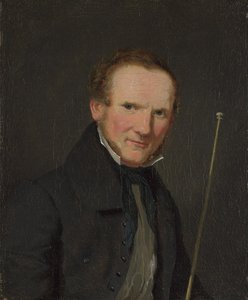
Wilhelm Ferdinand Bendz
1804 - 1832 , Dinamarca
Datos clave
- Artistas Que Influyeron: ['Christoffer Wilhelm Eckersberg']
- Fecha De Fallecimiento: 14 de noviembre de 1832
- Fecha De Nacimiento: 20 de marzo de 1804
- Lugar De Nacimiento: Odense, Dinamarca
- Movimiento Artístico: Edad de Oro Danesa
- Nacionalidad: Danés
- Nombre Completo: Wilhelm Ferdinand Bendz
- Obras Notables:
- Clase de modelo en la Academia
- Un artista joven mirando un boceto
- Artista por la tarde en Finck
- Fiesta de tabaco
Artículos relacionados

The Enduring Legacy of Oil on Canvas: Technique, History & Aesthetic Impact
Explore the rich history & techniques of oil painting – from Renaissance masters to Impressionism. Discover pigments, layering methods, and why this timeless medium endures. Expert insights for artists & art enthusiasts.
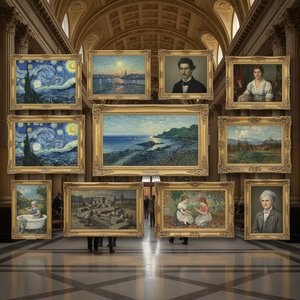
El Siglo XIX en el Arte: 10 Obras Maestras para Decorar con Historia y Estilo
Descubre 10 obras maestras del siglo XIX: Monet, Goya y más. Explora el impresionismo, realismo y romanticismo que definieron una época. Encuentra reproducciones de arte exclusivas para decorar tu hogar con estilo en ArtsDot.com.

El Óleo sobre Lienzo: Historia, Técnica y la Persistencia de un Medio Artístico Atemporal
Descubre la historia y técnica del óleo sobre lienzo. Explora reproducciones fieles hechas a mano, personalización artística y consejos de expertos con ArtsDot. ¡Colecciona arte con confianza!

The Enduring Power of Painting: A Historical & Contemporary Exploration of Form and Emotion
Explore the rich history & enduring techniques of oil painting with ArtsDot. Discover masterpieces, learn about art collecting, and find authentic handmade reproductions crafted by skilled artists.

El Legado Duradero del Óleo sobre Lienzo: Técnica, Historia y Práctica Contemporánea
Descubre la historia y técnica del óleo sobre lienzo. Explora reproducciones fieles hechas a mano, personalización artística y consejos de expertos con .

