

 Enviar
 Compartir
 Detalles

 Descargar
 Similares
 Presentación de diapositivas
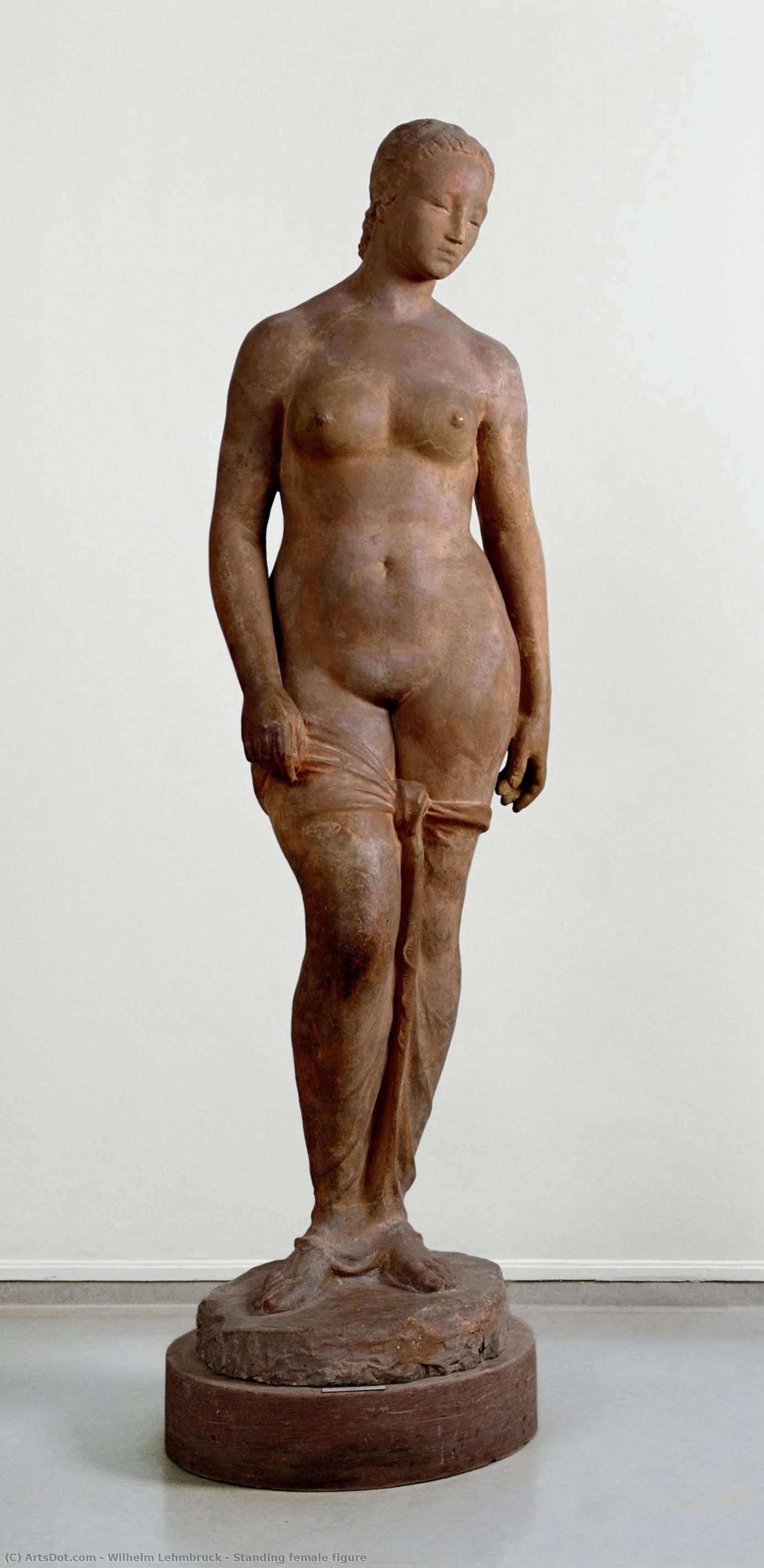
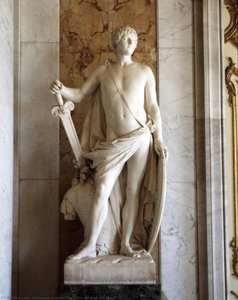
Standing female figure
 Cement
- Expressionism
 1910
1910 193.0 x 52.0 cm
 Museo Kröller-Müller
 Ver más
Giclée / Impresión de arte
Impresiones giclée o en lienzo de calidad de museo con producción rápida y opciones de acabado flexibles. ( Comprar pintura hecha a mano Comprar imagen)




































Elija entre nuestros tamaños predefinidos que respetan las proporciones originales de la obra.

Puede introducir sus propias dimensiones para adaptarse a un marco o espacio específico. Si el tamaño seleccionado no coincide con las proporciones de la imagen original, recortaremos la obra de arte o extenderemos la imagen con un borde con efecto espejo o de color sólido. Se enviará una maqueta digital para su aprobación antes de que comience la producción.
Tenga en cuenta que la vista previa en pantalla no refleja el recorte o la extensión real. Solo la maqueta mostrará con precisión la composición final.
Aunque existen tamaños personalizados, recomendamos seleccionar una dimensión de la lista predefinida para preservar las proporciones originales.
Envío a todo el mundo () en 2 semanas en lugar de las 4/5 semanas estándar. (7 septiembre)

Envío exprés gratuito a todo el mundo

Lienzo de lino de alta calidad

Seguro de envío total

Garantía de reembolso de impuestos aduaneros

Garantía de fidelidad cromática exacta

Política de devolución de 100 días (solo por defectos)

Garantía de devolución del 100% del dinero

Descuento por cantidad
 La opción de vidrio solo está disponible en tamaños inferiores a 110 cm.

Standing female figure
Giclée / Impresión de arte
Dimensiones de la reproducción
-


Precio total final
$ 62
The Poise of Melancholy: An Encounter with Lehmbruck's Standing Figure
To stand before Wilhelm Lehmbruck’s Standing female figure is to encounter a moment suspended between repose and profound introspection. This sculpture, dating from 1910, captures the essence of early twentieth-century emotional depth, moving beyond mere representation into the realm of palpable feeling. The woman depicted possesses an undeniable, almost ethereal calm; her posture is relaxed, yet every curve speaks of an inner narrative. Her slightly tilted head and closed eyes invite the viewer not merely to look at the statue, but to peer into a private, silent contemplation that feels both universal and deeply personal.
Materiality and Form: The Sculptural Language
The choice of material—cement in this rendition—is significant. While Lehmbruck worked across various media, including marble and plaster, the use of cement allowed him to achieve a structural integrity while retaining the delicate surface quality he sought. This particular piece showcases his mastery over form, giving the figure an elegant, almost monumental presence despite its inherent stillness. The smooth, cool texture suggested by the stone-like appearance grounds the ethereal subject in tangible reality. It is a study in controlled grace, where the weight of the material seems to harmonize with the lightness of the pose.
Historical Echoes and Emotional Resonance
Lehmbruck’s artistic journey was one marked by intense emotional currents. Trained initially in Düsseldorf, his exposure to masters like Rodin and Maillol shaped a style that balanced naturalism with burgeoning modern expressionism. While this 1910 piece predates the trauma of the Great War, it already hints at the vulnerability that would define his later work. The sculpture embodies a quiet melancholy—a sophisticated emotional register that speaks to the anxieties and profound introspection characteristic of the turn of the century art world. It is a beautiful meditation on human solitude.
Integrating Art into Modern Living Spaces
For the discerning collector or designer, this piece offers more than mere ornamentation; it provides an atmospheric anchor for any room. Imagine its presence against a backdrop of rich textiles or minimalist architecture. The subtle drama inherent in the figure’s downward gaze draws the eye and encourages a pause—a moment of quiet reflection within the hustle of daily life. A reproduction allows one to bring this sophisticated, emotionally resonant piece into your home, transforming a space into a sanctuary steeped in artistic contemplation.
Obras relacionadas


Biografía del artista
Wilhelm Lehmbruck: Sculptor of Melancholy and Modern Expression
Wilhelm Lehmbruck (1881-1919) stands as a pivotal figure in German sculpture, embodying the spirit of Expressionism while retaining an undeniable connection to Naturalistic principles. Born in Duisburg, Germany—the fourth child of a miner—his formative years instilled within him a profound awareness of human suffering and resilience, themes that would permeate his artistic output throughout his tragically short life. Lehmbruck’s journey into art began with studies at the School of Applied Arts in Düsseldorf, fueled by a generous municipal stipend, allowing him to pursue his passion for sculpture alongside broader artistic explorations. His early career saw him establishing himself as an illustrator for scientific publications, honing his observational skills and developing a meticulous attention to detail—qualities that would prove invaluable later in his sculptural endeavors. Formal training at the Düsseldorf Art Academy solidified his grounding in academic tradition, yet he swiftly embraced the burgeoning avant-garde movement of Expressionism, profoundly influenced by Auguste Rodin’s emotive sculptures and embarking on extensive travels across Europe – England, Italy, the Netherlands, and Paris – seeking inspiration from diverse artistic landscapes. These expeditions broadened his perspective and fostered a deep appreciation for both classical aesthetics and contemporary psychological depth. He was particularly captivated by Rodin's ability to convey emotion through form—a fascination that would become central to Lehmbruck’s own sculptural practice. Marriage to Anita Kaufmann in 1907 brought him familial happiness, resulting in three sons, shaping his life beyond the realm of art. Lehmbruck’s artistic trajectory gained momentum with exhibitions at the Deutsche Kunstausstellung in Cologne (1906), marking his debut on the German art scene and establishing connections within influential circles. His fascination with Rodin's expressive figures propelled him to delve into the complexities of human emotion, translating these observations into powerfully evocative sculptures that capture moments of profound contemplation and vulnerability. He frequented the Café du Dôme in Paris, engaging in stimulating conversations with fellow sculptors like Modigliani, Brâncuși, and Archipenko—artists who similarly wrestled with capturing inner states through form and material. During World War I, Lehmbruck served as a paramedic at Berlin’s military hospital, witnessing firsthand the horrors of conflict and experiencing the devastating impact on human beings. This harrowing experience profoundly impacted his artistic sensibilities, informing his later sculptures – notably “Fallen Man” (1915-16) – which powerfully convey themes of despair and loss through elongated figures rendered in concrete and bronze. Recognizing the debilitating effects of depression, Lehmbruck sought refuge from the war’s turmoil by relocating to Zürich at the end of 1916, where he collaborated on Franz Pfemfert's Aktion project with socialist L. Rubiner. His dedication to artistic pursuits culminated in his election to the Prussian Academy of Arts in Berlin in early 1919—a testament to his recognition as a leading sculptor of his time. Tragically, Lehmbruck succumbed to suicide on March 25, 1919, leaving behind an enduring legacy of sculptural innovation and artistic sensitivity. Lehmbruck’s sculptures predominantly focus on the human body, prioritizing naturalism alongside Expressionist techniques. His works—including female nudes—are characterized by a palpable sense of melancholy and an elongation of form reminiscent of Gothic architecture—a deliberate stylistic choice intended to convey both physical vulnerability and spiritual contemplation. He skillfully utilized materials like concrete and bronze to achieve remarkable textural qualities, capturing subtle nuances of emotion and gesture with breathtaking precision. Lehmbruck’s influence extends beyond his immediate contemporaries; he served as a mentor to younger sculptors and contributed significantly to the development of Modern Art in Germany. His enduring appeal lies in his ability to distill complex psychological states into strikingly simple yet profoundly expressive forms—a feat that continues to inspire artists today. The Lehmbruck Museum in Düsseldorf stands as a poignant reminder of his artistic vision and offers visitors an unparalleled opportunity to engage with his transformative sculptures.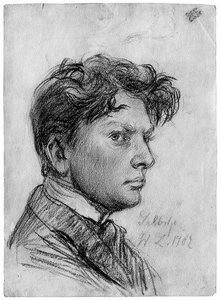
Wilhelm Lehmbruck
1881 - 1919 , Alemania
Datos clave
- Artistic Movement Or Style: Expresionismo
- Artists Or Movements Influenced By This Artist: ['Ludwig Mies van der Rohe']
- Artists Who Influenced This Artist: ['Auguste Rodin']
- Date Of Birth: 4 enero 1881 Meiderich
- Date Of Death: 25 marzo 1919
- Full Name: Wilhelm Lehmbruck
- Nationality: Alemania
- Notable Artworks:
- Hombre caído
- Mujer sentada
- Place Of Birth: Duisburg, Alemania
Artículos relacionados

Esculturas de Bronce Legendarias: 10 Obras Maestras que Transformaron el Arte | ArtsDot
Descubre las 10 esculturas de bronce más legendarias que revolucionaron el arte. Explora la historia de Rodin, Degas y otros maestros del bronce. Encuentra reproducciones de alta calidad e inspiración para tu hogar en ArtsDot.com.

Las 10 Obras Maestras de Bronce que Revolucionaron la Historia del Arte | ArtsDot
Descubre las 10 esculturas de bronce más influyentes de la historia del arte. Explora obras maestras de Rodin, Degas y otros genios. Encuentra reproducciones de arte de calidad museo en ArtsDot.com.

The Enduring Form: Exploring Themes & Techniques in Sculpture Across Historical Periods
Explore the rich history of sculpture from ancient masterpieces to contemporary innovations. Discover key techniques, influential artists & investment potential for discerning art collectors.

The Enduring Form: Sculpture Across History, Technique & Emotional Resonance
Explore the rich history of sculpture with ArtsDot. Discover key techniques, influential artists & investment potential for discerning collectors. Expert insights into valuing and collecting timeless masterpieces.
El Legado Duradero de la Escultura en Bronce: Historia, Técnicas e Interpretaciones Contemporáneas
Descubra la historia, las técnicas y el valor de la escultura en bronce. Guía experta para coleccionistas e inversores. Explore obras maestras y aprenda sobre fundición a la cera perdida.