 Vista previa
 Compartir
 Compartir
 Ver detalles

 Descargar
 Ver similares
 Radiografía
 Presentación de diapositivas
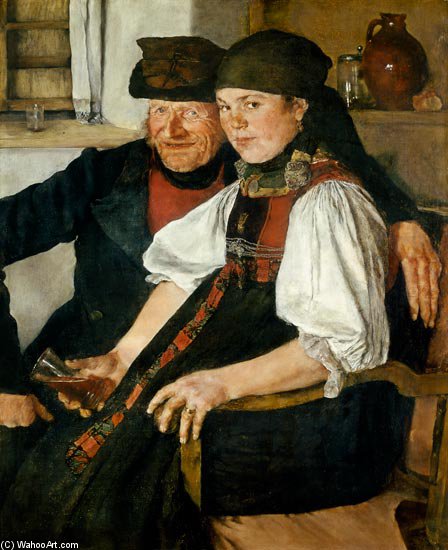
The Dissimilar Couple
 Leer más
Reproducción al óleo hecha a mano
Óleo sobre lienzo pintado a mano en el tamaño y marco de su elección, realizado por encargo por nuestros artistas. ( Pedir impresión Comprar descarga)




































Elija entre nuestros tamaños predefinidos que respetan las proporciones originales de la obra.

Puede ingresar sus propias dimensiones para adaptarse a un marco o espacio específico. Si el tamaño seleccionado no coincide con las proporciones de la imagen original, recortaremos la obra o extenderemos la pintura con elementos adicionales pintados a mano. Se le enviará una maqueta digital para su aprobación antes de comenzar la producción.
Tenga en cuenta que la vista previa en pantalla no refleja el recorte o la extensión reales. Solo la maqueta mostrará con precisión la composición final.
Si bien existen tamaños personalizados, recomendamos seleccionar una dimensión de la lista predefinida para preservar las proporciones originales.
Tras realizar el pedido, el equipo de ArtsDot.com enviará un correo electrónico al cliente para solicitar instrucciones y proporcionarle una vista previa del boceto.
Envío a todo el mundo () en 3-4 semanas en lugar de las 5 semanas estándar. (20 agosto). Sin comprometer la calidad.

Envío exprés gratuito a todo el mundo

Lienzo de lino de alta calidad

Seguro de envío completo

Garantía de reembolso de aranceles aduaneros

Garantía de fidelidad cromática exacta

Política de devolución de 60 días (solo por defectos)

Garantía de devolución del 100% del dinero

Oferta por volumen
 La opción de vidrio solo está disponible en tamaños inferiores a 110 cm.

The Dissimilar Couple
Técnica de reproducción
Tamaño de la reproducción
-


Precio total
$ 263
Obras relacionadas
Biografía del artista
A Life Rooted in Realism: Wilhelm Leibl and the Depiction of Bavarian Existence
Wilhelm Maria Hubertus Leibl, born in Cologne in 1844, emerged as a pivotal figure in German painting during a period grappling with artistic identity. His father’s position as director of the cathedral choir instilled an early appreciation for discipline and form, yet Leibl's path wasn’t immediately destined for canvas. An apprenticeship to a locksmith preceded his formal artistic training under Hermann Becker in 1861, signaling a pragmatic grounding before embracing creative pursuits. This initial experience perhaps contributed to the solidity and directness that would later characterize his work. In 1864, he entered the Munich Academy, immersing himself in the established art world but soon seeking alternatives to prevailing Romantic sensibilities. His studies with artists like Carl Theodor von Piloty provided technical foundation, yet it was the arrival of Gustave Courbet in Munich around 1869 that proved truly transformative.The Influence of Courbet and the Pursuit of ‘Alla Prima’
Courbet's exhibition and demonstrations of *alla prima* painting – working directly from nature with bold, immediate brushstrokes – resonated deeply with Leibl and a cohort of young German artists. This approach liberated them from the meticulous academic style then dominant, encouraging a more visceral connection to their subjects. Leibl’s existing admiration for Dutch Old Masters, particularly their mastery of light and character, found new expression through Courbet's influence. His paintings began to loosen in style, embracing thicker applications of paint against darker backgrounds, capturing fleeting moments with an unprecedented immediacy. A brief sojourn to Paris in 1869, facilitated by Courbet’s suggestion, introduced Leibl to Édouard Manet, further broadening his artistic horizons. However, the outbreak of the Franco-Prussian War forced a premature return to Germany in 1870, curtailing what might have been an extended period of Parisian immersion. Leibl's unwavering dedication to portraying reality as he perceived it—without embellishment or pretense—earned him recognition as a leading figure in German art. He became the central influence for a group known as the “Leibl-Kreis” (Leibl Circle), which included artists such as Carl Schuch, Wilhelm Trübner, Otto Scholderer, and Hans Thoma. These artists shared Leibl’s commitment to realism and his rejection of academic conventions. His technique allowed him to paint fluidly and broadly while maintaining meticulous attention to detail—a hallmark of his distinctive style.Bavarian Landscapes and the Essence of Peasant Life
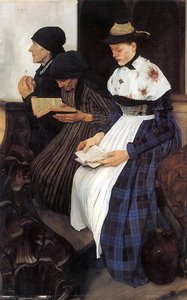
In 1873, Leibl deliberately distanced himself from Munich’s artistic center, seeking solitude and authenticity in the isolated Bavarian countryside. This pivotal decision profoundly shaped his artistic trajectory. He devoted himself to depicting the lives of local peasants—not with romanticized idealism but with unflinching realism. He eschewed sentimentality or anecdotal storytelling, instead focusing on capturing the dignity and hardship inherent in their daily existence. The sketchlike quality of his earlier paintings gave way to greater precision and meticulous observation. Living in Berbling from 1878 to 1882, he produced some of his most celebrated works—including *Three Women in Church*, now housed at the Kunsthalle Hamburg—a masterpiece embodying his intensely realistic style and recalling Hans Holbein’s masterful use of light and shadow. Leibl's artistic vision remained steadfast throughout his life. He continued to explore themes of rural existence, capturing the subtle nuances of human emotion and the beauty of the natural world with unwavering conviction. His legacy endures as a testament to the transformative power of observation and the enduring relevance of realism—a style that continues to inspire artists today. Leibl died in Würzburg in 1900, leaving behind a body of work that stands as a cornerstone of German Realism and a poignant reflection on the human condition.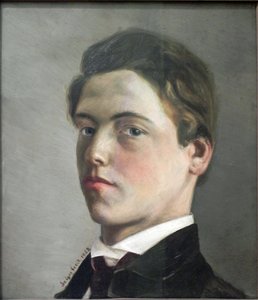
wilhelm maria hubertus leibl
1844 - 1900 , Alemania
Datos clave
- Artistic Movement Or Style: Realismo
- Artists Who Influenced This Artist:
- Gustave Courbet
- Hans Holbein
- Date Of Birth: 23 octubre 1844
- Date Of Death: 4 diciembre 1900
- Full Name: Wilhelm Maria Hubertus Leibl
- Nationality: Alemania
- Notable Artworks:
- Tres Mujeres en Iglesia
- Friedrich rauert
- La hilvana
- Place Of Birth: Colonia, Alemania