

 Ver en contexto
 Enviar
 Compartir
 Detalles

 Descargar
 Similares
 Radiografía
 Presentación de diapositivas
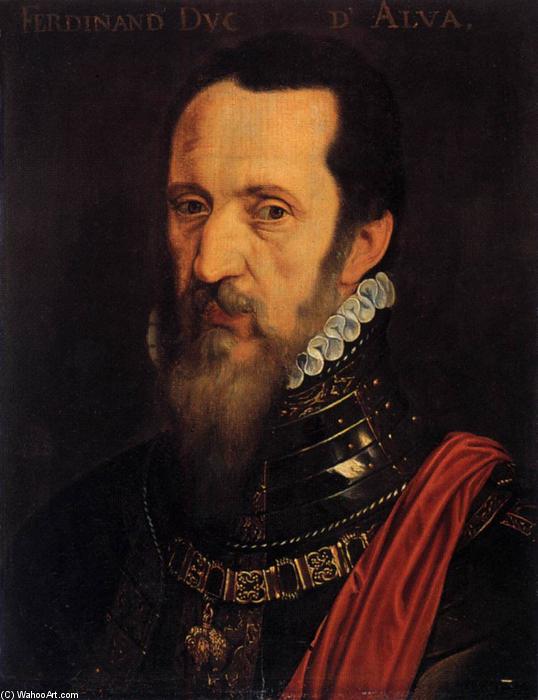
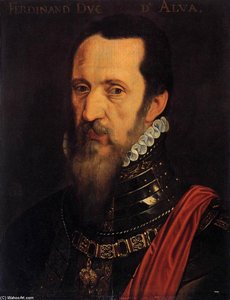
Portrait of Ferdinand Alvarez de Toledo
 49.0 x 38.0 cm
 Rijksmuseum
 Ver más
Reproducción al óleo hecha a mano
Óleo sobre lienzo pintado a mano en el tamaño y marco de su elección, realizado por encargo por nuestros artistas. ( Comprar impresión Comprar imagen)




































Elija entre nuestros tamaños predefinidos que respetan las proporciones originales de la obra.

Puede ingresar sus propias dimensiones para adaptarse a un marco o espacio específico. Si el tamaño seleccionado no coincide con las proporciones de la imagen original, recortaremos la obra o extenderemos la pintura con elementos adicionales pintados a mano. Se le enviará una maqueta digital para su aprobación antes de comenzar la producción.
Tenga en cuenta que la vista previa en pantalla no refleja el recorte o la extensión reales. Solo la maqueta mostrará con precisión la composición final.
Si bien existen tamaños personalizados, recomendamos seleccionar una dimensión de la lista predefinida para preservar las proporciones originales.
Tras realizar el pedido, el equipo de ArtsDot.com enviará un correo electrónico al cliente para solicitar instrucciones y proporcionarle una vista previa del boceto.
Envío a todo el mundo () en 3-4 semanas en lugar de las 5 semanas estándar. (31 agosto). Sin comprometer la calidad.

Envío exprés gratuito a todo el mundo

Lienzo de lino de alta calidad

Seguro de envío total

Garantía de reembolso de impuestos aduaneros

Garantía de fidelidad cromática exacta

Política de devolución de 60 días (solo por defectos)

Garantía de devolución del 100% del dinero

Descuento por cantidad
 La opción de vidrio solo está disponible en tamaños inferiores a 110 cm.

Portrait of Ferdinand Alvarez de Toledo
Técnica de reproducción
Dimensiones de la reproducción
-


Precio total final
$ 263
Obras relacionadas




Biografía del artista
Willem Adriaensz Key: The Painter of Intrigue and Divine Light
Willem Adriaensz Key, a name largely obscured by the passage of centuries yet resonant with the drama of his era, was a pivotal figure in 16th-century Flemish painting. Born in Breda around 1516 and tragically dying in Antwerp in 1568, Key’s life intertwined with political turmoil, artistic innovation, and a profound sense of betrayal – themes that powerfully informed his distinctive oeuvre. He wasn't merely a painter; he was a witness to the shifting sands of power, a master of capturing both outward grandeur and subtle psychological depth, and ultimately, a victim of circumstance whose legacy endures through his remarkable works.
Key’s artistic journey began under the tutelage of Pieter Coecke van Aelst in Antwerp, a renowned humanist painter known for his vibrant colors and classical influences. He later benefited from the instruction of Frans Floris, a master of theatrical group portraits, and Lambert Lombardus in Liège, absorbing diverse styles and techniques. This varied training laid the foundation for Key’s own distinctive approach – one that blended the formality of courtly portraiture with an increasingly expressive use of light and shadow, anticipating the dramatic realism of later masters. His admission to the Guild of St. Luke in Antwerp in 1540 marked his official entry into the professional art world, a period during which he established himself as a respected artist and a man of considerable wealth, residing in a grand house near the city’s bustling exchange.
The Last Supper of Dordrecht: A Masterpiece Forged in Shadow
Key's most celebrated work, undoubtedly, is the monumental ‘Last Supper’ (Het Laatste Avondmaal) painted in 1560 for the Grote Kerk (Great Church) in Dordrecht. This painting isn’t simply a depiction of Christ’s final meal; it’s a carefully constructed narrative brimming with symbolism and intrigue. The composition, remarkably innovative for its time, features Christ at the center, surrounded by his disciples – but not in a static, formal arrangement. Instead, they are engaged in animated conversation, their gestures and expressions conveying a palpable sense of drama and emotion. The use of light is particularly striking, illuminating key figures while casting others into shadow, creating a dynamic interplay between clarity and mystery.
The painting’s genesis is shrouded in speculation, but compelling theories suggest a connection to the burgeoning Calvinist movement and the political machinations of the Duke of Alba. Local legend – widely circulated by Karel van Mander in his biography – recounts that Key overheard a plot against prominent figures like Egmont and Hoorn while working on the portrait of the Duke. Driven by a sense of betrayal, he reportedly died shortly after, mirroring the tragic fate of those he had witnessed plotting their demise. While debated as potentially apocryphal, this tale underscores the painting’s potent symbolism – a visual representation of treachery, divine judgment, and the consequences of human ambition.
Interestingly, van Mander also noted that many of Key's paintings were destroyed during the Beeldenstorm (Iconoclastic Fury) of 1566, a period of religious upheaval in the Netherlands. This destruction highlights the precariousness of artistic expression under increasing religious pressure and underscores the importance of surviving works like the ‘Last Supper’ as testaments to Key’s skill and vision.
Portraits of Power: A Courtier's Eye
Beyond the dramatic narrative of the ‘Last Supper,’ Key was a highly accomplished portraitist. His portraits, often characterized by their flattering compositions and meticulous attention to detail, were commissioned by wealthy merchants, civic officials, and members of the nobility. These works offer valuable insights into the social and political landscape of Antwerp during his time. Key’s ability to capture not only physical likeness but also a sense of personality – a subtle hint of character or status – made him a sought-after artist among the elite.
A particularly noteworthy example is his portrait of Fernando Álvarez de Toledo, Duke of Alba. This painting exemplifies Key's skill in creating portraits that were both visually impressive and subtly revealing. The composition, with the Duke seated in a commanding pose, conveys an aura of authority and power. However, closer examination reveals a certain tension in the Duke’s expression – a hint of unease or apprehension that suggests a deeper complexity beneath the surface.
Legacy and Influence
Despite his untimely death and the loss of many of his works during the Beeldenstorm, Willem Adriaensz Key left an enduring mark on Flemish painting. His innovative compositions, masterful use of light and shadow, and psychological insight influenced a generation of artists. He is considered a pivotal figure in the transition from the late Gothic to the early Renaissance style, bridging the gap between traditional formality and emerging realism. His work served as a model for later masters, including Rubens, who adopted many of Key’s techniques and compositional strategies. Today, his paintings are treasured works of art, offering a captivating glimpse into the drama and beauty of 16th-century Flanders.
Key's story is not just one of artistic achievement; it’s a poignant tale of ambition, betrayal, and the enduring power of art to capture both the grandeur and the darkness of human experience. His legacy continues to resonate, reminding us that even in the shadows of history, the voices of talented artists can still be heard.
willem adriaensz key
1516 - 1568
Datos clave
- Artistic Movement Or Style: Renaissance Painting
- Artists Or Movements Influenced By This Artist:
- Rubens
- Frans Floris
- Artists Who Influenced This Artist:
- Pieter Coecke van Aelst
- Lambert Lombardus
- Date Of Birth: 1516
- Date Of Death: 1568
- Full Name: Willem Adriaensz Key
- Nationality: Flemish
- Notable Artworks:
- Last Supper Dordrecht
- Portrait of the Duke of Alba
- Place Of Birth: Breda, Netherlands

