

 Ver en contexto
 Enviar
 Compartir
 Detalles

 Descargar
 Similares
 Radiografía
 Presentación de diapositivas
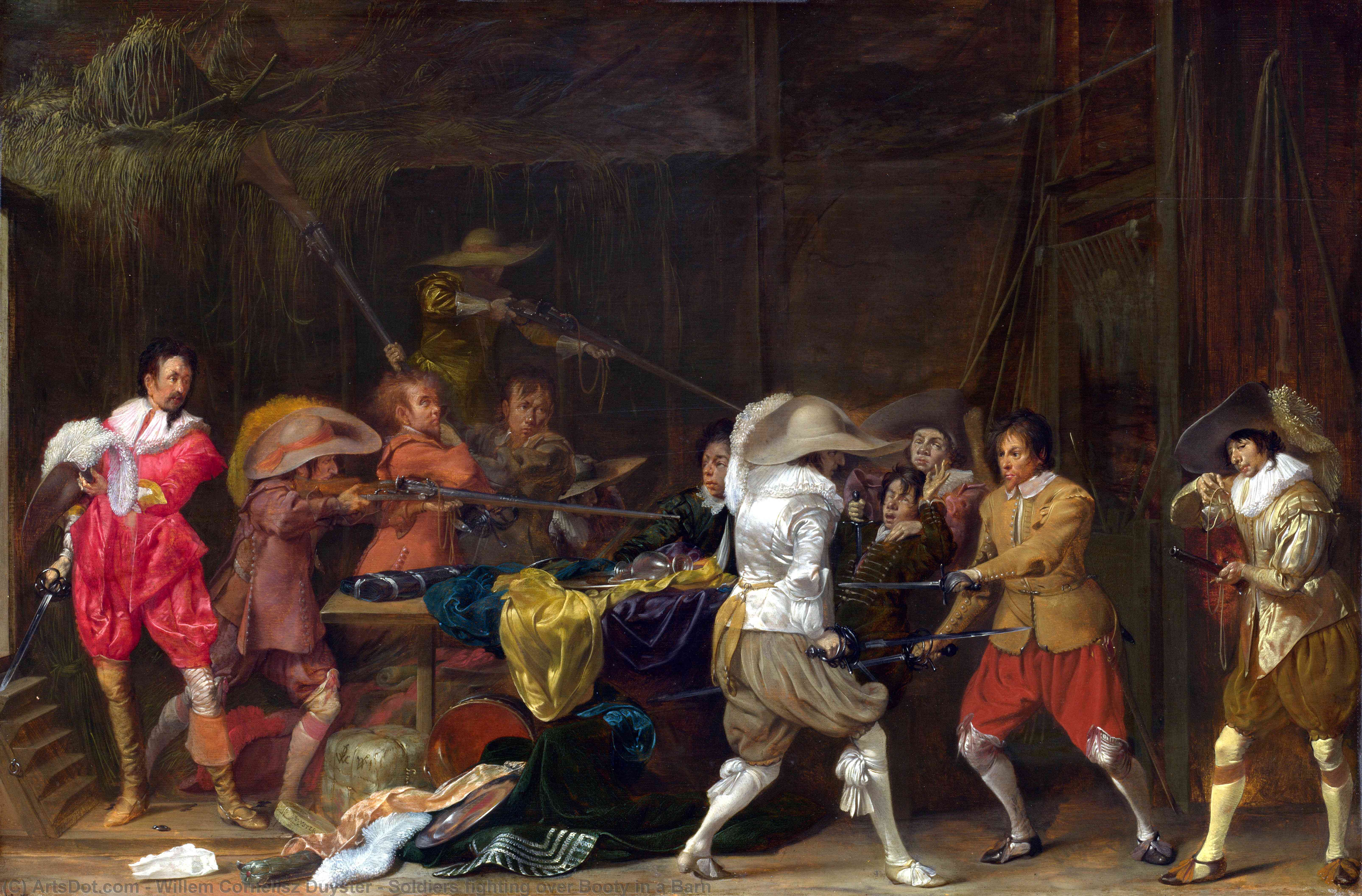
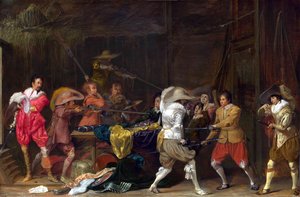
Soldiers fighting over Booty in a Barn
 Ver más
Reproducción al óleo hecha a mano
Óleo sobre lienzo pintado a mano en el tamaño y marco de su elección, realizado por encargo por nuestros artistas. ( Comprar impresión Comprar imagen)




































Elija entre nuestros tamaños predefinidos que respetan las proporciones originales de la obra.

Puede ingresar sus propias dimensiones para adaptarse a un marco o espacio específico. Si el tamaño seleccionado no coincide con las proporciones de la imagen original, recortaremos la obra o extenderemos la pintura con elementos adicionales pintados a mano. Se le enviará una maqueta digital para su aprobación antes de comenzar la producción.
Tenga en cuenta que la vista previa en pantalla no refleja el recorte o la extensión reales. Solo la maqueta mostrará con precisión la composición final.
Si bien existen tamaños personalizados, recomendamos seleccionar una dimensión de la lista predefinida para preservar las proporciones originales.
Tras realizar el pedido, el equipo de ArtsDot.com enviará un correo electrónico al cliente para solicitar instrucciones y proporcionarle una vista previa del boceto.
Envío a todo el mundo () en 3-4 semanas en lugar de las 5 semanas estándar. (25 agosto). Sin comprometer la calidad.

Envío exprés gratuito a todo el mundo

Lienzo de lino de alta calidad

Seguro de envío total

Garantía de reembolso de impuestos aduaneros

Garantía de fidelidad cromática exacta

Política de devolución de 60 días (solo por defectos)

Garantía de devolución del 100% del dinero

Descuento por cantidad
 La opción de vidrio solo está disponible en tamaños inferiores a 110 cm.

Soldiers fighting over Booty in a Barn
Técnica de reproducción
Dimensiones de la reproducción
-


Precio total final
$ 263
Obras relacionadas
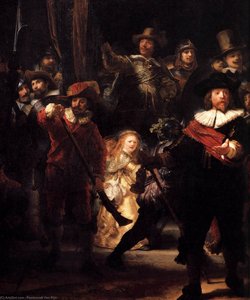
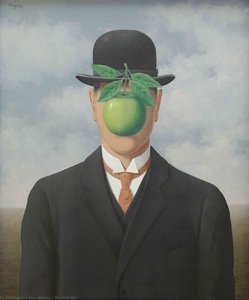
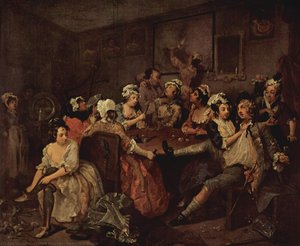
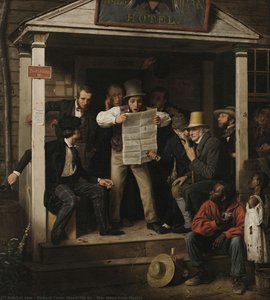

Biografía del artista
Willem Cornelisz Duyster: The Quiet Observer of Dutch Military Life
Willem Cornelisz Duyster (1599 – 1635) stands as a singular figure within the illustrious Dutch Golden Age, celebrated primarily for his meticulously rendered “guardroom scenes,” or *cortegaarddje*. Unlike many contemporaries who embraced grand narratives and opulent portraits, Duyster focused on capturing the everyday realities of military life—a genre choice that reveals both artistic innovation and a profound sensitivity to human psychology. Born in Amsterdam during a period of burgeoning artistic patronage and intellectual ferment, Duyster’s early career saw him honing his skills as a portraitist before decisively gravitating towards genre painting around 1620. His fame gained considerable momentum thanks to collaborations with fellow artists like Jacob Jansz van Velsen and Gerard ter Borch the Younger—artists whose stylistic approaches profoundly impacted Duyster's own oeuvre. Notably, Van Velsen’s masterful depictions of conversation pieces served as a model for Duyster’s explorations into social dynamics within domestic settings, while Ter Borch’s meticulous attention to detail and psychological realism instilled in Duyster a commitment to portraying subjects with remarkable accuracy and nuance. This influence is palpable in Duyster's ability to convey complex emotions and interpersonal relationships—a hallmark of his distinctive artistic vision. Duyster's artistic technique was characterized by an unwavering dedication to observation and anatomical precision. He possessed an exceptional ability to render textiles—a skill particularly evident in works like “A Wedding Feast,” where the fabrics shimmer with convincing texture and color—demonstrating his meticulous attention to detail. This painstaking realism extended beyond mere visual representation; Duyster sought to capture not just what he saw but also how it felt, imbuing his canvases with a palpable sense of atmosphere and emotion. Furthermore, Duyster’s depictions of military figures weren't merely representations of soldiers; he imbued them with palpable emotion and conveyed complex relationships between individuals within a scene. This distinguishes him from many other artists of guardroom scenes who tended to depict idealized heroism or simply showcase formal poses—Duyster instead presented figures grappling with vulnerability and uncertainty, reflecting the psychological complexities inherent in human experience. A fascinating anecdote recounts a brawl between Duyster and Pieter Codde in 1625, during which Codde struck Duyster in the face with a pewter pitcher—a testament to both the artist’s spirited personality and the competitive spirit of the era. This incident underscores Duyster's refusal to conform to societal expectations and his willingness to challenge convention—traits that contributed significantly to his artistic originality. Despite his brief life span, Duyster succumbed to the plague in 1635 at the relatively young age of thirty-six, prematurely curtailing a career brimming with potential. Nevertheless, Willem Cornelisz Duyster cemented his place as one of the most important artists of the Dutch Golden Age—a quiet observer who captured the essence of human experience within the confines of seemingly simple genre scenes and whose legacy continues to inspire admiration for its understated beauty and psychological depth.- Notable Works: “A Wedding Feast,” “Portrait of a Woman,” “Portrait of a Man…”
- Influenced Artists: Gerard ter Borch the Younger, Jacob Jansz van Velsen
- Key Technique: Textile Rendering; Anatomical Precision; Psychological Depth
Willem Cornelisz Duyster
1599 - 1635 , Países Bajos
Datos clave
- Artistic Movement Or Style: Dutch Golden Age
- Artists Who Influenced This Artist:
- jacob jansz van velsen
- gerard ter borch el joven
- Date Of Birth: Amsterdam, Netherlands (1599)
- Date Of Death: Amsterdam, Netherlands (1635)
- Full Name: willem cornelisz duyster
- Nationality: Dutch
- Notable Artworks:
- A Wedding Feast...
- Portrait of a Woman...
- Portrait of a Man...
- Place Of Birth: Amsterdam

