

 Ver en contexto
 Enviar
 Compartir
 Detalles

 Descargar
 Similares
 Radiografía
 Presentación de diapositivas
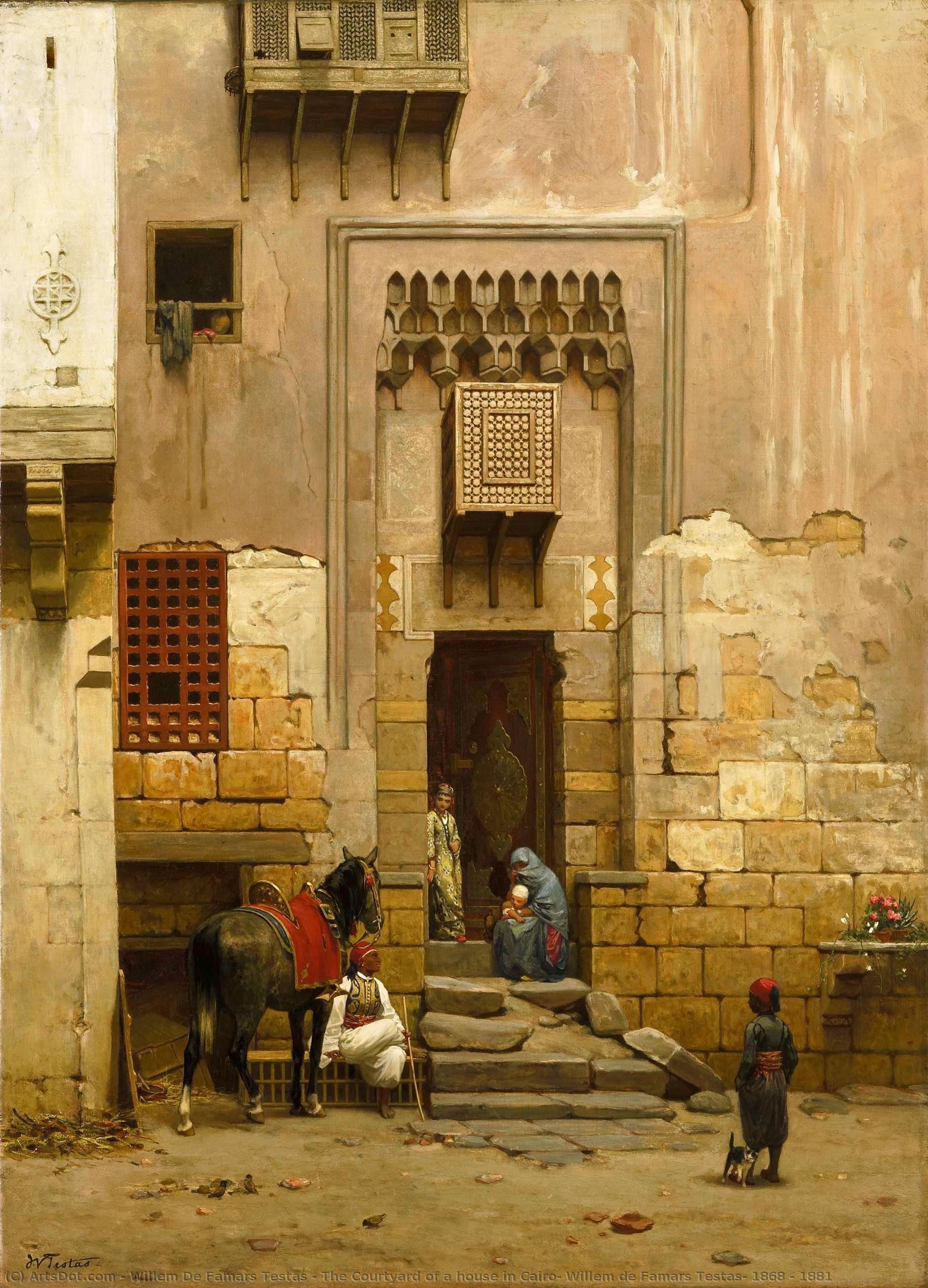
The Courtyard of a house in Cairo, Willem de Famars Testas, 1868 - 1881
 1881
1881 84.0 x 62.0 cm
 Ver más
Adquiera una imagen digital de alta resolución y optimizada, muy superior a la vista previa en línea.
Cada archivo es preparado meticulosamente por nuestros especialistas internos mediante el uso de herramientas avanzadas y un experto retoque manual. Nos aseguramos de que cada imagen posea una claridad excepcional, una precisión cromática impecable y un detalle minucioso.
El archivo final se entrega por correo electrónico en un plazo de 72 horas, optimizado para su uso inmediato en entornos profesionales, editoriales y de impresión. Esta es la misma calidad en la que confían los estudios de diseño, las editoriales y las galerías de primer nivel.
Imagen Digital
Descarga un archivo de alta resolución para exhibición personal, impresión y proyectos creativos. ( Comprar impresión Comprar pintura hecha a mano)
Incluido en cada pedido de imágenes digitales
Entrega digital experta, garantizada.
Al elegir ArtsDot.com, no solo está adquiriendo una imagen; está recibiendo una obra de arte digital mejorada profesionalmente, elaborada con precisión y respaldada por una garantía de satisfacción. Esto es todo lo que incluye su pedido, automáticamente:

Entrega rápida por email
Recibirá su archivo de imagen digital en alta resolución por correo electrónico en un plazo de 72 horas tras realizar su pedido, listo para su uso inmediato.

Archivo digital optimizado por IA
Su obra de arte se optimiza profesionalmente mediante herramientas avanzadas de IA y edición manual, garantizando el máximo detalle, claridad y precisión cromática.

Reenvío gratuito de por vida
¿Has borrado o perdido tu archivo por error? No te preocupes: te lo volveremos a enviar en cualquier momento, sin coste adicional.

Sin gastos de importación, siempre
Disfrute de su obra de arte al instante sin aduanas, aranceles ni gastos de envío; las descargas digitales siempre están libres de impuestos.

Garantía de fidelidad de color
Garantizamos que su imagen digital refleje los colores originales con la mayor fidelidad posible, mediante el uso de herramientas profesionales y gestión del color.

Garantía de satisfacción de 60 días
Si no está satisfecho con su imagen digital, la revisaremos o le reembolsaremos el 100% en un plazo de 60 días, sin preguntas.

100% Garantía de devolución de dinero
¿No está satisfecho? Obtenga un reembolso completo dentro de los 60 días posteriores a la recepción de su archivo digital, sin necesidad de explicaciones.

Descuentos por pedidos grandes
Compra 3 imágenes, ahorra 10% - Compra 5, ahorra 15% - Compra 10+, ahorra 20%. Ideal para proyectos creativos, galerías y agencias.
Obras relacionadas


Biografía del artista
The Visionary of the Orient: The Life and Art of Willem de Famars Testas
Willem de Famars Testas was a painter who possessed the rare ability to transport his audience across continents through nothing more than pigment and light. Born in 1834 in the historic city of Utrecht, his early artistic foundations were laid within the prestigious halls of the Akademie van beeldende kunsten in The Hague. Under the tutelage of masters like Jacobus Everhardus Josephus van den Berg, he honed a technical precision that would later serve as the bedrock for his expansive, atmospheric explorations of distant lands. While his early training rooted him firmly in the Dutch tradition, his spirit was destined for much warmer, more exotic horizons. The true turning point in his creative evolution arrived not in a studio, but amidst the sun-drenched landscapes of Egypt. In 1858, a serendipitous opportunity arose when he joined an expedition led by the archaeologist Emile Prisse d'Avennes. Originally intended to support the documentation of Arab monuments, Testas found himself thrust into the role of a primary observer of life along the Nile. For two years, he wandered through Egypt, absorbing the vibrant textures of local customs, the rhythmic movement of desert animals, and the stark, beautiful interplay of light and shadow against ancient architecture. This period was transformative; it shifted his focus from mere academic study to a profound, empathetic engagement with the Orientalist subject matter that would define his legacy.A Tapestry of Light and Culture
Upon returning to Europe, Testas did not leave the Orient behind; instead, he meticulously reconstructed its essence upon canvas. His work became a bridge between the familiar landscapes of the Netherlands and the evocative mysteries of the East. He was not merely a documentarian but a storyteller who utilized warm color palettes and intricate details to render the very flavor of Egyptian life. His oeuvre is characterized by a remarkable versatility, ranging from delicate etchings and precise drawings to sweeping oil paintings that capture the bustling energy of Cairo or the quiet solitude of an oasis. His artistic journey continued to expand through further travels, including a significant expedition through Palestine and Syria in 1868. This second encounter with the Levant deepened his repertoire, allowing him to weave even more complex narratives of landscape and humanity into his work. His reputation grew alongside his travels, eventually leading to an invitation from the renowned French Orientalist Jean-Léon Gérôme, a moment that solidified his standing within the international art community. Whether depicting the bustling courtyard of a Cairene house or the serene beauty of a desert well, Testas imbued every scene with a sense of lived reality and atmospheric depth.Legacy and Artistic Significance
The historical significance of Willem de Famars Testas lies in his ability to transcend the often-static tropes of 19th-century Orientalism. While many of his contemporaries focused on the theatrical or the exoticized, Testas brought a sense of ethnographic intimacy to his subjects. His work serves as a vital visual record of a period of intense cultural encounter, capturing the dignity of local dress, the vitality of regional fauna, and the enduring majesty of ancient monuments. His influence extended beyond his own brushstrokes, as seen in the artistic path of his daughter, Marie Madelaine de Famars Testas, who also pursued a career in painting. Today, his works reside in esteemed collections such as the Rijksmuseum and the Teylers Museum, standing as enduring testaments to a life spent chasing the light of distant suns. To view a piece by Testas is to embark on a journey through time and space, experiencing the world through the eyes of a master who found his true voice in the heart of the Orient.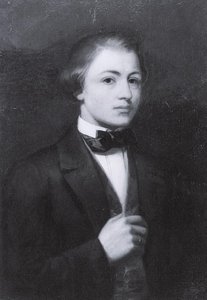
willem de famars testas
1834 - 1896

