 Ver en contexto
 Enviar
 Compartir
 Detalles

 Descargar
 Similares
 Radiografía
 Presentación de diapositivas
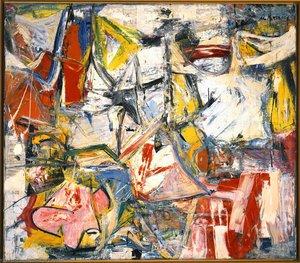
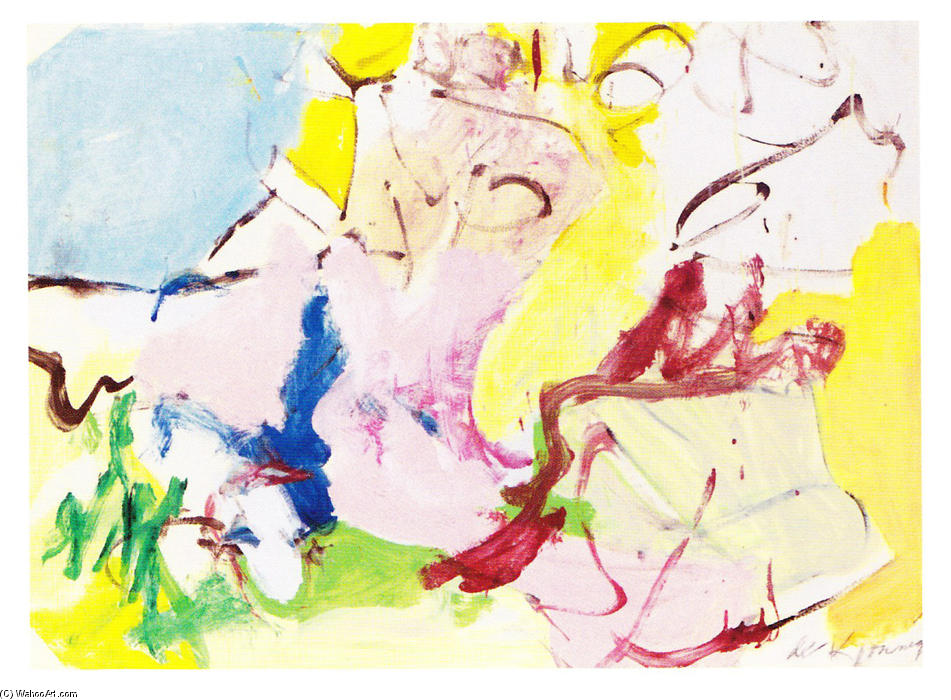
Landscape of a Woman


 Ver más
Reproducción al óleo hecha a mano
Óleo sobre lienzo pintado a mano en el tamaño y marco de su elección, realizado por encargo por nuestros artistas. ( Comprar impresión Comprar imagen)




P118B $10

P118H $10

P118W $10

P438Z $10

P508JH $12

P508YH $12

P805H $10

P805Z $10

P919BZ $10

P919G $10

P919XJ $10

P959ZH $10

P968JZ $12

W106C $8

W218G $10

W218JH $8

W218Y $10

W307PJ $10

W316G $10

W316PJ $8

W316Y $10

W398PJ $8

W4111J $10

W500HY $15

W500JH $15

W692G $12

W849H $8

W940BG $15

W953PJ $8




Elija entre nuestros tamaños predefinidos que respetan las proporciones originales de la obra.

Puede ingresar sus propias dimensiones para adaptarse a un marco o espacio específico. Si el tamaño seleccionado no coincide con las proporciones de la imagen original, recortaremos la obra o extenderemos la pintura con elementos adicionales pintados a mano. Se le enviará una maqueta digital para su aprobación antes de comenzar la producción.
Tenga en cuenta que la vista previa en pantalla no refleja el recorte o la extensión reales. Solo la maqueta mostrará con precisión la composición final.
Si bien existen tamaños personalizados, recomendamos seleccionar una dimensión de la lista predefinida para preservar las proporciones originales.
Tras realizar el pedido, el equipo de ArtsDot.com enviará un correo electrónico al cliente para solicitar instrucciones y proporcionarle una vista previa del boceto.
Envío a todo el mundo () en 3-4 semanas en lugar de las 5 semanas estándar. (25 agosto). Sin comprometer la calidad.

Envío exprés gratuito a todo el mundo

Lienzo de lino de alta calidad

Seguro de envío total

Garantía de reembolso de impuestos aduaneros

Garantía de fidelidad cromática exacta

Política de devolución de 60 días (solo por defectos)

Garantía de devolución del 100% del dinero

Descuento por cantidad
 La opción de vidrio solo está disponible en tamaños inferiores a 110 cm.

Landscape of a Woman
Técnica de reproducción
Dimensiones de la reproducción
-


Precio total final
$ 263
Descripción de la obra
Willem de Kooning’s ‘Landscape of a Woman’: A Descent into Raw Emotion
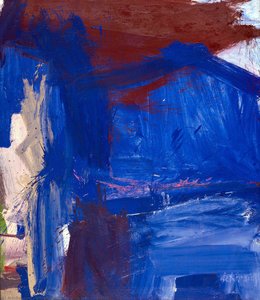
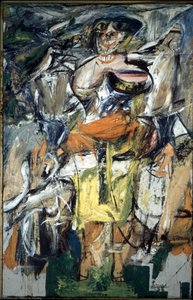
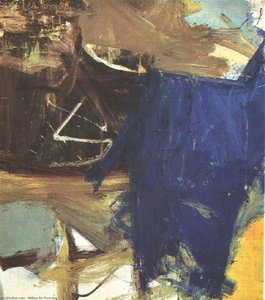
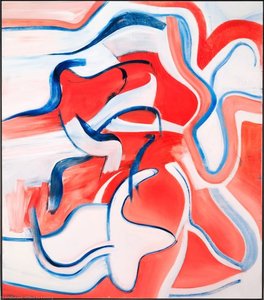
Willem de Kooning's “Landscape of a Woman” stands as a monumental testament to the turbulent heart of Abstract Expressionism, a movement that irrevocably altered the course of 20th-century art. Painted during a period of intense experimentation and self-discovery for the artist – from 1951 to 1952 – this large-scale canvas plunges the viewer into a world of fractured forms, visceral color, and unsettling psychological depth. It’s not merely a depiction of a woman on a hillside; it's an excavation of emotion, a raw confrontation with the complexities of the human condition rendered in layers of pigment and deliberate chaos.
- Subject & Composition: The central figure, a woman presented in multiple, almost disjointed poses, dominates the composition. She occupies a dynamic landscape – a suggestion of mountains and trees – yet her presence feels strangely detached, as if she exists simultaneously within and outside the natural world. Smaller figures are scattered throughout the scene, adding to the sense of unease and suggesting a multitude of narratives vying for attention.
- Color & Technique: De Kooning’s masterful use of color is immediately arresting. He employs a palette dominated by intense pinks and reds – hues often associated with passion, violence, and primal energy – contrasted against vibrant greens and yellows. The application of paint is anything but smooth; thick impasto strokes create a textured surface that seems to writhe with movement. This technique, characteristic of his later work, emphasizes the physicality of the act of painting itself, transforming it into a visible record of the artist’s struggle.
The Crucible of Abstract Expressionism
“Landscape of a Woman” is firmly rooted in the context of Abstract Expressionism, a movement born out of the aftermath of World War II and fueled by a desire to express profound psychological states rather than represent external reality. De Kooning, like his fellow artists Jackson Pollock and Mark Rothko, sought to break free from traditional artistic conventions, embracing spontaneity, gesture, and emotional intensity as primary tools for communication. This painting reflects the movement’s core tenets: a rejection of illusionism, an emphasis on the artist's subjective experience, and a willingness to confront difficult themes with unflinching honesty.
- De Kooning’s Journey: De Kooning’s artistic trajectory is marked by constant evolution. His early work was characterized by figurative realism, but he gradually moved towards abstraction, experimenting with different styles and techniques throughout his career. “Landscape of a Woman” represents a pivotal moment in this journey, solidifying his commitment to a highly expressive, non-representational approach.
- Symbolic Resonance: While the painting resists straightforward interpretation, it’s impossible not to consider the symbolic weight of its imagery. The fragmented figure could represent the fractured psyche, the instability of identity, or perhaps the inherent contradictions within the female form – themes frequently explored by artists throughout history.
Emotional Impact & Artistic Legacy
“Landscape of a Woman” is not a comfortable painting; it demands engagement and invites contemplation. Its unsettling imagery and raw emotional power resonate with viewers on a visceral level, prompting questions about the nature of perception, identity, and the human condition. De Kooning’s work continues to exert a profound influence on contemporary artists, demonstrating the enduring relevance of Abstract Expressionism as a powerful means of artistic expression.
- A Collector's Perspective: This reproduction offers an exceptional opportunity to own a piece of art history – a window into the mind of one of the 20th century’s most important artists. Its scale and intensity make it a striking addition to any collection, while its vibrant colors and dynamic composition will undoubtedly captivate viewers.
- Interior Design Applications: The bold palette and energetic brushwork of “Landscape of a Woman” can be incorporated into interior design schemes to create a dramatic and engaging atmosphere. Its powerful presence is sure to become a focal point within any space.
Obras relacionadas
Biografía del artista
vida temprana y carrera
Willem de Kooning, un reconocido artista abstracto expresionista holandés-estadounidense, nació el 24 de abril de 1904 en Róterdam, Países Bajos. Sus padres, Leendert de Kooning y Cornelia Nobel, se divorciaron en 1907, y de Kooning vivió con su padre antes de mudarse a la atención de su madre. Dejó la escuela en 1916 y se convirtió en aprendiz en una firma de arte comercial.desarrollo artístico
De Kooning asistió a clases nocturnas en la Academia de Artes Visuales y Ciencias Aplicadas en Róterdam de 1916 a 1924. En 1927, se mudó a la ciudad de Nueva York, donde trabajó como pintor de casas y comenzó a desarrollar su estilo artístico único.expresionismo abstracto
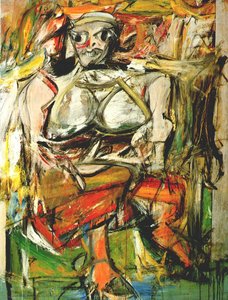
El trabajo de De Kooning se inclinó hacia el expresionismo abstracto en la década de 1950, caracterizado por pinceladas audaces y colores vibrantes. Su pintura Mujer I (1950-1952) es una obra seminal en este movimiento, que combina la figuración con la espontaneidad y la intensidad emocional.obras notables y colecciones
* El Glazador (137 x 112 cm, óleo sobre lienzo): una sombría pintura en tonos tierra inspirada en los frescos de Boscoreale. * Puerta al río (expresionismo abstracto): una pintura con pinceladas anchas que recuerda a su pasado como pintor de casas. * Hombre de pie (expresionismo abstracto): un ejemplo característico del estilo expresionista abstracto de De Kooning.museos y colecciones
* Museo Boijmans Van Beuningen, Róterdam, Países Bajos: cuenta con una impresionante colección de más de 151.000 obras de arte. * Universiteitsbibliotheek, Leiden, Países Bajos: alberga un importante centro cultural con más de 5.200.000 volúmenes y 1.000.000 libros electrónicos. El legado de Willem de Kooning continúa inspirando a artistas y entusiastas del arte por igual, consolidando su lugar como pionero del expresionismo abstracto.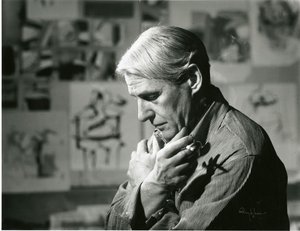
Willem de Kooning
1904 - 1997 , Países Bajos
Datos clave
- Artistas Que Influyeron: ['Arshile Gorky']
- Fecha De Muerte: 1997
- Fecha De Nacimiento: 24 de abril de 1904
- Lugar De Nacimiento: Rotterdam, Países Bajos
- Movimiento Artístico: Expresionismo abstracto
- Nacionalidad: Neerlandés-estadounidense
- Nombre Completo: Willem de Kooning
- Obras Notables:
- Mujer I
- El Vidriero
- Excavación
Artículos relacionados

Goya: Las 25 Obras Maestras del Genio Español | Reproducciones de Arte en ArtsDot
Descubre las 25 obras maestras de Goya, el genio español. Explora retratos icónicos, 'Los Caprichos' y 'Las Pinturas Negras'. Reproducciones de arte en lienzo de alta calidad para decorar tu hogar con estilo. ¡Encuentra tu obra favorita en ArtsDot.com!
Expresionismo Abstracto: 10 Obras Maestras que Transformaron el Arte |
Descubre las 10 obras maestras del Expresionismo Abstracto: Pollock, Rothko y más. Explora la historia, técnica y significado de estos lienzos icónicos. Reproducciones de arte exclusivas en .
Willem de Kooning: Abstraction, Gesture & the Evolution of Post-War American Painting
Explore the evolution of Willem de Kooning's iconic Abstract Expressionist paintings. Discover his signature style, key themes & investment potential with expert insights for discerning art collectors.

Kandinsky: Las 25 Obras Maestras del Pionero de la Abstracción | ArtsDot
Descubre las 25 obras maestras de Wassily Kandinsky, pionero del arte abstracto. Explora su expresionismo, composiciones únicas y la historia detrás de cada cuadro. Reproducciones de alta calidad para decorar tu hogar con arte moderno en ArtsDot.com.
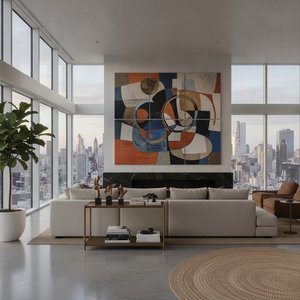
Designing Your Forever Space: An Expert Guide to Elevating Your New Home with Neo-Abstract Art
Elevate your first home with the bold energy of Neo-Abstract Art. Our expert guide helps newlyweds master modern geometric compositions, textures, and color palettes. Discover how custom hand-painted oils and multi-panel designs can transform your new space into a curated masterpiece.