 Ver en contexto
 Enviar
 Compartir
 Detalles

 Descargar
 Similares
 Radiografía
 Presentación de diapositivas
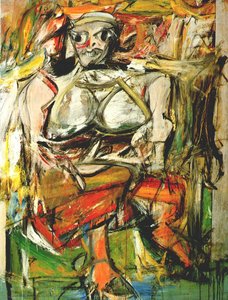
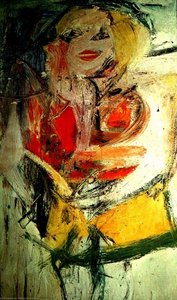
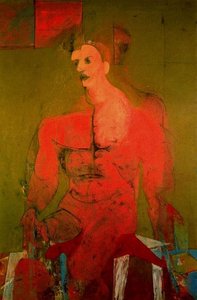
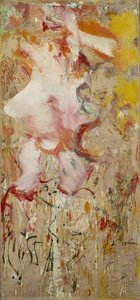
Woman i (detail),1950-52, moma ny


 Ver más
Giclée / Impresión de arte
Impresiones giclée o en lienzo de calidad de museo con producción rápida y opciones de acabado flexibles. ( Comprar pintura hecha a mano Comprar imagen)




P118B $10

P118H $10

P118W $10

P438Z $10

P508JH $12

P508YH $12

P805H $10

P805Z $10

P919BZ $10

P919G $10

P919XJ $10

P959ZH $10

P968JZ $12

W106C $8

W218G $10

W218JH $8

W218Y $10

W307PJ $10

W316G $10

W316PJ $8

W316Y $10

W398PJ $8

W4111J $10

W500HY $15

W500JH $15

W692G $12

W849H $8

W940BG $15

W953PJ $8




Elija entre nuestros tamaños predefinidos que respetan las proporciones originales de la obra.

Puede introducir sus propias dimensiones para adaptarse a un marco o espacio específico. Si el tamaño seleccionado no coincide con las proporciones de la imagen original, recortaremos la obra de arte o extenderemos la imagen con un borde con efecto espejo o de color sólido. Se enviará una maqueta digital para su aprobación antes de que comience la producción.
Tenga en cuenta que la vista previa en pantalla no refleja el recorte o la extensión real. Solo la maqueta mostrará con precisión la composición final.
Aunque existen tamaños personalizados, recomendamos seleccionar una dimensión de la lista predefinida para preservar las proporciones originales.
Envío a todo el mundo () en 2 semanas en lugar de las 4/5 semanas estándar. (31 agosto)

Envío exprés gratuito a todo el mundo

Lienzo de lino de alta calidad

Seguro de envío total

Garantía de reembolso de impuestos aduaneros

Garantía de fidelidad cromática exacta

Política de devolución de 60 días (solo por defectos)

Garantía de devolución del 100% del dinero

Descuento por cantidad
 La opción de vidrio solo está disponible en tamaños inferiores a 110 cm.

Woman i (detail),1950-52, moma ny
Giclée / Impresión de arte
Dimensiones de la reproducción
-


Precio total final
$ 62
A Visceral Encounter with Abstract Expressionism
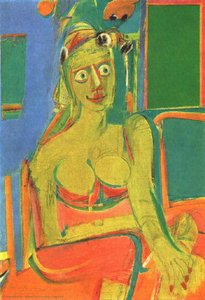
To stand before Willem de Kooning’s Woman I is to enter a whirlwind of raw, unbridled emotion. Created during the transformative years between 1950 and 1952, this monumental work serves as a cornerstone of the Abstract Expressionist movement, acting less like a window into a scene and more like a direct confrontation with the human psyche. The painting does not merely depict a subject; it excavates it. Through a fractured aesthetic that defies traditional representation, de Kooning presents a face that is simultaneously recognizable and hauntingly distorted, pulling the viewer into a space where the boundaries between figure and background dissolve into a dance of chaotic energy.
The composition is a masterclass in action painting, where every stroke serves as a record of the artist's physical struggle with the canvas. De Kooning’s technique is defined by thick, heavy impasto—layers of paint applied with such vigor that the surface itself becomes a sculptural landscape. Swirling, agitated brushstrokes in vibrant hues of pink, red, yellow, and blue collide with an almost violent intensity. This layering creates a palpable sense of movement and instability, as if the subject is perpetually emerging from or retreating into a sea of pigment. For the discerning collector or interior designer, this texture offers a profound tactile quality that brings a dynamic, living energy to any sophisticated space.
The Echoes of Postwar Anxiety
Beyond its striking visual surface, Woman I is deeply embedded in the historical tremors of the mid-twentieth century. Emerging from the shadow of World War II, the work reflects the profound uncertainty and disillusionment that permeated the global consciousness during the early 1950s. De Kooning, a central figure of the New York School, rejected the polished aesthetics of previous eras in favor of a radical freedom of expression. By disrupting geometric forms and favoring amorphous, pulsating shapes, he mirrored the era's pervasive psychological turbulence. The painting captures a moment in history when established doctrines were being dismantled, replaced by a search for subjective truth amidst a landscape of reconstruction and existential dread.
The symbolism within this detail is as complex as its execution. While the central figure evokes the primal archetype of the feminine, the inclusion of fragmented elements—such as the suggestion of a bird or the presence of a clock—adds layers of temporal and instinctual meaning. These motifs invite endless interpretation, suggesting the fleeting nature of time and the persistent pull of our most basic biological drives. It is this very ambiguity that makes a high-quality reproduction of such a piece so captivating; it provides a focal point for contemplation, offering an intellectual depth that complements the aesthetic splendor of modern decor.
An Essential Addition to the Modern Collection
For those looking to curate a collection defined by strength and emotional resonance, de Kooning’s work offers unparalleled inspiration. A reproduction of this masterpiece does more than decorate a wall; it anchors a room with its commanding presence and historical weight. The interplay of light across the simulated impasto and the bold, clashing colors provide a sophisticated contrast to the clean lines of contemporary architecture or the muted tones of classic interior design. It is an invitation to engage with the history of modern art every single day, bringing the revolutionary spirit of the New York School into the intimate sanctuary of the home.
Obras relacionadas
Biografía del artista
vida temprana y carrera
Willem de Kooning, un reconocido artista abstracto expresionista holandés-estadounidense, nació el 24 de abril de 1904 en Róterdam, Países Bajos. Sus padres, Leendert de Kooning y Cornelia Nobel, se divorciaron en 1907, y de Kooning vivió con su padre antes de mudarse a la atención de su madre. Dejó la escuela en 1916 y se convirtió en aprendiz en una firma de arte comercial.desarrollo artístico
De Kooning asistió a clases nocturnas en la Academia de Artes Visuales y Ciencias Aplicadas en Róterdam de 1916 a 1924. En 1927, se mudó a la ciudad de Nueva York, donde trabajó como pintor de casas y comenzó a desarrollar su estilo artístico único.expresionismo abstracto
El trabajo de De Kooning se inclinó hacia el expresionismo abstracto en la década de 1950, caracterizado por pinceladas audaces y colores vibrantes. Su pintura Mujer I (1950-1952) es una obra seminal en este movimiento, que combina la figuración con la espontaneidad y la intensidad emocional.obras notables y colecciones
* El Glazador (137 x 112 cm, óleo sobre lienzo): una sombría pintura en tonos tierra inspirada en los frescos de Boscoreale. * Puerta al río (expresionismo abstracto): una pintura con pinceladas anchas que recuerda a su pasado como pintor de casas. * Hombre de pie (expresionismo abstracto): un ejemplo característico del estilo expresionista abstracto de De Kooning.museos y colecciones
* Museo Boijmans Van Beuningen, Róterdam, Países Bajos: cuenta con una impresionante colección de más de 151.000 obras de arte. * Universiteitsbibliotheek, Leiden, Países Bajos: alberga un importante centro cultural con más de 5.200.000 volúmenes y 1.000.000 libros electrónicos. El legado de Willem de Kooning continúa inspirando a artistas y entusiastas del arte por igual, consolidando su lugar como pionero del expresionismo abstracto.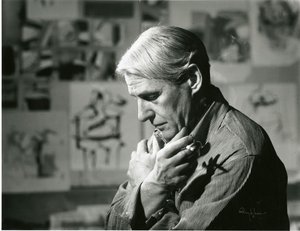
Willem de Kooning
1904 - 1997 , Países Bajos
Datos clave
- Artistas Que Influyeron: ['Arshile Gorky']
- Fecha De Muerte: 1997
- Fecha De Nacimiento: 24 de abril de 1904
- Lugar De Nacimiento: Rotterdam, Países Bajos
- Movimiento Artístico: Expresionismo abstracto
- Nacionalidad: Neerlandés-estadounidense
- Nombre Completo: Willem de Kooning
- Obras Notables:
- Mujer I
- El Vidriero
- Excavación
Artículos relacionados
Expresionismo Abstracto: 10 Obras Maestras que Transformaron el Arte |
Descubre las 10 obras maestras del Expresionismo Abstracto: Pollock, Rothko y más. Explora la historia, técnica y significado de estos lienzos icónicos. Reproducciones de arte exclusivas en .
Willem de Kooning: Abstraction, Gesture & the Evolution of Post-War American Painting
Explore the evolution of Willem de Kooning's iconic Abstract Expressionist paintings. Discover his signature style, key themes & investment potential with expert insights for discerning art collectors.

Goya: Las 25 Obras Maestras del Genio Español | Reproducciones de Arte en ArtsDot
Descubre las 25 obras maestras de Goya, el genio español. Explora retratos icónicos, 'Los Caprichos' y 'Las Pinturas Negras'. Reproducciones de arte en lienzo de alta calidad para decorar tu hogar con estilo. ¡Encuentra tu obra favorita en ArtsDot.com!
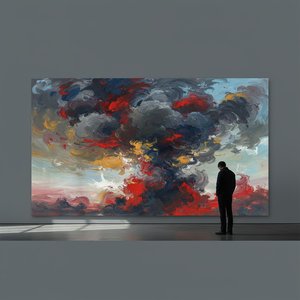
Más Allá de la Representación: Explorando el Paisaje Emocional del Expresionismo Abstracto
Descubra el Expresionismo Abstracto en profundidad. Análisis de artistas clave como Rothko y Richter, su contexto histórico e inversión en arte. Guía experta para coleccionistas.

Kandinsky: Las 25 Obras Maestras del Pionero de la Abstracción | ArtsDot
Descubre las 25 obras maestras de Wassily Kandinsky, pionero del arte abstracto. Explora su expresionismo, composiciones únicas y la historia detrás de cada cuadro. Reproducciones de alta calidad para decorar tu hogar con arte moderno en ArtsDot.com.