

 Vista previa
 Compartir
 Compartir
 Ver detalles

 Descargar
 Ver similares
 Radiografía
 Presentación de diapositivas
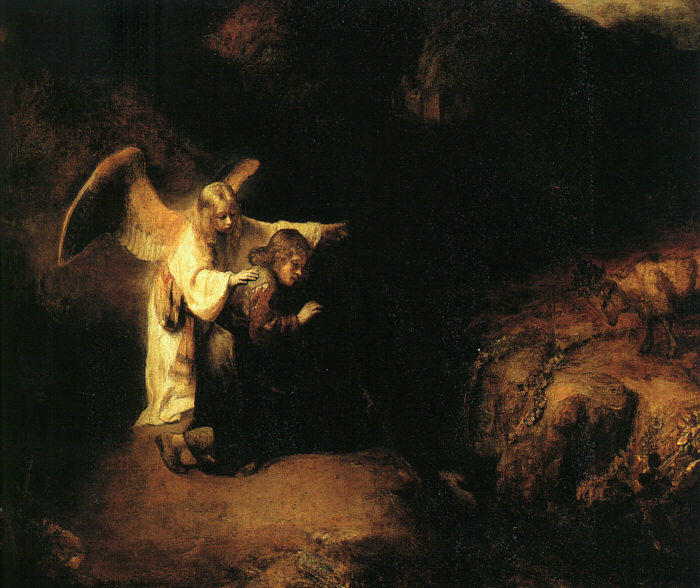
The Vision of Daniel


 Leer más
Reproducción al óleo hecha a mano
Óleo sobre lienzo pintado a mano en el tamaño y marco de su elección, realizado por encargo por nuestros artistas. ( Pedir impresión Comprar descarga)




P118B $10

P118H $10

P118W $10

P438Z $10

P508JH $12

P508YH $12

P805H $10

P805Z $10

P919BZ $10

P919G $10

P919XJ $10

P959ZH $10

P968JZ $12

W106C $8

W218G $10

W218JH $8

W218Y $10

W307PJ $10

W316G $10

W316PJ $8

W316Y $10

W398PJ $8

W4111J $10

W500HY $15

W500JH $15

W692G $12

W849H $8

W940BG $15

W953PJ $8




Elija entre nuestros tamaños predefinidos que respetan las proporciones originales de la obra.

Puede ingresar sus propias dimensiones para adaptarse a un marco o espacio específico. Si el tamaño seleccionado no coincide con las proporciones de la imagen original, recortaremos la obra o extenderemos la pintura con elementos adicionales pintados a mano. Se le enviará una maqueta digital para su aprobación antes de comenzar la producción.
Tenga en cuenta que la vista previa en pantalla no refleja el recorte o la extensión reales. Solo la maqueta mostrará con precisión la composición final.
Si bien existen tamaños personalizados, recomendamos seleccionar una dimensión de la lista predefinida para preservar las proporciones originales.
Tras realizar el pedido, el equipo de ArtsDot.com enviará un correo electrónico al cliente para solicitar instrucciones y proporcionarle una vista previa del boceto.
Envío a todo el mundo () en 3-4 semanas en lugar de las 5 semanas estándar. (22 agosto). Sin comprometer la calidad.

Envío exprés gratuito a todo el mundo

Lienzo de lino de alta calidad

Seguro de envío completo

Garantía de reembolso de aranceles aduaneros

Garantía de fidelidad cromática exacta

Política de devolución de 60 días (solo por defectos)

Garantía de devolución del 100% del dinero

Oferta por volumen
 La opción de vidrio solo está disponible en tamaños inferiores a 110 cm.

The Vision of Daniel
Técnica de reproducción
Tamaño de la reproducción
-


Precio total
$ 263
Descripción de la obra
A Descent into Darkness and Divine Guidance: Unveiling “The Vision of Daniel”
Willem Drost’s “The Vision of Daniel,” painted around 1650, is not merely a depiction of biblical prophecy; it's an immersive experience in shadow and light, a profound meditation on faith, despair, and the promise of salvation. Housed within the esteemed collection of the Staatliche Museen in Berlin, this painting immediately commands attention with its dramatic chiaroscuro – a masterful manipulation of light and dark that dominates the Baroque aesthetic, yet hints at the somber realism characteristic of Dutch Golden Age art. The scene unfolds on a desolate plane, strewn with what appears to be rubble, suggesting a world ravaged by chaos and uncertainty. At its heart stands Daniel, kneeling in apparent distress, his posture conveying an urgent plea for guidance – a figure both vulnerable and resolute.
The central drama is anchored by the angel’s outstretched hand, a beacon of hope piercing through the oppressive darkness. The angel's wings, vast and luminous, aren’t simply decorative; they represent divine intervention, a tangible manifestation of God’s grace reaching out to offer solace and direction. Drost skillfully employs perspective to draw the viewer into this intimate tableau, creating a sense of immediacy and emotional connection with Daniel’s plight. The muted palette – predominantly deep browns, grays, and blacks – reinforces the atmosphere of sorrow and impending doom, while subtle highlights on the angel's wings and Daniel’s face provide crucial focal points, guiding our gaze towards the source of potential redemption.
The Artist and His Master: Drost in Rembrandt’s Shadow
Willem Drost (1633-1659) remains a captivating enigma within the pantheon of Dutch Golden Age painters. Born into Amsterdam's artistic milieu, his tragically short life – just twenty-six years – yielded a remarkably small but increasingly recognized body of work. For decades, Drost’s talent was largely obscured, frequently misattributed to the towering figure of Rembrandt van Rijn. Recent scholarship has painstakingly illuminated Drost’s unique style and established him as an artist deserving of independent recognition—a student whose voice, though subtle, possesses a distinct quality. The story of Drost is inextricably linked to Rembrandt; he was apprenticed to the master, absorbing his techniques and stylistic sensibilities. However, Drost developed a more restrained approach, favoring a darker palette and a greater emphasis on psychological intensity than Rembrandt often displayed. The painting’s composition echoes Rembrandt's use of dramatic lighting, but with a heightened sense of claustrophobia and emotional vulnerability.
Interestingly, the stylistic similarities to Rembrandt extend beyond mere technique. Drost’s “Vision of Daniel” shares a thematic preoccupation with religious allegory and the human condition—a common thread in both artists' work. The painting’s narrative draws directly from the Book of Daniel, specifically chapters 10-12, which detail prophetic visions of impending judgment and the ultimate triumph of God’s kingdom. The angel’s gesture is a direct reference to biblical accounts, symbolizing divine intervention and the promise of salvation for those who remain faithful.
Symbolism and Historical Context: A Window into 17th-Century Faith
Beyond its immediate visual impact, “The Vision of Daniel” offers a rich tapestry of symbolic meaning. The rubble scattered across the ground represents not just physical destruction but also spiritual decay—a world teetering on the brink of collapse. Daniel’s kneeling posture signifies humility and supplication before God, while his anguished expression embodies the anxieties and uncertainties faced by individuals grappling with profound questions of faith and destiny. The angel's presence is a powerful affirmation of divine protection and guidance, suggesting that even in times of darkness, hope remains within reach.
Painted around 1650, during a period of religious upheaval and social change in the Netherlands, “The Vision of Daniel” reflects the prevailing anxieties and spiritual concerns of the era. The Dutch Republic was navigating complex political and religious landscapes, grappling with questions of Calvinist orthodoxy and the legacy of the Reformation. The painting’s somber tone and its focus on divine judgment resonate deeply within this context, offering a visual meditation on mortality, faith, and the enduring power of God's grace. It is a poignant reminder of humanity’s vulnerability in the face of overwhelming forces and the need for spiritual solace.
Bringing “The Vision of Daniel” Home: A Reproduction to Cherish
ArtsDot offers meticulously crafted, hand-painted reproductions of Willem Drost's "The Vision of Daniel," allowing you to bring this extraordinary artwork into your own space. Our skilled artisans replicate the painting’s dramatic chiaroscuro and evocative symbolism with unparalleled accuracy, capturing every nuance of light and shadow. Available in a range of sizes and mediums – from luxurious canvas to elegant framed prints – our reproductions provide an authentic representation of this masterpiece while preserving its emotional depth and historical significance. Invest in a ArtsDot reproduction of “The Vision of Daniel” and transform your home into a sanctuary of beauty, contemplation, and spiritual resonance.
Obras relacionadas
Biografía del artista
Willem Drost: Una Figura Enigmática del Siglo de Oro Neerlandés
- Nacido: Ámsterdam, Países Bajos (1633)
- Fallecido: 1659
Willem Drost permanece como una figura enigmática dentro de la escena artística del Siglo de Oro Neerlandés. Cercanamente asociado con Rembrandt van Rijn, su producción artística es notablemente pequeña y la atribución de obras ha sido fuente de debate académico continuo. A pesar de esta relativa oscuridad durante su vida y durante siglos posteriores, investigaciones recientes sugieren que fue un artista altamente talentoso cuyas contribuciones a menudo se atribuyeron erróneamente a su mentor.
Vida Temprana y Formación Bajo Rembrandt
La vida temprana de Drost está envuelta en misterio; los detalles sobre su nacimiento y crianza son escasos. Lo que sí se sabe es que alrededor de 1650, se convirtió en estudiante de Rembrandt van Rijn, formando una estrecha relación laboral con el maestro pintor. Esta formación demostró ser formativa, influyendo en el estilo artístico y la temática de Drost. Produjo pinturas históricas, composiciones bíblicas, estudios simbólicos que presentaban figuras solitarias y retratos; todos ellos distintivos del oeuvre de Rembrandt.
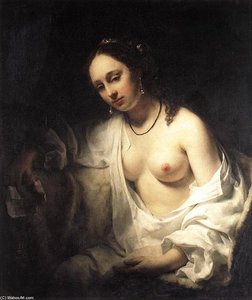
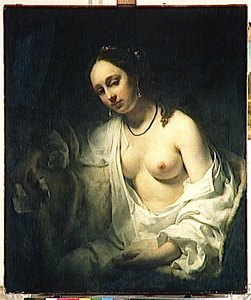
Una obra temprana notable es su pintura de 1654 "Batseba", inspirada en la propia versión de Rembrandt sobre el mismo tema. Si bien ambas pinturas comparten un sujeto común, la interpretación de Drost exhibe características distintas, mostrando su voz artística en desarrollo. Ambas obras se encuentran actualmente alojadas en el Museo del Louvre en París.
Viajes y Colaboración en Italia
Alrededor de 1655, Drost emprendió viajes que lo llevaron a Roma, donde entabló amistad con Karel Lot y Joan van der Meer, un rico pintor de Utrecht que había viajado previamente a Italia. Durante este período, Houbraken documentó la colaboración de Drost con Johann Carl Loth en una serie de pinturas que representaban los Cuatro Evangelistas en Venecia; aunque estas obras se han perdido.
Su tiempo en Italia parece haber ampliado sus horizontes artísticos e influido en su estilo, aunque los detalles siguen siendo limitados debido a la escasez de documentación superviviente. Regresó a Ámsterdam antes de establecerse finalmente en Venecia, donde falleció prematuramente en 1659 a la edad aproximada de 26 años.
Controversias de Atribución y Redescubrimiento
Durante muchos años, varias pinturas se atribuyeron con confianza a Rembrandt basándose en similitudes estilísticas. Sin embargo, a medida que avanzó la erudición histórico-artística, particularmente a través del trabajo del Proyecto de Investigación Rembrandt, comenzó una reevaluación de estas atribuciones. El proyecto examinó meticulosamente numerosas obras previamente atribuidas a Rembrandt, lo que llevó a reatribuciones a sus alumnos y asociados.
Drost surgió como una figura clave en este proceso. Pinturas como "Retrato de un Joven a Caballo" (conocido como "El Jinete Polaco", actualmente en la Colección Frick) y "Retrato de una Joven con sus Manos Dobladas sobre un Libro", que alguna vez se consideraron obras maestras de Rembrandt, ahora se reconocen cada vez más como obras de Drost. Si bien la atribución del "Jinete Polaco" sigue siendo debatida, con algunos sugiriendo que Rembrandt inició la pintura pero la dejó para que otros la completaran, el consenso creciente apoya la autoría de Drost para muchas piezas previamente atribuidas.
Legado y Significado Histórico
El legado de Willem Drost es complejo. Su corta carrera y producción limitada inicialmente oscurecieron su talento artístico. Sin embargo, la erudición reciente ha iluminado su papel significativo dentro del círculo de Rembrandt y ha destacado sus propias contribuciones únicas al Siglo de Oro Neerlandés. La reatribución de varias obras clave no solo ha arrojado luz sobre el arte de Drost, sino que también ha profundizado nuestra comprensión de las prácticas de taller de Rembrandt y la naturaleza colaborativa de la producción artística durante este período.
Si bien es posible que nunca alcance el reconocimiento generalizado disfrutado por su mentor, Willem Drost se reconoce cada vez más como un artista talentoso por derecho propio, merecedor de mayor atención y aprecio por sus evocadores retratos, escenas históricas y contribuciones al rico tapiz artístico del Siglo de Oro Neerlandés. Su historia sirve como un recordatorio de que la historia del arte es un proceso continuo de descubrimiento y reevaluación.
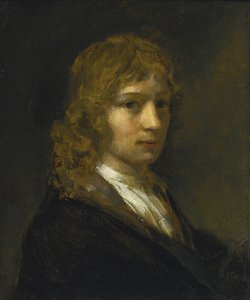
Willem Drost
1633 - 1659 , Países Bajos
Datos clave
- Artistas Influenciados: ['Adolf Boy']
- Artistas Que Influyeron: ['Rembrandt']
- Fecha De Fallecimiento: 25 de febrero de 1659
- Fecha De Nacimiento: 19 de abril de 1633
- Lugar De Nacimiento: Ámsterdam, Países Bajos
- Movimiento Artístico: Edad de Oro Neerlandesa
- Nacionalidad: Neerlandés
- Nombre Completo: Willem Drost
- Obras Notables:
- Betsabea (1654)
- Retrato ecuestre
- La Sibila
Artículos relacionados

Reflejos de una Época Dorada: La Pintura Barroca Holandesa y la Innovación Cultural
Descubra la riqueza y el detalle de la pintura barroca holandesa del Siglo de Oro. Explore las obras maestras de Rembrandt, Vermeer y otros artistas clave. Análisis experto e historia cultural.

Los 10 Maestros del Siglo de Oro Holandés: Arte, Historia y Decoración Exclusiva
Descubre los 10 imprescindibles del Siglo de Oro Holandés: Rembrandt, Vermeer y más. Explora la historia, técnica y belleza de estos lienzos clásicos. Encuentra reproducciones de arte exclusivas para decorar tu hogar en .

Los 10 Maestros del Barroco Holandés: Obras que Definen una Época | ArtsDot
Descubre los 10 imprescindibles del Barroco holandés: Rembrandt, Vermeer y más. Explora la historia, técnica y belleza de estas obras maestras. Reproducciones de arte en ArtsDot.com para decorar tu hogar con elegancia.

La Luz y la República: Innovación Artística en el Siglo de Oro Neerlandés
Descubra la innovación artística del Siglo de Oro Neerlandés. Explore las obras maestras de Rembrandt y Vermeer, técnicas revolucionarias y el legado perdurable de este florecimiento cultural. ¡Sumérjase en la luz y la belleza!

Illuminating Realism: Exploring the Dutch Golden Age of Painting (1600-1700)
Explore the Dutch Golden Age of painting (1600-1700) with ArtsDot. Discover Rembrandt, Vermeer & other masters. Learn about techniques, history & find museum-quality reproductions.

