

 Ver en contexto
 Enviar
 Compartir
 Detalles

 Descargar
 Similares
 Radiografía
 Presentación de diapositivas
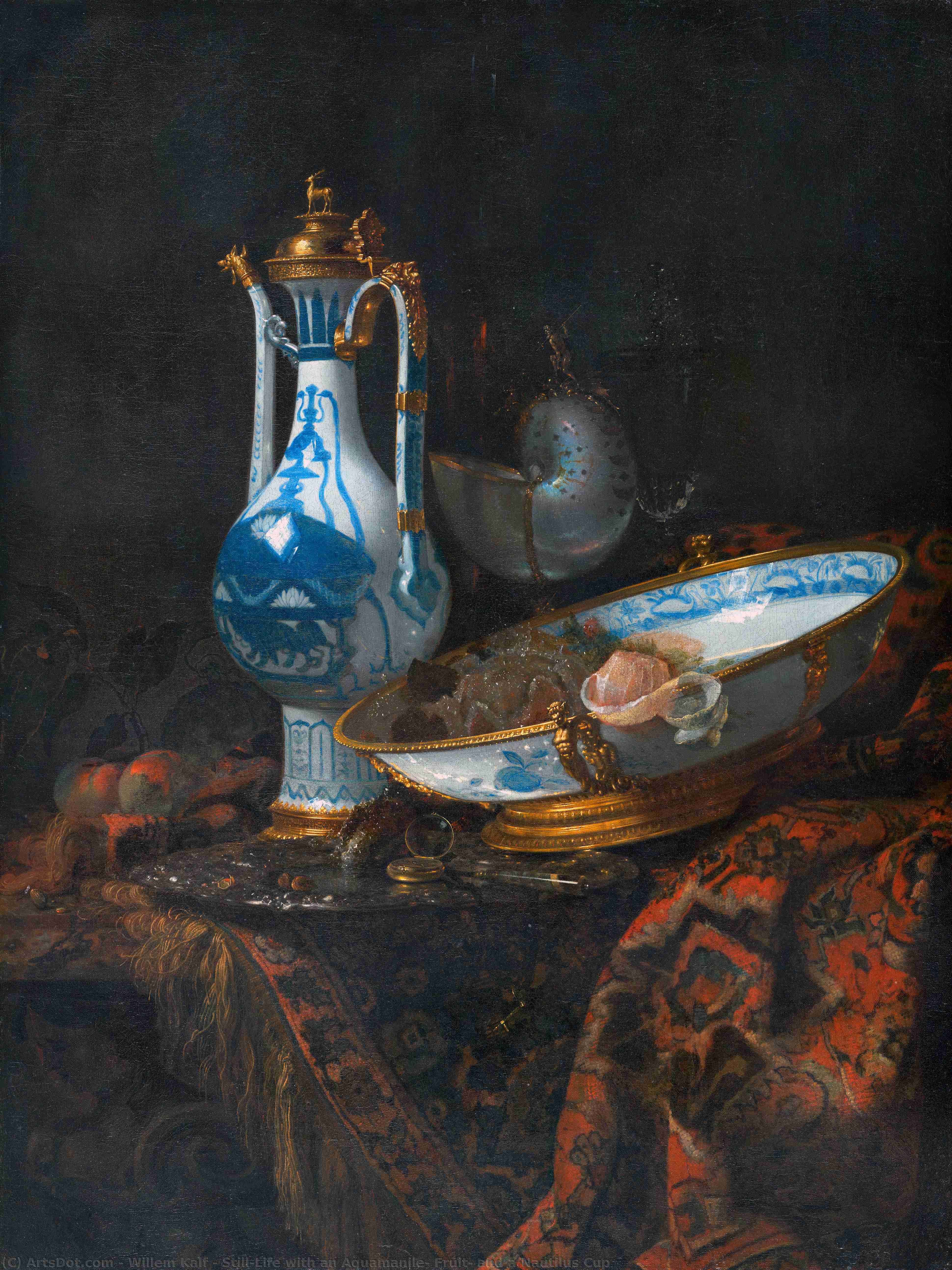
Still-Life with an Aquamanile, Fruit, and a Nautilus Cup
 Oil On Canvas
- WallArt
- Baroque
 1660
1660- Early Modern
 111.0 x 84.0 cm
 Museo Nacional Thyssen-Bornemisza
 Ver más
Adquiera una imagen digital de alta resolución y optimizada, muy superior a la vista previa en línea.
Cada archivo es preparado meticulosamente por nuestros especialistas internos mediante el uso de herramientas avanzadas y un experto retoque manual. Nos aseguramos de que cada imagen posea una claridad excepcional, una precisión cromática impecable y un detalle minucioso.
El archivo final se entrega por correo electrónico en un plazo de 72 horas, optimizado para su uso inmediato en entornos profesionales, editoriales y de impresión. Esta es la misma calidad en la que confían los estudios de diseño, las editoriales y las galerías de primer nivel.
Imagen Digital
Descarga un archivo de alta resolución para exhibición personal, impresión y proyectos creativos. ( Comprar impresión Comprar pintura hecha a mano)
Incluido en cada pedido de imágenes digitales
Entrega digital experta, garantizada.
Al elegir ArtsDot.com, no solo está adquiriendo una imagen; está recibiendo una obra de arte digital mejorada profesionalmente, elaborada con precisión y respaldada por una garantía de satisfacción. Esto es todo lo que incluye su pedido, automáticamente:

Entrega rápida por email
Recibirá su archivo de imagen digital en alta resolución por correo electrónico en un plazo de 72 horas tras realizar su pedido, listo para su uso inmediato.

Archivo digital optimizado por IA
Su obra de arte se optimiza profesionalmente mediante herramientas avanzadas de IA y edición manual, garantizando el máximo detalle, claridad y precisión cromática.

Reenvío gratuito de por vida
¿Has borrado o perdido tu archivo por error? No te preocupes: te lo volveremos a enviar en cualquier momento, sin coste adicional.

Sin gastos de importación, siempre
Disfrute de su obra de arte al instante sin aduanas, aranceles ni gastos de envío; las descargas digitales siempre están libres de impuestos.

Garantía de fidelidad de color
Garantizamos que su imagen digital refleje los colores originales con la mayor fidelidad posible, mediante el uso de herramientas profesionales y gestión del color.

Garantía de satisfacción de 60 días
Si no está satisfecho con su imagen digital, la revisaremos o le reembolsaremos el 100% en un plazo de 60 días, sin preguntas.

100% Garantía de devolución de dinero
¿No está satisfecho? Obtenga un reembolso completo dentro de los 60 días posteriores a la recepción de su archivo digital, sin necesidad de explicaciones.

Descuentos por pedidos grandes
Compra 3 imágenes, ahorra 10% - Compra 5, ahorra 15% - Compra 10+, ahorra 20%. Ideal para proyectos creativos, galerías y agencias.
Descripción del coleccionable
A Symphony of Opulence: The Luminous World of Willem Kalf
In the quiet, shadowed corners of the 17th-century Dutch Golden Age, few artists captured the intoxicating essence of prosperity quite like Willem Kalf. His masterpiece, “Still-Life with an Aquamanile, Fruit, and a Nautilus Cup,” completed around 1660, is far more than a mere arrangement of objects; it is a meticulously choreographed performance of light, texture, and prestige. As one gazes upon this oil on canvas, they are immediately transported into a world of refined luxury, where every glint of gold and every curve of porcelain tells a story of global trade, intellectual curiosity, and the profound beauty found in the material world.
Kalf’s technique is nothing short of miraculous, demonstrating a mastery of chiaroscuro that rivals the great masters of his era. He employs a dramatic, dark background to push his subjects forward, creating a stage where light performs its most vital role. This is not a flat illumination, but a sculptural force that breathes life into the scene. One can almost feel the cool, smooth surface of the blue and white porcelain bowl and the heavy, metallic weight of the aquamanile. The artist’s ability to render the velvety skin of fruit against the polished, reflective sheen of precious metals creates a sensory experience that transcends the visual, making the painting an immersive tactile journey for the viewer.
Symbolism and the Spirit of the Golden Age
Beyond its breathtaking aesthetic, the painting serves as a profound cultural document. Each element within this pronkstilleven—a term used to describe these lavish, "ostentatious" still lifes—carries deep symbolic weight. The aquamanile, a ceremonial vessel used for ritual cleansing, speaks to the era's intersection of religious devotion and social status. Beside it, the nautilus cup acts as a window into the Dutch fascination with the exotic and the infinite. The shell, a marvel of natural geometry, symbolizes eternity and the boundless reach of human discovery during the Age of Enlightenment.
The scattered fruits, particularly the apples, offer a grounded, organic counterpoint to the man-made treasures. They represent the bounty of the earth and the fleeting nature of life, a subtle memento mori tucked within an otherwise celebratory display of wealth. For the modern collector or interior designer, this painting offers a sophisticated balance of themes: it is simultaneously a celebration of abundance and a contemplative meditation on the passage of time. It brings a sense of historical gravity and intellectual depth to any space, making it an ideal centerpiece for those who appreciate art that invites long, thoughtful observation.
An Eternal Inspiration for the Modern Interior
Integrating a high-quality reproduction of Kalf’s work into a contemporary setting allows for a breathtaking dialogue between history and modernity. The deep, moody tones and dramatic highlights of the composition lend themselves beautifully to grand, classical interiors, yet they possess a striking versatility that complements minimalist or dark-toned modern decor. The painting acts as an anchor of elegance, providing a focal point that radiates warmth, prestige, and a timeless sense of grace.
To possess such a work is to invite the spirit of the Dutch masters into one's home. It is an investment in atmosphere—a way to surround oneself with the enduring beauty of the 17th century. Whether placed in a sunlit gallery or a cozy, intimate study, this reproduction serves as a constant reminder of the artistry that can emerge when human skill meets the profound mysteries of light and shadow.
Obras relacionadas


Biografía del artista
Willem Kalf: Un Maestro del Bodegón Neerlandés
- Nacido: Róterdam, Países Bajos (1619)
- Fallecido: 1693
Willem Kalf fue un renombrado pintor neerlandés celebrado por sus exquisitas composiciones de bodegón durante el Siglo de Oro Neerlandés. Nacido en 1619 en Róterdam, se hizo conocido por sus lujosos "pronkstilleven" (bodegones ostentosos), mostrando objetos opulentos con un detalle meticuloso y un uso magistral de la luz.
Vida Temprana y Formación
Kalf nació en una próspera familia patricía en Róterdam. Su padre ocupaba cargos municipales, brindándole a Willem una educación cómoda. A finales de la década de 1630, Kalf viajó a París y pasó tiempo dentro del círculo de artistas flamencos en Saint-Germain-des-Prés. Durante este período, pintó principalmente pequeños interiores rústicos y bodegones.
Estilo Artístico y Desarrollo
- Período Parisino: Sus primeras obras, creadas en París, solían presentar grupos de verduras, cubos, ollas y sartenes dispuestos como un bodegón en primer plano. Las figuras a menudo estaban presentes pero borrosas en el fondo. Estas pinturas reflejaban una tradición pictórica practicada principalmente en Flandes durante la primera mitad del siglo XVII por artistas como David Teniers el Joven.
- Bodegones Maduros (Pronkstilleven): Sus obras posteriores, sus "pronkstilleven", se caracterizan por su exhibición de objetos lujosos y exóticos – vajillas de plata, porcelana, frutas y otras delicias. Estas composiciones demuestran una atención notable al detalle, colores ricos y efectos de iluminación dramáticos. Si bien la estructura de estas pinturas permaneció relativamente consistente, con objetos similares, la habilidad de Kalf para representar texturas y capturar la luz las elevó a un arte excepcional.
- Influencias: El trabajo de Kalf muestra influencias de pintores neerlandeses de bodegón anteriores como Simon Luttichuys. También compartió similitudes estilísticas con artistas como Pieter Claesz, Willem Claeszoon Heda y Juriaen van Streeck, quienes eran conocidos por sus "banketjes" o 'pequeños banquetes' en la década de 1630.
Obras Notables y Legado
Las pinturas de Kalf son muy apreciadas por su brillantez técnica y atractivo estético. Si bien las obras individuales específicas reciben menos reconocimiento generalizado que algunos de sus contemporáneos, su contribución general al género es significativa.
- Colecciones de Museos: La obra de Kalf se puede encontrar en prestigiosos museos de todo el mundo, incluido el Museum Boijmans Van Beuningen en Róterdam, la National Gallery of Art en Washington D.C., y el Getty Museum.
- Influencia en el Arte Francés: Los bodegones semi-monocromáticos de Kalf tuvieron una influencia notable en el arte francés, particularmente dentro del círculo de los hermanos Le Nain.
- Significado Histórico: Como figura destacada en la pintura del Siglo de Oro Neerlandés, Willem Kalf ayudó a definir el género de "pronkstilleven", mostrando la riqueza y sofisticación de la sociedad neerlandesa del siglo XVII. Su meticulosa atención al detalle y su uso magistral de la luz continúan inspirando a artistas y amantes del arte en la actualidad.
Exploración Adicional
- Wikipedia: https://en.wikipedia.org/wiki/Willem_Kalf
- National Gallery of Art: https://www.nga.gov/artists/1430-willem-kalf
- Getty Museum: https://www.getty.edu/art/collection/person/103JR3
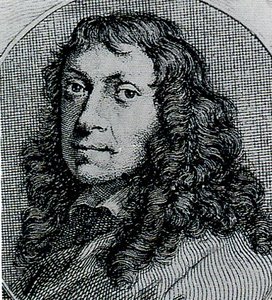
Willem Kalf
1619 - 1693 , Países Bajos
Breves datos
- Artistas Influenciados: ['Hermanos Le Nain']
- Artistas Que Influyeron:
- David Teniers el Joven
- Simon Luttichuys
- Fecha De Fallecimiento: 1693
- Fecha De Nacimiento: 1619
- Lugar De Nacimiento: Rotterdam, Países Bajos
- Movimiento Artístico: Pintura de bodegones
- Nacionalidad: Neerlandés
- Nombre Completo: Willem Kalf
- Obras Notables:
- Interior de una cocina
- Bodegón con jarra de plata

