

 Ver en contexto
 Enviar
 Compartir
 Detalles

 Descargar
 Similares
 Radiografía
 Presentación de diapositivas
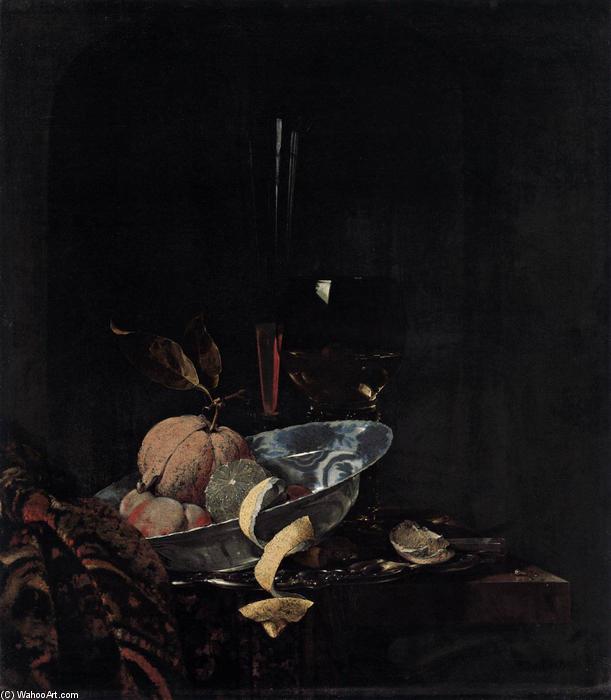
Still-Life with Fruit, Glassware, and a Wanli Bowl
 Oil On Canvas
- WallArt
 1659
1659- Early Modern
 58.0 x 51.0 cm
 Museo Metropolitano de Arte
 Ver más
Adquiera una imagen digital de alta resolución y optimizada, muy superior a la vista previa en línea.
Cada archivo es preparado meticulosamente por nuestros especialistas internos mediante el uso de herramientas avanzadas y un experto retoque manual. Nos aseguramos de que cada imagen posea una claridad excepcional, una precisión cromática impecable y un detalle minucioso.
El archivo final se entrega por correo electrónico en un plazo de 72 horas, optimizado para su uso inmediato en entornos profesionales, editoriales y de impresión. Esta es la misma calidad en la que confían los estudios de diseño, las editoriales y las galerías de primer nivel.
Imagen Digital
Descarga un archivo de alta resolución para exhibición personal, impresión y proyectos creativos. ( Comprar impresión Comprar pintura hecha a mano)
Incluido en cada pedido de imágenes digitales
Entrega digital experta, garantizada.
Al elegir ArtsDot.com, no solo está adquiriendo una imagen; está recibiendo una obra de arte digital mejorada profesionalmente, elaborada con precisión y respaldada por una garantía de satisfacción. Esto es todo lo que incluye su pedido, automáticamente:

Entrega rápida por email
Recibirá su archivo de imagen digital en alta resolución por correo electrónico en un plazo de 72 horas tras realizar su pedido, listo para su uso inmediato.

Archivo digital optimizado por IA
Su obra de arte se optimiza profesionalmente mediante herramientas avanzadas de IA y edición manual, garantizando el máximo detalle, claridad y precisión cromática.

Reenvío gratuito de por vida
¿Has borrado o perdido tu archivo por error? No te preocupes: te lo volveremos a enviar en cualquier momento, sin coste adicional.

Sin gastos de importación, siempre
Disfrute de su obra de arte al instante sin aduanas, aranceles ni gastos de envío; las descargas digitales siempre están libres de impuestos.

Garantía de fidelidad de color
Garantizamos que su imagen digital refleje los colores originales con la mayor fidelidad posible, mediante el uso de herramientas profesionales y gestión del color.

Garantía de satisfacción de 60 días
Si no está satisfecho con su imagen digital, la revisaremos o le reembolsaremos el 100% en un plazo de 60 días, sin preguntas.

100% Garantía de devolución de dinero
¿No está satisfecho? Obtenga un reembolso completo dentro de los 60 días posteriores a la recepción de su archivo digital, sin necesidad de explicaciones.

Descuentos por pedidos grandes
Compra 3 imágenes, ahorra 10% - Compra 5, ahorra 15% - Compra 10+, ahorra 20%. Ideal para proyectos creativos, galerías y agencias.
Descripción del coleccionable
The Opulent Stillness of Willem Kalf’s “Still Life with Fruit, Glassware, and a Wanli Bowl”
Willem Kalf's "Still Life with Fruit, Glassware, and a Wanli Bowl," painted in 1659, is more than just a depiction of objects arranged on a table; it’s a meticulously crafted window into the lavish world of 17th-century Dutch society. This remarkable artwork, now housed at The Metropolitan Museum of Art, embodies the pinnacle of the pronkstilleven genre – a style characterized by its extravagant displays of wealth and luxury, reflecting the burgeoning mercantile power of the Dutch Republic. Kalf’s skill lies not merely in his technical proficiency but in his ability to evoke a sense of quiet contemplation and understated grandeur, inviting the viewer into an intimate space filled with carefully curated beauty.A Glimpse into Dutch Prosperity
The painting immediately establishes a scene of considerable opulence. The arrangement is dominated by a magnificent Wanli bowl – a prized possession from China, indicative of the extensive trade networks that fueled the Dutch Golden Age. Alongside it rests an array of exquisite glassware: delicate goblets, shimmering decanters, and intricately crafted bottles, all reflecting the wealth and sophistication of their owner. A draped fabric, likely silk or velvet, adds to the luxurious atmosphere, its folds creating a subtle diagonal line that draws the eye across the composition. The inclusion of fresh fruit – peaches, grapes, and plums – further emphasizes abundance and the fleeting beauty of nature’s bounty. The painting isn't simply about displaying objects; it’s a testament to the prosperity and global reach of the Dutch Republic, a nation at the forefront of trade and artistic innovation during this period.Masterful Technique and Subtle Details
Kalf’s mastery is evident in his painstaking attention to detail and his skillful use of technique. The artist employs a muted color palette – primarily browns, creams, and subtle hints of red and orange – creating a sense of depth and realism through careful shading and modeling. The surfaces of the objects are rendered with remarkable precision, capturing their textures—the smooth sheen of glass, the velvety softness of fabric, and the rough skin of fruit. Notice how Kalf subtly blurs the edges of some elements, contributing to the overall feeling of softness and intimacy. The lighting, emanating from a single source on the left, casts dramatic shadows that define the forms and create a sense of volume, enhancing the three-dimensional quality of the scene. The composition itself is carefully balanced, with the bowl acting as a central focal point while the other objects contribute to a harmonious whole.Symbolism and the Vanitas Aesthetic
Like many still lifes of the period, “Still Life with Fruit, Glassware, and a Wanli Bowl” carries symbolic weight. The abundance of luxurious items can be interpreted as an allusion to vanitas – a concept central to Dutch Golden Age art that reminds viewers of the transience of earthly pleasures and the inevitability of death. The fruit, representing fleeting beauty, contrasts with the durable objects like the bowl and glassware, symbolizing longevity and permanence. The carefully arranged composition itself speaks to the value placed on order and control within a society obsessed with wealth and status. Kalf’s work invites contemplation not just on the beauty of the objects themselves, but also on their ephemeral nature and the human condition.A Timeless Masterpiece for Collectors and Designers
“Still Life with Fruit, Glassware, and a Wanli Bowl” remains a captivating artwork today, offering a glimpse into a bygone era of wealth, artistry, and philosophical reflection. Its meticulous detail, balanced composition, and evocative symbolism make it a prized possession for collectors and a source of inspiration for interior designers seeking to create spaces that exude elegance and sophistication. Reproductions of this iconic painting capture the essence of Kalf’s vision, allowing viewers to appreciate its beauty and complexity in their own homes. It is a testament to the enduring power of still life as a genre—a celebration of beauty, wealth, and the fleeting nature of time.Obras relacionadas



Biografía del artista
Willem Kalf: Un Maestro del Bodegón Neerlandés
- Nacido: Róterdam, Países Bajos (1619)
- Fallecido: 1693
Willem Kalf fue un renombrado pintor neerlandés celebrado por sus exquisitas composiciones de bodegón durante el Siglo de Oro Neerlandés. Nacido en 1619 en Róterdam, se hizo conocido por sus lujosos "pronkstilleven" (bodegones ostentosos), mostrando objetos opulentos con un detalle meticuloso y un uso magistral de la luz.
Vida Temprana y Formación
Kalf nació en una próspera familia patricía en Róterdam. Su padre ocupaba cargos municipales, brindándole a Willem una educación cómoda. A finales de la década de 1630, Kalf viajó a París y pasó tiempo dentro del círculo de artistas flamencos en Saint-Germain-des-Prés. Durante este período, pintó principalmente pequeños interiores rústicos y bodegones.
Estilo Artístico y Desarrollo
- Período Parisino: Sus primeras obras, creadas en París, solían presentar grupos de verduras, cubos, ollas y sartenes dispuestos como un bodegón en primer plano. Las figuras a menudo estaban presentes pero borrosas en el fondo. Estas pinturas reflejaban una tradición pictórica practicada principalmente en Flandes durante la primera mitad del siglo XVII por artistas como David Teniers el Joven.
- Bodegones Maduros (Pronkstilleven): Sus obras posteriores, sus "pronkstilleven", se caracterizan por su exhibición de objetos lujosos y exóticos – vajillas de plata, porcelana, frutas y otras delicias. Estas composiciones demuestran una atención notable al detalle, colores ricos y efectos de iluminación dramáticos. Si bien la estructura de estas pinturas permaneció relativamente consistente, con objetos similares, la habilidad de Kalf para representar texturas y capturar la luz las elevó a un arte excepcional.
- Influencias: El trabajo de Kalf muestra influencias de pintores neerlandeses de bodegón anteriores como Simon Luttichuys. También compartió similitudes estilísticas con artistas como Pieter Claesz, Willem Claeszoon Heda y Juriaen van Streeck, quienes eran conocidos por sus "banketjes" o 'pequeños banquetes' en la década de 1630.
Obras Notables y Legado
Las pinturas de Kalf son muy apreciadas por su brillantez técnica y atractivo estético. Si bien las obras individuales específicas reciben menos reconocimiento generalizado que algunos de sus contemporáneos, su contribución general al género es significativa.
- Colecciones de Museos: La obra de Kalf se puede encontrar en prestigiosos museos de todo el mundo, incluido el Museum Boijmans Van Beuningen en Róterdam, la National Gallery of Art en Washington D.C., y el Getty Museum.
- Influencia en el Arte Francés: Los bodegones semi-monocromáticos de Kalf tuvieron una influencia notable en el arte francés, particularmente dentro del círculo de los hermanos Le Nain.
- Significado Histórico: Como figura destacada en la pintura del Siglo de Oro Neerlandés, Willem Kalf ayudó a definir el género de "pronkstilleven", mostrando la riqueza y sofisticación de la sociedad neerlandesa del siglo XVII. Su meticulosa atención al detalle y su uso magistral de la luz continúan inspirando a artistas y amantes del arte en la actualidad.
Exploración Adicional
- Wikipedia: https://en.wikipedia.org/wiki/Willem_Kalf
- National Gallery of Art: https://www.nga.gov/artists/1430-willem-kalf
- Getty Museum: https://www.getty.edu/art/collection/person/103JR3
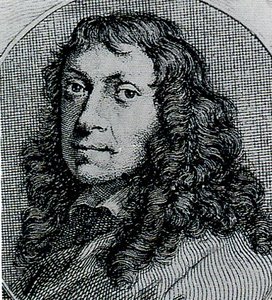
Willem Kalf
1619 - 1693 , Países Bajos
Breves datos
- Artistas Influenciados: ['Hermanos Le Nain']
- Artistas Que Influyeron:
- David Teniers el Joven
- Simon Luttichuys
- Fecha De Fallecimiento: 1693
- Fecha De Nacimiento: 1619
- Lugar De Nacimiento: Rotterdam, Países Bajos
- Movimiento Artístico: Pintura de bodegones
- Nacionalidad: Neerlandés
- Nombre Completo: Willem Kalf
- Obras Notables:
- Interior de una cocina
- Bodegón con jarra de plata

