 Ver en contexto
 Enviar
 Compartir
 Detalles

 Descargar
 Similares
 Radiografía
 Presentación de diapositivas
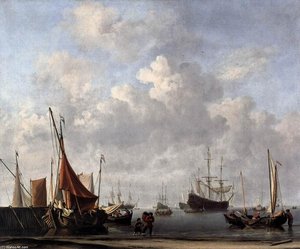
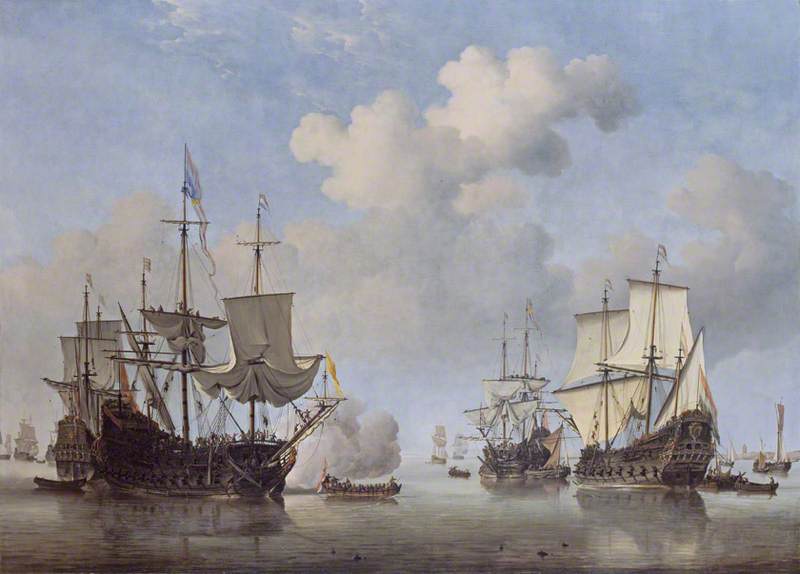
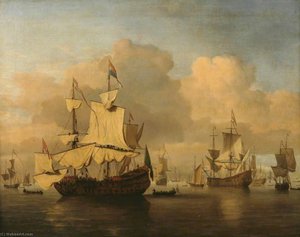
Calm Dutch Ships Coming to Anchor
 Oil On Canvas
- WallArt
- Dutch Golden Age Painting
 1655
1655 170.0 x 233.0 cm
 The Wallace Collection
 Ver más
Reproducción al óleo hecha a mano
Óleo sobre lienzo pintado a mano en el tamaño y marco de su elección, realizado por encargo por nuestros artistas. ( Comprar impresión Comprar imagen)




P118B $10

P118H $10

P118W $10

P438Z $10

P508JH $12

P508YH $12

P805H $10

P805Z $10

P919BZ $10

P919G $10

P919XJ $10

P959ZH $10

P968JZ $12

W106C $8

W218G $10

W218JH $8

W218Y $10

W307PJ $10

W316G $10

W316PJ $8

W316Y $10

W398PJ $8

W4111J $10

W500HY $15

W500JH $15

W692G $12

W849H $8

W940BG $15

W953PJ $8




Elija entre nuestros tamaños predefinidos que respetan las proporciones originales de la obra.

Puede ingresar sus propias dimensiones para adaptarse a un marco o espacio específico. Si el tamaño seleccionado no coincide con las proporciones de la imagen original, recortaremos la obra o extenderemos la pintura con elementos adicionales pintados a mano. Se le enviará una maqueta digital para su aprobación antes de comenzar la producción.
Tenga en cuenta que la vista previa en pantalla no refleja el recorte o la extensión reales. Solo la maqueta mostrará con precisión la composición final.
Si bien existen tamaños personalizados, recomendamos seleccionar una dimensión de la lista predefinida para preservar las proporciones originales.
Tras realizar el pedido, el equipo de ArtsDot.com enviará un correo electrónico al cliente para solicitar instrucciones y proporcionarle una vista previa del boceto.
Envío a todo el mundo () en 3-4 semanas en lugar de las 5 semanas estándar. (23 agosto). Sin comprometer la calidad.

Envío exprés gratuito a todo el mundo

Lienzo de lino de alta calidad

Seguro de envío total

Garantía de reembolso de impuestos aduaneros

Garantía de fidelidad cromática exacta

Política de devolución de 60 días (solo por defectos)

Garantía de devolución del 100% del dinero

Descuento por cantidad
 La opción de vidrio solo está disponible en tamaños inferiores a 110 cm.

Calm Dutch Ships Coming to Anchor
Técnica de reproducción
Dimensiones de la reproducción
-


Precio total final
$ 313
Descripción de la obra
A Moment Frozen in Time: Willem van de Velde the Elder’s ‘Calm Dutch Ships Coming to Anchor’
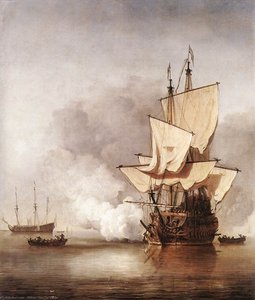
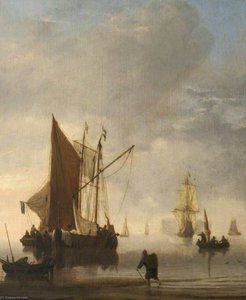
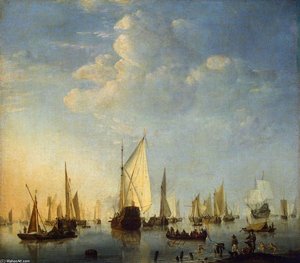
Willem van de Velde the Elder's “Calm Dutch Ships Coming to Anchor” isn’t merely a seascape; it’s a meticulously crafted tableau of 17th-century maritime life, imbued with a profound sense of order and the quiet dignity of the Dutch Republic at its zenith. Painted around 1655, this work transports us to a specific moment – a calm afternoon on the North Sea, where several imposing Dutch merchant ships, their hulls painted in sober browns and greys, are gracefully approaching an anchor, signaling their imminent arrival at port. The scene unfolds with a remarkable sense of realism, achieved through Van de Velde’s mastery of detail and his innovative use of pen technique – a method he pioneered that allowed for incredibly precise renderings while maintaining the durability of oil paint.
The painting's power lies not just in its technical brilliance but also in its subtle evocation of a bygone era. The Dutch Golden Age, spanning roughly from the mid-16th to the early 18th centuries, was a period of unprecedented prosperity and artistic flourishing. Maritime trade fueled this wealth, transforming the Netherlands into a global power. Van de Velde’s work directly reflects this reality, celebrating the nation's maritime prowess and its role as a leading force in international commerce. The ships themselves – symbols of economic strength and national identity – are presented with an almost reverential respect, highlighting their importance within the Dutch economy.
The Language of Light and Line: Deconstructing Van de Velde’s Technique
Van de Velde's technique is a testament to his dedication to accuracy and observation. He employed a painstaking process, beginning with detailed pen drawings that served as the foundation for his oil paintings. This meticulous approach is immediately apparent in the rendering of the ships’ rigging – an intricate network of ropes and sails rendered with astonishing precision. The artist skillfully utilizes linear perspective to create a convincing sense of depth, drawing the viewer's eye into the scene and emphasizing the vastness of the ocean. Notice how the distant shoreline recedes into a hazy blue, while the foreground vessels appear larger and more detailed – a classic technique for conveying spatial relationships.
The color palette is deliberately restrained, dominated by muted tones of grey, brown, and white. This limited range of colors contributes to the painting’s overall sense of calm and stability, mirroring the tranquil conditions depicted. Subtle variations in hue create a remarkable illusion of light and shadow, adding volume and depth to the forms. The artist masterfully employs glazes – thin layers of translucent paint applied over dried underlayers – to build up color gradually, achieving a luminous quality that is characteristic of Dutch Golden Age painting.
Symbolism and Emotional Resonance: More Than Just a Ship
Beyond its technical merits, “Calm Dutch Ships Coming to Anchor” carries significant symbolic weight. The act of anchoring represents the culmination of a long voyage – a return home after months at sea. It signifies not only economic success but also the restoration of order and stability. The ships themselves are emblems of national pride, representing the wealth and power of the Dutch Republic. The scene evokes a feeling of quiet contemplation, inviting the viewer to reflect on the importance of trade, exploration, and the enduring connection between humanity and the sea.
Furthermore, the painting’s composition – with its balanced arrangement of ships and the expansive horizon – suggests a sense of harmony and control. It reflects the Dutch belief in reason, order, and the ability to shape one's environment. The overall effect is profoundly calming, offering a momentary respite from the uncertainties of life.
A Legacy Preserved: The Work of a Master
Willem van de Velde the Elder (1611-1693) was a pivotal figure in Dutch art history. His innovative pen technique revolutionized seascape painting, and his works are celebrated for their realism, detail, and atmospheric effects. “Calm Dutch Ships Coming to Anchor” stands as one of his most iconic achievements, offering a captivating glimpse into the world of 17th-century maritime life. Today, reproductions of this masterpiece continue to inspire admiration for Van de Velde’s skill and vision, reminding us of the enduring power of art to transport us across time and space.
Obras relacionadas

Biografía del artista
Vida temprana y carrera
Willem van de Velde el Anciano, un renombrado pintor holandés del Siglo de Oro especializado en paisajes marinos, nació en Leiden, Países Bajos, alrededor de 1611. Su padre, Willem Willemsz van de Velde, era un patrón flamenco, lo que probablemente influyó en el interés de su hijo por el arte marítimo.Estilo artístico y técnica
El trabajo de Van de Velde se caracteriza por su precisión y atención al detalle. Fue pionero en la técnica de pintura con pluma (penschilderij), que consistía en crear obras de arte detalladas y duraderas utilizando tinta sobre panel o lienzo. Este enfoque innovador permitía que sus piezas se asemejaran a elaborados dibujos, manteniendo al mismo tiempo la durabilidad de una pintura. Su habilidad para capturar la textura del agua, el movimiento de las velas y los detalles intrincados de los barcos lo distinguieron de otros artistas de su época.Obras notables y colaboraciones
- La batalla de Texel, 1687 (óleo sobre lienzo) - Una representación dramática de una importante batalla naval.
- El incendio del Royal James en la batalla de Solebay (dibujo) - Un estudio detallado de un evento trágico durante una batalla naval.
- Colaboración con Carlos II de Inglaterra, produciendo pinturas de barcos británicos y batallas navales – Esta colaboración real le proporcionó acceso a información privilegiada sobre los buques de la marina inglesa, lo que enriqueció sus representaciones.
Influencias y desarrollo
Van de Velde se benefició de una rica tradición artística holandesa centrada en el retrato marítimo. Aunque su padre influyó inicialmente en su interés por el mar, desarrolló un estilo único que trascendía las convenciones existentes. Su técnica de pintura con pluma le permitió crear obras de arte increíblemente detalladas y duraderas, lo que era particularmente valioso para documentar eventos navales importantes. Su trabajo evolucionó desde representaciones más simples a escenas complejas y dinámicas que capturaban la emoción y el caos de la batalla naval.Legado e importancia histórica
Willem van de Velde el Anciano dejó un legado duradero en la pintura paisajista holandesa del Siglo de Oro. Sus técnicas innovadoras, su atención al detalle y sus colaboraciones con figuras prominentes han consolidado su lugar en la historia del arte. Sus obras son valiosas no solo por su belleza artística sino también como documentos históricos que ofrecen información sobre los barcos, las tácticas navales y la vida marítima de su época. El Museo Universiteitsbibliotheek (Leiden, Países Bajos) - una guía completa en ArtsDot.com proporciona más información sobre el contexto cultural del trabajo de Van de Velde.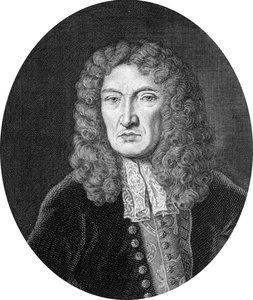
Willem van de Velde el Anciano
1611 - 1693 , Países Bajos
Datos clave
- Fechas Importantes: {'Fallecimiento': '1693', 'Nacimiento': 'c. 1611'}
- Lugar De Nacimiento: Leiden, Países Bajos
- Movimiento Artístico O Estilo: Pintura marina del Siglo de Oro Neerlandés
- Nacionalidad: Neerlandés
- Nombre Completo: Willem van de Velde el Anciano
- Obras Notables:
- La batalla de Texel (1687)
- El incendio del Royal James
- Embarque del rey Carlos II
Artículos relacionados
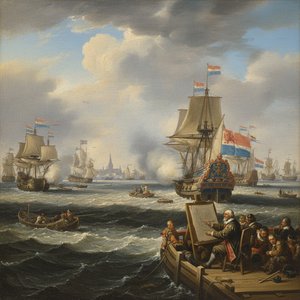
Willem van de Velde the Elder: Master of Maritime Painting & Chronicler of the Dutch Golden Age
Discover the captivating maritime paintings of Willem van de Velde the Elder, a master chronicler of the Dutch Golden Age. Explore his unparalleled realism and lasting influence on naval art history.

Goya: Las 25 Obras Maestras del Genio Español | Reproducciones de Arte en ArtsDot
Descubre las 25 obras maestras de Goya, el genio español. Explora retratos icónicos, 'Los Caprichos' y 'Las Pinturas Negras'. Reproducciones de arte en lienzo de alta calidad para decorar tu hogar con estilo. ¡Encuentra tu obra favorita en ArtsDot.com!

Rembrandt van Rijn: Las 25 Obras Maestras que Definen un Genio | Arte, Historia y Decoración
Descubre las 25 obras maestras de Rembrandt van Rijn, el genio del barroco holandés. Explora su historia, técnica y simbolismo en retratos icónicos como 'La Ronda Nocturna'. Encuentra reproducciones de arte exclusivas para decorar tu hogar con ArtsDot.com.
The Allure of the Horizon: A Comprehensive Exploration of Seascape Art Through History & Emotion
Explore the captivating world of seascape art! Discover its history, key artists & movements – from Dutch Masters to Impressionism. Expert insights for collectors and enthusiasts at ArtsDot.
Hendrik Willem Mesdag: Pioneering Impressionism & the Dutch Maritime Tradition
Explore the life & work of Hendrik Willem Mesdag, a pioneer of Dutch Impressionism and leading figure of the Hague School. Discover his captivating seascapes and the immersive Panorama Mesdag – a true masterpiece.