 Vista previa
 Compartir
 Compartir
 Ver detalles

 Descargar
 Ver similares
 Radiografía
 Presentación de diapositivas
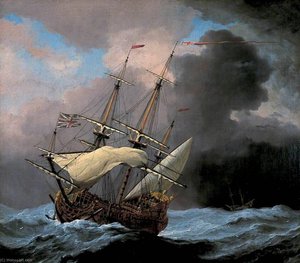
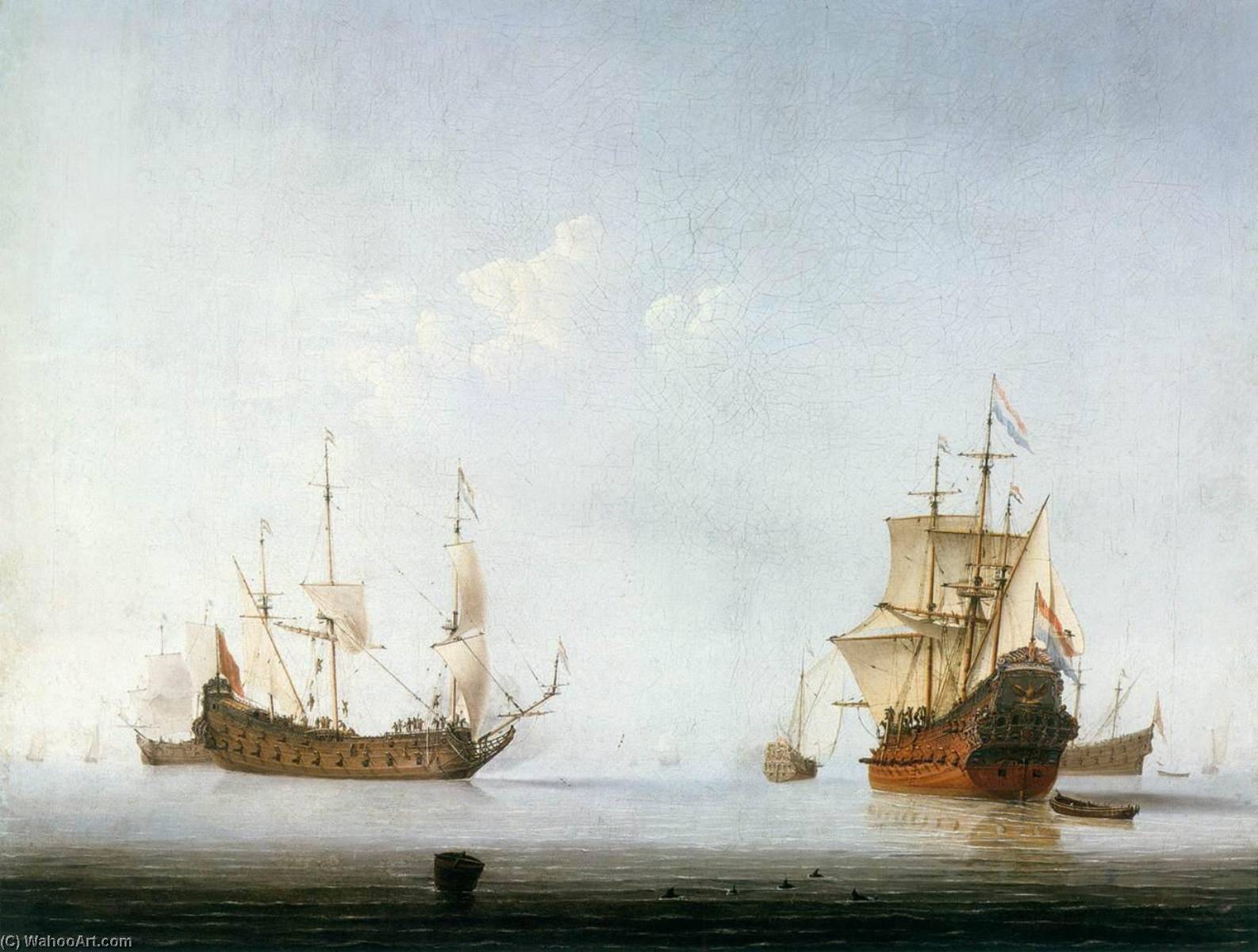
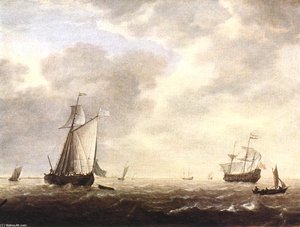
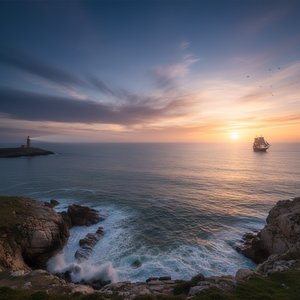
Calm Sea
 Acrylic On Canvas
- WallArt
- Impressionistic Landscape
 516.0 x 565.0 cm
 Pinacoteca Antigua de Múnich
 Leer más
Reproducción al óleo hecha a mano
Óleo sobre lienzo pintado a mano en el tamaño y marco de su elección, realizado por encargo por nuestros artistas. ( Pedir impresión Comprar descarga)




P118B $10

P118H $10

P118W $10

P438Z $10

P508JH $12

P508YH $12

P805H $10

P805Z $10

P919BZ $10

P919G $10

P919XJ $10

P959ZH $10

P968JZ $12

W106C $8

W218G $10

W218JH $8

W218Y $10

W307PJ $10

W316G $10

W316PJ $8

W316Y $10

W398PJ $8

W4111J $10

W500HY $15

W500JH $15

W692G $12

W849H $8

W940BG $15

W953PJ $8




Elija entre nuestros tamaños predefinidos que respetan las proporciones originales de la obra.

Puede ingresar sus propias dimensiones para adaptarse a un marco o espacio específico. Si el tamaño seleccionado no coincide con las proporciones de la imagen original, recortaremos la obra o extenderemos la pintura con elementos adicionales pintados a mano. Se le enviará una maqueta digital para su aprobación antes de comenzar la producción.
Tenga en cuenta que la vista previa en pantalla no refleja el recorte o la extensión reales. Solo la maqueta mostrará con precisión la composición final.
Si bien existen tamaños personalizados, recomendamos seleccionar una dimensión de la lista predefinida para preservar las proporciones originales.
Tras realizar el pedido, el equipo de ArtsDot.com enviará un correo electrónico al cliente para solicitar instrucciones y proporcionarle una vista previa del boceto.
Envío a todo el mundo () en 3-4 semanas en lugar de las 5 semanas estándar. (22 agosto). Sin comprometer la calidad.

Envío exprés gratuito a todo el mundo

Lienzo de lino de alta calidad

Seguro de envío completo

Garantía de reembolso de aranceles aduaneros

Garantía de fidelidad cromática exacta

Política de devolución de 60 días (solo por defectos)

Garantía de devolución del 100% del dinero

Oferta por volumen
 La opción de vidrio solo está disponible en tamaños inferiores a 110 cm.

Calm Sea
Técnica de reproducción
Tamaño de la reproducción
-


Precio total
$ 263
Descripción de la obra
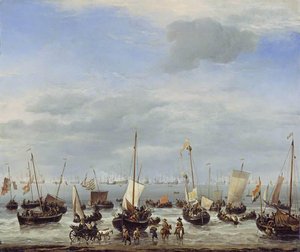
Willem van de Velde the Younger: Capturing Calm Amidst Turbulent Seas
Willem van de Velde the Younger (1633-1707) stands as a pivotal figure in Dutch maritime painting, embodying the spirit of his era and establishing himself as one of Rembrandt’s successors. Born into a family steeped in artistic tradition—his father, Willem van de Velde the Elder, was already a celebrated master of seascapes—Willem inherited not only technical skill but also an unwavering dedication to portraying the grandeur and drama of naval warfare alongside serene depictions of coastal vistas.
His distinctive style is characterized by meticulous detail and a remarkable ability to convey atmosphere. Unlike many contemporaries who favored grand, theatrical compositions, Van de Velde excelled at capturing subtle nuances—the shifting light on water, the delicate rigging of ships, the expressions of sailors—creating images that resonate with realism and immediacy. He achieved this through masterful use of oil paint, applying thin glazes over underlayers to build up color gradually and achieve luminous effects. This technique allowed him to render textures convincingly, from the rough surface of weathered timbers to the glistening spray of waves.
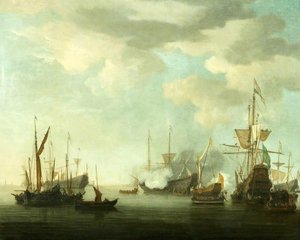
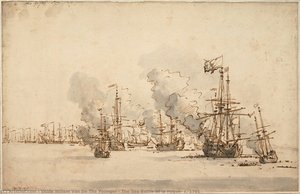
- Notable Works: Among his most iconic paintings are “Dutch Men o’ War and Other Shipping in a Calm,” showcasing a meticulously rendered fleet battling amidst turbulent seas—a testament to Van de Velde's understanding of naval strategy and visual storytelling. Equally impressive is “The Sea Battle at La Hogue,” commemorating the decisive victory against Louis XIV’s forces, demonstrating his ability to convey the intensity of combat while maintaining compositional balance.
- Influence: Van de Velde’s influence extended beyond his own artistic output; he mentored younger painters and disseminated his techniques throughout the Netherlands, shaping the trajectory of maritime art for decades to come.
- Commissioned by Royalty: His patronage by Charles II of England—who commissioned numerous paintings depicting naval engagements—further cemented his reputation as a court artist and ensured that his works would be admired across Europe.
A Symphony of Light and Texture: Analyzing Van de Velde’s Technique
What distinguishes Van de Velde's oeuvre is not merely the subject matter but also his unparalleled command of artistic technique. He meticulously studied the effects of light on water, painstakingly recreating reflections and refractions with astonishing accuracy. This dedication to realism extended beyond visual representation; he sought to evoke a palpable sense of movement and dynamism—the surge of waves, the sway of ships—capturing the very essence of maritime experience.
His use of glazing—applying thin layers of translucent paint over underlying colors—was particularly innovative. This method allowed him to achieve subtle tonal variations and create depth without resorting to heavy brushstrokes. By layering glazes upon glazes, Van de Velde achieved remarkable luminosity and vibrancy, imbuing his paintings with an ethereal quality that continues to captivate viewers today.
Historical Context: The Dutch Golden Age and Naval Power
Van de Velde’s artistic endeavors unfolded during the Dutch Golden Age (roughly 1650-1702), a period of unprecedented prosperity and cultural flourishing in the Netherlands. This era witnessed a surge in maritime trade and naval expansion, fueled by colonial ambitions and rivalries with European powers like England and Spain.
Consequently, Van de Velde’s paintings served as visual chronicles of these turbulent times—depicting naval battles, commemorating victories, and celebrating the achievements of Dutch sailors. However, he wasn't solely focused on warfare; his serene seascapes conveyed a profound appreciation for the beauty of nature and offered solace amidst the anxieties of an era marked by political instability.
Symbolism Beyond Representation: Emotion and Atmosphere
Beyond mere visual accuracy, Van de Velde’s paintings resonate with emotional depth. The artist skillfully employed compositional devices—such as diagonal lines and asymmetrical arrangements—to heighten tension and convey a sense of drama in battle scenes. Simultaneously, he infused his calmer compositions with an atmosphere of tranquility and contemplation.
The muted palette—dominated by blues, greens, and browns—reinforced the mood of serenity while subtly hinting at the underlying forces shaping the maritime world. Through meticulous observation and artistic intuition, Van de Velde transformed landscapes into expressions of feeling—a legacy that continues to inspire artists and collectors alike.
Conclusion: An Enduring Masterpiece
Willem van de Velde the Younger’s paintings represent more than just skillful depictions of naval vessels; they embody a profound understanding of human experience and an unwavering commitment to artistic excellence. His legacy endures not only in his celebrated artworks but also in his influence on subsequent generations of painters—a testament to his enduring contribution to the history of art.
Obras relacionadas


Biografía del artista
biografía y contribuciones artísticas
Willem van de Velde el Younger, un renombrado pintor holandés de marina, nació en 1633 en Leiden, Países Bajos. Como hijo de Willem van de Velde the Elder, también pintor de paisajes marinos, Willem van de Velde el Younger recibió instrucción de su padre y posteriormente por Simon de Vlieger, un reputado pintor marino de la época.estilo artístico y obras notables
El estilo artístico de Willem van de Velde el Younger se caracteriza por una delicada, animada y terminada ejecución, con un dibujo correcto de los buques y sus aparejos. Sus pinturas a menudo presentan numerosas figuras, introducidas con éxito para contar una historia. Algunas de sus obras más destacadas incluyen:- Buques de guerra holandeses y otros buques en calma (disponible en ArtsDot.com)
- La batalla naval de La Hogue, c. 1701 (Albertina, Viena, Austria) (ver en ArtsDot.com)
- Calma - dos buques holandeses (ver en ArtsDot.com)
- Tres buques en una tormenta (ver en ArtsDot.com)
- Buques holandeses en calma (ver en ArtsDot.com)
desarrollo y evolución artística
Willem van de Velde el Younger, influenciado por su padre y Simon de Vlieger, desarrolló un estilo propio que se caracterizaba por la precisión en la representación de los buques y sus detalles técnicos, así como por la habilidad para crear escenas marítimas dinámicas y narrativas. Su capacidad para representar multitud de figuras con realismo y expresividad contribuyó a la riqueza y complejidad de sus obras. A medida que maduró como artista, su trabajo se volvió más ambicioso en escala y temática, abordando batallas navales y eventos históricos con gran detalle y dramatismo.legado e importancia histórica
El legado de Willem van de Velde el Younger como maestro de la pintura marina holandesa continúa inspirando a artistas y entusiastas del arte por igual. Su atención al detalle y su capacidad para capturar la esencia del mar han convertido sus pinturas en clásicos atemporales. Como figura destacada del Siglo de Oro holandés, su obra permanece como una parte integral de la historia del arte. Su traslado a Inglaterra y su servicio a la corona inglesa también contribuyeron significativamente al desarrollo de la pintura marina inglesa en el siglo XVIII.fechas importantes
- Nacido: 1633, Leiden, Países Bajos
- Fallecido: 6 de abril de 1707, Londres, Inglaterra
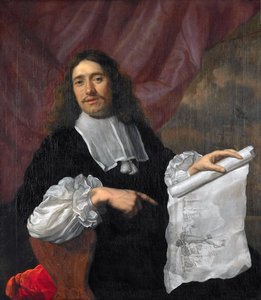
Willem van de Velde el Joven
1633 - 1707 , Países Bajos
Datos clave
- Estilo Artístico: Pintor marino holandés
- Fecha De Fallecimiento: 1707
- Fecha De Nacimiento: 1633
- Influencias Artísticas:
- Willem van de Velde el Elder
- Simon de Vlieger
- Lugar De Nacimiento: Leiden, Países Bajos
- Nacionalidad: Neerlandés
- Nombre Completo: Willem van de Velde el Younger
- Obras Notables:
- Dutch men o' war en calma
- Batalla naval en La Hogue
- Calma - dos buques holandeses
- Tres barcos en una tormenta
- Buques holandeses en calma
Artículos relacionados
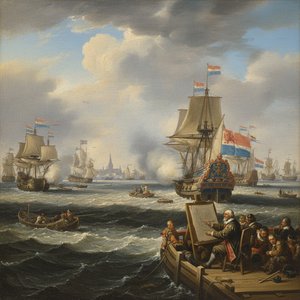
Willem van de Velde the Elder: Master of Maritime Painting & Chronicler of the Dutch Golden Age
Discover the captivating maritime paintings of Willem van de Velde the Elder, a master chronicler of the Dutch Golden Age. Explore his unparalleled realism and lasting influence on naval art history.

Rembrandt van Rijn: Las 25 Obras Maestras que Definen un Genio | Arte, Historia y Decoración
Descubre las 25 obras maestras de Rembrandt van Rijn, el genio del barroco holandés. Explora su historia, técnica y simbolismo en retratos icónicos como 'La Ronda Nocturna'. Encuentra reproducciones de arte exclusivas para decorar tu hogar con ArtsDot.com.

Goya: Las 25 Obras Maestras del Genio Español | Reproducciones de Arte en ArtsDot
Descubre las 25 obras maestras de Goya, el genio español. Explora retratos icónicos, 'Los Caprichos' y 'Las Pinturas Negras'. Reproducciones de arte en lienzo de alta calidad para decorar tu hogar con estilo. ¡Encuentra tu obra favorita en ArtsDot.com!
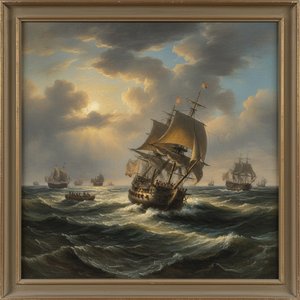
Ludolf Backhuysen I: Master of Dutch Marine Painting & Atmospheric Realism
Explore the captivating world of Ludolf Backhuysen I, a master of Dutch marine painting. Discover his signature realism, atmospheric seascapes & lasting influence on art history. Learn about collecting and appreciating this Golden Age artist.
The Allure of the Horizon: A Comprehensive Exploration of Seascape Art Through History & Emotion
Explore the captivating world of seascape art! Discover its history, key artists & movements – from Dutch Masters to Impressionism. Expert insights for collectors and enthusiasts at ArtsDot.