

 Ver en contexto
 Enviar
 Compartir
 Detalles

 Descargar
 Similares
 Radiografía
 Presentación de diapositivas
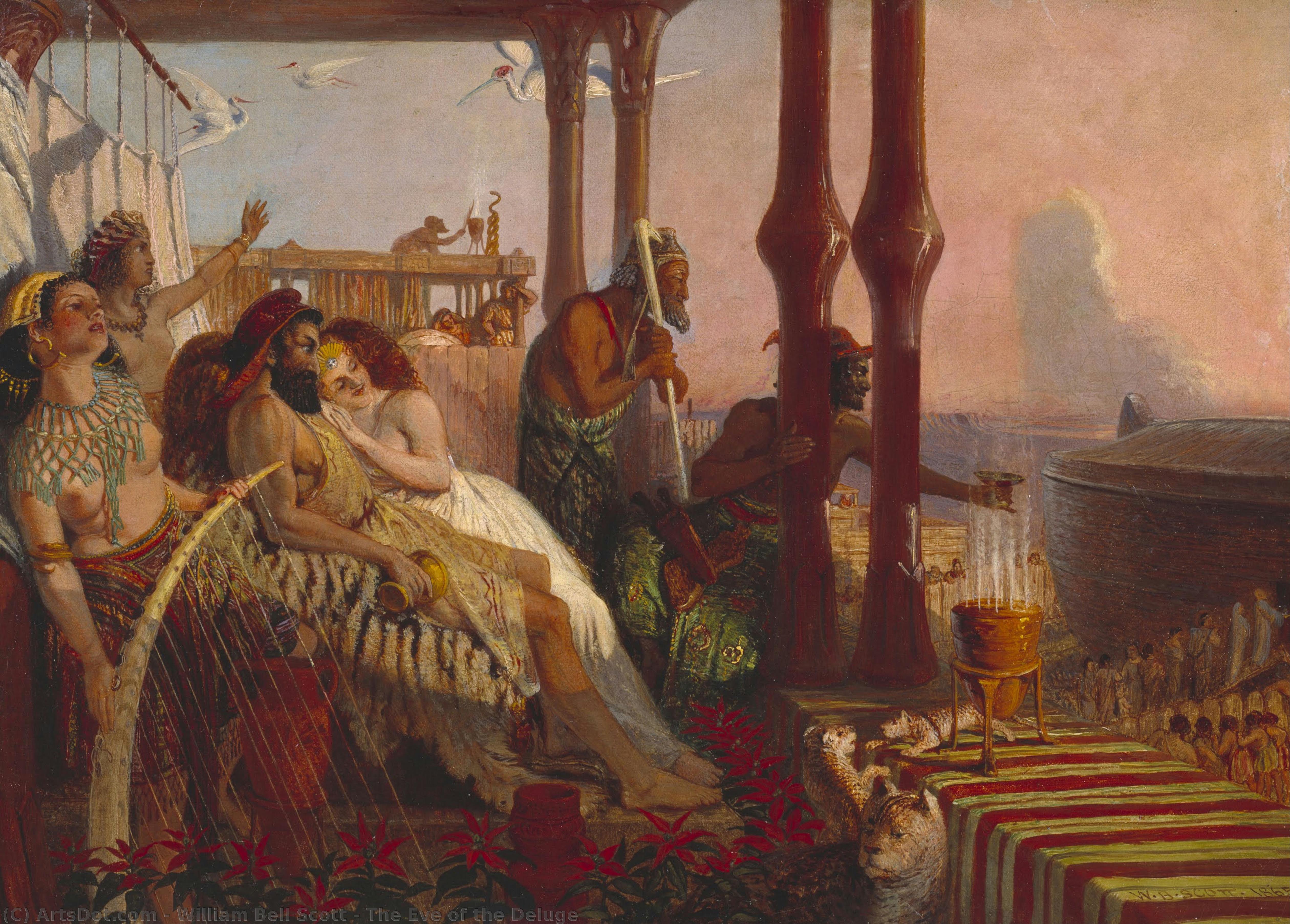
The Eve of the Deluge
 Oil On Canvas
- WallArt
- Pre-Raphaelite Brotherhood
 1865
1865- 19th Century
 44.0 x 32.0 cm
 Tate Britain
 Ver más
Giclée / Impresión de arte
Impresiones giclée o en lienzo de calidad de museo con producción rápida y opciones de acabado flexibles. ( Comprar pintura hecha a mano Comprar imagen)




P118B $10

P118H $10

P118W $10

P438Z $10

P508JH $12

P508YH $12

P805H $10

P805Z $10

P919BZ $10

P919G $10

P919XJ $10

P959ZH $10

P968JZ $12

W106C $8

W218G $10

W218JH $8

W218Y $10

W307PJ $10

W316G $10

W316PJ $8

W316Y $10

W398PJ $8

W4111J $10

W500HY $15

W500JH $15

W692G $12

W849H $8

W940BG $15

W953PJ $8




Elija entre nuestros tamaños predefinidos que respetan las proporciones originales de la obra.

Puede introducir sus propias dimensiones para adaptarse a un marco o espacio específico. Si el tamaño seleccionado no coincide con las proporciones de la imagen original, recortaremos la obra de arte o extenderemos la imagen con un borde con efecto espejo o de color sólido. Se enviará una maqueta digital para su aprobación antes de que comience la producción.
Tenga en cuenta que la vista previa en pantalla no refleja el recorte o la extensión real. Solo la maqueta mostrará con precisión la composición final.
Aunque existen tamaños personalizados, recomendamos seleccionar una dimensión de la lista predefinida para preservar las proporciones originales.
Envío a todo el mundo () en 2 semanas en lugar de las 4/5 semanas estándar. (27 agosto)

Envío exprés gratuito a todo el mundo

Lienzo de lino de alta calidad

Seguro de envío total

Garantía de reembolso de impuestos aduaneros

Garantía de fidelidad cromática exacta

Política de devolución de 60 días (solo por defectos)

Garantía de devolución del 100% del dinero

Descuento por cantidad
 La opción de vidrio solo está disponible en tamaños inferiores a 110 cm.

The Eve of the Deluge
Giclée / Impresión de arte
Dimensiones de la reproducción
-


Precio total final
$ 62
A Moment Suspended Between Worlds
William Bell Scott’s The Eve of the Deluge is not merely a depiction of biblical narrative; it is a profound meditation on choice, consequence, and the inescapable march of divine judgment. The canvas captures that exquisite, agonizing breath held just before catastrophe—the moment when humanity stands at a precipice, forced to confront the weight of their own actions against the backdrop of impending cosmic change. Scott masterfully juxtaposes two distinct realities within this single frame: the doomed opulence of earthly pleasure and the solemn, necessary passage toward salvation.
The Contrast of Civilization and Warning
Observe the composition’s dramatic tension. On one side, we find a tableau vivant of decadent revelry—the "debauched eastern prince and his court." Their costumes suggest exoticism and worldly excess, their interactions radiating a careless joy that seems utterly oblivious to the gathering storm. This group embodies the seductive allure of life lived purely for the moment. Contrasting this vibrant, almost reckless gaiety are Noah and his family. They move with a palpable sense of purpose, their attention drawn upward, toward the ominous cloud dominating the sky. Scott uses light and shadow not just as elements of painting, but as moral signifiers; the bright, warm tones bathing the revelers contrast sharply with the cooler, more somber palette surrounding the ark’s entrance.
Technique and Emotional Resonance
Executed in oil on canvas, this piece showcases Scott's skilled handling of narrative drama. While his connection to the Pre-Raphaelite circle suggests an affinity for rich detail and symbolic depth, the overall effect here is one of sweeping Romantic grandeur. The composition draws the eye across the water—the dividing line between the known world and the unknown passage. For collectors and designers alike, this painting offers unparalleled emotional depth; it speaks to universal themes of hubris versus piety, making it a powerful focal point for any grand hall or library.
Historical Context and Enduring Symbolism
Painted in 1865, the work reflects the Victorian era’s deep engagement with moral allegory and historical narrative. Scott channels that period's fascination with epic storytelling. The symbolism is rich: the ark itself represents preservation and covenant; the cloud signifies divine decree. Owning a reproduction of The Eve of the Deluge allows one to connect with this enduring human struggle—the eternal tension between fleeting earthly pleasures and the profound, guiding truths that await us beyond the visible horizon.
Obras relacionadas
Biografía del artista
William Bell Scott: Un Artista Escocés de la Historia, la Industria y las Conexiones Prerrafaelitas
- Nacido: Edimburgo, Reino Unido (1811)
- Fallecido: 1890
William Bell Scott fue un multifacético artista escocés reconocido por su trabajo en óleo, acuarela y grabado. Más allá de sus actividades artísticas, se distinguió como poeta y profesor de arte, dejando atrás memorias autobiográficas publicadas póstumamente que ofrecen una visión vívida del vibrante círculo de artistas prerrafaelitas. Su carrera abarcó diversos temas, desde paisajes e historias hasta representaciones innovadoras de procesos industriales, estableciéndolo como uno de los primeros artistas británicos en retratar extensivamente la Revolución Industrial.
Vida Temprana y Desarrollo Artístico
- Antecedentes Familiares: Nacido en Edimburgo, Scott era hijo del grabador Robert Scott (1777–1841) y hermano del pintor David Scott. Esta ascendencia artística sin duda influyó en su desarrollo temprano.
- Educación y Primeros Trabajos: Estudió arte y ayudó a su padre mientras publicaba versos en revistas escocesas, demostrando una aptitud temprana tanto para la expresión visual como literaria.
- Traslado a Londres (1837): Un momento crucial llegó cuando Scott se mudó a Londres en 1837, donde se casó con Letitia Margery Norquoy en 1839. Esta reubicación marcó un cambio hacia una mayor reconocimiento artístico.
Años en Newcastle y Representaciones de la Industria
- Director del Gobierno School of Art (1843-1864): La carrera de Scott tomó un giro significativo cuando fue nombrado director del gobierno School of Art en Newcastle upon Tyne. Este cargo duró dos décadas, durante las cuales participó activamente en la organización de la enseñanza y los exámenes de arte bajo el Departamento de Ciencia y Arte.
- Alice Boyd & Penkill Castle: Una estudiante de la Newcastle School, Alice Boyd, hermana del Laird de Penkill Castle, se convirtió en una figura importante en la vida de Scott, lo que llevó a una relación duradera que comenzó con una visita al Castillo de Penkill en 1860.
- Enfoque en Temas Industriales: Su tiempo en Newcastle impactó profundamente su enfoque artístico. Incorporó temas industriales a su repertorio, convirtiéndose en uno de los pioneros en la representación de los procesos y las realidades de la Revolución Industrial – una contribución única al arte británico.
Obras Principales y Estilo Artístico
- Murales de Wallington Hall: Las obras más celebradas de Scott son la serie de murales en Wallington Hall, Northumberland (ahora gestionada por el National Trust). Estos comprenden ocho grandes pinturas que ilustran la historia fronteriza con figuras a tamaño natural, complementadas con dieciocho que representan el balada de Chevy Chase dentro de los arcos del salón.
- Ciclo de Penkill Castle: Un ciclo histórico similar se ejecutó para Penkill Castle en Escocia, ilustrando The Kingis Quair de James I.
- Retratismo: Aunque no era principalmente retratista, su impactante retrato de Algernon Charles Swinburne sigue siendo una imagen icónica del poeta y un testimonio de su habilidad para capturar el carácter.
- Conexiones Prerrafaelitas: Scott mantuvo estrechos vínculos con la Hermandad Prerrafaelita, particularmente Dante Gabriel Rossetti, quien pintó el retrato de Maria Leathart en casa de Scott en Newcastle.
Vida Posterior, Aspiraciones Literarias y Legado
- Regreso a Londres & Amistad con Rossetti: Después de 1870, Scott pasó mucho tiempo en Londres, convirtiéndose en un íntimo amigo de Rossetti y obteniendo reconocimiento tanto como artista como autor. Se sabía que tenía desacuerdos con John Ruskin.
- Contribuciones Literarias: Los esfuerzos literarios de Scott incluyeron la publicación de volúmenes de poesía (notablemente Poems, 1875, ilustrado con sus propias grabados) y crítica artística/literaria. Su poesía se inspiró en Blake y Shelley y fue influenciada por Rossetti.
- Memorias: Renunció al Departamento de Ciencia y Arte en 1885 y se dedicó a escribir sus notas autobiográficas, publicadas póstumamente en 1892 con un memorial del Profesor Minto.
- Significado Histórico: William Bell Scott es recordado principalmente por su conexión con el círculo de Rossetti y sus representaciones pioneras de la Revolución Industrial, asegurando su lugar como una figura importante en el arte británico del siglo XIX.
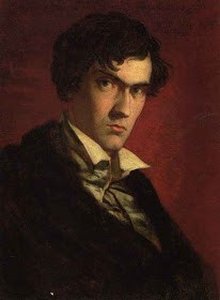
William Bell Scott
1811 - 1890 , Reino Unido
Datos clave
- Artistas Que Influyeron: ['Dante Gabriel Rossetti']
- Fecha De Fallecimiento: 1890
- Fecha De Nacimiento: 1811
- Lugar De Nacimiento: Edimburgo, Reino Unido
- Movimiento Artístico: Prerrafaelismo
- Nacionalidad: Escocés
- Nombre Completo: William Bell Scott
- Obras Notables:
- King Egfrid y el Obispo Trumwine
- Rosamund en su bower
- La Cosecha de los Poetas
- Construcción del Nuevo Castillo
Artículos relacionados

Dante Gabriel Rossetti: Las 25 Obras Maestras del Prerrafaelismo | ArtsDot
Descubre las 25 obras maestras de Dante Gabriel Rossetti, el máximo exponente del Prerrafaelismo. Explora su simbolismo, retratos victorianos y la belleza femenina en lienzos inolvidables. Reproducciones de arte exclusivas en ArtsDot.com.

La Hermandad Prerrafaelita: Rebelión Estética y Romance Medieval en el Arte Victoriano
Descubre la fascinante historia de la Hermandad Prerrafaelita y su rebelión estética contra el arte victoriano. Análisis profundo de sus obras, temas y legado con expertos en arte.

Giclée Prints: Archival Quality & Aesthetic Nuances for the Discerning Collector
Explore the world of giclée prints with ArtsDot. Learn about archival quality, aesthetic nuances & investment potential. Expert guidance for discerning art collectors seeking museum-quality reproductions and lasting value.
John William Waterhouse: Pre-Raphaelite Mythmaker & Poetic Depictions of Female Identity
Explore the captivating world of John William Waterhouse, a master of Pre-Raphaelite painting. Discover his iconic depictions of mythology and female identity in this expert guide.
Sir John Everett Millais: Pre-Raphaelite Rebellion & Victorian Narrative Detail
Explore the revolutionary art of Sir John Everett Millais & the Pre-Raphaelite Brotherhood. Discover their radical realism, symbolic narratives, and lasting impact on Victorian aesthetics. A deep dive into 19th-century masterpieces.

