 Compartir
 Compartir
 Ver detalles

 Descargar
 Ver similares
 Presentación de diapositivas
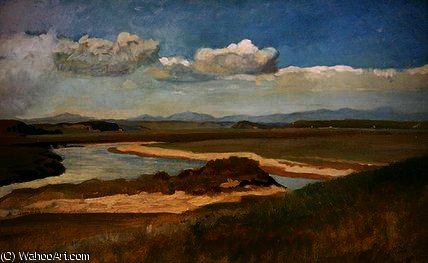
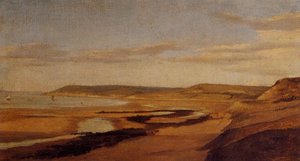
A View of the Tiber near Rome


 Leer más
Reproducción al óleo hecha a mano
Óleo sobre lienzo pintado a mano en el tamaño y marco de su elección, realizado por encargo por nuestros artistas. ( Pedir impresión Comprar descarga)




































Elija entre nuestros tamaños predefinidos que respetan las proporciones originales de la obra.

Puede ingresar sus propias dimensiones para adaptarse a un marco o espacio específico. Si el tamaño seleccionado no coincide con las proporciones de la imagen original, recortaremos la obra o extenderemos la pintura con elementos adicionales pintados a mano. Se le enviará una maqueta digital para su aprobación antes de comenzar la producción.
Tenga en cuenta que la vista previa en pantalla no refleja el recorte o la extensión reales. Solo la maqueta mostrará con precisión la composición final.
Si bien existen tamaños personalizados, recomendamos seleccionar una dimensión de la lista predefinida para preservar las proporciones originales.
Tras realizar el pedido, el equipo de ArtsDot.com enviará un correo electrónico al cliente para solicitar instrucciones y proporcionarle una vista previa del boceto.
Envío a todo el mundo () en 3-4 semanas en lugar de las 5 semanas estándar. (22 agosto). Sin comprometer la calidad.

Envío exprés gratuito a todo el mundo

Lienzo de lino de alta calidad

Seguro de envío completo

Garantía de reembolso de aranceles aduaneros

Garantía de fidelidad cromática exacta

Política de devolución de 60 días (solo por defectos)

Garantía de devolución del 100% del dinero

Oferta por volumen
 La opción de vidrio solo está disponible en tamaños inferiores a 110 cm.

A View of the Tiber near Rome
Técnica de reproducción
Tamaño de la reproducción
-


Precio total
$ 263
Descripción de la obra
A Tranquil Vista: William Blake’s ‘A View of the Tiber Near Rome’
William Blake's “A View of the Tiber Near Rome” isn’t merely a landscape painting; it’s a distillation of Romantic idealism, rendered with meticulous detail and imbued with profound symbolic resonance. Executed around 1820-1822, this artwork captures a serene moment along the Tiber River – a ribbon of water winding its way through the verdant hills surrounding Rome – offering viewers an escape into Blake’s imaginative vision of beauty and contemplation.Style and Technique: Illuminated Printing's Legacy
Blake championed illuminated printing, a technique he honed during his apprenticeship with James Basire that combined drawing and engraving to create stunning prints adorned with vibrant watercolor washes. This method allowed him to achieve remarkable tonal gradations and textural nuances, mirroring the subtle shifts of light and shadow observed in nature. The artist’s hand is evident throughout the composition, demonstrating an unwavering commitment to capturing the essence of his subject matter with unparalleled sensitivity. Notice how Blake skillfully blends graphite pencil lines with delicate watercolor pigments—a testament to his mastery of printmaking and a deliberate choice that elevates the artwork beyond conventional realism.Historical Context: Romanticism's Embrace of Sublime Beauty
“A View of the Tiber Near Rome” emerged during the height of the Romantic movement, a period characterized by an intense fascination with emotion, imagination, and the grandeur of the natural world. Artists like Blake sought to express spiritual truths through visual representations that transcended mere depiction—aiming instead for a sublime experience that stirred the soul. The painting reflects the Romantic preoccupation with capturing the ‘sublime,’ that awe-inspiring feeling evoked by confronting overwhelming beauty or terror – here, tranquility prevails, yet it’s underpinned by an awareness of the vastness and majesty of the landscape. Blake's interest in Dante Alighieri’s Divine Comedy profoundly influenced his artistic sensibilities, informing his exploration of mythological narratives and spiritual symbolism.Symbolism: Mountains as Vessels of Transcendence
The towering mountains dominating the background aren’t simply geological formations; they serve as powerful symbols representing aspiration and transcendence. Blake frequently employed mountainous landscapes to convey ideas of ascent towards divine consciousness—a visual metaphor for overcoming earthly limitations and achieving spiritual enlightenment. The scattered trees contribute to this sense of organic harmony, mirroring the interconnectedness of all things within Blake's worldview. Consider the careful placement of these elements; they guide the viewer’s gaze upwards, reinforcing the painting’s overarching theme of spiritual elevation.Emotional Impact: A Momentary Pause for Reflection
Ultimately, “A View of the Tiber Near Rome” invites contemplation and offers a respite from the anxieties of its time. The muted palette—primarily greens and blues—creates an atmosphere of serenity and peace, encouraging viewers to immerse themselves in the beauty of the natural world. Blake’s masterful rendering captures not just what is seen but also what is felt – a profound appreciation for the sublime grandeur of creation and a yearning for spiritual understanding. This artwork remains a timeless reminder that art can transport us beyond the everyday, fostering introspection and inspiring awe.Obras relacionadas
Biografía del artista
una vida marcada por un espíritu creativo
william blake, un artista, poeta e grabador visionario, dejó una marca indeleble en el mundo del arte. Nacido en Londres el 28 de noviembre de 1757 y fallecido el 12 de agosto de 1827, la vida de Blake fue un testimonio de su profundo espíritu creativo.vida temprana e influencias
Los primeros años de Blake estuvieron marcados por una profunda conexión con las artes. Su padre, william blake sr., un hosier, y su madre, catherine wright, influyeron en sus inclinaciones espirituales y artísticas. Esto llevó a su aprendizaje bajo la tutela de francisco bartolozzi, un grabador.evolución artística y obras notables
El viaje artístico de Blake abarcó diversos medios, incluyendo la pintura, la poesía y la grabado. Algunas de sus obras más notables incluyen:- the tyger (1795) - una obra maestra de la literatura romántica, que muestra la mezcla única de Blake entre lo místico y lo real.
- the sickle (1803) - un ejemplo conmovedor de su destreza en el grabado, que refleja su profunda conexión con la naturaleza.
- the ghost of a flea (c. 1819–1820) - un testimonio del enfoque innovador de Blake en el arte, que difumina las líneas entre la realidad y la fantasía.
museos que exhiben obras de Blake
- blake museum, reino unido - un destino imprescindible para cualquier entusiasta de Blake, que alberga una extensa colección de sus obras de arte. [https://ArtsDot.com/@/william-blake](https://ArtsDot.com/@/william-blake)
- fulham public library, reino unido - aunque no es un museo dedicado exclusivamente a Blake, presenta varias de sus obras notables, ofreciendo una perspectiva única del arte británico. [https://ArtsDot.com/@@/a@d3bma9-discovering-the-artworks-of-fulham-public-library-united-kingdom](https://ArtsDot.com/@@/a@d3bma9-discovering-the-artworks-of-fulham-public-library-united-kingdom)
legado e impacto
La influencia de Blake en el arte británico es innegable. Su mezcla única de lo místico, lo profético y lo imaginativo ha inspirado a generaciones de artistas. Como precursor del movimiento romántico, la obra de Blake continúa desafiando cualquier categorización fácil, convirtiéndolo en una piedra angular de la literatura y el arte británicos.lecturas adicionales
Para más información sobre William Blake y sus obras, explore: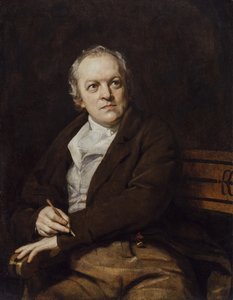
William Blake
1757 - 1827 , Reino Unido
Datos clave
- Artistas Influenciados:
- Pre-Rafaelitas
- Simbolismo
- Modernismo
- Artistas Que Influyeron:
- Raphael
- Miguel Ángel
- Fecha De Muerte: 12 de agosto de 1827
- Fecha De Nacimiento: 28 de noviembre de 1757
- Lugar De Nacimiento: Londres, Reino Unido
- Movimiento Artístico: Romanticismo
- Nacionalidad: Británico
- Nombre Completo: William Blake
- Obras Notables:
- El Tigre (1795)
- La Segadora (1803)
- El Fantasma de una Pulga
- Canciones de Inocencia
- Jerusalén (1804-1820)
Artículos relacionados

Paisajes Románticos: 10 Obras Maestras que Definieron un Movimiento Artístico
Descubre los 10 paisajes románticos más influyentes de artistas como Caspar David Friedrich y Turner. Explora la belleza, el simbolismo y las técnicas del movimiento romántico. Reproducciones de arte exclusivas en ArtsDot.com.

Katsushika Hokusai: Las 25 Obras Maestras del Ukiyo-e que Transformaron el Arte Japonés | ArtsDot
Descubre las 25 obras maestras de Katsushika Hokusai, el genio del ukiyo-e. Explora 'La Gran Ola', paisajes japoneses y su impacto en el arte moderno. Reproducciones de alta calidad para tu hogar en ArtsDot.com.
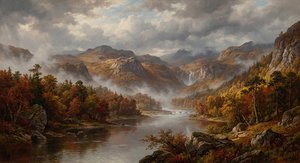
Los 10 Maestros del Río Hudson: Obras que Definieron un Movimiento Artístico
Descubre los 10 lienzos más emblemáticos de la Escuela del Río Hudson. Explora las obras maestras de Thomas Cole, Church y Bierstadt que capturan la belleza del paisaje americano. Encuentra reproducciones de arte exclusivas en ArtsDot.com.

John Constable: Las 25 Obras Maestras del Paisaje Inglés | ArtsDot
Descubre las 25 obras maestras de John Constable, el pintor romántico inglés que capturó la belleza del paisaje. Explora su técnica, historia y significado en ArtsDot.com. Reproducciones de arte de alta calidad para tu hogar.

William Blake: Romantic Visionary & Mystical Genius of the Imagination
Explore the mystical art & poetic genius of William Blake (1757-1827). Discover his revolutionary illuminated printing, rich symbolism, and lasting influence on Romanticism. Find handmade reproductions at ArtsDot.