 Ver en contexto
 Enviar
 Compartir
 Detalles

 Descargar
 Similares
 Radiografía
 Presentación de diapositivas
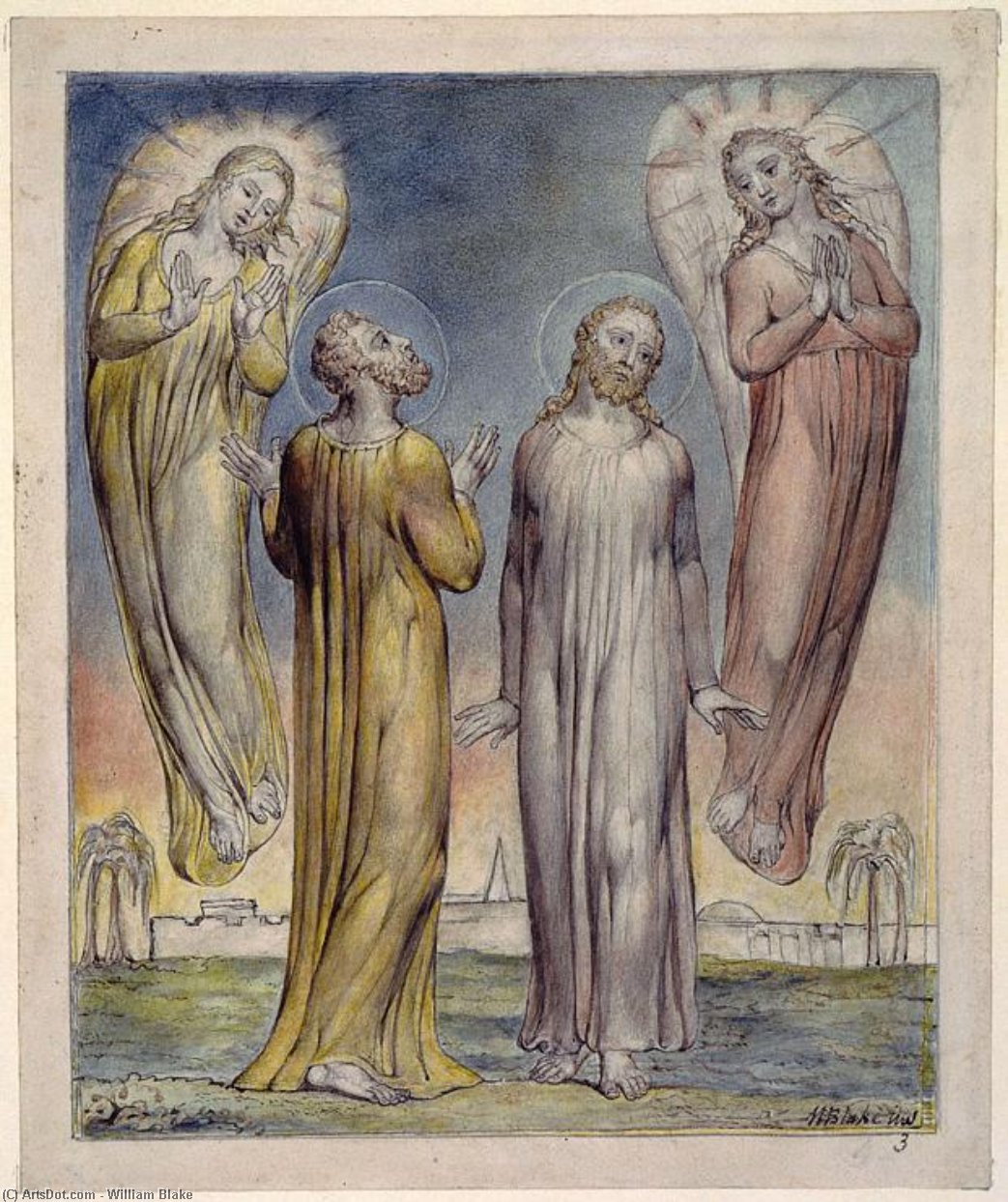
Andrew, Simon Peter Searching for Christ
 Romantic Symbolism
 1819
1819- 19th Century
 13.0 x 17.0 cm
 Ver más
Reproducción al óleo hecha a mano
Óleo sobre lienzo pintado a mano en el tamaño y marco de su elección, realizado por encargo por nuestros artistas. ( Comprar impresión Comprar imagen)




P118B $10

P118H $10

P118W $10

P438Z $10

P508JH $12

P508YH $12

P805H $10

P805Z $10

P919BZ $10

P919G $10

P919XJ $10

P959ZH $10

P968JZ $12

W106C $8

W218G $10

W218JH $8

W218Y $10

W307PJ $10

W316G $10

W316PJ $8

W316Y $10

W398PJ $8

W4111J $10

W500HY $15

W500JH $15

W692G $12

W849H $8

W940BG $15

W953PJ $8




Elija entre nuestros tamaños predefinidos que respetan las proporciones originales de la obra.

Puede ingresar sus propias dimensiones para adaptarse a un marco o espacio específico. Si el tamaño seleccionado no coincide con las proporciones de la imagen original, recortaremos la obra o extenderemos la pintura con elementos adicionales pintados a mano. Se le enviará una maqueta digital para su aprobación antes de comenzar la producción.
Tenga en cuenta que la vista previa en pantalla no refleja el recorte o la extensión reales. Solo la maqueta mostrará con precisión la composición final.
Si bien existen tamaños personalizados, recomendamos seleccionar una dimensión de la lista predefinida para preservar las proporciones originales.
Tras realizar el pedido, el equipo de ArtsDot.com enviará un correo electrónico al cliente para solicitar instrucciones y proporcionarle una vista previa del boceto.
Envío a todo el mundo () en 3-4 semanas en lugar de las 5 semanas estándar. (27 agosto). Sin comprometer la calidad.

Envío exprés gratuito a todo el mundo

Lienzo de lino de alta calidad

Seguro de envío total

Garantía de reembolso de impuestos aduaneros

Garantía de fidelidad cromática exacta

Política de devolución de 60 días (solo por defectos)

Garantía de devolución del 100% del dinero

Descuento por cantidad
 La opción de vidrio solo está disponible en tamaños inferiores a 110 cm.

Andrew, Simon Peter Searching for Christ
Técnica de reproducción
Dimensiones de la reproducción
-


Precio total final
$ 263
Andrew, Simon Peter Searching for Christ – A Vision of Spiritual Ascent
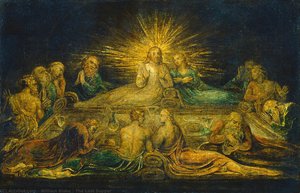
William Blake’s “Andrew, Simon Peter Searching for Christ,” created in 1816-1819, stands as a cornerstone of Romantic art and literature. More than just an illustration to Milton's epic poem "Paradise Regained," it embodies the movement’s core tenets: fervent emotion, imaginative vision, and profound contemplation of faith—qualities that continue to resonate powerfully with audiences today. This meticulously crafted pen drawing, measuring 13 x 17 cm, exemplifies Blake’s distinctive artistic style and offers a glimpse into his deeply held spiritual convictions.Composition and Technique – The Language of Line
Blake's masterful use of pen and wash is immediately striking. The artist eschewed the polished surfaces favored by neoclassical painters, opting instead for expressive lines that convey palpable energy and movement. These delicate strokes capture not merely the physical form of the figures but also their inner turmoil—the yearning for divine communion. Notice how Blake employs hatching to delineate shadows and contours, creating a sense of depth and luminosity that defies conventional realism. The subtle blending of washes adds textural richness, enhancing the ethereal quality of the scene and reinforcing its symbolic significance. This technique reflects Blake’s belief in art as a vehicle for conveying spiritual truths beyond mere visual representation.Symbolism: Angels, Boats, and the Quest for Redemption
The artwork is laden with symbolism reflecting Blake's preoccupation with biblical narratives and Christian theology. The three figures—Andrew, Simon Peter, and another disciple—represent individuals grappling with existential questions – specifically, their pursuit of spiritual enlightenment and reconciliation with God. Their outstretched hands symbolize supplication and aspiration, mirroring the posture of worshippers seeking divine grace. Above them hover two angels, representing divine guidance and protection; their wings suggest transcendence and heavenly influence. The inclusion of a boat in the background harkens back to the biblical account of Jesus’ journey to Jerusalem, symbolizing pilgrimage and deliverance from earthly constraints. Blake's deliberate choices of imagery underscore his conviction that art could illuminate spiritual realities inaccessible to rational thought alone.Context Within Romantic Art History – A Pioneer Spirit
William Blake was undeniably a trailblazer within the Romantic movement, preceding many of its prominent figures by several years. Unlike his contemporaries who often focused on idealized beauty and classical forms, Blake sought inspiration in folklore, mythology, and visionary experiences—drawing heavily from Hebrew scripture and Christian mysticism. His work challenged prevailing societal norms and questioned established religious dogma, reflecting a broader intellectual ferment that characterized the era. “Andrew, Simon Peter Searching for Christ” aligns perfectly with this spirit of rebellion against convention, asserting the primacy of imagination and emotion as pathways to spiritual understanding – a legacy that continues to inspire artists and collectors alike.Emotional Resonance: A Timeless Expression of Faith
Ultimately, "Andrew, Simon Peter Searching for Christ" transcends its formal elements to convey an enduring emotional impact. The drawing’s serene yet urgent atmosphere captures the profound vulnerability inherent in human desire for spiritual connection. Blake's masterful rendering of emotion—expressed through gesture and posture—invites viewers to contemplate their own beliefs and aspirations. It serves as a poignant reminder that true beauty resides not merely in visual perfection but also in the capacity to evoke contemplation and inspire reverence – qualities that solidify its place as an iconic masterpiece of Romantic art.Obras relacionadas
Biografía del artista
una vida marcada por un espíritu creativo
william blake, un artista, poeta e grabador visionario, dejó una marca indeleble en el mundo del arte. Nacido en Londres el 28 de noviembre de 1757 y fallecido el 12 de agosto de 1827, la vida de Blake fue un testimonio de su profundo espíritu creativo.vida temprana e influencias
Los primeros años de Blake estuvieron marcados por una profunda conexión con las artes. Su padre, william blake sr., un hosier, y su madre, catherine wright, influyeron en sus inclinaciones espirituales y artísticas. Esto llevó a su aprendizaje bajo la tutela de francisco bartolozzi, un grabador.evolución artística y obras notables
El viaje artístico de Blake abarcó diversos medios, incluyendo la pintura, la poesía y la grabado. Algunas de sus obras más notables incluyen:- the tyger (1795) - una obra maestra de la literatura romántica, que muestra la mezcla única de Blake entre lo místico y lo real.
- the sickle (1803) - un ejemplo conmovedor de su destreza en el grabado, que refleja su profunda conexión con la naturaleza.
- the ghost of a flea (c. 1819–1820) - un testimonio del enfoque innovador de Blake en el arte, que difumina las líneas entre la realidad y la fantasía.
museos que exhiben obras de Blake
- blake museum, reino unido - un destino imprescindible para cualquier entusiasta de Blake, que alberga una extensa colección de sus obras de arte. [https://ArtsDot.com/@/william-blake](https://ArtsDot.com/@/william-blake)
- fulham public library, reino unido - aunque no es un museo dedicado exclusivamente a Blake, presenta varias de sus obras notables, ofreciendo una perspectiva única del arte británico. [https://ArtsDot.com/@@/a@d3bma9-discovering-the-artworks-of-fulham-public-library-united-kingdom](https://ArtsDot.com/@@/a@d3bma9-discovering-the-artworks-of-fulham-public-library-united-kingdom)
legado e impacto
La influencia de Blake en el arte británico es innegable. Su mezcla única de lo místico, lo profético y lo imaginativo ha inspirado a generaciones de artistas. Como precursor del movimiento romántico, la obra de Blake continúa desafiando cualquier categorización fácil, convirtiéndolo en una piedra angular de la literatura y el arte británicos.lecturas adicionales
Para más información sobre William Blake y sus obras, explore: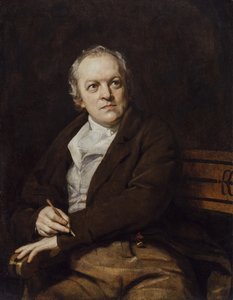
William Blake
1757 - 1827 , Reino Unido
Datos clave
- Artistas Influenciados:
- Pre-Rafaelitas
- Simbolismo
- Modernismo
- Artistas Que Influyeron:
- Raphael
- Miguel Ángel
- Fecha De Muerte: 12 de agosto de 1827
- Fecha De Nacimiento: 28 de noviembre de 1757
- Lugar De Nacimiento: Londres, Reino Unido
- Movimiento Artístico: Romanticismo
- Nacionalidad: Británico
- Nombre Completo: William Blake
- Obras Notables:
- El Tigre (1795)
- La Segadora (1803)
- El Fantasma de una Pulga
- Canciones de Inocencia
- Jerusalén (1804-1820)
Artículos relacionados

William Blake: Romantic Visionary & Mystical Genius of the Imagination
Explore the mystical art & poetic genius of William Blake (1757-1827). Discover his revolutionary illuminated printing, rich symbolism, and lasting influence on Romanticism. Find handmade reproductions at ArtsDot.
Romantic Realism's Finest: 10 Masterpieces for Your Home | ArtsDot
Explore 10 defining masterpieces of Romantic Realism! Discover Courbet, Millet & Daumier's powerful paintings—capturing emotion and social realities. Find museum-quality reproductions for your home at ArtsDot.com.
Sir William Blake Richmond: A Visionary of Aestheticism & Symbolism
Explore the life & art of Sir William Blake Richmond, a pivotal figure bridging Pre-Raphaelitism and Aestheticism. Discover his stunning portraits, mosaics at St Paul's Cathedral, and lasting influence on Victorian art.

The Nuances of Graphite: Exploring Emotional Depth & Technical Mastery in Pencil Drawing
Explore the captivating world of graphite drawing! Discover its rich history, master essential techniques like chiaroscuro, and learn how artists evoke emotion through this timeless medium. Expert insights for art enthusiasts.
John Varley I: Intimate Observation & the British Romantic Landscape
Explore the serene landscapes of John Varley I, a key figure in British Romanticism. Discover his unique watercolour style, collaboration with William Blake & lasting artistic legacy. Learn about collecting Varley's work.