 Ver en contexto
 Enviar
 Compartir
 Detalles

 Descargar
 Similares
 Radiografía
 Presentación de diapositivas
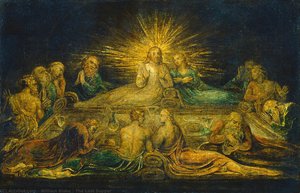
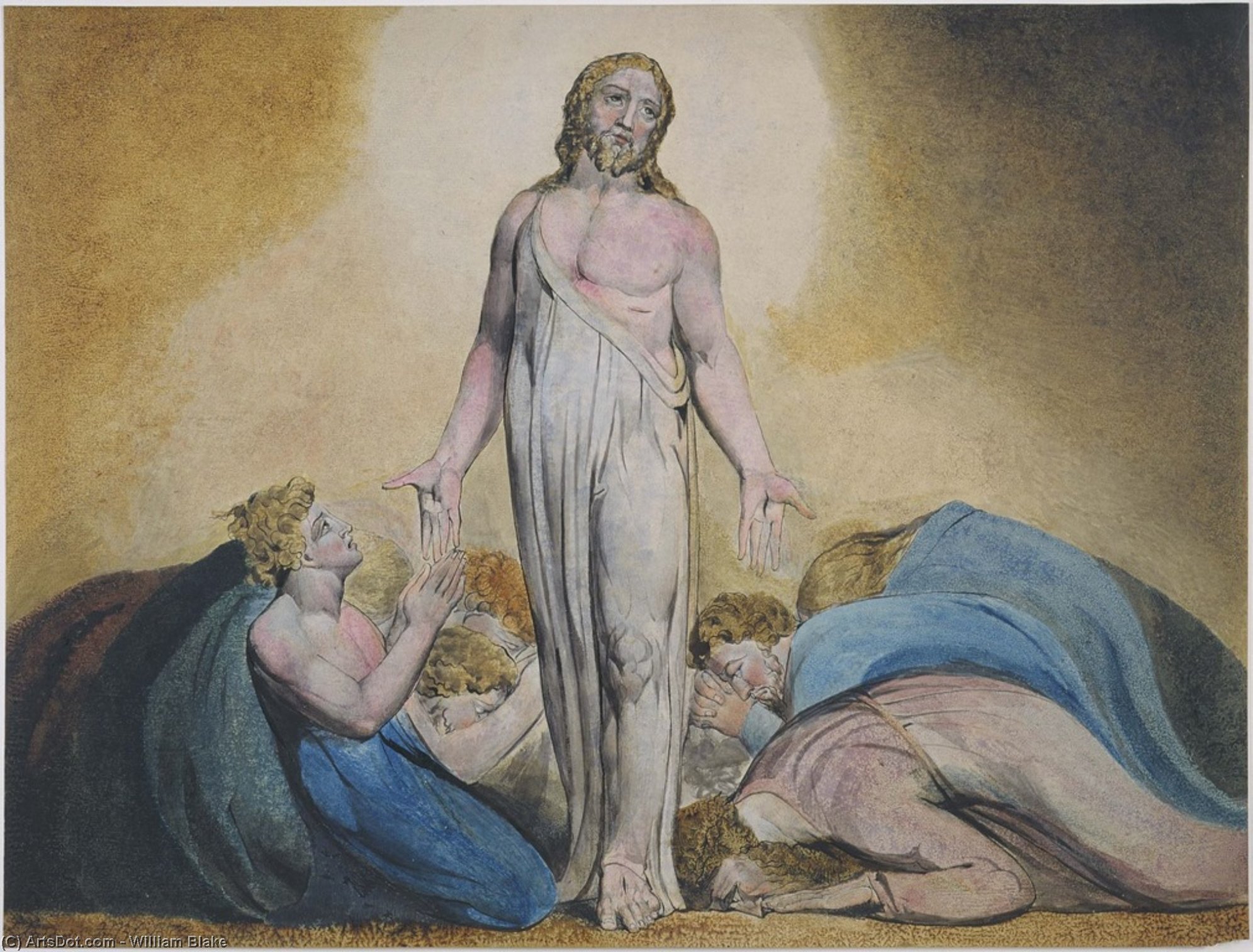
Christ Appearing to His Disciples After the Resurrection


 Ver más
Giclée / Impresión de arte
Impresiones giclée o en lienzo de calidad de museo con producción rápida y opciones de acabado flexibles. ( Comprar pintura hecha a mano Comprar imagen)




P118B $10

P118H $10

P118W $10

P438Z $10

P508JH $12

P508YH $12

P805H $10

P805Z $10

P919BZ $10

P919G $10

P919XJ $10

P959ZH $10

P968JZ $12

W106C $8

W218G $10

W218JH $8

W218Y $10

W307PJ $10

W316G $10

W316PJ $8

W316Y $10

W398PJ $8

W4111J $10

W500HY $15

W500JH $15

W692G $12

W849H $8

W940BG $15

W953PJ $8




Elija entre nuestros tamaños predefinidos que respetan las proporciones originales de la obra.

Puede introducir sus propias dimensiones para adaptarse a un marco o espacio específico. Si el tamaño seleccionado no coincide con las proporciones de la imagen original, recortaremos la obra de arte o extenderemos la imagen con un borde con efecto espejo o de color sólido. Se enviará una maqueta digital para su aprobación antes de que comience la producción.
Tenga en cuenta que la vista previa en pantalla no refleja el recorte o la extensión real. Solo la maqueta mostrará con precisión la composición final.
Aunque existen tamaños personalizados, recomendamos seleccionar una dimensión de la lista predefinida para preservar las proporciones originales.
Envío a todo el mundo () en 2 semanas en lugar de las 4/5 semanas estándar. (25 agosto)

Envío exprés gratuito a todo el mundo

Lienzo de lino de alta calidad

Seguro de envío total

Garantía de reembolso de impuestos aduaneros

Garantía de fidelidad cromática exacta

Política de devolución de 60 días (solo por defectos)

Garantía de devolución del 100% del dinero

Descuento por cantidad
 La opción de vidrio solo está disponible en tamaños inferiores a 110 cm.

Christ Appearing to His Disciples After the Resurrection
Giclée / Impresión de arte
Dimensiones de la reproducción
-


Precio total final
$ 62
Descripción de la pieza
A Visionary Encounter: The Divine Presence in Blake’s Masterpiece
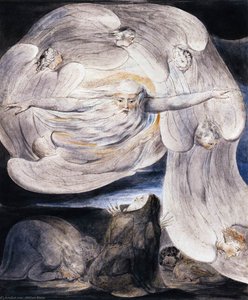
In the ethereal realm of William Blake’s Christ Appearing to His Disciples After the Resurrection, the boundary between the earthly and the divine dissolves into a singular, breathtaking moment of spiritual revelation. This profound work captures the pivotal instant following the Resurrection, where the resurrected Christ manifests before his followers, transforming a scene of mourning into one of transcendent hope. The composition is anchored by the central figure of Jesus, whose outstretched arms serve as a bridge between heaven and earth, inviting the viewer into a sacred dialogue. Surrounding him, the disciples are depicted in various states of awe and devotion, their kneeling forms creating a rhythmic movement that draws the eye upward toward the luminous presence of the Savior. This dynamic arrangement does more than merely narrative a biblical event; it orchestrates a profound emotional journey from the weight of mortality to the lightness of eternal life.
To behold this artwork is to step into the very heart of the Romantic movement, where Blake’s unique artistic language defies the rigid rationalism of his era. Eschewing the polished, academic perfection favored by Neoclassical contemporaries, Blake utilized a technique characterized by bold, expressive lines and a vibrant, almost supernatural palette. His mastery of engraving and watercolor allows for a remarkable textural richness, where subtle tonal variations create an atmosphere that feels both intimately real and hauntingly fantastical. The interplay of light and shadow does not merely illuminate the figures; it breathes life into the spiritual energy of the scene, making the divine light feel as though it is radiating from within the paper itself. For the discerning collector or interior designer, this piece offers a captivating depth that commands attention, providing a focal point that is both intellectually stimulating and visually arresting.
Symbolism and the Soul of Romanticism
Every element within Blake’s composition is steeped in a complex web of symbolism designed to evoke the "prophetic" visions that defined his life. The outstretched arms of Christ are not merely a gesture of greeting, but a symbol of universal redemption and the infinite reach of divine love. The disciples, caught in moments of profound recognition, represent the human soul’s yearning for transcendence amidst the anxieties of a changing world. Blake, a visionary who saw through the "veil" of the material industrial age, used this scene to explore themes of spiritual renewal and the triumph of imagination over empirical observation. The background figures, partially obscured yet essential to the sense of depth, suggest that this miraculous event ripples outward, touching the edges of the known world.
For those seeking to integrate fine art into a sophisticated living space, a high-quality reproduction of this masterpiece brings with it an aura of contemplative elegance. The artwork’s ability to blend historical gravity with a dreamlike, emotive quality makes it an ideal choice for creating an atmosphere of inspiration and peace. Whether placed in a quiet study or as a centerpiece in a grand gallery, Christ Appearing to His Disciples After the Resurrection serves as a timeless reminder of the power of faith, the beauty of the unseen, and the enduring strength of the human spirit.
Obras relacionadas
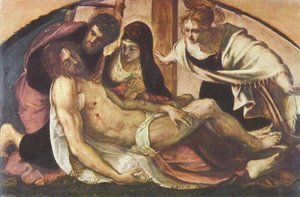
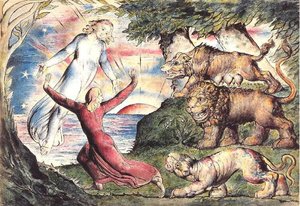
Biografía del artista
una vida marcada por un espíritu creativo
william blake, un artista, poeta e grabador visionario, dejó una marca indeleble en el mundo del arte. Nacido en Londres el 28 de noviembre de 1757 y fallecido el 12 de agosto de 1827, la vida de Blake fue un testimonio de su profundo espíritu creativo.vida temprana e influencias
Los primeros años de Blake estuvieron marcados por una profunda conexión con las artes. Su padre, william blake sr., un hosier, y su madre, catherine wright, influyeron en sus inclinaciones espirituales y artísticas. Esto llevó a su aprendizaje bajo la tutela de francisco bartolozzi, un grabador.evolución artística y obras notables
El viaje artístico de Blake abarcó diversos medios, incluyendo la pintura, la poesía y la grabado. Algunas de sus obras más notables incluyen:- the tyger (1795) - una obra maestra de la literatura romántica, que muestra la mezcla única de Blake entre lo místico y lo real.
- the sickle (1803) - un ejemplo conmovedor de su destreza en el grabado, que refleja su profunda conexión con la naturaleza.
- the ghost of a flea (c. 1819–1820) - un testimonio del enfoque innovador de Blake en el arte, que difumina las líneas entre la realidad y la fantasía.
museos que exhiben obras de Blake
- blake museum, reino unido - un destino imprescindible para cualquier entusiasta de Blake, que alberga una extensa colección de sus obras de arte. [https://ArtsDot.com/@/william-blake](https://ArtsDot.com/@/william-blake)
- fulham public library, reino unido - aunque no es un museo dedicado exclusivamente a Blake, presenta varias de sus obras notables, ofreciendo una perspectiva única del arte británico. [https://ArtsDot.com/@@/a@d3bma9-discovering-the-artworks-of-fulham-public-library-united-kingdom](https://ArtsDot.com/@@/a@d3bma9-discovering-the-artworks-of-fulham-public-library-united-kingdom)
legado e impacto
La influencia de Blake en el arte británico es innegable. Su mezcla única de lo místico, lo profético y lo imaginativo ha inspirado a generaciones de artistas. Como precursor del movimiento romántico, la obra de Blake continúa desafiando cualquier categorización fácil, convirtiéndolo en una piedra angular de la literatura y el arte británicos.lecturas adicionales
Para más información sobre William Blake y sus obras, explore: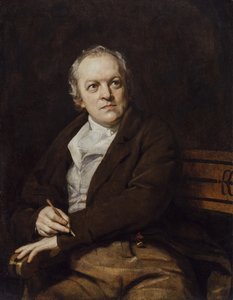
William Blake
1757 - 1827 , Reino Unido
Datos clave
- Artistas Influenciados:
- Pre-Rafaelitas
- Simbolismo
- Modernismo
- Artistas Que Influyeron:
- Raphael
- Miguel Ángel
- Fecha De Muerte: 12 de agosto de 1827
- Fecha De Nacimiento: 28 de noviembre de 1757
- Lugar De Nacimiento: Londres, Reino Unido
- Movimiento Artístico: Romanticismo
- Nacionalidad: Británico
- Nombre Completo: William Blake
- Obras Notables:
- El Tigre (1795)
- La Segadora (1803)
- El Fantasma de una Pulga
- Canciones de Inocencia
- Jerusalén (1804-1820)
Artículos relacionados

William Blake: Romantic Visionary & Mystical Genius of the Imagination
Explore the mystical art & poetic genius of William Blake (1757-1827). Discover his revolutionary illuminated printing, rich symbolism, and lasting influence on Romanticism. Find handmade reproductions at ArtsDot.
Romantic Realism's Finest: 10 Masterpieces for Your Home | ArtsDot
Explore 10 defining masterpieces of Romantic Realism! Discover Courbet, Millet & Daumier's powerful paintings—capturing emotion and social realities. Find museum-quality reproductions for your home at ArtsDot.com.
Sir William Blake Richmond: A Visionary of Aestheticism & Symbolism
Explore the life & art of Sir William Blake Richmond, a pivotal figure bridging Pre-Raphaelitism and Aestheticism. Discover his stunning portraits, mosaics at St Paul's Cathedral, and lasting influence on Victorian art.
John Varley I: Intimate Observation & the British Romantic Landscape
Explore the serene landscapes of John Varley I, a key figure in British Romanticism. Discover his unique watercolour style, collaboration with William Blake & lasting artistic legacy. Learn about collecting Varley's work.

Paisajes Románticos: 10 Obras Maestras que Definieron un Movimiento Artístico
Descubre los 10 paisajes románticos más influyentes de artistas como Caspar David Friedrich y Turner. Explora la belleza, el simbolismo y las técnicas del movimiento romántico. Reproducciones de arte exclusivas en ArtsDot.com.