 Ver en contexto
 Enviar
 Compartir
 Detalles

 Descargar
 Similares
 Radiografía
 Presentación de diapositivas
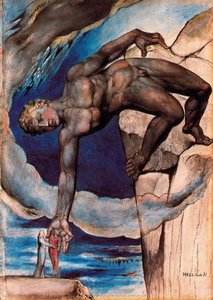
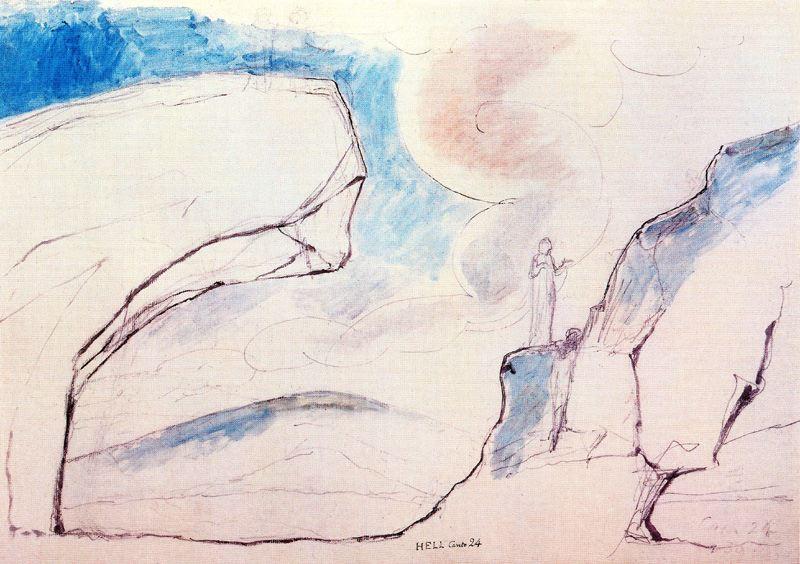
Continuación del ascenso entre las rocas

 Ver más
Giclée / Impresión de arte
Impresiones giclée o en lienzo de calidad de museo con producción rápida y opciones de acabado flexibles. ( Comprar pintura hecha a mano Comprar imagen)




P118B $10

P118H $10

P118W $10

P438Z $10

P508JH $12

P508YH $12

P805H $10

P805Z $10

P919BZ $10

P919G $10

P919XJ $10

P959ZH $10

P968JZ $12

W106C $8

W218G $10

W218JH $8

W218Y $10

W307PJ $10

W316G $10

W316PJ $8

W316Y $10

W398PJ $8

W4111J $10

W500HY $15

W500JH $15

W692G $12

W849H $8

W940BG $15

W953PJ $8




Elija entre nuestros tamaños predefinidos que respetan las proporciones originales de la obra.

Puede introducir sus propias dimensiones para adaptarse a un marco o espacio específico. Si el tamaño seleccionado no coincide con las proporciones de la imagen original, recortaremos la obra de arte o extenderemos la imagen con un borde con efecto espejo o de color sólido. Se enviará una maqueta digital para su aprobación antes de que comience la producción.
Tenga en cuenta que la vista previa en pantalla no refleja el recorte o la extensión real. Solo la maqueta mostrará con precisión la composición final.
Aunque existen tamaños personalizados, recomendamos seleccionar una dimensión de la lista predefinida para preservar las proporciones originales.
Envío a todo el mundo () en 2 semanas en lugar de las 4/5 semanas estándar. (6 septiembre)

Envío exprés gratuito a todo el mundo

Lienzo de lino de alta calidad

Seguro de envío total

Garantía de reembolso de impuestos aduaneros

Garantía de fidelidad cromática exacta

Política de devolución de 100 días (solo por defectos)

Garantía de devolución del 100% del dinero

Descuento por cantidad
 La opción de vidrio solo está disponible en tamaños inferiores a 110 cm.

Continuación del ascenso entre las rocas
Giclée / Impresión de arte
Dimensiones de la reproducción
-


Precio total final
$ 62
William Blake’s “Continuación del ascenso entre las rocas”: A Meditation on Landscape and Vision
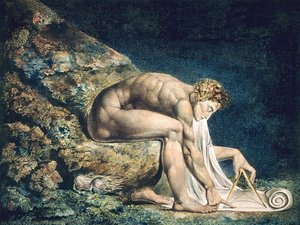
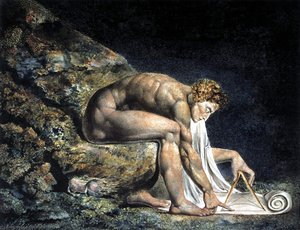
The painting "Continuación del ascenso entre las rocas" (Continuing the Ascent Between Rocks), attributed to William Blake, stands as a testament to the Romantic preoccupation with sublime landscapes and the transformative power of visionary experience. Executed sometime between 1817 and 1820, this monumental canvas embodies Blake’s distinctive artistic style—a fusion of drawing, engraving, and watercolor that transcends mere representation to convey profound spiritual and emotional resonance.Style and Technique: Blake's Revolutionary Printmaking
Blake’s approach to art was fundamentally revolutionary for its time. Rejecting the conventions of academic painting, he championed printmaking as a medium capable of capturing not just visual detail but also intangible ideas and emotions. “Continuación del ascenso entre las rocas” exemplifies this conviction through its masterful use of etching and aquatint—techniques pioneered by Blake himself—to create tonal gradations that imbue the rocky cliff face with an astonishing sense of depth and texture. The artist meticulously rendered individual rocks and boulders, employing a delicate hand to achieve remarkable precision while simultaneously harnessing the expressive potential of the printmaking process. Watercolor washes delicately layered over the etched surface further enhance the painting’s luminosity and contribute to its ethereal atmosphere.Historical Context: Romanticism's Embrace of Nature
The painting emerged during the height of Romanticism, a movement that reacted against Enlightenment rationalism and celebrated emotion, imagination, and individualism. Blake’s fascination with nature stemmed from his belief in its inherent spiritual significance—a conviction rooted in his Quaker upbringing and influenced by biblical imagery. Like Turner and Constable before him, Blake sought to depict landscapes as sources of sublime terror and beauty, capturing the grandeur of the natural world while simultaneously hinting at hidden realms beyond human comprehension. The turbulent sea below symbolizes both physical danger and psychological uncertainty, mirroring the protagonist’s internal struggle for spiritual enlightenment.Symbolism: Rocks as Representations of Resilience and Transformation
The rocky cliff face itself serves as a potent symbol—representing resilience, permanence, and the arduous journey toward self-discovery. Blake frequently employed geological imagery to convey themes of moral fortitude and spiritual ascension. The upward trajectory of the figure embodies this aspiration, suggesting that overcoming obstacles is essential for achieving wholeness and realizing one’s potential. Furthermore, the bird soaring above symbolizes freedom—a longing for transcendence and liberation from earthly constraints. These elements coalesce into a complex tapestry of symbolism that invites contemplation and encourages viewers to consider the profound implications of Blake's vision.Emotional Impact: A Portrait of Contemplative Wonder
Ultimately, “Continuación del ascenso entre las rocas” transcends mere visual spectacle; it evokes a powerful emotional response—one characterized by contemplative wonder and a sense of awe before the immensity of nature. The painting’s subdued palette—dominated by earthy tones punctuated by flashes of luminous color—creates an atmosphere of serenity and solemnity, inviting viewers to pause and reflect on their own place within the cosmos. Blake's masterful rendering captures not only the physical landscape but also its psychological impact—suggesting that confronting challenges with courage and humility can lead to profound spiritual insight. It remains a compelling reminder of the enduring power of art to illuminate the human condition and inspire us to embrace the transformative potential inherent in encountering beauty and grandeur.Obras relacionadas


Biografía del artista
una vida marcada por un espíritu creativo
william blake, un artista, poeta e grabador visionario, dejó una marca indeleble en el mundo del arte. Nacido en Londres el 28 de noviembre de 1757 y fallecido el 12 de agosto de 1827, la vida de Blake fue un testimonio de su profundo espíritu creativo.vida temprana e influencias
Los primeros años de Blake estuvieron marcados por una profunda conexión con las artes. Su padre, william blake sr., un hosier, y su madre, catherine wright, influyeron en sus inclinaciones espirituales y artísticas. Esto llevó a su aprendizaje bajo la tutela de francisco bartolozzi, un grabador.evolución artística y obras notables
El viaje artístico de Blake abarcó diversos medios, incluyendo la pintura, la poesía y la grabado. Algunas de sus obras más notables incluyen:- the tyger (1795) - una obra maestra de la literatura romántica, que muestra la mezcla única de Blake entre lo místico y lo real.
- the sickle (1803) - un ejemplo conmovedor de su destreza en el grabado, que refleja su profunda conexión con la naturaleza.
- the ghost of a flea (c. 1819–1820) - un testimonio del enfoque innovador de Blake en el arte, que difumina las líneas entre la realidad y la fantasía.
museos que exhiben obras de Blake
- blake museum, reino unido - un destino imprescindible para cualquier entusiasta de Blake, que alberga una extensa colección de sus obras de arte. [https://ArtsDot.com/@/william-blake](https://ArtsDot.com/@/william-blake)
- fulham public library, reino unido - aunque no es un museo dedicado exclusivamente a Blake, presenta varias de sus obras notables, ofreciendo una perspectiva única del arte británico. [https://ArtsDot.com/@@/a@d3bma9-discovering-the-artworks-of-fulham-public-library-united-kingdom](https://ArtsDot.com/@@/a@d3bma9-discovering-the-artworks-of-fulham-public-library-united-kingdom)
legado e impacto
La influencia de Blake en el arte británico es innegable. Su mezcla única de lo místico, lo profético y lo imaginativo ha inspirado a generaciones de artistas. Como precursor del movimiento romántico, la obra de Blake continúa desafiando cualquier categorización fácil, convirtiéndolo en una piedra angular de la literatura y el arte británicos.lecturas adicionales
Para más información sobre William Blake y sus obras, explore: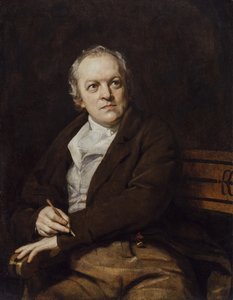
William Blake
1757 - 1827 , Reino Unido
Datos clave
- Artistas Influenciados:
- Pre-Rafaelitas
- Simbolismo
- Modernismo
- Artistas Que Influyeron:
- Raphael
- Miguel Ángel
- Fecha De Muerte: 12 de agosto de 1827
- Fecha De Nacimiento: 28 de noviembre de 1757
- Lugar De Nacimiento: Londres, Reino Unido
- Movimiento Artístico: Romanticismo
- Nacionalidad: Británico
- Nombre Completo: William Blake
- Obras Notables:
- El Tigre (1795)
- La Segadora (1803)
- El Fantasma de una Pulga
- Canciones de Inocencia
- Jerusalén (1804-1820)
Artículos relacionados

Paisajes Románticos: 10 Obras Maestras que Definieron un Movimiento Artístico
Descubre los 10 paisajes románticos más influyentes de artistas como Caspar David Friedrich y Turner. Explora la belleza, el simbolismo y las técnicas del movimiento romántico. Reproducciones de arte exclusivas en ArtsDot.com.

William Blake: Romantic Visionary & Mystical Genius of the Imagination
Explore the mystical art & poetic genius of William Blake (1757-1827). Discover his revolutionary illuminated printing, rich symbolism, and lasting influence on Romanticism. Find handmade reproductions at ArtsDot.
John Varley I: Intimate Observation & the British Romantic Landscape
Explore the serene landscapes of John Varley I, a key figure in British Romanticism. Discover his unique watercolour style, collaboration with William Blake & lasting artistic legacy. Learn about collecting Varley's work.

Evocations of Place: A Historical Journey Through Landscape Art
Explore the rich history of landscape art with ArtsDot. Discover renowned artists, movements like Impressionism & Romanticism, and expert guidance for collecting timeless pieces. Find your perfect serene escape today!
El Sublime y lo Pintoresco: Explorando la Emoción y la Naturaleza en la Pintura Romántica de Paisaje
Explora la profunda conexión entre el arte romántico y la naturaleza. Descubre a Caspar David Friedrich, John Constable y otros maestros del sublime y lo pintoresco. Análisis experto e historia del movimiento.