 Ver en contexto
 Enviar
 Compartir
 Detalles

 Descargar
 Similares
 Radiografía
 Presentación de diapositivas
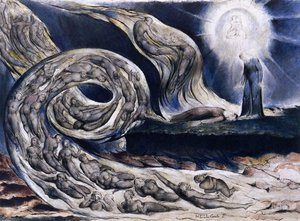
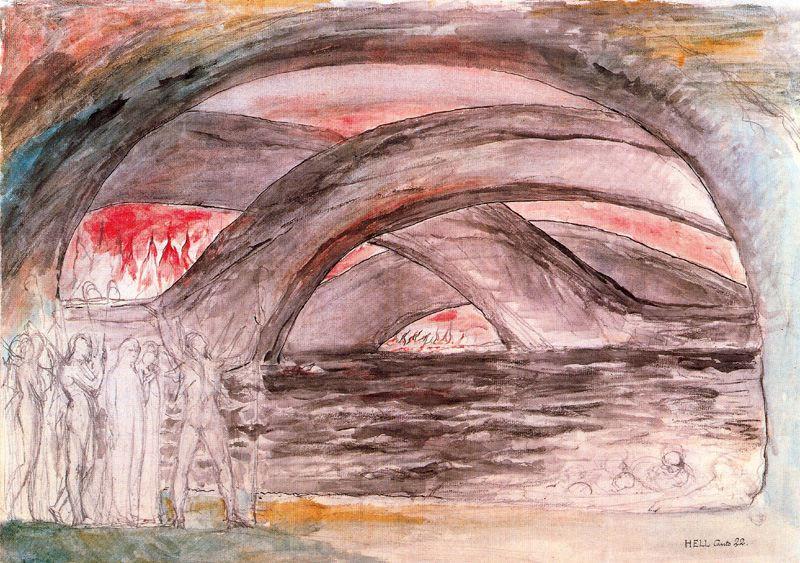
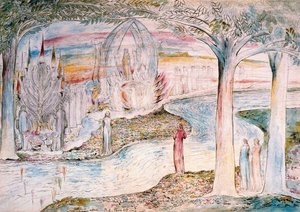
Dante y Virgilio con los diablos al borde del Lago de Pez

 Ver más
Giclée / Impresión de arte
Impresiones giclée o en lienzo de calidad de museo con producción rápida y opciones de acabado flexibles. ( Comprar pintura hecha a mano Comprar imagen)




P118B $10

P118H $10

P118W $10

P438Z $10

P508JH $12

P508YH $12

P805H $10

P805Z $10

P919BZ $10

P919G $10

P919XJ $10

P959ZH $10

P968JZ $12

W106C $8

W218G $10

W218JH $8

W218Y $10

W307PJ $10

W316G $10

W316PJ $8

W316Y $10

W398PJ $8

W4111J $10

W500HY $15

W500JH $15

W692G $12

W849H $8

W940BG $15

W953PJ $8




Elija entre nuestros tamaños predefinidos que respetan las proporciones originales de la obra.

Puede introducir sus propias dimensiones para adaptarse a un marco o espacio específico. Si el tamaño seleccionado no coincide con las proporciones de la imagen original, recortaremos la obra de arte o extenderemos la imagen con un borde con efecto espejo o de color sólido. Se enviará una maqueta digital para su aprobación antes de que comience la producción.
Tenga en cuenta que la vista previa en pantalla no refleja el recorte o la extensión real. Solo la maqueta mostrará con precisión la composición final.
Aunque existen tamaños personalizados, recomendamos seleccionar una dimensión de la lista predefinida para preservar las proporciones originales.
Envío a todo el mundo () en 2 semanas en lugar de las 4/5 semanas estándar. (23 agosto)

Envío exprés gratuito a todo el mundo

Lienzo de lino de alta calidad

Seguro de envío total

Garantía de reembolso de impuestos aduaneros

Garantía de fidelidad cromática exacta

Política de devolución de 60 días (solo por defectos)

Garantía de devolución del 100% del dinero

Descuento por cantidad
 La opción de vidrio solo está disponible en tamaños inferiores a 110 cm.

Dante y Virgilio con los diablos al borde del Lago de Pez
Giclée / Impresión de arte
Dimensiones de la reproducción
-


Precio total final
$ 62
Descripción de la pieza
A Portrait of Descent and Ascent
William Blake’s “Dante y Virgilio con los diablos al borde del Lago de Pez” (circa 1820) transcends mere depiction; it embodies a profound meditation on the human condition, specifically confronting mortality and striving for spiritual enlightenment. Painted during Blake's twilight years—a period marked by intense introspection and artistic experimentation—this monumental canvas captures a pivotal moment in Dante Alighieri’s journey through Hell and Paradise, as recounted in *Inferno* and *Purgatorio*. Blake wasn’t merely illustrating Dante; he was channeling the poet’s existential anxieties into a visual language that reverberates with symbolic power.- Subject Matter: The painting portrays Dante Alighieri and Virgil traversing a bridge overlooking a turbulent lake, dominated by demonic figures representing temptation and despair. This scene directly corresponds to Dante's descent into Hell, symbolizing the confrontation with earthly vices and illusions before embarking on the arduous ascent towards redemption.
- Style & Technique: Blake’s signature style—characterized by bold lines, vibrant colors, and fantastical imagery—is evident throughout. He employed etching and aquatint techniques to achieve remarkable tonal gradations and textural effects, mirroring the dramatic contrasts of Dante's underworld experience. The meticulous detail in rendering the bridge, the tormented faces of Virgil and Dante, and the swirling darkness of the lake underscores Blake’s commitment to capturing psychological depth alongside visual grandeur.
- Historical Context: Created during the Romantic era, “Dante y Virgilio” reflects the broader intellectual currents of its time—a fascination with mythology, folklore, and visionary spirituality. Blake's preoccupation with Dante aligns with the Romantic impulse to explore the darker recesses of human consciousness and grapple with questions of morality and faith. It stands as a testament to Blake’s belief in the transformative potential of art to illuminate spiritual truths.
Symbolism: Darkness, Light, and Transformation
Blake infused “Dante y Virgilio” with layers of symbolism that extend far beyond the narrative depiction. The lake itself represents the abyss of Hell—a realm of chaos and suffering—while the demonic figures embody temptation and deceit. Conversely, Virgil embodies reason and guidance, representing the intellect’s role in confronting darkness and pursuing righteousness. Dante's posture—facing forward with unwavering determination—symbolizes courage and perseverance in the face of adversity. The overarching motif of ascent—suggested by the bridge—represents the spiritual journey towards salvation, mirroring Dante’s arduous climb out of Hell.- Color Palette: Blake utilized a striking palette dominated by reds—representing passion, violence, and demonic influence—contrasted with blues and whites—symbolizing purity, serenity, and divine grace. The dramatic sky serves as a backdrop for this confrontation between opposing forces, emphasizing the importance of balance and harmony in achieving spiritual wholeness.
- Composition: Blake’s masterful composition guides the viewer's gaze across the canvas, creating a dynamic interplay between light and shadow that reinforces the painting’s thematic concerns. The placement of Dante and Virgil—positioned centrally on the bridge—underscores their role as protagonists in this symbolic drama.
Emotional Resonance: Confrontation and Hope
“Dante y Virgilio con los diablos al borde del Lago de Pez” is not merely a visual representation; it’s an emotional exploration of human vulnerability and resilience. Blake captures the palpable tension between fear and fortitude, despair and aspiration—mirroring Dante's psychological struggle as he navigates the horrors of Hell. Yet, amidst the darkness, there exists a glimmer of hope—embodied by Virgil’s unwavering gaze and Dante’s resolute stance—affirming the belief that even in the face of suffering, spiritual transformation remains possible. Blake’s enduring legacy rests on his ability to translate profound philosophical ideas into breathtaking artistic expression, cementing “Dante y Virgilio” as an iconic masterpiece of Romantic art.Obras relacionadas
Biografía del artista
una vida marcada por un espíritu creativo
william blake, un artista, poeta e grabador visionario, dejó una marca indeleble en el mundo del arte. Nacido en Londres el 28 de noviembre de 1757 y fallecido el 12 de agosto de 1827, la vida de Blake fue un testimonio de su profundo espíritu creativo.vida temprana e influencias
Los primeros años de Blake estuvieron marcados por una profunda conexión con las artes. Su padre, william blake sr., un hosier, y su madre, catherine wright, influyeron en sus inclinaciones espirituales y artísticas. Esto llevó a su aprendizaje bajo la tutela de francisco bartolozzi, un grabador.evolución artística y obras notables
El viaje artístico de Blake abarcó diversos medios, incluyendo la pintura, la poesía y la grabado. Algunas de sus obras más notables incluyen:- the tyger (1795) - una obra maestra de la literatura romántica, que muestra la mezcla única de Blake entre lo místico y lo real.
- the sickle (1803) - un ejemplo conmovedor de su destreza en el grabado, que refleja su profunda conexión con la naturaleza.
- the ghost of a flea (c. 1819–1820) - un testimonio del enfoque innovador de Blake en el arte, que difumina las líneas entre la realidad y la fantasía.
museos que exhiben obras de Blake
- blake museum, reino unido - un destino imprescindible para cualquier entusiasta de Blake, que alberga una extensa colección de sus obras de arte. [https://ArtsDot.com/@/william-blake](https://ArtsDot.com/@/william-blake)
- fulham public library, reino unido - aunque no es un museo dedicado exclusivamente a Blake, presenta varias de sus obras notables, ofreciendo una perspectiva única del arte británico. [https://ArtsDot.com/@@/a@d3bma9-discovering-the-artworks-of-fulham-public-library-united-kingdom](https://ArtsDot.com/@@/a@d3bma9-discovering-the-artworks-of-fulham-public-library-united-kingdom)
legado e impacto
La influencia de Blake en el arte británico es innegable. Su mezcla única de lo místico, lo profético y lo imaginativo ha inspirado a generaciones de artistas. Como precursor del movimiento romántico, la obra de Blake continúa desafiando cualquier categorización fácil, convirtiéndolo en una piedra angular de la literatura y el arte británicos.lecturas adicionales
Para más información sobre William Blake y sus obras, explore: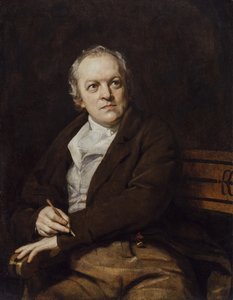
William Blake
1757 - 1827 , Reino Unido
Datos clave
- Artistas Influenciados:
- Pre-Rafaelitas
- Simbolismo
- Modernismo
- Artistas Que Influyeron:
- Raphael
- Miguel Ángel
- Fecha De Muerte: 12 de agosto de 1827
- Fecha De Nacimiento: 28 de noviembre de 1757
- Lugar De Nacimiento: Londres, Reino Unido
- Movimiento Artístico: Romanticismo
- Nacionalidad: Británico
- Nombre Completo: William Blake
- Obras Notables:
- El Tigre (1795)
- La Segadora (1803)
- El Fantasma de una Pulga
- Canciones de Inocencia
- Jerusalén (1804-1820)
Artículos relacionados

Dante Gabriel Rossetti: Las 25 Obras Maestras del Prerrafaelismo | ArtsDot
Descubre las 25 obras maestras de Dante Gabriel Rossetti, el máximo exponente del Prerrafaelismo. Explora su simbolismo, retratos victorianos y la belleza femenina en lienzos inolvidables. Reproducciones de arte exclusivas en ArtsDot.com.

William Blake: Romantic Visionary & Mystical Genius of the Imagination
Explore the mystical art & poetic genius of William Blake (1757-1827). Discover his revolutionary illuminated printing, rich symbolism, and lasting influence on Romanticism. Find handmade reproductions at ArtsDot.
Las 10 Obras Maestras del Alto Medieval: Arte, Historia y Decoración Exclusiva
Descubre las 10 obras maestras del Alto Medieval. Explora la historia, el simbolismo y la belleza de la pintura románica y gótica. Reproducciones exclusivas en ArtsDot.com para decorar tu hogar con arte atemporal.
Echoes of Olympus: Mythological Narratives in Western Art Through the Ages
Explore the captivating history of mythological narratives in Western art! From ancient Greece to modern masterpieces, discover iconic artworks & symbolism. Expert analysis and high-quality reproductions at ArtsDot.
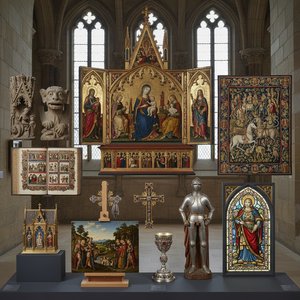
10 Obras Maestras Medievales que Definen el Arte (y tu Hogar)
Descubre 10 obras maestras del arte medieval, desde Duccio a Van Eyck. Explora la historia, simbolismo y belleza de Giotto, Simone Martini y más. Encuentra reproducciones de alta calidad para decorar tu hogar en ArtsDot.com.